
Psychobiotics: Gut-Brain Axis, Mental Health, Nutrition Frontier
The burgeoning field of psychobiotics represents a paradigm shift in understanding and treating mental health conditions. Far from being confined to the brain, mental well-being is increasingly recognized as intricately linked to the gut microbiome. This revolutionary concept, often termed the "gut-brain axis," posits a bidirectional communication network between our digestive system and our central nervous system. Psychobiotics, a specialized class of probiotics and prebiotics, are at the forefront of this exciting frontier, offering novel nutritional strategies to support mental health.
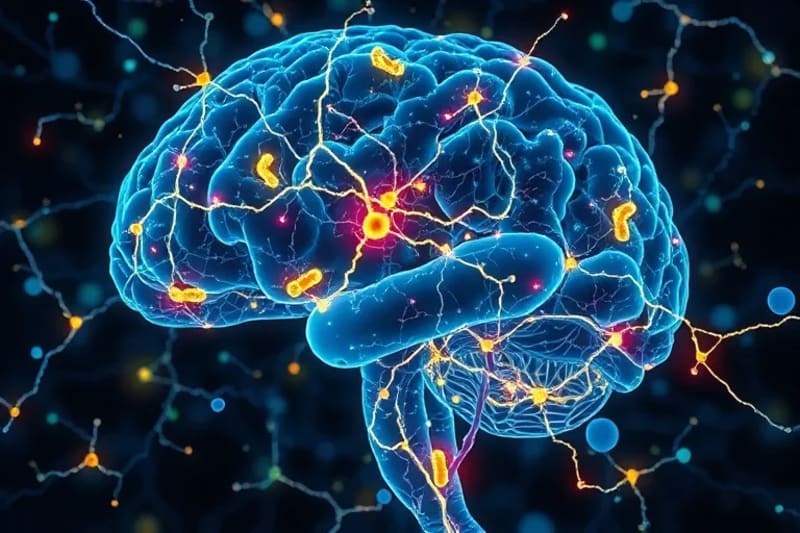
An ethereal depiction of the gut-brain axis, illustrating the complex interplay between the microbiome and neural pathways for mental wellness.
For decades, mental health treatments primarily focused on pharmacological interventions targeting neurotransmitter imbalances in the brain. However, growing scientific evidence highlights the profound influence of the gut microbiome on mood, cognition, and stress response. This realization has paved the way for functional nutrition approaches that leverage the power of psychobiotics to foster a healthier mental state, moving beyond conventional methods to embrace a more holistic understanding of human physiology.
What Exactly Are Psychobiotics?
Psychobiotics are defined as live organisms that, when ingested in adequate amounts, produce a health benefit in patients suffering from psychiatric illness or psychological distress. This definition, coined by Dinan and Cryan in 2013, distinguishes them from general probiotics by their specific, scientifically validated impact on mental health. While all psychobiotics are probiotics, not all probiotics qualify as psychobiotics, emphasizing their targeted therapeutic potential.
The concept extends beyond just live bacteria. Prebiotics, non-digestible food ingredients that selectively stimulate the growth and activity of beneficial microorganisms in the gut, also play a crucial role. By nourishing the existing psychobiotic strains and other beneficial bacteria, prebiotics create an optimal environment for their proliferation, thereby indirectly contributing to mental well-being. This synergistic relationship between prebiotics and probiotics forms the cornerstone of effective psychobiotic interventions, enhancing their efficacy and sustainability.
A macro shot of a vibrant microbial colony, with a delicate sprout emerging, representing the gut's potential for fostering mental growth.
The Intricate Gut-Brain Axis Explained
The gut-brain axis (GBA) is a complex bidirectional communication system that links the central nervous system (CNS) with the enteric nervous system (ENS), which governs the function of the gastrointestinal tract. This intricate network involves multiple pathways, ensuring constant dialogue between the gut and the brain. Understanding these communication channels is fundamental to appreciating how psychobiotics exert their effects on mental health, providing a comprehensive view of this vital biological connection.
Key communication pathways include the vagus nerve, a direct neural link that transmits signals from the gut to the brain. Additionally, gut microbes produce a wide array of neuroactive compounds, including neurotransmitters like serotonin and gamma-aminobutyric acid (GABA), which can influence brain function. The immune system also plays a critical role, as gut dysbiosis can trigger systemic inflammation, which in turn affects neuroinflammation and brain health. Metabolites such as short-chain fatty acids (SCFAs), produced by bacterial fermentation of dietary fiber, further mediate these interactions, impacting brain energy metabolism and neuronal function.
Mechanisms Through Which Psychobiotics Influence the Brain
Psychobiotics employ several sophisticated mechanisms to modulate brain function and improve mental health outcomes. Their actions are multifaceted, extending beyond simple digestive support to directly impact neurological and psychological processes. These mechanisms collectively underscore the profound influence of the gut microbiome on our emotional and cognitive states, offering a compelling argument for their therapeutic application.
- Neurotransmitter Modulation: Many gut bacteria are capable of producing or influencing the precursors of neurotransmitters vital for mood regulation. For instance, a significant portion of the body's serotonin, a key neurotransmitter for happiness and well-being, is produced in the gut. Psychobiotics can enhance the production of these precursors, thereby potentially increasing serotonin availability in the brain.
- Anti-inflammatory Effects: Chronic low-grade inflammation is increasingly linked to various mental health disorders, including depression and anxiety. Psychobiotics can reduce systemic inflammation by strengthening the gut barrier, preventing the leakage of toxins into the bloodstream, and modulating the immune response. This reduction in inflammation can have a direct positive impact on neuroinflammation and overall brain health.
- Stress Response Regulation: The hypothalamic-pituitary-adrenal (HPA) axis is the body's central stress response system. Research suggests that certain psychobiotic strains can modulate the HPA axis, leading to reduced cortisol levels (the stress hormone) and improved resilience to stress. This regulation helps to calm the body's physiological response to stressors, promoting a more balanced mental state.
- Enhancing Gut Barrier Integrity: A compromised gut barrier, often referred to as "leaky gut," allows undigested food particles, toxins, and microbes to enter the bloodstream, triggering inflammation. Psychobiotics help to fortify the gut lining, restoring its integrity and preventing the cascade of inflammatory responses that can negatively impact brain function and mental health.
- Short-Chain Fatty Acid (SCFA) Production: Beneficial gut bacteria ferment dietary fibers to produce SCFAs like butyrate, propionate, and acetate. Butyrate, in particular, is a crucial energy source for colonocytes and has anti-inflammatory properties. These SCFAs can cross the blood-brain barrier and influence brain function, neurogenesis, and neurotransmitter balance, contributing to cognitive and emotional stability.
Key Psychobiotic Strains and Their Therapeutic Potential
Specific strains of bacteria have been identified and studied for their psychobiotic properties, demonstrating varied effects on different aspects of mental health. The efficacy of psychobiotics is highly strain-specific, meaning that the benefits observed with one strain may not be replicated by another, even within the same species. This highlights the importance of precise strain identification in both research and product formulation, ensuring targeted and effective interventions for mental well-being.
A digital painting depicting a serene brain intertwined with natural root systems, illustrating the profound connection between nature, nutrition, and mental balance.
Among the most promising psychobiotic strains are those from the Lactobacillus and Bifidobacterium genera. For example, Lactobacillus helveticus R0052 and Bifidobacterium longum 1714 have been extensively studied for their anxiolytic (anxiety-reducing) and antidepressant-like effects. Other notable strains include Lactobacillus rhamnosus GG, which has shown promise in modulating stress-induced behaviors, and Lactobacillus plantarum, linked to improved cognitive function and reduced symptoms of depression. These specific strains offer a targeted approach to mental health support, moving beyond generalized probiotic benefits.
Prebiotics, such as fructans, galactooligosaccharides (GOS), and inulin, are equally important. They act as selective fuel for beneficial gut bacteria, including psychobiotics, promoting their growth and activity. By incorporating both psychobiotic strains and their prebiotic food sources, a synergistic effect can be achieved, optimizing the gut microbiome's ability to influence mental health. This comprehensive approach ensures a robust and diverse microbial ecosystem, maximizing the therapeutic potential of psychobiotic interventions.
Clinical Evidence and Emerging Research
The scientific community has been actively investigating the efficacy of psychobiotics through various clinical trials and research studies. Early findings have been encouraging, demonstrating the potential of these microbial interventions to alleviate symptoms of anxiety, depression, and stress in human subjects. These studies provide foundational evidence for the therapeutic application of psychobiotics, opening new avenues for mental health treatment and prevention.
For instance, several placebo-controlled trials have reported significant reductions in symptoms of depression and anxiety following supplementation with specific psychobiotic strains. Participants often show improved mood scores, decreased perceived stress, and even changes in brain activity patterns as measured by neuroimaging techniques. Biomarkers of stress, such as salivary cortisol levels, have also been observed to decrease, further supporting the psychobiotic effect on the HPA axis. These consistent findings across diverse populations underscore the robust potential of psychobiotics in clinical settings.
Despite these promising results, the field is still in its nascent stages, and further rigorous research is needed. Challenges include the heterogeneity of study designs, the variability in strains and dosages used, and the need for larger, long-term trials to confirm sustained efficacy and safety. However, the consistent positive trends observed in current research provide a strong impetus for continued exploration, promising a future where psychobiotics play a significant role in personalized mental healthcare. For more insights into the gut-brain connection, explore Functional Nutrition Gut-Brain Axis Mental Health.
Integrating Psychobiotics into a Functional Nutrition Approach
Adopting a functional nutrition approach to mental health means looking beyond isolated nutrients and considering the entire dietary and lifestyle context. Psychobiotics fit perfectly into this framework, offering a targeted yet holistic strategy to support the gut-brain axis. Integration involves both dietary sources and, when necessary, high-quality supplementation, tailored to individual needs and health goals. This personalized approach maximizes the benefits of psychobiotics for optimal mental well-being.
Dietary sources of psychobiotics and prebiotics are abundant and easily accessible. Fermented foods like yogurt, kefir, sauerkraut, kimchi, and kombucha naturally contain beneficial bacteria, some of which may have psychobiotic properties. Incorporating a variety of these foods into the daily diet can help diversify the gut microbiome and provide a steady supply of beneficial microbes. Additionally, a diet rich in fiber from fruits, vegetables, whole grains, and legumes will supply the necessary prebiotics to feed these beneficial bacteria, creating a thriving gut ecosystem.
For more targeted interventions, psychobiotic supplements can be considered. When choosing a supplement, it is crucial to look for products that clearly list specific strains (e.g., Lactobacillus helveticus R0052, Bifidobacterium longum 1714) and their colony-forming unit (CFU) count, ensuring adequate dosage. Third-party testing for purity and potency is also a significant indicator of quality. A holistic functional nutrition plan also emphasizes other lifestyle factors such as stress management, adequate sleep, and regular physical activity, all of which synergistically support gut health and, by extension, mental health. The principles of Precision Functional Nutrition: Metabolomic Biohacking can further refine this approach.
Challenges, Considerations, and Future Perspectives
While the potential of psychobiotics is immense, the field faces several challenges that need to be addressed for their widespread and effective application. These considerations range from regulatory hurdles to the complexities of individual biological responses, all of which shape the future trajectory of psychobiotic research and development. Overcoming these obstacles will be crucial for fully realizing the therapeutic promise of these novel interventions.
One significant challenge is the regulatory landscape. Unlike pharmaceuticals, psychobiotics are often classified as dietary supplements, which typically undergo less stringent testing and approval processes. Establishing clear guidelines for efficacy and safety, particularly for specific mental health indications, is paramount. Moreover, the "one-size-fits-all" approach is unlikely to be effective given the unique nature of each individual's microbiome. Future research will likely focus on personalized medicine, tailoring psychobiotic interventions based on an individual's specific microbial composition and genetic predispositions.
Another area of active investigation involves combination therapies, exploring how psychobiotics can work synergistically with other treatments, both conventional and complementary. The long-term safety and efficacy of psychobiotic use also require more extensive study, particularly in vulnerable populations. As our understanding of the gut-brain axis deepens, psychobiotics are poised to become an integral part of a comprehensive strategy for mental wellness, moving towards a future where nutritional interventions play a central role in psychiatric care. The insights from Neurociencia Humor: Cerebro, Risa y Beneficios para la Salud Mental also highlight the diverse biological factors influencing mental health.
Conclusion: A New Era for Mental Health Nutrition
Psychobiotics represent a groundbreaking frontier in functional nutrition, offering a compelling new avenue for promoting mental health and well-being. By leveraging the intricate connections of the gut-brain axis, these specialized microbial interventions provide a novel approach to addressing conditions like anxiety, depression, and stress. The scientific evidence, though still evolving, consistently points to their significant potential to modulate neurotransmitters, reduce inflammation, and regulate the body's stress response, thereby fostering a more balanced and resilient mental state.
As research continues to unravel the complexities of the microbiome and its profound influence on the brain, psychobiotics are set to become an increasingly vital component of holistic health strategies. Integrating them through both diet and targeted supplementation, within a broader functional nutrition framework, offers a powerful tool for individuals seeking to optimize their mental well-being. This emerging field not only promises new therapeutic options but also fundamentally reshapes our understanding of mental health, emphasizing the interconnectedness of our internal biological systems.
Fuente: Contenido híbrido asistido por IAs y supervisión editorial humana.


Comentarios