
Biohacking Longevity: Deep Cellular Regeneration Strategies
Biohacking Longevity: Deep Cellular Regeneration Strategies
The quest for extended human healthspan and lifespan has transcended traditional medicine, giving rise to advanced biohacking methodologies focused on deep cellular regeneration. Moving beyond mere performance enhancement, modern longevity science aims to reverse biological aging at its fundamental level: the cell. This article delves into the intricate mechanisms and cutting-edge strategies employed in biohacking for profound cellular rejuvenation, exploring pathways that promise not just a longer life, but a healthier, more vibrant existence.
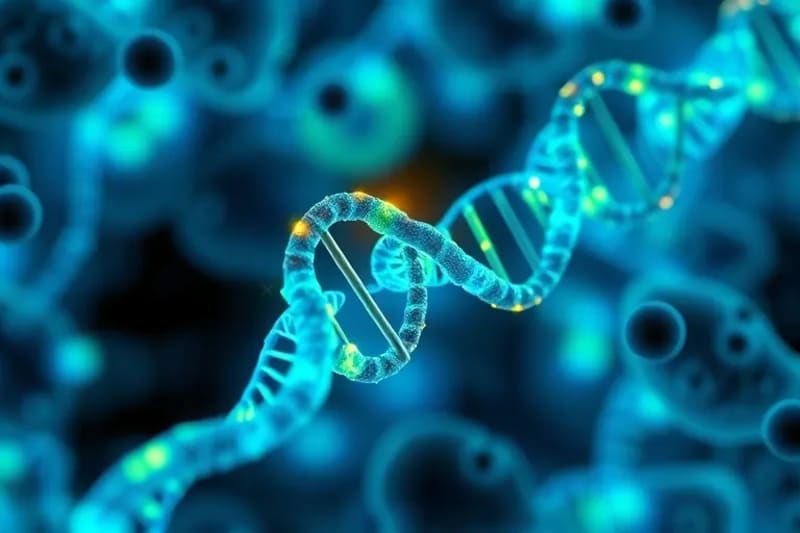
Conceptual visualization of deep cellular regeneration processes, illustrating the intricate dance of DNA repair and nanotechnological interventions for extended healthspan.
Cellular regeneration is not a new concept; our bodies constantly replace and repair cells. However, with age, these processes become less efficient, leading to cellular senescence, mitochondrial dysfunction, and epigenetic alterations. Biohacking for longevity seeks to actively intervene in these age-related declines, utilizing a multidisciplinary approach that combines molecular biology, genetics, nutrition, and advanced technology. This involves precise interventions designed to optimize cellular function, repair damage, and even reverse markers of biological aging.
Table of Contents
Understanding Cellular Senescence and Telomeres
Cellular senescence, often referred to as "zombie cells," is a state where cells stop dividing but remain metabolically active, secreting pro-inflammatory molecules. These senescent cells accumulate with age and contribute significantly to tissue dysfunction, chronic inflammation, and various age-related diseases. Targeting these cells through senolytics (compounds that selectively destroy senescent cells) and senomorphics (compounds that alter their phenotype) represents a cornerstone of regenerative biohacking.
Telomeres, the protective caps at the ends of chromosomes, also play a critical role in cellular aging. Each time a cell divides, telomeres shorten. Once they reach a critically short length, the cell enters senescence or undergoes apoptosis (programmed cell death). Strategies to maintain telomere length, such as activating telomerase (the enzyme responsible for telomere synthesis) or reducing oxidative stress that accelerates telomere shortening, are key areas of research and application in longevity biohacking.
The interplay between telomere attrition and cellular senescence creates a vicious cycle that drives the aging process. Understanding these fundamental mechanisms allows biohackers to develop targeted interventions. For instance, certain lifestyle factors and specific compounds have been shown to influence telomerase activity. This includes compounds like astragaloside IV and cycloastragenol, which are being investigated for their potential telomere-lengthening effects.
Mitochondrial Optimization for Longevity
Mitochondria, often called the "powerhouses of the cell," are crucial for energy production (ATP) and play a central role in cellular health and longevity. Mitochondrial dysfunction is a hallmark of aging, characterized by decreased ATP production, increased reactive oxygen species (ROS), and impaired mitochondrial biogenesis (the creation of new mitochondria). Optimizing mitochondrial function is therefore a primary goal in deep cellular regeneration.
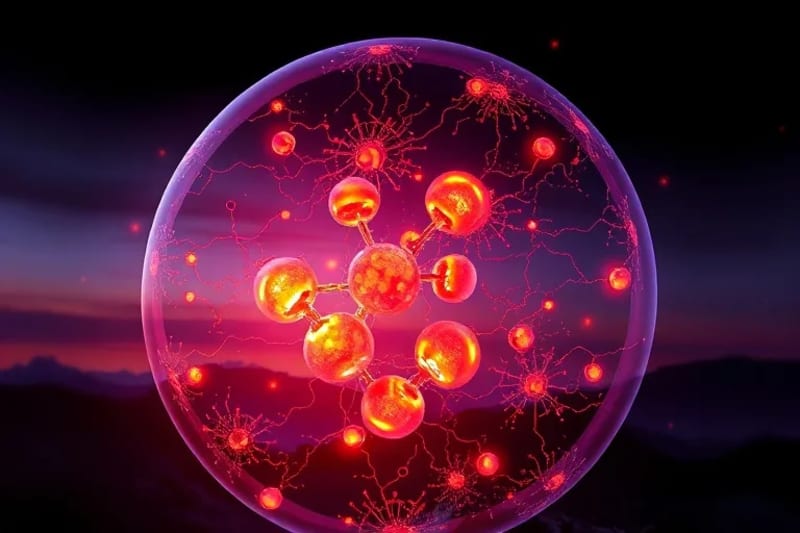
A 3D rendered visualization of mitochondria, highlighting their role as cellular powerhouses and the intricate biochemical pathways involved in energy generation.
Strategies for mitochondrial optimization include:
- NAD+ Precursors: Nicotinamide adenine dinucleotide (NAD+) is a coenzyme vital for mitochondrial function, DNA repair, and sirtuin activity (longevity proteins). Supplementing with precursors like Nicotinamide Mononucleotide (NMN) or Nicotinamide Riboside (NR) can boost NAD+ levels, improving mitochondrial health.
- Mitochondrial Biogenesis Promoters: Compounds like PGC-1alpha activators (e.g., resveratrol) and exercise stimulate the growth of new, healthy mitochondria.
- Antioxidants: While ROS are natural byproducts of metabolism, excessive levels can damage mitochondria. Targeted antioxidants (e.g., CoQ10, alpha-lipoic acid, astaxanthin) can mitigate this damage.
- Mitochondrial Uncouplers: Mild uncoupling can increase metabolic flexibility and reduce ROS production, leading to healthier mitochondria.
Beyond supplementation, practices like intermittent fasting and caloric restriction have been shown to enhance mitochondrial efficiency and promote mitophagy (the selective degradation of damaged mitochondria), leading to a healthier cellular energy landscape. For more on advanced health strategies, explore topics such as Female Hormonal Balance: Functional Nutrition Biohacking, which often intersect with cellular health principles.
Epigenetic Reprogramming and Gene Therapies
Epigenetics refers to heritable changes in gene expression that occur without altering the underlying DNA sequence. As we age, our epigenome can become dysregulated, leading to inappropriate gene activation or silencing, which contributes to cellular dysfunction. Epigenetic reprogramming aims to restore a youthful epigenetic landscape, effectively turning back the biological clock.
Groundbreaking research in this field involves the use of Yamanaka factors (OSKM: Oct4, Sox2, Klf4, c-Myc), which are transcription factors capable of reprogramming somatic cells into induced pluripotent stem cells (iPSCs). While full reprogramming carries risks (e.g., teratoma formation), partial reprogramming strategies are being explored to rejuvenate cells and tissues without losing their identity or function. This involves transient expression of these factors to reset epigenetic clocks.
Gene therapies also hold immense promise for longevity. These therapies involve introducing, removing, or modifying genetic material in cells to treat or prevent disease. For longevity, gene therapies could target specific genes involved in aging pathways, such as those regulating sirtuins, mTOR, or AMPK. For example, gene editing technologies like CRISPR-Cas9 could be used to correct age-related mutations or enhance protective gene expressions. The ethical implications and technological hurdles are significant, but the potential for profound regenerative effects is undeniable.
Nutraceuticals and Advanced Supplementation
The realm of nutraceuticals and advanced supplementation offers accessible pathways for supporting cellular regeneration. These compounds, derived from food sources or synthesized, provide targeted support for various longevity pathways. A comprehensive approach often involves a synergistic combination of several key agents.
Key categories of longevity-focused nutraceuticals include:
- NAD+ Boosters: As mentioned, NMN and NR are crucial for mitochondrial health and DNA repair.
- Sirtuin Activators: Resveratrol, pterostilbene, and fisetin activate sirtuins, a family of proteins linked to longevity, metabolism, and DNA repair.
- AMPK Activators: Metformin (a prescription drug often used off-label for longevity) and berberine activate AMPK, a master regulator of energy metabolism that promotes autophagy and mitochondrial biogenesis.
- Senolytics: Fisetin, quercetin, and dasatinib are examples of compounds being studied for their ability to selectively eliminate senescent cells.
- Methylation Support: Compounds like TMG (trimethylglycine) and SAM-e (S-adenosylmethionine) support healthy methylation cycles, which are vital for epigenetic regulation and overall cellular function.
The efficacy of these supplements can vary greatly depending on individual genetics, lifestyle, and existing health conditions. It's crucial to approach supplementation with a personalized strategy, ideally guided by biomarker testing and professional advice. The field of biohacking often intersects with advanced health analytics, much like the precision required in Ocular Microbiome Biohacking: Visual Health Prevention, where targeted interventions are based on specific biological data.
Lifestyle Interventions for Cellular Health
While advanced supplements and therapies garner significant attention, foundational lifestyle interventions remain paramount for deep cellular regeneration. These practices create an optimal internal environment for cellular repair, rejuvenation, and resilience.
Key lifestyle pillars include:
- Nutrition: A nutrient-dense, anti-inflammatory diet rich in whole foods, antioxidants, and healthy fats is fundamental. Emphasizing plant-based foods, limiting processed sugars, and optimizing macronutrient ratios support cellular health.
- Intermittent Fasting and Caloric Restriction: These dietary patterns activate cellular repair mechanisms like autophagy, improve mitochondrial function, and enhance insulin sensitivity, all contributing to longevity.
- Exercise: Regular physical activity, combining cardiovascular training, strength training, and flexibility, promotes mitochondrial biogenesis, reduces inflammation, and improves overall cellular metabolism.
- Sleep Optimization: High-quality sleep is essential for cellular repair, hormone regulation, and waste clearance (e.g., glymphatic system in the brain). Disrupted sleep accelerates aging processes.
- Stress Management: Chronic stress leads to increased cortisol, inflammation, and oxidative stress, all detrimental to cellular health. Practices like meditation, mindfulness, and spending time in nature can mitigate these effects.
- Environmental Toxin Reduction: Minimizing exposure to environmental pollutants, heavy metals, and endocrine-disrupting chemicals reduces cellular burden and oxidative damage.
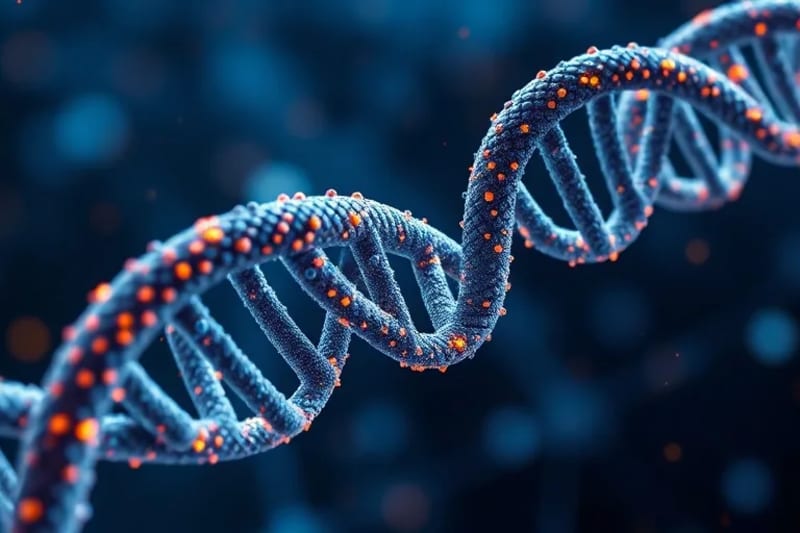
A detailed vector art illustration depicting the precise mechanisms of epigenetic reprogramming on a DNA strand, symbolizing the potential to reset cellular age.
These lifestyle choices are not merely supportive; they are active biohacks that profoundly influence gene expression, cellular signaling pathways, and overall resilience. Integrating these practices forms the bedrock upon which more advanced interventions can build. Understanding the impact of daily habits on cellular health is as critical as understanding complex molecular pathways. For instance, the principles of cellular resilience are also explored in fields like Blockchain in Health: Drug Traceability, Secure Records, where robust systems are built for long-term integrity.
Future Frontiers in Longevity Biohacking
The field of longevity biohacking is rapidly evolving, with new discoveries and technologies emerging constantly. The future promises even more sophisticated approaches to deep cellular regeneration.
Emerging areas include:
- Organ Regeneration and Replacement: Advances in stem cell research, 3D bioprinting, and xenotransplantation aim to replace or regenerate damaged organs, offering a radical solution to age-related organ failure.
- Nanotechnology for Cellular Repair: Nanobots designed to perform precise cellular repairs, deliver therapeutics, or remove cellular debris could revolutionize regenerative medicine.
- AI-Driven Personalized Longevity: Artificial intelligence and machine learning will play a crucial role in analyzing vast amounts of biological data (genomics, proteomics, metabolomics) to create highly personalized and predictive longevity interventions.
- Exosome Therapy: Exosomes, tiny vesicles secreted by cells, carry genetic material and proteins that can influence recipient cells. Exosome therapy holds promise for delivering regenerative signals and repairing damaged tissues.
- CRISPR-Based Therapies: Beyond simple gene editing, CRISPR systems are being developed for epigenetic editing, allowing for precise control over gene expression without altering the DNA sequence itself.
These future frontiers represent a paradigm shift from treating age-related diseases to preventing and even reversing the aging process itself. The integration of advanced diagnostics, personalized medicine, and cutting-edge biotechnology will define the next era of human longevity. The ethical considerations surrounding these powerful technologies are also a critical area of ongoing discussion, mirroring debates in other advanced fields like Ethics of Assisted Reproduction: Advances, Moral Debates.
In conclusion, deep cellular regeneration through biohacking is a multifaceted discipline that combines a profound understanding of molecular biology with actionable interventions. By targeting cellular senescence, optimizing mitochondrial function, leveraging epigenetic reprogramming, and integrating advanced nutraceuticals with foundational lifestyle practices, individuals can actively work towards extending their healthspan and achieving a more robust, youthful biological state. The journey towards radical longevity is not just about adding years to life, but adding life to years, ensuring vitality and resilience at every stage.
Explore More on Longevity & Biohacking
Source: Hybrid content assisted by AI and human editorial supervision.


Comentarios