
Ocular Microbiome Biohacking: Visual Health Prevention
The human body is a complex ecosystem, teeming with trillions of microorganisms that play pivotal roles in health and disease. While the gut microbiome often takes center stage in discussions about microbial influence, other specialized microbial communities, such as the ocular microbiome, are gaining significant scientific attention. This intricate ecosystem on the surface of our eyes is crucial for maintaining visual health, defending against pathogens, and modulating immune responses. Understanding and optimizing this delicate balance through biohacking principles offers a revolutionary approach to preventing and treating a myriad of visual ailments, moving beyond conventional treatments to a more integrative and proactive model of eye care.
A detailed view of the human eye, symbolizing the intricate balance of the ocular microbiome crucial for maintaining optimal visual health and preventing disease.
Ocular microbiome biohacking involves a multi-faceted approach, integrating dietary adjustments, lifestyle modifications, and emerging scientific interventions to foster a robust and resilient microbial environment in and around the eyes. This article delves into the science behind the ocular microbiome, explores practical biohacking strategies, and examines how these integrative methods can contribute to the prevention and treatment of various visual conditions, ultimately enhancing long-term eye health and overall well-being. By adopting a holistic perspective, individuals can empower themselves to cultivate a thriving ocular ecosystem, safeguarding one of their most precious senses.
Table of Contents
- Understanding the Ocular Microbiome
- Biohacking Principles for Ocular Health
- Dietary Interventions for Ocular Microbiome Support
- Lifestyle Modifications for Optimal Eye Microbiota
- Advanced Biohacking Techniques and Emerging Therapies
- Preventing Common Ocular Diseases
- Future Perspectives and Research
Understanding the Ocular Microbiome
The ocular surface, comprising the conjunctiva, cornea, and tear film, hosts a diverse community of microorganisms. Traditionally, the eye was considered a sterile environment, but advanced molecular techniques have revealed a complex and dynamic microbial landscape. This ocular microbiome is primarily composed of bacteria, with genera such as Staphylococcus, Corynebacterium, Propionibacterium, and Streptococcus being commonly identified. Fungi and viruses are also present, though typically in smaller proportions, contributing to the overall microbial diversity.
The role of this microbial community extends beyond mere presence; it actively participates in maintaining ocular homeostasis. A balanced ocular microbiome contributes to the innate immune defense of the eye, helping to prevent the colonization and proliferation of pathogenic microorganisms. These beneficial microbes can compete with pathogens for nutrients and adhesion sites, and some may even produce antimicrobial substances. Furthermore, the ocular microbiome is thought to influence the local immune system, modulating inflammatory responses and contributing to the health of the tear film, which is vital for lubrication and protection.
Several factors can influence the composition and stability of the ocular microbiome. Environmental exposures, such as air pollution, allergens, and climate, play a significant role. Lifestyle choices, including contact lens wear, cosmetic use, and hygiene practices, can also alter the microbial balance. Genetic predispositions and systemic health conditions, particularly those affecting the immune system or inflammatory pathways, further contribute to the unique microbial signature of each individual's eyes. Disruptions to this delicate balance, known as dysbiosis, can lead to increased susceptibility to infections, chronic inflammation, and various ocular surface diseases.
Biohacking Principles for Ocular Health
Biohacking, in the context of ocular health, refers to the practice of making small, incremental changes to one's biology and environment to optimize eye function and prevent disease. It's a proactive and personalized approach that leverages scientific understanding to enhance the body's natural capabilities. For the ocular microbiome, biohacking involves strategies aimed at fostering a diverse and balanced microbial community, thereby strengthening the eye's natural defenses and resilience.
The core principles of ocular biohacking revolve around a holistic view of health, recognizing the interconnectedness of various bodily systems. This includes understanding the gut-eye axis, a complex bidirectional communication pathway where the gut microbiome influences systemic inflammation and immune responses that can impact ocular health. Therefore, optimizing gut health is often a foundational step in ocular biohacking. Key strategies involve:
- Personalization: Recognizing that each individual's microbiome is unique, biohacking emphasizes tailored interventions based on personal health status, genetic predispositions, and environmental factors.
- Data-Driven Decisions: Utilizing available data, from general scientific research to personal observations and, where possible, advanced diagnostics, to guide interventions.
- Proactive Prevention: Focusing on preventing disease and maintaining optimal function rather than solely reacting to symptoms.
- Integrative Approach: Combining conventional medical knowledge with complementary therapies and lifestyle adjustments for comprehensive care.
By applying these principles, individuals can actively work towards creating an internal environment that supports a healthy ocular microbiome, leading to improved visual acuity, reduced risk of infections, and enhanced overall eye comfort. This empowers individuals to take an active role in their eye care, moving beyond passive treatment to active optimization and prevention.
Dietary Interventions for Ocular Microbiome Support
Diet plays a foundational role in shaping both the gut microbiome and, by extension, the ocular microbiome. Nutritional strategies aimed at supporting a healthy microbial balance can significantly impact eye health. Incorporating specific nutrients and food groups can reduce systemic inflammation, provide essential building blocks for ocular tissues, and foster a beneficial microbial environment.
A curated collection of elements representing a holistic approach to eye health, combining nutritional support, technological protection, and natural balance.
Key dietary components for ocular microbiome support include:
- Omega-3 Fatty Acids: Found in fatty fish (salmon, mackerel), flaxseeds, and chia seeds, Omega-3s (especially EPA and DHA) are potent anti-inflammatory agents. They are crucial for maintaining the health of cell membranes, including those in the retina, and can help reduce symptoms of dry eye syndrome by improving tear film quality. Their systemic anti-inflammatory effects can indirectly benefit the ocular microbiome by reducing overall inflammatory load.
- Antioxidants: Lutein and zeaxanthin, abundant in leafy green vegetables (spinach, kale) and colorful fruits (corn, bell peppers), are powerful antioxidants that accumulate in the macula of the eye. They protect the retina from oxidative damage caused by blue light and free radicals. Vitamins C and E, found in citrus fruits, berries, nuts, and seeds, also contribute to antioxidant defense, supporting cellular integrity and immune function crucial for a healthy ocular surface.
- Probiotics and Prebiotics: A healthy gut microbiome is intrinsically linked to overall immune function and systemic inflammation. Consuming probiotic-rich foods (fermented foods like yogurt, kefir, sauerkraut) introduces beneficial bacteria to the gut, while prebiotics (fiber-rich foods like onions, garlic, bananas, oats) feed these beneficial bacteria. By optimizing gut health, we can indirectly support the ocular microbiome through reduced systemic inflammation and a stronger immune response.
- Hydration: Adequate water intake is fundamental for overall health, including eye health. Proper hydration ensures optimal tear production and quality, which is essential for lubricating the eye, flushing out irritants, and maintaining the integrity of the ocular surface where the microbiome resides.
A balanced diet rich in whole foods, healthy fats, and diverse plant matter provides the necessary nutrients and microbial support to foster a resilient ocular environment, contributing significantly to long-term visual health.
Lifestyle Modifications for Optimal Eye Microbiota
Beyond diet, daily lifestyle choices profoundly impact the ocular microbiome and overall eye health. Implementing thoughtful modifications can minimize disruptive factors and promote a stable, beneficial microbial community on the eye's surface. These adjustments are often simple yet highly effective in supporting long-term visual well-being.
Key lifestyle modifications include:
- Screen Time Management and Blue Light Protection: Prolonged exposure to digital screens can lead to digital eye strain (DES), characterized by dry eyes, irritation, and fatigue. This can disrupt the tear film and potentially alter the ocular surface environment. Implementing the "20-20-20 rule" (every 20 minutes, look at something 20 feet away for 20 seconds) and using blue-light-blocking glasses or screen filters can reduce strain and protect ocular tissues.
- Hygiene Practices: Proper eye hygiene is critical, especially for contact lens wearers and makeup users.
- Contact Lenses: Always wash hands thoroughly before handling lenses. Use fresh solution daily, replace lens cases regularly, and adhere to recommended replacement schedules for lenses. Improper contact lens hygiene is a major risk factor for ocular infections and dysbiosis.
- Makeup: Ensure makeup products are not expired, avoid sharing, and remove all eye makeup thoroughly before sleep. Old or contaminated makeup can introduce harmful bacteria to the ocular surface.
- Environmental Factors: The air we breathe and the environment we inhabit directly interact with our eyes.
- Air Quality: Exposure to pollutants, smoke, and dry air can irritate the eyes and disrupt the tear film. Using air purifiers, humidifiers, and avoiding smoky environments can help.
- Allergens: Managing allergies through avoidance, medication, or immunotherapy can reduce chronic inflammation on the ocular surface, which can otherwise compromise microbial balance.
- Sleep Quality: Adequate and restorative sleep is essential for ocular health. During sleep, the eyes undergo repair processes, and the tear film is replenished. Poor sleep can lead to dry eyes, inflammation, and reduced immune function, potentially impacting the ocular microbiome's resilience. Aim for 7-9 hours of quality sleep per night.
By consciously integrating these lifestyle adjustments, individuals can create a more protective and nurturing environment for their ocular microbiome, reducing the risk of common eye discomforts and diseases.
Advanced Biohacking Techniques and Emerging Therapies
As our understanding of the ocular microbiome deepens, advanced biohacking techniques and emerging therapies are being developed to more directly influence its composition and function. These cutting-edge approaches aim to provide targeted support and interventions for specific ocular conditions, moving towards personalized and precision eye care.
Some of these advanced strategies include:
- Targeted Topical Probiotics/Prebiotics: Similar to gut health, the concept of directly applying beneficial microbes or their food sources to the ocular surface is gaining traction. Research is exploring the development of probiotic eye drops containing specific bacterial strains known to promote ocular health or combat pathogens. Prebiotic eye drops, designed to nourish existing beneficial bacteria, are also being investigated. These targeted interventions could help restore balance in cases of dysbiosis, such as in chronic dry eye or recurrent infections.
- Light Therapy: Specific wavelengths of light, such as red light therapy (photobiomodulation), are being studied for their potential to stimulate cellular repair, reduce inflammation, and improve mitochondrial function in ocular tissues. While not directly targeting the microbiome, by enhancing the health and resilience of the ocular surface cells, light therapy could indirectly create a more favorable environment for beneficial microorganisms and improve immune responses.
- Nutraceuticals and Specialized Supplements: Beyond general dietary recommendations, specific nutraceutical formulations are being developed to support ocular health. These might include specialized blends of antioxidants, anti-inflammatory compounds, or ingredients designed to support tear film production or nerve function. Personalized nutraceutical regimens, guided by individual needs and potential deficiencies, can offer targeted support.
- Personalized Medicine Approaches (Genomics and Metabolomics): The future of ocular microbiome biohacking lies in highly personalized interventions. Genomic sequencing can identify individual genetic predispositions to certain eye conditions and how one might respond to specific nutrients or environmental factors. Metabolomics can provide insights into the biochemical pathways active on the ocular surface, helping to identify imbalances and tailor interventions, including specific microbial strains or metabolites, for optimal outcomes.
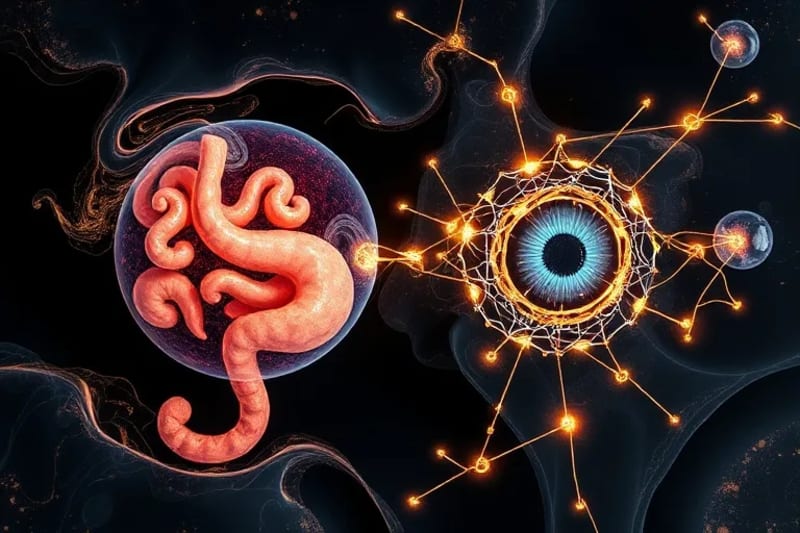
An abstract visualization of the intricate biological link between the gut and the eye, highlighting the importance of the gut-eye axis in overall ocular health.
These advanced techniques represent the forefront of integrative eye care, offering promising avenues for more effective prevention and treatment of a wide range of ocular conditions by directly or indirectly modulating the ocular microbiome.
Preventing Common Ocular Diseases
A well-balanced ocular microbiome acts as a critical line of defense against various common eye diseases. By actively supporting this microbial ecosystem through biohacking strategies, individuals can significantly reduce their risk of developing or exacerbating these conditions. The preventive power lies in strengthening the eye's natural immunity and maintaining a healthy ocular surface environment.
Here's how ocular microbiome biohacking can help prevent specific conditions:
- Dry Eye Syndrome (DES): Dysbiosis of the ocular microbiome can contribute to chronic inflammation and tear film instability, key factors in DES. By promoting a healthy microbial balance through diet (Omega-3s, hydration), lifestyle (screen time management, humidifiers), and potentially topical probiotics, the integrity of the tear film can be improved, reducing symptoms of dryness, irritation, and discomfort.
- Conjunctivitis (Pink Eye): Both bacterial and viral conjunctivitis can be more frequent or severe when the ocular microbiome is imbalanced. A robust community of beneficial bacteria can outcompete pathogenic invaders and bolster the eye's immune response, making it less susceptible to infections. Good hygiene practices are paramount in prevention.
- Blepharitis: This common inflammation of the eyelids is often associated with an overgrowth of bacteria (e.g., Staphylococcus) or mites (Demodex). Maintaining a healthy ocular microbiome can help keep these populations in check. Eyelid hygiene, dietary anti-inflammatories, and targeted topical treatments may be part of a comprehensive biohacking approach to prevent blepharitis flare-ups.
- Corneal Infections (Keratitis): These can be severe and vision-threatening. While often associated with contact lens misuse, a compromised ocular microbiome can increase vulnerability. Strengthening the eye's natural defenses through a balanced microbial environment can provide an additional layer of protection against opportunistic pathogens that might otherwise cause keratitis.
By adopting a proactive approach to ocular microbiome health, individuals can build a stronger, more resilient ocular surface, significantly lowering their risk for these and other common eye ailments, and promoting long-term visual comfort and clarity.
Future Perspectives and Research
The field of ocular microbiome research is rapidly expanding, promising exciting advancements in eye care. Future perspectives point towards a more nuanced understanding of microbial interactions on the ocular surface and their systemic connections, paving the way for highly personalized and effective therapeutic strategies. Ongoing studies are exploring the precise composition of the healthy ocular microbiome across diverse populations, as well as specific microbial signatures associated with various ocular diseases.
Key areas of future research and development include:
- Advanced Diagnostics: Development of non-invasive, high-throughput sequencing technologies to rapidly and accurately characterize an individual's ocular microbiome. This will enable clinicians to identify dysbiosis early and tailor interventions more effectively.
- Novel Therapeutic Agents: Creation of highly specific probiotic strains for ocular application, as well as prebiotics and postbiotics (beneficial compounds produced by microbes) designed to modulate the ocular microbiome. Phage therapy, using viruses that specifically target pathogenic bacteria, also holds promise for treating resistant ocular infections.
- Understanding the Ocular Virome and Mycobiome: While bacterial communities have received much attention, the roles of viruses (virome) and fungi (mycobiome) on the ocular surface are less understood. Future research will likely explore their contributions to ocular health and disease, opening new avenues for intervention.
- Systemic Connections: Further elucidation of the intricate gut-eye axis and other systemic connections (e.g., skin-eye axis, oral-eye axis) will provide a more comprehensive understanding of how distant microbial communities influence ocular health, leading to integrated treatment approaches.
- Personalized Prevention: Leveraging AI and machine learning to analyze individual genetic data, lifestyle factors, and microbiome profiles to predict disease risk and recommend highly personalized preventive strategies, moving towards truly predictive and preventive eye care.
These advancements hold the potential to revolutionize how we prevent, diagnose, and treat ocular diseases, shifting towards a more holistic, microbiome-centered approach that optimizes visual health for all.
In conclusion, the ocular microbiome is a vital, dynamic ecosystem that profoundly influences our visual health. By embracing the principles of biohacking—through informed dietary choices, mindful lifestyle modifications, and an openness to emerging scientific therapies—individuals can actively cultivate a resilient and balanced microbial environment on their eyes. This proactive approach not only helps prevent common ocular diseases like dry eye, conjunctivitis, and blepharitis but also contributes to enhanced overall eye comfort and long-term visual well-being. As research continues to unravel the complexities of this fascinating microbial world, the future of eye care promises increasingly personalized and integrative strategies, empowering us all to safeguard our precious sense of sight with greater precision and efficacy.
Fuente: Contenido híbrido asistido por IAs y supervisión editorial humana.


Comentarios