
Narrative Medicine Humanizing Digital Health Ethics
The rapid advancement of digital health technologies has revolutionized healthcare delivery, offering unprecedented opportunities for accessibility, efficiency, and personalized care. However, this technological surge also presents a critical challenge: maintaining the human element in an increasingly digitized environment. Narrative medicine emerges as a powerful framework to address this, advocating for the integration of patients' stories and experiences into clinical practice, even within digital platforms. Its core principle is that understanding the patient's narrative is as vital as their clinical data for effective and compassionate care.
This article explores the pivotal role of narrative medicine in humanizing digital health. We will delve into its ethical implications, examining how patient autonomy, privacy, and equity can be upheld in digital spaces. Furthermore, we will highlight the therapeutic benefits of incorporating narrative approaches, such as enhanced patient engagement, improved diagnostic accuracy, and strengthened therapeutic relationships. By bridging the gap between technology and human experience, narrative medicine offers a pathway to a more empathetic, effective, and ethically sound digital healthcare future.

Digital empathy: A healthcare professional engages with a patient via a tablet, emphasizing human connection in virtual care settings.
1. Understanding Narrative Medicine
Narrative medicine, a field pioneered by Dr. Rita Charon at Columbia University, emphasizes the importance of understanding and interpreting the stories of patients. It recognizes that illness is not merely a biological phenomenon but a profound human experience, deeply embedded in personal context, culture, and individual meaning. This approach moves beyond a purely biomedical model to embrace the subjective realities of those seeking care.
The practice of narrative medicine involves specific skills such as attentive listening, reflective writing, and the ability to recognize, absorb, interpret, and be moved by the stories of illness. Healthcare professionals trained in narrative medicine learn to see the patient as a whole person, not just a collection of symptoms or a case study. This holistic perspective fosters a deeper, more empathetic connection between patient and provider, leading to more comprehensive and compassionate care.
Key components of narrative medicine include:
- Attention: The capacity to observe and perceive the patient's verbal and non-verbal cues.
- Representation: The ability to accurately document and reflect on the patient's story.
- Affiliation: The development of empathy and connection with the patient through their narrative.
- Narrative Competence: The skill to understand and respond to the complex stories of illness.
By cultivating these skills, practitioners can better understand the patient's perspective, their fears, hopes, and values, which are crucial for tailoring effective treatment plans and providing genuine support. This human-centered approach ensures that care remains personalized and respectful of individual experiences.
2. Digital Health: Evolution and Impact
Digital health encompasses a broad spectrum of technologies, including mobile health (mHealth), health information technology (HIT), wearable devices, telehealth, and personalized medicine. Its evolution has been driven by the desire to improve healthcare access, reduce costs, enhance quality, and empower patients with more control over their health data. From electronic health records (EHRs) to AI-powered diagnostics, digital tools are reshaping every facet of the healthcare ecosystem.
The impact of digital health is profound and multifaceted. Telemedicine, for instance, has broken down geographical barriers, making specialist consultations available to remote populations. Wearable devices continuously monitor vital signs, enabling proactive management of chronic conditions and early detection of health issues. Artificial intelligence and machine learning are transforming diagnostics, drug discovery, and personalized treatment recommendations, promising a future of highly individualized care.
However, the rapid digitization also brings challenges. Concerns about data privacy and security are paramount, as sensitive health information is increasingly stored and transmitted digitally. The digital divide exacerbates health inequities, as not everyone has equal access to technology or the literacy required to use it effectively. Moreover, the focus on data points and algorithms can sometimes overshadow the human experience of illness, leading to a depersonalized approach to care.
The integration of technology must be carefully managed to ensure that it augments, rather than replaces, the essential human connection in healthcare. This balance is where narrative medicine offers invaluable guidance. For more insights into the intersection of technology and well-being, explore Biohacking Hormonal Longevidad Extrema Genómica Celular.
3. The Intersection: Narrative Medicine in Digital Health
The convergence of narrative medicine and digital health creates a powerful synergy that can humanize technological interventions. Instead of viewing digital tools as mere data collection instruments, narrative medicine encourages their use as platforms for storytelling, reflection, and empathetic engagement. This integration can manifest in various forms, from digital journaling applications to AI-powered conversational agents designed to elicit and process patient narratives.
For instance, secure online portals can facilitate asynchronous communication where patients share their daily experiences, symptoms, and emotional states through written narratives or voice recordings. These digital stories can provide healthcare providers with a richer, more contextual understanding of the patient's journey, complementing the quantitative data from wearables or EHRs. This approach allows for continuous, nuanced monitoring that a brief in-person consultation might miss.

Intertwined narratives: A visual representation of how human stories merge with digital data in modern healthcare.
Moreover, AI and natural language processing (NLP) can be trained to identify key themes, emotional cues, and patterns within patient narratives. This does not replace human interpretation but rather augments it, helping clinicians quickly grasp the essence of a patient's story, especially in high-volume settings. The goal is to use technology to enhance, not diminish, the clinician's narrative competence.
The challenges lie in designing these digital tools to be intuitive, secure, and genuinely supportive of narrative sharing, rather than creating additional burdens for patients or providers. The focus should always be on facilitating human connection and understanding, even when mediated by technology. This blend promises a more holistic and patient-centered digital health experience.
4. Ethical Considerations in Digital Narrative Care
Integrating narrative medicine into digital health raises several critical ethical considerations that must be carefully addressed. The sensitive nature of personal health narratives demands robust protections for privacy, data security, and patient autonomy. Without these safeguards, the very humanizing intent of narrative medicine could be undermined.
Key ethical challenges include:
- Data Privacy and Confidentiality: Ensuring that patient narratives, often deeply personal, are protected from unauthorized access, breaches, and misuse.
- Informed Consent: Clearly explaining to patients how their narratives will be used, stored, and shared, and obtaining explicit consent for each specific application.
- Algorithmic Bias: Addressing the potential for AI and NLP algorithms to misinterpret or misrepresent narratives, particularly from diverse cultural or linguistic backgrounds.
- Digital Divide and Equity: Preventing narrative medicine from becoming exclusive to those with digital access and literacy, thereby exacerbating health disparities.
- Authenticity and Manipulation: Guarding against the potential for digital platforms to inadvertently encourage curated or inauthentic narratives, or for systems to manipulate patient stories.
To mitigate these risks, ethical guidelines and regulatory frameworks must evolve alongside technological advancements. Transparency in data handling, robust encryption, and continuous auditing of AI algorithms are essential. Furthermore, healthcare providers must be trained not only in using digital tools but also in the ethical implications of collecting and interpreting digital narratives. The human element extends to the ethical stewardship of these powerful personal stories.
The General Data Protection Regulation (GDPR) Article 9, concerning the processing of special categories of personal data, explicitly includes health data. It states that "Processing of personal data revealing racial or ethnic origin, political opinions, religious or philosophical beliefs, or trade union membership, and the processing of genetic data, biometric data for the purpose of uniquely identifying a natural person, data concerning health or data concerning a natural person's sex life or sexual orientation shall be prohibited."
However, exceptions exist, such as when processing is necessary for the purposes of preventive or occupational medicine, for the assessment of the working capacity of the employee, medical diagnosis, the provision of health or social care or treatment or the management of health or social care systems and services on the basis of Union or Member State law or pursuant to contract with a health professional and subject to the conditions and safeguards referred to in paragraph 3.
Adherence to regulations like GDPR and HIPAA is crucial, but ethical considerations extend beyond legal compliance. They require a commitment to human dignity and respect in every digital interaction. Understanding the broader context of digital ethics can be found in discussions around Metaverse Digital Law: Property, Identity, Jurisdiction, which share similar challenges in data governance.
5. Therapeutic Benefits and Patient Empowerment
Beyond ethical compliance, the integration of narrative medicine into digital health offers significant therapeutic benefits for patients and enhances their empowerment. When patients are given a platform to share their stories, they often experience a sense of validation, improved self-awareness, and a stronger sense of agency over their health journey. This can lead to better adherence to treatment plans and more active participation in decision-making.
Specific therapeutic advantages include:
- Enhanced Patient Engagement: Digital tools can make it easier for patients to regularly contribute to their health narrative, fostering a continuous dialogue with their care team.
- Improved Diagnostic Accuracy: Rich narratives provide contextual clues that might be missed in standard clinical questionnaires, leading to more precise diagnoses, especially for complex or rare conditions.
- Strengthened Therapeutic Relationship: When providers actively listen and respond to digital narratives, it builds trust and rapport, making patients feel heard and valued.
- Emotional Processing and Resilience: The act of articulating one's illness experience, even digitally, can be therapeutic, helping patients process emotions, find meaning, and build resilience.
- Personalized Care Plans: Narratives inform highly individualized care plans that address not just the disease but also its impact on the patient's life, goals, and values.
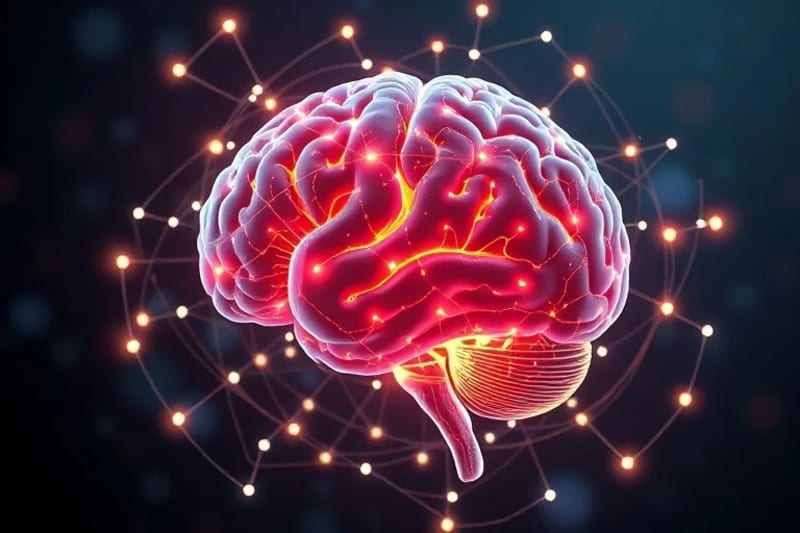
Cognitive support: A conceptual image showing digital devices enhancing mental well-being and brain health through personalized care.
Digital platforms can also facilitate peer support groups where patients with similar conditions can share their stories and coping strategies, creating a sense of community and reducing feelings of isolation. This collective narrative experience can be incredibly empowering, transforming individual struggles into shared strength. The focus on patient empowerment is also a key aspect of the Metaverse Law: Jurisdiction, Virtual Property, Legal Challenges and individual agency in health decisions.
6. Implementation Strategies and Future Outlook
Successful integration of narrative medicine into digital health requires thoughtful implementation strategies. It's not enough to simply digitize existing processes; rather, it demands a re-imagining of how technology can serve the human story. Training healthcare professionals in narrative competence, specifically within digital contexts, is a foundational step. This includes teaching them how to interpret digital narratives, engage empathetically through screens, and recognize the limitations of technology.
Developing user-friendly digital tools that prioritize narrative sharing is also crucial. These tools should be designed with patient input, ensuring they are accessible, intuitive, and secure. Examples include:
- Secure Patient Portals: Features for structured and unstructured narrative input, allowing patients to write, record audio, or even upload short video clips.
- AI-Assisted Narrative Analysis: Tools that help providers quickly identify key themes, emotional states, and potential concerns from large volumes of patient-generated text, without losing nuance.
- Digital Storytelling Platforms: Applications that enable patients to create multimedia narratives about their health journey, which can be shared with consent for educational or therapeutic purposes.
- Virtual Reality (VR) and Augmented Reality (AR): Immersive environments for narrative therapy, allowing patients to visualize and interact with their stories in new ways.
The future outlook for narrative medicine in digital health is promising. As technology becomes more sophisticated and integrated into daily life, the opportunities to capture, share, and understand human stories in healthcare will expand. This evolution will likely lead to more predictive and preventive care models, where early narrative cues can signal emerging health issues or psychological distress. The focus will shift from treating disease to supporting overall well-being, with the patient's narrative at the center.
Ultimately, the goal is to create a digital health ecosystem where technology serves as a bridge, not a barrier, to human connection and understanding. By embracing narrative medicine, we can ensure that the promise of digital health is fully realized, leading to a healthcare system that is not only efficient and effective but also deeply compassionate and human-centered. This holistic approach is vital for the future of patient care. A foundational understanding of the body's complex systems, such as the skin microbiota, further underscores the need for comprehensive patient narratives.
Fuente: Contenido híbrido asistido por IAs y supervisión editorial humana.


Comentarios