
AI Precision Fitness: Adaptive Training Elite Athletes
The Revolution of AI in Elite Athletic Training
The landscape of elite athletic training is undergoing a profound transformation, driven by the integration of Artificial Intelligence (AI) and advanced data analytics. This paradigm shift, often referred to as precision fitness, moves beyond traditional, one-size-fits-all training methodologies to embrace highly individualized, adaptive programs. For athletes competing at the highest levels, where marginal gains can dictate success or failure, AI offers an unprecedented ability to optimize every facet of preparation, performance, and recovery.
AI's capacity to process vast amounts of complex data, identify intricate patterns, and make predictive recommendations is proving invaluable in sports science. It allows coaches and sports scientists to move from reactive adjustments to proactive, data-driven interventions, tailoring regimens to an athlete's unique physiological responses, genetic predispositions, and real-time performance metrics. This article delves into how AI is redefining adaptive training for elite athletes, exploring its core components, benefits, challenges, and the exciting future it promises for human athletic potential.
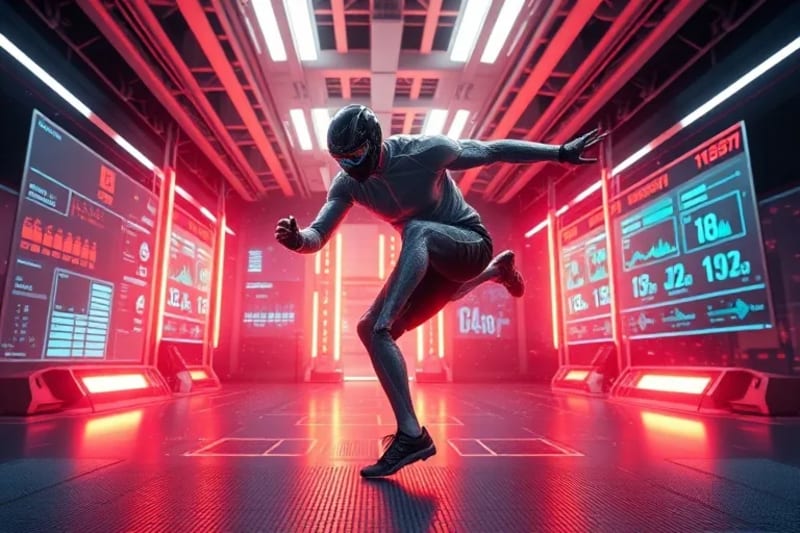
AI-driven training environments are revolutionizing how elite athletes prepare, integrating real-time data for peak performance optimization.
The Evolution of Training: From Intuition to Algorithms
Historically, athletic training relied heavily on coaches' experience, intuition, and established methodologies. While effective to a degree, these approaches often lacked the granular detail and predictive power necessary to fully unlock an athlete's potential. The advent of digital tools and wearable technology marked the first step towards a more data-informed approach, but it was the integration of AI that truly unleashed the power of this collected information.
AI algorithms can sift through massive datasets – including biometric data, performance statistics, sleep patterns, nutritional intake, and even psychological states – to identify subtle correlations and causal relationships that human analysis might miss. This capability allows for the creation of truly dynamic training plans that adapt not just weekly or daily, but in real-time, responding to an athlete's immediate physiological and psychological state. The shift is from a static blueprint to a living, evolving training ecosystem.
Core Components of AI-Powered Precision Fitness
Precision fitness, powered by AI, is built upon several interconnected pillars:
- Advanced Data Collection via Wearables and Sensors: Modern elite athletes are often equipped with an array of sensors, from smartwatches and heart rate monitors to GPS trackers and biomechanical sensors embedded in clothing or equipment. These devices continuously collect data on heart rate variability, sleep quality, training load, speed, power output, movement patterns, and more.
- Machine Learning for Performance Analysis: Raw data is only useful once processed. Machine learning algorithms analyze these vast datasets to identify performance trends, detect early signs of fatigue or overtraining, and predict injury risk. They can compare an athlete's current state against historical benchmarks and population data to provide context and actionable insights. This is akin to the complex data analysis seen in fields like Bioinformatics: Intersection of Biology and Data Science, where patterns in biological data reveal critical insights.
- Personalized Program Generation: Based on the analytical output, AI systems can generate highly customized training programs. These programs consider an athlete's specific goals, strengths, weaknesses, recovery status, and even upcoming competition schedules. The AI can recommend specific exercises, sets, reps, intensity levels, and rest periods, optimizing for maximum adaptation and minimal risk.
- Real-time Feedback and Adaptive Adjustments: During a training session, AI can provide immediate feedback through smart devices, guiding an athlete on form, effort, and pace. If an athlete is underperforming or showing signs of strain, the AI can suggest real-time modifications to the workout, ensuring safety and continued effectiveness. This dynamic adaptation is a cornerstone of true precision training.
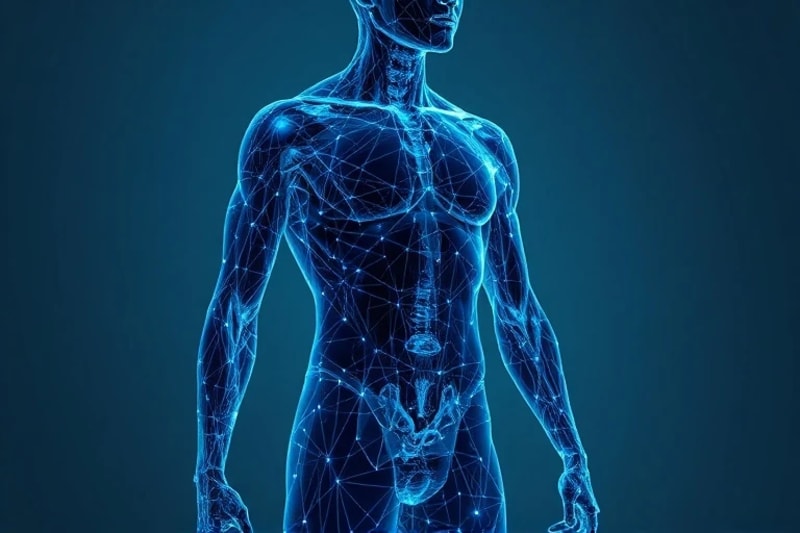
Complex algorithms and data streams are at the heart of personalized adaptive training, optimizing every aspect of an athlete's regimen.
Benefits for Elite Athletes and Sports Organizations
The advantages of integrating AI into elite athletic training are multifaceted and impactful:
- Optimized Performance: By precisely tailoring training loads and recovery periods, AI ensures athletes are always training at their optimal intensity, maximizing physiological adaptations and peak performance at critical times, such as competitions.
- Enhanced Injury Prevention: AI's ability to detect subtle changes in biomechanics, fatigue markers, and training stress allows for early identification of potential injury risks. This proactive approach enables coaches to modify training before an injury occurs, significantly reducing downtime and extending careers.
- Accelerated Recovery: Beyond training, AI monitors sleep quality, heart rate variability, and other recovery indicators to recommend personalized recovery strategies, including nutrition, hydration, and active recovery protocols. This speeds up the body's repair processes and prepares the athlete for the next session.
- Strategic Game Planning and Scouting: AI can analyze opponent data, identify weaknesses, and simulate game scenarios, providing athletes and teams with a strategic edge. This extends beyond individual training to team dynamics and competitive strategy.
- Objective Decision-Making: AI removes much of the guesswork from coaching, providing objective, data-backed recommendations. This allows coaches to make more informed decisions about training adjustments, athlete rotation, and overall strategy.
Challenges and Ethical Considerations
Despite its immense potential, the widespread adoption of AI in precision fitness presents several challenges and ethical dilemmas that must be addressed:
One of the most significant concerns is data privacy and security. Elite athletes generate highly sensitive personal and performance data. Ensuring this data is protected from breaches, misuse, or unauthorized access is paramount. Robust encryption, strict access controls, and transparent data usage policies are essential to build trust and maintain athlete confidentiality.
Another challenge lies in algorithmic bias. If AI models are trained on biased datasets, they may perpetuate or even amplify existing inequalities, leading to suboptimal or unfair recommendations for certain groups of athletes. Developers must ensure diverse and representative data is used for training to mitigate this risk. The very foundation of computational thinking, as explored by pioneers like Ada Lovelace, whose work laid the groundwork for algorithmic processes, underscores the importance of careful design in such systems.
The balance between human expertise and AI automation is also critical. While AI can provide unparalleled insights, the human element of coaching – empathy, motivation, and nuanced understanding of an athlete's psychological state – remains irreplaceable. AI should be viewed as a powerful tool to augment human decision-making, not replace it. Developing Realidad Aumentada Gamificación Educación: Aprendizaje Inmersivo, such as adaptability and critical thinking, becomes even more important for coaches working with AI systems.
Finally, accessibility and cost can limit the reach of advanced AI precision fitness solutions. Currently, these technologies are often expensive and primarily available to elite organizations. Efforts must be made to democratize access, ensuring that the benefits of AI-powered training can extend to a broader range of athletes and sports programs.

AI-guided rehabilitation and recovery spaces are becoming integral to maintaining athlete health and accelerating their return to peak condition.
Future Outlook: The Evolution of Athletic Potential
The trajectory of AI in precision fitness points towards an even more integrated and sophisticated future. We can anticipate advancements in several key areas:
- Hyper-Personalization: Future AI systems will likely incorporate even more granular data, including genetic information and real-time biochemical markers, to create truly hyper-personalized training and nutritional plans that adapt at a cellular level.
- Predictive Analytics for Career Longevity: AI will become even more adept at predicting long-term career trajectories, identifying potential burnout, and recommending interventions to extend an athlete's active years while maintaining health.
- Virtual and Augmented Reality Integration: Training environments will become increasingly immersive, with VR/AR overlays providing real-time performance metrics, virtual opponents, and simulated competition scenarios, all guided by AI.
- Cognitive Training: Beyond physical conditioning, AI will play a greater role in cognitive training, enhancing an athlete's decision-making speed, spatial awareness, and mental resilience through tailored brain exercises and biofeedback.
- Ethical AI and Governance: As AI becomes more pervasive, there will be a greater emphasis on developing ethical guidelines and regulatory frameworks to ensure fair, transparent, and responsible use of these powerful technologies in sports.
Conclusion: Redefining the Limits of Human Performance
Artificial Intelligence is not merely an enhancement but a fundamental redefinition of elite athletic training. By transforming raw data into actionable insights, AI empowers coaches and athletes to unlock unprecedented levels of performance, minimize injury risks, and accelerate recovery. While challenges related to data privacy, bias, and the human-AI interface remain, the ongoing evolution of these technologies promises a future where human athletic potential is not just optimized, but continually expanded.
The journey towards fully integrated AI precision fitness is dynamic and complex, requiring continuous innovation, ethical consideration, and a collaborative spirit between technologists, sports scientists, and athletes. As we move forward, AI will undoubtedly continue to push the boundaries of what is possible in sports, leading to healthier, more resilient, and ultimately, more successful athletes across all disciplines.
Table of Contents
The Evolution of Training: From Intuition to Algorithms
Core Components of AI-Powered Precision Fitness
Benefits for Elite Athletes and Sports Organizations
Challenges and Ethical Considerations
Related Searches & Further Reading
Explore more topics related to technology, sports science, and human performance:
Althox Live-Update:
- Startup Funding: From Seed to Series A
- Climate Litigation: Rise of Environmental Law Against Corporations
- Electronic Promissory Notes: Digitalization of Securities
- Humanitarian Aid Technology: Innovation, NGO Coordination in Crisis
- Chemistry of Nature's Colors: Pigments and Optical Phenomena
AstroFuturo:
- Chinese Love Compatibility: Deep Relationship Analysis
- Midpoints in Natal Chart: Hidden Personality Dynamics Revealed
- Viking Runes: Oracle, Magic, and Ancestral Protection
Profecías de la Virgen:
- Marian Promises: Global Discernment 21st Century
- Virgin Mary: Co-Redemptrix and Mediatrix of All Graces
StarPluto:
Source: Hybrid content assisted by AI and human editorial supervision.


Comentarios