
Bio-inspired Business Models: Sustainable Innovation Startups Thrive
In an era defined by rapid technological advancement and increasing environmental consciousness, the business landscape is continually evolving. Startups, with their inherent agility and drive for innovation, are uniquely positioned to spearhead transformative change. One of the most compelling and sustainable pathways to innovation lies in bio-inspired business models, leveraging the ancient wisdom embedded in nature through the practice of biomimicry.
Biomimicry, derived from the Greek words "bios" (life) and "mimesis" (imitation), is an approach to innovation that seeks sustainable solutions to human challenges by emulating nature's time-tested patterns and strategies. For startups, this isn't just an ethical choice; it's a strategic imperative that can unlock unparalleled creativity, efficiency, and market differentiation. By observing how nature solves problems—from energy efficiency to material science and waste management—entrepreneurs can design products, processes, and entire business ecosystems that are inherently more resilient, resource-efficient, and environmentally benign.
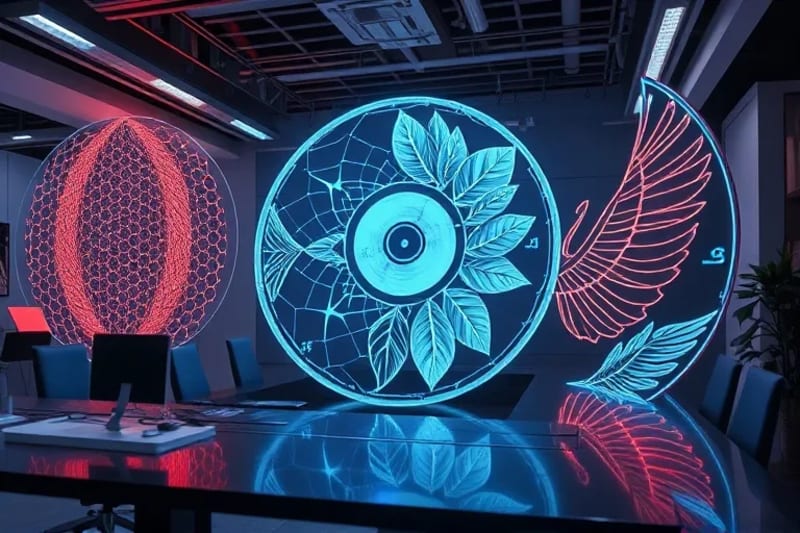
Integrating nature's efficient designs into modern business strategies for sustainable innovation.
This article delves into the fascinating world of bio-inspired business models, exploring how biomimicry serves as a powerful strategy for startups aiming to build sustainable, innovative, and impactful enterprises. We will uncover the core principles, practical applications, and the distinct advantages that biomimicry offers to the entrepreneurial ecosystem, guiding new ventures toward a future where business thrives in harmony with the planet.
Table of Contents
- Understanding Bio-Inspired Business Models: The Essence of Biomimicry
- Key Principles of Biomimicry for Sustainable Innovation
- Why Startups Are Ideal Candidates for Biomimicry
- Practical Applications: Biomimicry in Action for Startups
- Implementing Biomimicry: A Step-by-Step Guide for Entrepreneurs
- Challenges and Future Prospects of Bio-Inspired Innovation
- Frequently Asked Questions About Bio-Inspired Business Models
Understanding Bio-Inspired Business Models: The Essence of Biomimicry
At its core, a bio-inspired business model integrates principles observed in natural systems into its fundamental operations, product design, and strategic thinking. It moves beyond simply being "green" or eco-friendly; it's about fundamentally rethinking how value is created and delivered by drawing lessons from 3.8 billion years of evolutionary research and development. Nature operates on principles of efficiency, resilience, and regeneration, offering a blueprint for businesses that aspire to be truly sustainable and innovative.
Biomimicry isn't just about copying a shape or a function; it's about understanding the underlying strategies. For instance, a startup designing a new material might not just mimic the strength of a spider silk but also the low-energy, water-based process by which the spider produces it. This holistic approach ensures that the innovation is not only effective but also environmentally sound throughout its lifecycle. This deep integration of natural principles can lead to breakthroughs that traditional industrial models often miss, fostering a new paradigm for economic activity.
The concept extends beyond mere product design to encompass entire business ecosystems. Imagine a supply chain that mimics a forest ecosystem, where waste from one process becomes input for another, creating a closed-loop system. This mirrors the principles of a circular economy, where resources are kept in use for as long as possible, extracting the maximum value from them whilst in use, then recovering and regenerating products and materials at the end of each service life. Bio-inspired models inherently align with these advanced sustainability frameworks, offering a robust foundation for long-term viability.
Key Principles of Biomimicry for Sustainable Innovation
Biomimicry is guided by several core principles that serve as a framework for innovation. These principles represent nature's fundamental operating instructions for survival and thriving, offering invaluable lessons for any startup aiming to build a resilient and sustainable enterprise.
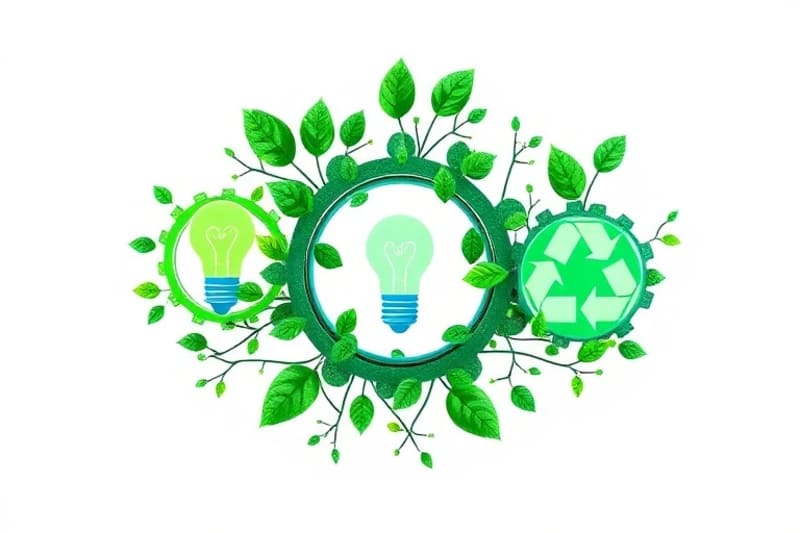
Visualizing the harmonious integration of natural processes with business innovation for sustainable development.
- Nature as Model: This principle involves observing and emulating nature's forms, processes, and ecosystems to solve human problems. It's about asking, "How would nature solve this?"
- Nature as Measure: Nature sets the standard for sustainability. It operates on solar energy, recycles all its materials, creates no waste, and fits form to function. This principle encourages businesses to measure their impact against nature's benchmarks.
- Nature as Mentor: This aspect emphasizes learning from and being inspired by nature's wisdom. It fosters a deeper connection to the natural world and promotes respect for its intricate systems.
Beyond these foundational concepts, biomimicry also highlights specific design principles:
- Resource Efficiency: Nature uses only the energy it needs, often from renewable sources, and uses materials sparingly and effectively. Designs are optimized for minimal material use and maximum performance.
- Closed-Loop Systems: There is no "waste" in nature; everything is a resource for something else. Biomimetic businesses strive to create systems where byproducts are repurposed, mimicking natural cycles.
- Resilience and Adaptation: Natural systems are inherently resilient, capable of adapting to change and recovering from disturbances. Biomimetic designs incorporate flexibility, redundancy, and diversity to enhance robustness.
- Local and Distributed Solutions: Nature often provides solutions locally, using available resources. This encourages decentralized production and consumption, reducing transportation and energy costs.
- Life-Friendly Chemistry: Nature builds from the bottom up using water-based chemistry, ambient temperatures, and benign materials. Biomimetic processes avoid toxic chemicals and high-energy manufacturing.
By internalizing these principles, startups can develop innovations that are not only groundbreaking but also inherently aligned with ecological health and long-term economic viability. This approach moves beyond mere compliance to proactive, regenerative design, fostering true sustainability.
Why Startups Are Ideal Candidates for Biomimicry
Startups possess unique characteristics that make them particularly well-suited to embrace biomimicry as a core strategy. Their inherent flexibility, innovative spirit, and often lean structures allow them to integrate these principles from inception, rather than retrofitting them into established, rigid systems.
- Agility and Flexibility: Unlike large corporations burdened by legacy systems and entrenched processes, startups can pivot quickly and integrate biomimetic thinking into their DNA from day one. This agility allows for rapid experimentation and adaptation of natural solutions.
- Innovation as a Core Driver: Startups thrive on novelty and disruption. Biomimicry provides a vast, untapped source of innovation, offering unique competitive advantages that can differentiate a new venture in crowded markets. It encourages out-of-the-box thinking, drawing from billions of years of R&D.
- Sustainability as a Value Proposition: Modern consumers, investors, and talent increasingly prioritize sustainability. By embedding biomimicry, startups can build a strong brand identity centered around ecological responsibility and innovative solutions, attracting a loyal customer base and impact investors.
- Cost Efficiency and Resource Optimization: Nature is the ultimate optimizer. By mimicking natural processes, startups can often reduce material usage, energy consumption, and waste generation, leading to significant cost savings and improved operational efficiency. This is crucial for lean startups.
- Attracting Top Talent: Professionals, especially younger generations, are drawn to companies with a clear purpose and positive impact. A startup committed to biomimicry can attract highly motivated and creative individuals passionate about solving real-world problems sustainably.
- Reduced Environmental Footprint: By designing products and processes that are inherently more sustainable, startups can minimize their environmental impact from the outset, avoiding costly remediation or regulatory hurdles down the line. This proactive approach is a hallmark of responsible entrepreneurship.
The very nature of a startup—its drive to find novel solutions to unmet needs—aligns perfectly with the biomimetic approach. It's about creating value not just for shareholders, but for all stakeholders, including the planet. This holistic view is becoming increasingly vital for long-term success in the 21st century.
Practical Applications: Biomimicry in Action for Startups
Biomimicry is not merely a theoretical concept; it has tangible applications across various industries, offering startups a rich source of inspiration for product development, process optimization, and service design. Here are some illustrative examples and potential areas for startup innovation:
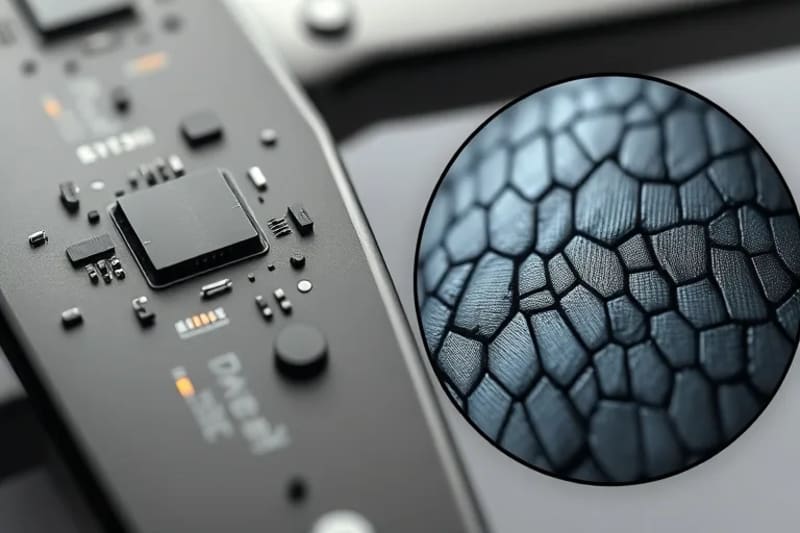
Detailed view of bio-inspired product design, highlighting the intricate textures and patterns derived from nature.
- Materials Science:
- Self-Cleaning Surfaces: Inspired by the lotus leaf's superhydrophobic properties, startups can develop coatings for textiles, building materials, or solar panels that naturally repel dirt and water.
- Strong, Lightweight Structures: Emulating bone structures, spider silk, or nacre (mother-of-pearl) can lead to the creation of incredibly strong yet lightweight composites for aerospace, automotive, or construction industries.
- Adhesives: Geckos' feet provide inspiration for reusable, residue-free adhesive technologies with applications from medical devices to industrial gripping.
- Energy and Efficiency:
- Passive Cooling/Heating: Termite mounds offer blueprints for self-regulating building designs that maintain stable internal temperatures with minimal energy input, ideal for sustainable architecture startups.
- Aerodynamics: The streamlined bodies of birds like kingfishers (e.g., Shinkansen bullet train) or the drag-reducing properties of sharkskin can inspire more efficient vehicle designs or wind turbine blades.
- Water Collection: Desert beetles that collect water from fog inspire innovative solutions for water harvesting in arid regions.
- Process and System Design:
- Waste Management: Mimicking decomposition processes in ecosystems can lead to novel composting technologies or industrial processes that turn waste into valuable resources.
- Supply Chain Optimization: Observing how nutrients flow in an ecosystem can inspire more resilient, distributed, and efficient supply chains.
- Bioremediation: Using biological processes, like those found in fungi or bacteria, to clean up pollutants in soil or water offers fertile ground for environmental startups.
- Robotics and AI:
- Soft Robotics: The movement of an octopus or the gripping ability of an elephant's trunk can inspire new generations of robots that are more adaptable and safer for human interaction.
- Swarm Intelligence: Ant colonies or bird flocks demonstrate decentralized decision-making and collective problem-solving, which can be applied to logistics, data processing, or autonomous vehicle coordination.
These examples merely scratch the surface of biomimicry's potential. For startups, the key is to identify a problem and then look to nature for analogous solutions, translating biological strategies into commercially viable innovations. This approach not only solves problems but does so in a way that often yields multiple benefits, from reduced environmental impact to enhanced performance and aesthetics.
Implementing Biomimicry: A Step-by-Step Guide for Entrepreneurs
For startups eager to integrate biomimicry into their innovation process, a structured approach can be highly beneficial. This methodology, often referred to as "Biomimicry Thinking," provides a roadmap from problem identification to solution development.
- Define the Challenge: Clearly articulate the problem you are trying to solve. What function does your product or service need to perform? Be specific and frame it in a way that allows for natural analogies. For example, instead of "design a better car," think "how can we move people and goods efficiently with minimal energy and impact?"
- Biologize the Challenge: Reframe your human challenge in biological terms. How would nature express this need? For instance, if you're designing a new building material, the biological question might be: "How does nature create strong, lightweight, and durable structures?" Or, if dealing with microplastic contamination, "how does nature filter or break down persistent materials?"
- Discover Natural Models: Research natural organisms, ecosystems, or processes that have successfully addressed similar challenges. This often involves consulting biologists, ecologists, or using databases like AskNature.org. Look for multiple examples across different scales and taxa. For example, if seeking efficient movement, consider fish, birds, insects, or even bacteria.
- Abstract the Principles: Identify the underlying strategies, mechanisms, or principles that enable nature's solution. Don't just copy the form; understand the function and the 'how'. What are the key design rules? For instance, a bird's wing isn't just a shape; it's a dynamic structure that changes form to optimize lift and drag.
- Apply and Adapt: Translate these abstracted principles back into your human design context. How can these natural strategies be applied to your product, process, or system? This stage involves ideation, prototyping, and testing. It's an iterative process of adapting nature's wisdom to your specific needs.
- Evaluate and Refine: Assess your solution against both your initial problem statement and nature's benchmarks. Is it truly sustainable? Does it fit form to function? Does it use life-friendly chemistry? Nature provides the ultimate measure of success, encouraging continuous improvement and refinement.
Engaging in this iterative process requires an interdisciplinary mindset, often bringing together designers, engineers, biologists, and business strategists. For startups, this collaborative approach can foster a culture of deep innovation and sustainable problem-solving from the ground up.
Challenges and Future Prospects of Bio-Inspired Innovation
While biomimicry offers immense potential, startups adopting this strategy may encounter certain challenges. Understanding these can help entrepreneurs navigate the path more effectively and leverage future trends.
Challenges:
- Complexity of Natural Systems: Nature's solutions are often highly complex, multi-functional, and operate within intricate ecosystems. Fully understanding and translating these complexities into human-made designs can be challenging and time-consuming.
- Interdisciplinary Expertise: Successful biomimicry requires collaboration between diverse fields—biology, engineering, design, materials science, and business. Finding and integrating such a broad range of expertise can be difficult for lean startups.
- Time and R&D Investment: The research and development phase for truly biomimetic solutions can be longer and more resource-intensive than conventional approaches, requiring patient capital and a long-term vision.
- Scalability: What works perfectly at a micro-scale in nature might be difficult to scale up for industrial production without losing its biomimetic integrity or sustainability benefits.
- "Biopiracy" Concerns: Ethical considerations arise when commercializing natural designs. Startups must ensure their approach respects indigenous knowledge and promotes conservation, rather than exploiting natural resources or intellectual property.
Future Prospects:
- Advancements in Technology: Tools like AI, machine learning, advanced simulation software, and synthetic biology are rapidly accelerating our ability to understand, model, and replicate natural processes, making biomimicry more accessible and efficient.
- Growing Demand for Sustainability: As environmental concerns intensify and consumer awareness grows, the market demand for truly sustainable and regenerative products and services will continue to rise, creating fertile ground for biomimetic startups.
- Integration with Circular Economy: Biomimicry is a natural fit for the circular economy framework, driving innovation in material reuse, waste valorization, and product-as-a-service models.
- Policy and Investment Support: Increasing governmental support for green innovation and the rise of impact investing will provide more funding opportunities and a favorable regulatory environment for bio-inspired ventures.
- Educational Expansion: As biomimicry gains recognition, more educational programs and resources will emerge, fostering a new generation of designers and entrepreneurs equipped with this powerful methodology.
The future of bio-inspired business models is bright. Startups that can effectively navigate these challenges and harness technological advancements will be at the forefront of a new wave of innovation, building businesses that are not only profitable but also regenerative and harmonious with the natural world. The lessons from nature are endless, offering a timeless source of inspiration for a sustainable future.
Related Searches & Further Reading
Explore More:
- Teletrabajo y Empleo Remoto: Beneficios, Desafíos y el Futuro Laboral
- Curiosidades Cuerpo Humano: Datos Asombrosos y Funciones Ocultas
- Chinese Zodiac Elements: A Deep Dive into Five Transformative Forces
- Contaminación Aire: Impacto Psicológico Más Allá Salud Respiratoria
- Marie Curie: Pionera de la Radiactividad y Legado
- Eucaristía: Fuente y Cima de la Vida Cristiana
- Ocular Microbiome Biohacking: Visual Health Prevention
- Grocery Stores: Essential Hubs of Community and Commerce
- Neurobiología Adicciones Comportamentales: Mecanismos Cerebrales y Tratamientos
Frequently Asked Questions About Bio-Inspired Business Models
Here are some common questions regarding bio-inspired business models and biomimicry:
What is a bio-inspired business model?
A bio-inspired business model is an approach where a company designs its products, processes, or entire operational strategy by emulating patterns and solutions found in nature. It seeks to create sustainable, efficient, and resilient enterprises by learning from billions of years of natural evolution.
How can a small startup effectively use biomimicry?
Small startups can effectively use biomimicry by focusing on specific problems and looking for analogous solutions in nature. They can start by integrating biomimetic thinking into their design process, collaborating with biologists, utilizing online resources like AskNature.org, and prioritizing resource efficiency and circularity from day one. Their agility allows for rapid prototyping and testing of nature-inspired solutions.
Source: Hybrid content assisted by AI and human editorial supervision.


Comentarios