
Digital Cryptozoology: Exploring Online Creatures, Myths
The digital age has ushered in a new frontier for the mysterious and the unexplained, giving rise to what is now known as digital cryptozoology. This emerging field explores the phenomena of cryptids, mythical creatures, and unexplained entities that originate and thrive within the vast expanse of the internet. Unlike traditional cryptozoology, which seeks to find evidence of creatures like Bigfoot or the Loch Ness Monster in the physical world, digital cryptozoology focuses on entities born from collective online imagination, viral narratives, and multimedia manipulation.
From creepypastas to elaborate alternate reality games (ARGs), the online world provides fertile ground for the creation and propagation of new myths. These digital cryptids often reflect contemporary fears, anxieties, and cultural trends, evolving rapidly through user-generated content and social media sharing. Understanding this phenomenon offers unique insights into human psychology, the power of collective storytelling, and the increasingly blurred lines between reality and fiction in our hyper-connected world.
Table of Contents
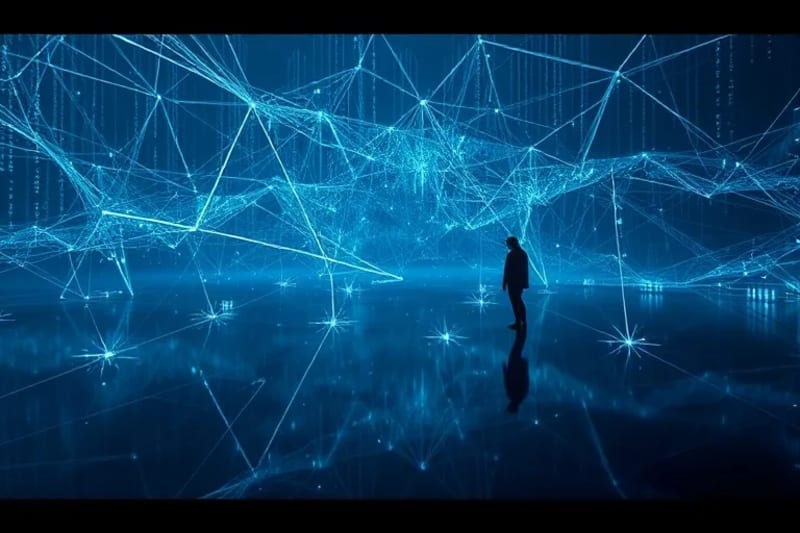 Precursors, conceptual frameworks, and digital representations that define the evolving landscape of online cryptids and their virtual habitats.
The Genesis of Digital Cryptids
The internet, with its boundless capacity for information sharing and anonymous creation, has become an unparalleled incubator for modern folklore. Unlike traditional oral traditions, digital myths can spread globally in an instant, evolving and adapting with each share, remix, and comment. This rapid dissemination allows for a collective, decentralized authorship, where no single creator holds absolute control over the narrative.
Early examples of digital cryptids often emerged from online forums and image boards, where users would share unsettling stories or manipulated images. The lack of verifiable sources, combined with the psychological phenomenon of pareidolia (seeing patterns in random data), contributed to the belief in these nascent entities. These early stages laid the groundwork for more complex and interactive forms of digital cryptozoology, demonstrating the human propensity for myth-making even in a technologically advanced era.
Anatomy of an Online Cryptid
Digital cryptids possess several distinguishing characteristics that set them apart from their traditional counterparts. Firstly, their existence is intrinsically linked to digital media: images, videos, audio files, and text documents serve as their primary "evidence" and means of propagation. Secondly, their lore is often community-driven, with countless individuals contributing to their backstories, appearances, and supposed behaviors through fan fiction, artwork, and discussions.
Thirdly, many digital cryptids are designed to be interactive, inviting audiences to participate in their narratives, blurring the lines between passive consumption and active creation. This interactive element is a hallmark of many successful online myths, fostering a sense of shared experience and belief. The distinction from traditional cryptozoology lies in this digital nativity; these creatures are not sought in remote forests but within the labyrinthine corridors of the internet itself.
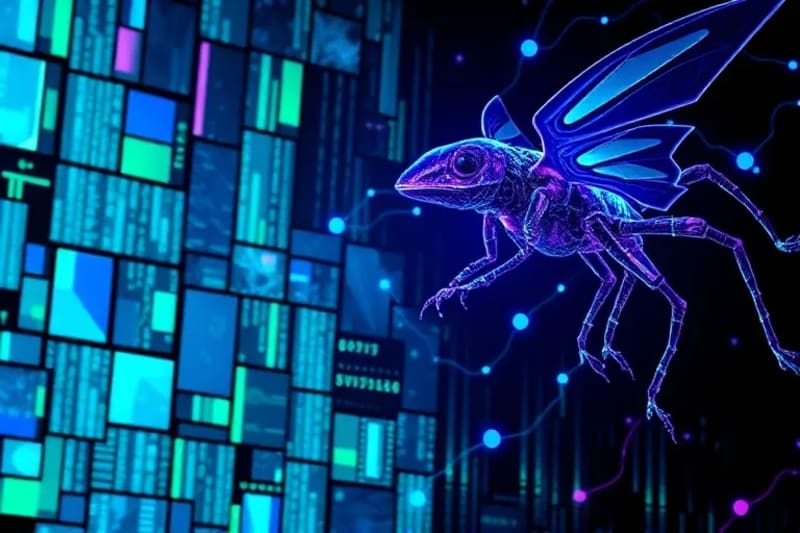 A conceptual visualization of how digital entities propagate through interconnected online networks.
Famous Digital Cryptids and Their Impact
Several digital cryptids have achieved widespread recognition, transcending their online origins to impact popular culture and even real-world events. Perhaps the most iconic is Slender Man, a tall, faceless figure in a black suit, whose myth originated on the Something Awful forums in 2009. His story quickly spread through creepypastas, fan art, and video games, demonstrating the viral potential of a compelling digital narrative.
Other notable examples include the Momo Challenge, a viral hoax that caused widespread panic due to its alleged encouragement of self-harm, and Siren Head, a towering humanoid creature with sirens for a head, created by artist Trevor Henderson. The SCP Foundation, a collaborative online project, has also generated a vast catalog of fictional anomalies and creatures, showcasing the power of collective world-building. These entities highlight the profound social and psychological impact that digital folklore can have, influencing behavior and shaping collective anxieties.
The Role of Technology in Digital Cryptozoology
Modern technology plays an indispensable role in both the creation and belief in digital cryptids. Advanced image and video editing software, coupled with the rise of artificial intelligence, allows for the creation of incredibly convincing hoaxes. Deepfakes, AI-generated images, and sophisticated augmented reality (AR) applications can blur the lines between what is real and what is fabricated, making it increasingly difficult for individuals to discern authenticity.
The evolution of digital tools means that anyone with access to a computer can become a myth-maker, contributing to the ever-growing pantheon of online creatures. This technological democratization of creation also means that the impact of these myths can be far-reaching and immediate. The innovations of forgotten tech innovators have inadvertently paved the way for these new forms of digital storytelling and perception distortion. Furthermore, the advent of virtual worlds and metaverses, such as those explored in Metaverse Astral: Exploring Virtual Realities and Conscious Journeys, provides new canvases for these digital entities to manifest and interact with users.
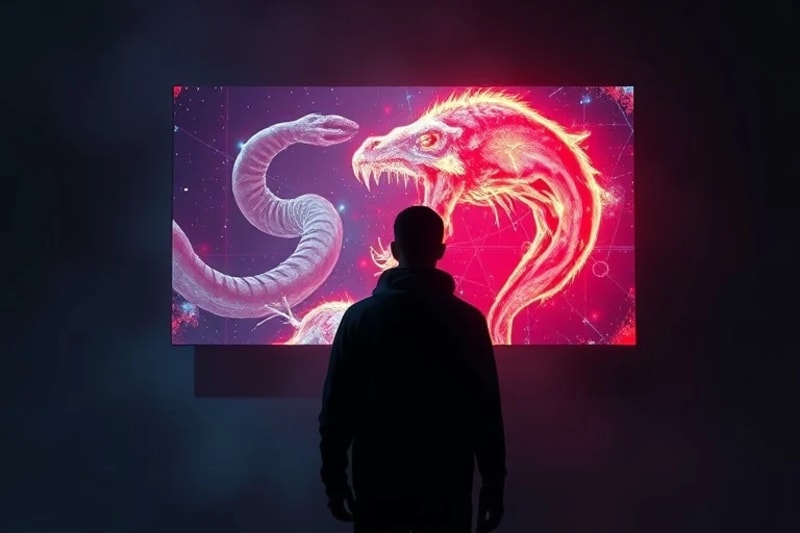 An artistic rendering depicting the profound psychological impact of digital narratives on individual perception.
Psychological and Sociological Perspectives
The fascination with digital cryptids can be analyzed through various psychological and sociological lenses. Humans have an innate desire to explain the unknown and to find meaning in ambiguity. Digital cryptids tap into this primal urge, offering narratives that provide a sense of wonder, fear, or even community. The shared experience of encountering and discussing these entities can foster strong bonds among online communities, creating a sense of belonging and collective identity.
Moreover, the anonymity of the internet allows individuals to explore darker themes and taboos without real-world repercussions, contributing to the appeal of scary or unsettling cryptids. These online myths often serve as modern urban legends, reflecting contemporary fears about technology, surveillance, and societal breakdown. They provide a safe space for people to confront and process anxieties in a fictionalized context, much like traditional folklore did for past generations.
Ethical Considerations and Misinformation
While digital cryptozoology can be a source of entertainment and community, it also presents significant ethical challenges, particularly concerning misinformation and its real-world consequences. The ease with which false narratives can spread online can lead to widespread panic, emotional distress, and even physical harm, as evidenced by incidents related to the Momo Challenge hoax.
The blurring of lines between fiction and reality, exacerbated by sophisticated digital manipulation, demands increased media literacy and critical thinking skills from online users. Understanding the mechanisms behind the creation and propagation of digital cryptids is crucial for navigating the complex information landscape of the internet. The ethical dilemmas posed by advanced technologies, including those discussed in Artificial Intelligence in Predictive Medicine: Advances and Ethical Dilemmas, extend to the realm of digital cryptozoology, urging us to consider the responsible use of creative and technological power.
Educating oneself and others about the origins and nature of online hoaxes is paramount to fostering a safer and more informed digital environment. This includes recognizing the signs of manipulated content and questioning the veracity of sensational claims, regardless of how compelling they may appear. The ongoing evolution of digital cryptozoology necessitates a continuous adaptation of our critical assessment tools.
In conclusion, digital cryptozoology is a fascinating and complex phenomenon that highlights the enduring human need for mystery and storytelling. It serves as a mirror to our collective fears and desires, reflecting them back through the distorted lens of the internet. As technology continues to advance, the landscape of digital cryptids will undoubtedly evolve, presenting new challenges and opportunities for exploration. Understanding this digital folklore is not just about identifying fictional creatures, but about comprehending the profound ways in which the internet shapes our perceptions, beliefs, and shared realities.
Explore Related Topics
Source: Hybrid content assisted by AI and human editorial supervision.


Comentarios