
Gut-Brain Axis: Functional Nutrition, Mental Health, Cognitive Well-being
The human body is an intricate network of interconnected systems, and few relationships are as profound and influential as the one between the gut and the brain. This bidirectional communication pathway, often referred to as the gut-brain axis, has emerged as a critical area of scientific inquiry, revealing deep implications for mental health, cognitive function, and overall well-being. Understanding this axis is fundamental to adopting a holistic approach to health, particularly through the lens of functional nutrition.
Functional nutrition, unlike conventional dietary advice, focuses on optimizing bodily functions by addressing the root causes of imbalances. It recognizes that what we consume directly impacts not only our physical state but also our emotional and cognitive landscapes. By nurturing the gut microbiome and providing essential nutrients, we can significantly influence brain chemistry, reduce inflammation, and enhance mental resilience.
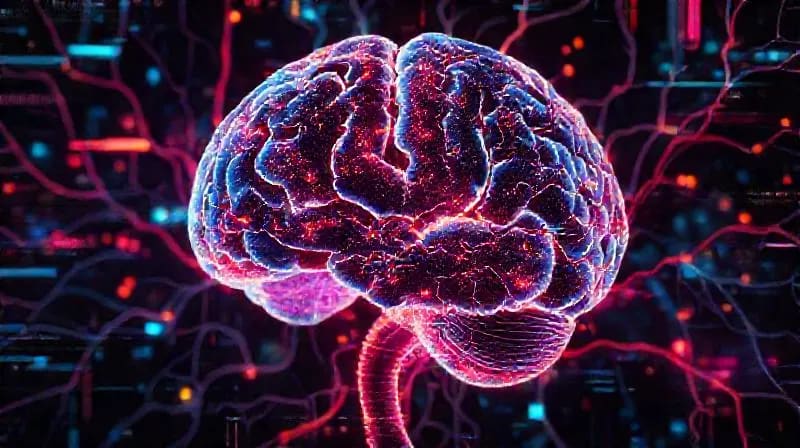
Exploring the complex interplay between the digestive system and neurological processes, a foundational concept in modern health science.
This conceptual visualization, rendered by AI, illustrates the profound and often overlooked dialogue between our gut and brain, highlighting the scientific pursuit of understanding their symbiotic relationship for human health.This article delves into the mechanisms of the gut-brain axis, explores the pivotal role of the gut microbiome, and outlines practical functional nutrition strategies to foster optimal mental health and cognitive performance. We will uncover how dietary choices can be powerful tools for influencing mood, memory, and overall neurological balance.
Table of Contents
- Understanding the Bidirectional Communication
- The Gut Microbiome: A Second Brain
- Functional Nutrition Principles for the Gut-Brain Axis
- Key Nutrients and Foods for Optimal Function
- Beyond Diet: Lifestyle Factors for a Healthy Gut-Brain Axis
- Practical Strategies for Implementation
- Challenges and Future Perspectives
Understanding the Bidirectional Communication
The gut-brain axis is not a single pathway but a complex communication network involving several key components. This intricate dialogue ensures that signals from the gut can influence brain function, and vice versa. The primary channels of communication include the vagus nerve, neurotransmitters, the immune system, and metabolic products.
The vagus nerve, the longest cranial nerve, acts as a direct highway between the brainstem and the digestive tract. It transmits signals in both directions, conveying information about gut distension, nutrient presence, and microbial activity directly to the central nervous system. This direct neural link explains why gut feelings often translate into emotional responses.
Neurotransmitters, chemical messengers that regulate mood and cognition, are also heavily involved. Serotonin, often dubbed the "happiness hormone," is predominantly produced in the gut, not the brain. Approximately 90% of the body's serotonin is synthesized and stored in the enteric nervous system (ENS), which is often called the "second brain." These gut-derived neurotransmitters can influence brain function through various indirect mechanisms.
Furthermore, the immune system plays a crucial role. The gut houses a significant portion of the body's immune cells. When the gut barrier is compromised (a condition known as "leaky gut"), inflammatory molecules can enter the bloodstream and travel to the brain, contributing to neuroinflammation. This chronic inflammation is increasingly linked to various mental health disorders, including depression and anxiety.
The Gut Microbiome: A Second Brain
At the heart of the gut-brain axis lies the gut microbiome—trillions of microorganisms, including bacteria, fungi, and viruses, residing in our digestive tract. This diverse community is not merely a passive inhabitant; it actively participates in digestion, nutrient absorption, and the synthesis of crucial compounds. A balanced and diverse microbiome is essential for optimal health.
Dysbiosis, an imbalance in the gut microbial community, can have far-reaching consequences. It can lead to increased gut permeability, chronic inflammation, and altered production of microbial metabolites. These metabolites, such as short-chain fatty acids (SCFAs) like butyrate, propionate, and acetate, are vital for gut health and can cross the blood-brain barrier, influencing brain function directly.
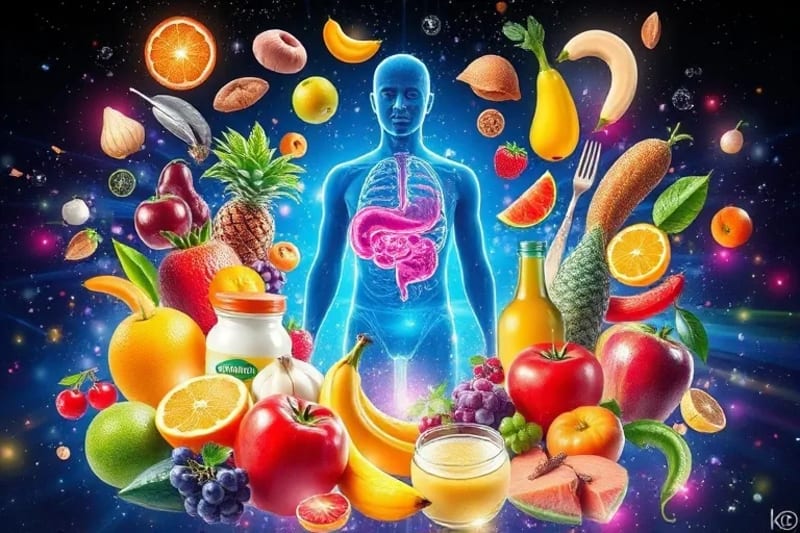
A visual representation of how diverse, nutrient-rich foods contribute to the holistic well-being of the body and mind.
Research has shown a strong correlation between gut dysbiosis and various mental health conditions, including anxiety, depression, autism spectrum disorder, and even neurodegenerative diseases. Certain beneficial bacteria can produce GABA, a calming neurotransmitter, and influence the production of brain-derived neurotrophic factor (BDNF), which supports neuron growth and survival. This highlights the critical need to nurture our gut inhabitants through thoughtful dietary choices.
Functional Nutrition Principles for the Gut-Brain Axis
Functional nutrition adopts a personalized and systemic approach to diet, focusing on how specific foods and nutrients interact with an individual's unique physiology. For the gut-brain axis, this means emphasizing nutrient density, reducing inflammatory triggers, and supporting microbial diversity. It moves beyond simply counting calories to understanding the biochemical impact of food.
Key principles include removing inflammatory foods, replacing digestive enzymes and beneficial bacteria, repairing the gut lining, and rebalancing the microbiome. This framework helps to restore gut integrity and optimize its communication with the brain. It's about creating an environment where both the gut and the brain can thrive, leading to improved mental clarity and emotional stability.
Key Nutrients and Foods for Optimal Function
Several dietary components are particularly beneficial for supporting the gut-brain axis:
- Probiotics and Prebiotics: Probiotics are live beneficial bacteria found in fermented foods like yogurt, kefir, sauerkraut, kimchi, and kombucha. Prebiotics are non-digestible fibers that feed these beneficial bacteria, found in foods such as garlic, onions, leeks, asparagus, and unripe bananas. Together, they foster a diverse and robust microbiome.
- Omega-3 Fatty Acids: Found in fatty fish (salmon, mackerel), flaxseeds, chia seeds, and walnuts, omega-3s are crucial for brain health. They have potent anti-inflammatory properties and are essential components of neuronal membranes, supporting cognitive function and mood regulation.
- Antioxidants: Berries, dark leafy greens, dark chocolate, and colorful vegetables are rich in antioxidants. These compounds combat oxidative stress, which can damage brain cells and contribute to neuroinflammation.
- Fiber: Beyond prebiotics, a high-fiber diet from whole grains, legumes, fruits, and vegetables supports regular bowel movements and the production of beneficial SCFAs by gut bacteria.
- Tryptophan: An essential amino acid found in turkey, chicken, eggs, nuts, and seeds, tryptophan is a precursor to serotonin. Ensuring adequate intake supports the body's natural production of this mood-regulating neurotransmitter.
Incorporating these foods into your daily diet can significantly enhance the health of your gut and, by extension, your brain. A varied and whole-food-based diet is the cornerstone of functional nutrition for the gut-brain axis. For those interested in a holistic approach to well-being, considering nutritional strategies that support overall health is paramount, as detailed in discussions around recovery and high-performance nutrition.
Beyond Diet: Lifestyle Factors for a Healthy Gut-Brain Axis
While nutrition is foundational, other lifestyle factors profoundly impact the gut-brain axis. Stress, sleep, and physical activity are intricately linked to gut health and brain function.
A conceptual artwork illustrating the serene state of a balanced mind, influenced by a healthy and harmonious gut environment.
Chronic stress can disrupt the gut microbiome, increase gut permeability, and alter gut motility. Techniques such as mindfulness, meditation, yoga, and deep breathing exercises can help manage stress and positively influence the gut-brain connection. Adequate sleep is also vital, as sleep deprivation can negatively impact gut diversity and increase inflammation. Aim for 7-9 hours of quality sleep per night to support both gut and brain health.
Regular physical activity has been shown to enhance microbial diversity and reduce inflammation. Even moderate exercise can improve mood and cognitive function, partly through its effects on the gut microbiome. Considering the broader context of overall human health, it's important to be aware of how various elements, including environmental factors, can influence our well-being, as explored in discussions on microplastics and biohacking strategies.
Practical Strategies for Implementation
Adopting functional nutrition for your gut-brain axis doesn't require drastic changes overnight. Start with small, sustainable steps:
- Increase Fiber Intake: Gradually add more fruits, vegetables, legumes, and whole grains to your diet.
- Incorporate Fermented Foods: Try a serving of yogurt, kefir, sauerkraut, or kimchi daily.
- Prioritize Omega-3s: Include fatty fish twice a week or supplement with a high-quality omega-3 oil.
- Hydrate Adequately: Drink plenty of water throughout the day to support digestion and overall bodily functions.
- Manage Stress: Integrate stress-reduction techniques into your daily routine.
- Ensure Quality Sleep: Establish a consistent sleep schedule and create a conducive sleep environment.
- Stay Active: Engage in regular physical activity that you enjoy.
These practices, combined with a mindful approach to eating, can create a powerful synergy that supports both your gut and your brain. The growing neuroscientific understanding of this connection continues to reveal new avenues for improving mental well-being, a field that constantly evolves, much like the insights shared in neuroscience and virtual reality research.
Challenges and Future Perspectives
While the evidence for the gut-brain axis is compelling, it's important to acknowledge that this field is still evolving. The complexity of the microbiome, individual variations in genetics and lifestyle, and the intricate interplay of multiple biological systems mean that a one-size-fits-all approach is rarely effective. More research is needed to fully understand specific microbial strains and their precise effects on brain function and mental health.
Future research will likely focus on personalized nutrition strategies, leveraging advanced diagnostics to tailor dietary interventions based on an individual's unique microbiome profile. The integration of artificial intelligence and machine learning could help decipher the vast data generated from microbiome sequencing, leading to more targeted and effective functional nutrition recommendations. This will pave the way for more precise interventions that can optimize the gut-brain axis for enhanced mental and cognitive well-being.
Explore More Insights
Sinastría Relación: Cartas Compuestas Davison Parejas | AstroFuturo
Sound Healing: Vibrations for Wellness and Spiritual Harmony | StarPluto
Source: Hybrid content assisted by AI and human editorial supervision.


Comentarios