
Music Neuroscience: Learning, Emotion, Mental Health
The Universal Language: Music's Profound Impact on the Brain
Music, an ancient and universal form of human expression, transcends cultural boundaries and deeply permeates our daily lives. From lullabies that soothe infants to anthems that unite nations, its presence is ubiquitous, suggesting a fundamental connection to our biological and psychological makeup. Recent advancements in cognitive neuroscience have begun to unravel the intricate ways music interacts with the human brain, revealing its profound influence on learning, emotional states, and overall mental health.
This exploration delves into the fascinating world where melody meets neurology, examining how musical engagement can enhance cognitive functions, regulate emotions, and offer significant therapeutic benefits. Understanding these mechanisms not only enriches our appreciation for music but also opens new avenues for intervention and well-being. The journey through the brain's response to music is a testament to its power as both an art form and a scientific phenomenon.
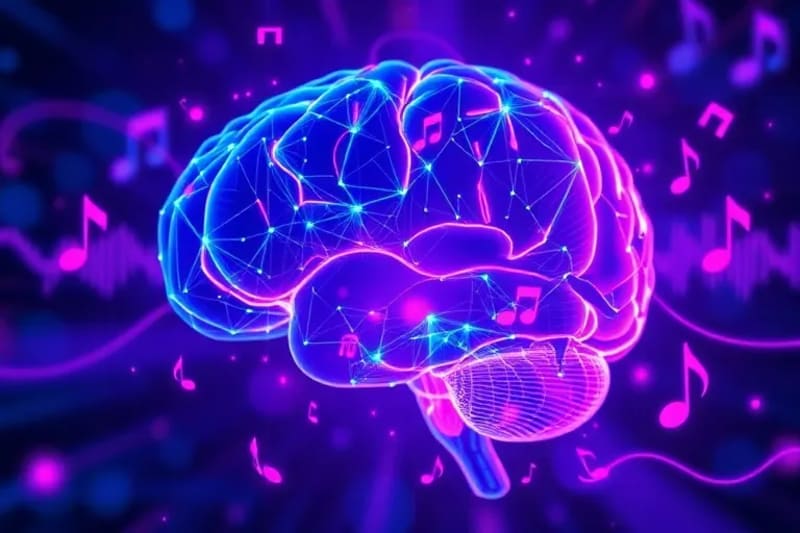 Conceptual visualizations of neural networks and abstract sound patterns merging within the brain, symbolizing the intricate cognitive and emotional processing ignited by music.
This image is a conceptual AI rendering, illustrating the complex neurological landscape influenced by auditory stimuli.
Table of Contents
- The Symphony of the Brain: Music's Cognitive Impact
- Music and Learning: Enhancing Cognitive Functions
- Emotional Resonance: Music as a Regulator
- Therapeutic Harmonies: Music for Mental Health
- Neural Mechanisms: How Music Affects the Brain
- Future Melodies: Research and Innovations
The Symphony of the Brain: Music's Cognitive Impact
The human brain is remarkably adept at processing musical information, engaging a vast network of regions responsible for auditory perception, memory, emotion, and motor control. This intricate processing highlights music not merely as a passive auditory experience but as an active cognitive workout. Listening to, performing, or composing music stimulates multiple brain areas simultaneously, fostering enhanced connectivity and neural plasticity.
Studies have consistently shown that musical training, particularly during childhood, can lead to significant improvements in various cognitive domains. These include enhanced executive functions such as planning, problem-solving, and working memory. The structured nature of music, with its patterns, rhythms, and harmonies, provides a rich environment for developing these critical mental skills.
Beyond formal training, even casual engagement with music can have measurable cognitive benefits. Background music, for instance, has been found to influence focus and task performance, although its effects can vary depending on the individual and the type of music. This suggests a nuanced interaction between musical stimuli and our attentional systems.
Music and Learning: Enhancing Cognitive Functions
The relationship between music and learning is a well-documented area within cognitive neuroscience, revealing how musical engagement can significantly bolster academic and cognitive development. Early exposure to music, whether through formal lessons or informal play, has been linked to improved language acquisition and reading skills. The rhythmic and melodic components of music parallel the prosodic elements of speech, helping children develop phonological awareness and auditory discrimination.
Furthermore, musical training enhances spatial-temporal reasoning, a cognitive ability crucial for understanding complex mathematical and scientific concepts. This improvement is thought to stem from the brain's need to process intricate musical patterns and relationships, which translates into better abstract thinking. The discipline required to master an instrument also cultivates perseverance and attention to detail, invaluable traits for any learning endeavor.
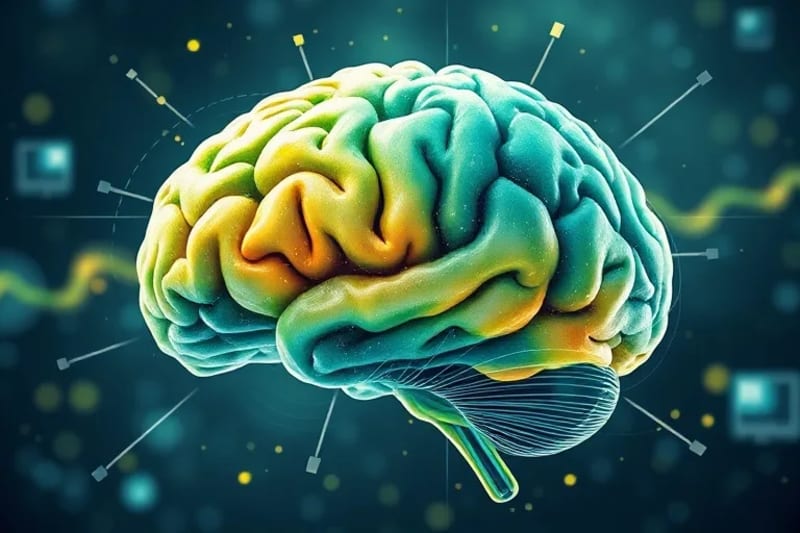 An abstract watercolor illustrating the brain's capacity for learning and memory, influenced by musical and intellectual stimuli.
The concept of brain plasticity, the brain's ability to reorganize itself by forming new neural connections, is central to understanding these benefits. Music acts as a powerful catalyst for this plasticity, particularly in areas related to auditory processing, motor skills, and memory. For instance, musicians often exhibit larger gray matter volume in certain brain regions compared to non-musicians, indicating structural adaptations. This capacity for adaptation is also explored in fields like biomedical engineering, where advanced simulation techniques help us model and understand such complex neural changes.
Beyond academic skills, music can also improve memory recall. Associating information with melodies or rhythms can make it easier to retrieve. This phenomenon is often employed in educational settings to help students memorize facts or sequences. The emotional component of music further enhances memory, as emotionally charged experiences are typically remembered more vividly.
Emotional Resonance: Music as a Regulator
One of the most immediate and profound effects of music is its ability to evoke and regulate emotions. Music can instantly shift our mood, transporting us from sadness to joy, or from anxiety to calm. This emotional power stems from music's direct access to the brain's limbic system, a network of structures involved in emotion, motivation, and memory. Key areas like the amygdala, hippocampus, and nucleus accumbens are highly responsive to musical stimuli.
When we listen to music, our brains release neurotransmitters such as dopamine, a chemical associated with pleasure and reward. This explains why certain songs can make us feel euphoric or motivated. Conversely, calming music can reduce levels of cortisol, the stress hormone, promoting relaxation and reducing physiological arousal. The synchronicity between music and bodily rhythms, like heart rate and breathing, further contributes to its regulatory effects.
The emotional impact of music is highly subjective, influenced by personal experiences, cultural background, and current mood. However, universal patterns exist, such as the tendency for major keys to evoke feelings of happiness and minor keys to convey sadness. This interplay between objective musical properties and subjective interpretation makes music a powerful tool for emotional expression and catharsis. Engaging with music can even help in overcoming stagnation by providing a new perspective or emotional release.
Therapeutic Harmonies: Music for Mental Health
Given its potent effects on emotion and cognition, music has emerged as a valuable tool in mental health care, leading to the development of music therapy. This clinical and evidence-based practice uses music interventions to accomplish individualized goals within a therapeutic relationship. Music therapists work with diverse populations, addressing conditions ranging from anxiety and depression to post-traumatic stress disorder (PTSD) and neurodevelopmental disorders.
For individuals struggling with anxiety, listening to calming music can reduce physiological symptoms like rapid heart rate and muscle tension, promoting a state of relaxation. In cases of depression, music can serve as a mood enhancer, providing an outlet for emotional expression and fostering a sense of connection. Group music therapy sessions often facilitate social interaction and reduce feelings of isolation, which are common in many mental health conditions.
 A conceptual 3D render depicting the serene influence of music on mental health, with abstract forms representing harmony and healing.
Music therapy is also highly effective in managing chronic pain, as it can distract from discomfort and promote the release of endorphins, natural painkillers. For patients with neurological conditions like Parkinson's disease or stroke, rhythmic auditory stimulation can improve motor control and gait. The structured and repetitive nature of music provides a framework for motor learning and rehabilitation.
The principles of music therapy are increasingly being integrated into broader wellness strategies. For example, the concept of immersive neuroarchitecture explores how environmental design, including soundscapes, can positively influence mental states and well-being. This interdisciplinary approach underscores the growing recognition of music's power beyond traditional clinical settings.
Neural Mechanisms: How Music Affects the Brain
The neural underpinnings of music processing are complex and distributed across various brain regions, forming a highly integrated system. When we hear music, auditory signals are initially processed in the auditory cortex, located in the temporal lobe. From there, the information branches out to different areas, each contributing to our overall musical experience.
Key brain regions involved include:
- Temporal Lobe: Primarily responsible for processing pitch, timbre, and rhythm. The superior temporal gyrus is crucial for auditory perception.
- Frontal Lobe: Involved in executive functions, working memory, and emotional regulation. The prefrontal cortex plays a role in anticipating musical patterns and making judgments about music.
- Limbic System: Includes the amygdala, hippocampus, and nucleus accumbens, which are central to processing emotions, forming memories, and experiencing reward. This system is heavily activated by emotionally salient music.
- Cerebellum: Traditionally associated with motor control, the cerebellum also plays a significant role in timing and rhythm perception, as well as emotional processing related to music.
- Motor Cortex: Activated when we tap our feet, dance, or play an instrument, demonstrating the close link between music and movement.
Neuroimaging techniques, such as fMRI and EEG, have been instrumental in mapping these neural pathways and understanding their activation patterns. These studies reveal that music engages both hemispheres of the brain, often in a more integrated manner than other cognitive tasks. The brain's ability to predict upcoming musical events, for example, highlights its predictive coding mechanisms at play, constantly updating expectations based on auditory input.
Future Melodies: Research and Innovations
The field of music neuroscience is continuously evolving, with researchers exploring new frontiers and innovative applications. One promising area is personalized music therapy, where algorithms analyze an individual's physiological responses and preferences to create bespoke musical interventions. This tailored approach could maximize therapeutic outcomes for various conditions.
Another exciting avenue involves integrating music with advanced technologies, such as virtual reality (VR) and artificial intelligence (AI). VR environments can create immersive musical experiences that enhance therapeutic engagement, while AI can compose adaptive music that responds to a user's real-time emotional state. The role of AI in understanding complex systems, much like its contribution to fields such as black holes physics, is rapidly expanding, offering unprecedented tools for research and application.
Longitudinal studies are also crucial to better understand the long-term effects of musical engagement on brain development and cognitive aging. Investigating how music can mitigate age-related cognitive decline or enhance the quality of life for individuals with neurodegenerative diseases remains a priority. The potential for music to act as a non-pharmacological intervention for a wide range of health issues is a driving force behind ongoing research.
Conclusion: The Enduring Power of Music
The intricate relationship between music and the brain underscores music's fundamental role in human experience. From shaping our cognitive abilities and regulating our emotions to offering profound therapeutic benefits for mental health, music is far more than mere entertainment. It is a powerful tool for personal growth, healing, and connection. As neuroscience continues to unveil its secrets, our appreciation for the universal language of music only deepens.
Embracing music in our lives, whether through listening, performing, or creating, offers a rich pathway to enhancing our cognitive functions, fostering emotional well-being, and supporting overall mental health. The symphony of the brain, orchestrated by the melodies of life, continues to inspire and heal.
Explore More Insights
- Biohacking Hormonal Longevity: Optimal Performance 2.0
- Neuro-Astrology and Epigenetics: Cosmic Connection, DNA, Consciousness
- Digital Alchemy: AI, Virtual Spaces, Manifestation Power
Source: Hybrid content assisted by AI and human editorial supervision.


Comentarios