
Digital Cryptozoology: Rare Creatures Search Online World
Digital cryptozoology represents a fascinating evolution of an age-old human curiosity: the search for unknown and mythical creatures. While traditional cryptozoology focuses on elusive animals like Bigfoot or the Loch Ness Monster in the physical world, its digital counterpart delves into the vast, often murky, realms of the internet to uncover or create "cryptids" that exist primarily as online phenomena. This emergent field explores how digital narratives, viral content, and advanced technologies like Artificial Intelligence shape our perception of the unknown, blurring the lines between hoax, folklore, and genuine mystery in the virtual sphere.
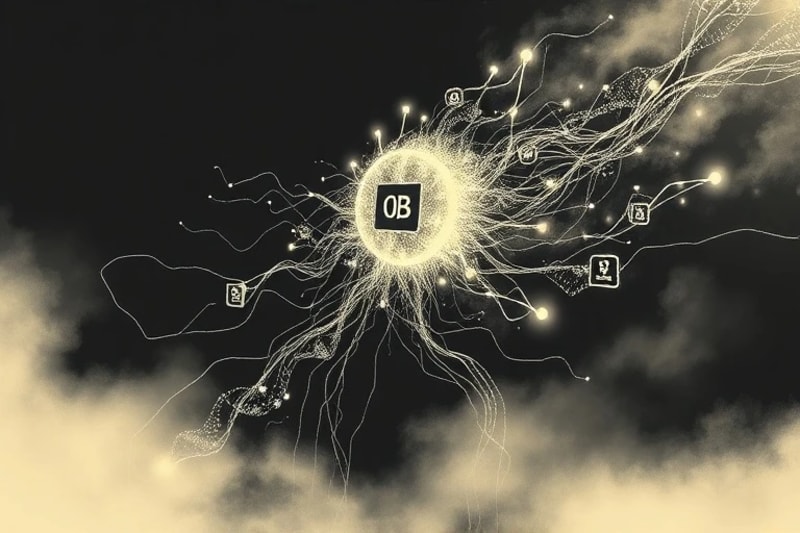
Conceptual representations of digital entities and their connection to ancient mythological symbols, reflecting the fusion of technology and folklore in the online world.
Fuente visual sujeta a disponibilidad del ecosistema: Wikimedia Commons bajo licencia CC BY-SA 4.0 o renderizado conceptual IA.
The internet, with its boundless capacity for information dissemination and collective storytelling, has become a fertile ground for new forms of cryptids. These digital creatures, often born from creepypastas, urban legends, or elaborate hoaxes, thrive on virality, user-generated content, and the anonymity that the online world provides. Understanding digital cryptozoology requires an interdisciplinary approach, drawing from fields such as sociology, psychology, media studies, and computer science to analyze the creation, spread, and impact of these virtual beings.
This article will explore the origins and evolution of digital cryptids, dissect their common characteristics, and examine the profound influence of AI and deepfake technologies in their proliferation. Furthermore, we will delve into the psychological and sociological factors that drive human engagement with these digital mysteries, and discuss the tools and techniques employed by researchers to investigate and debunk them. Ultimately, digital cryptozoology offers a unique lens through which to understand the evolving landscape of information, belief, and collective imagination in the 21st century.
1. The Rise of Digital Cryptids
The genesis of digital cryptids is inextricably linked to the advent and popularization of the internet. Before the widespread use of social media and image manipulation software, urban legends and folklore spread primarily through word-of-mouth or limited media channels. The internet, however, provided an unprecedented platform for rapid dissemination, anonymous contribution, and collaborative storytelling, giving birth to a new breed of mythical creatures.
One of the earliest and most iconic examples is the Slender Man, which originated on the Something Awful forums in 2009. Users were challenged to create paranormal images, and Victor Surge's submission of a tall, faceless figure in a suit quickly captured the collective imagination. This collaborative creation, known as a "creepypasta," rapidly evolved through fan fiction, artwork, and even video games, demonstrating the internet's power to transform a simple image into a complex, self-sustaining mythology. The Slender Man phenomenon highlighted how digital environments could foster a shared sense of dread and wonder, making it a cornerstone of digital cryptozoology.
Beyond creepypastas, digital cryptids often emerge from viral challenges, manipulated photographs, or elaborate alternate reality games (ARGs). The Momo Challenge, for instance, involved a disturbing sculpture image that was falsely linked to a dangerous online game encouraging self-harm. While largely debunked as a hoax, its rapid spread across social media platforms underscored the ease with which unsettling digital entities can capture public attention and incite moral panics. These instances illustrate a crucial aspect of digital cryptozoology: the creatures often exist not as physical beings, but as potent cultural artifacts that reflect societal anxieties and technological capabilities.
The proliferation of digital cryptids is also fueled by the human desire for mystery and the unknown. In an increasingly rationalized world, the internet offers a space where the fantastical can still thrive. Users actively participate in the creation and propagation of these legends, finding community and excitement in shared speculation. This collective engagement transforms isolated digital artifacts into vibrant, evolving narratives, making the study of digital cryptozoology a study of contemporary folklore in the digital age. The boundary between fiction and perceived reality becomes fluid, challenging individuals to critically evaluate the information they encounter online, a skill increasingly vital in an era of pervasive digital content. For more insights into navigating online risks, consider exploring resources on cybersecurity in teleworking environments.
2. Anatomy of a Digital Cryptid
Digital cryptids, despite their diverse origins, often share common characteristics that contribute to their virality and enduring appeal. Understanding these anatomical features helps in dissecting their impact and mechanisms of spread.
- Visual Distinctiveness: Most digital cryptids are accompanied by a striking, often unsettling image or video. This visual element is crucial for immediate recognition and memorability. For example, the distorted face of Momo or the elongated silhouette of Slender Man are instantly recognizable.
- Ambiguity and Lack of Concrete Evidence: Like their physical counterparts, digital cryptids thrive on ambiguity. The evidence for their existence is typically circumstantial, fragmented, or easily manipulated, allowing for endless speculation and interpretation. This lack of definitive proof fuels ongoing discussions and keeps the legend alive.
- Narrative Flexibility: Digital cryptids are rarely static. Their stories evolve through user contributions, fan theories, and new "sightings." This narrative flexibility allows them to adapt to different contexts and remain relevant over time, often incorporating elements of current events or cultural anxieties.
- Interactive Elements: Many digital cryptids encourage user participation, whether through creating fan art, writing new stories, or engaging in online discussions. This interactivity transforms passive consumption into active co-creation, strengthening the community around the cryptid.
- Psychological Triggers: Digital cryptids often tap into primal fears such such as the fear of the unknown, the fear of the monstrous, or the fear of losing control. They can exploit anxieties related to technology, privacy, or social isolation, making them particularly potent in the digital age.
The lifecycle of a digital cryptid typically begins with its creation, often by an individual or a small group. This initial spark then spreads through social media, forums, and content-sharing platforms. As it gains traction, a community of believers and skeptics forms, contributing to its lore and debating its authenticity. This process can be incredibly rapid, with a cryptid achieving global recognition in a matter of days or weeks. However, the lifespan of a digital cryptid can vary greatly, with some fading into obscurity while others, like Slender Man, achieve lasting cultural impact.
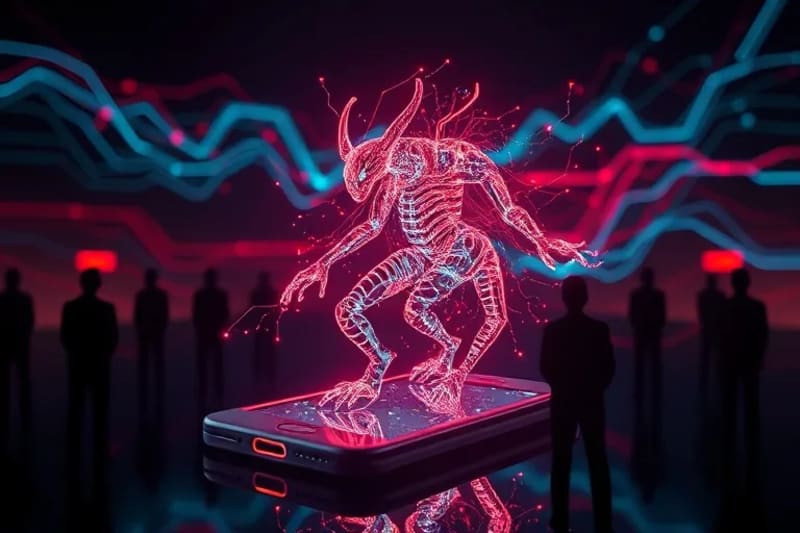
Stylized representation of a digital entity materializing from a screen, symbolizing the birth and spread of online cryptids through modern technology.
The "discovery" of a digital cryptid often mimics traditional cryptozoological expeditions, albeit in a virtual sense. Users might pore over old forums, analyze obscure videos, or piece together fragmented clues to uncover the "truth." This investigative process, even if ultimately leading to a fictional conclusion, provides a sense of adventure and intellectual engagement. The allure lies not just in the cryptid itself, but in the collective endeavor of uncovering its secrets, highlighting the communal aspect of online folklore. The fascination with these digital mysteries can sometimes lead to excessive engagement, mirroring patterns seen in digital addictions in educational and family settings.
3. The Role of AI and Deepfakes
The emergence of Artificial Intelligence, particularly generative AI and deepfake technologies, has added an entirely new dimension to digital cryptozoology. These advanced tools possess the capability to create highly realistic images, videos, and audio that are virtually indistinguishable from authentic content, making the identification of genuine cryptids versus AI-generated hoaxes increasingly challenging.
Generative Adversarial Networks (GANs) and other AI models can produce entirely novel visual and auditory content, allowing for the creation of cryptids that look and sound incredibly convincing. This means that a digital cryptid no longer needs to be a manipulated photograph; it can be an entirely synthetic creation. This technological advancement democratizes the creation of hoaxes, enabling anyone with access to these tools to generate sophisticated visual evidence for their fictional creatures. The ethical implications of such technology are vast, extending beyond mere entertainment to serious concerns about misinformation and trust in digital media.
Deepfakes, specifically, can place non-existent creatures into real-world footage or seamlessly integrate fictional elements into genuine videos. This blurs the line between reality and fiction to an unprecedented degree. For instance, an AI could generate a video of a "digital cryptid" scurrying across a familiar landscape or interacting with real people, making it incredibly difficult for the average viewer to discern its artificial nature. This capacity for hyper-realistic fabrication challenges traditional methods of debunking, which often rely on identifying inconsistencies or artifacts of manual manipulation. The advent of AI in creative fields, including the generation of art, raises significant ethical challenges for the digital future.
- Enhanced Realism: AI can generate cryptid visuals with photorealistic detail, making them more believable than ever before.
- Scalability of Creation: AI tools allow for the rapid creation of numerous variations of a cryptid, or even entirely new ones, at a scale previously impossible.
- Dynamic Adaptation: AI could potentially be used to adapt cryptid narratives and visuals in real-time based on audience engagement, creating more compelling and personalized hoaxes.
- Detection Challenges: Identifying AI-generated content requires increasingly sophisticated detection tools and a heightened level of digital literacy among users.
The role of AI in digital cryptozoology transforms the field from merely studying online folklore to actively grappling with the implications of synthetic media. It forces a re-evaluation of what constitutes "evidence" in the digital realm and highlights the critical importance of media literacy. As AI continues to advance, the distinction between what is real and what is generated will become even more nuanced, making the pursuit of digital cryptids a complex interplay between human imagination and algorithmic creation. This new frontier of digital creation is also explored in the context of generative art and its potential to reveal hidden messages.
4. Psychological and Sociological Impact
The phenomenon of digital cryptozoology is not merely about fictional creatures; it has profound psychological and sociological implications. It taps into fundamental aspects of human nature, including our need for narrative, our fascination with the unknown, and our susceptibility to collective belief.
From a psychological perspective, digital cryptids often serve as a modern outlet for primal fears and anxieties. The internet, while connecting us, can also foster feelings of isolation and vulnerability. Cryptids like Slender Man, who preys on children and appears in forests, tap into deep-seated fears of abduction and the dangers lurking beyond the safety of home. The anonymity of online interactions can also embolden individuals to engage with darker narratives or even perpetuate hoaxes without immediate social repercussions, creating a feedback loop of fear and fascination.

A conceptual still life blending historical cartography and contemporary digital interfaces, illustrating the continuous human quest for the unknown across different eras and mediums.
Sociologically, digital cryptozoology highlights the power of collective belief and community formation in the digital age. Online forums, social media groups, and dedicated wikis become hubs for individuals who share an interest in these creatures. These communities engage in collaborative storytelling, evidence analysis (or misanalysis), and the development of elaborate lore. This communal aspect provides a sense of belonging and shared purpose, even if the object of their interest is entirely fictional. The shared experience of exploring these mysteries strengthens social bonds, albeit within a niche online subculture.
However, the sociological impact can also be negative. The spread of hoaxes, particularly those involving threats or dangerous challenges (like the Momo Challenge), can lead to widespread panic, misallocation of resources, and even real-world harm. The rapid dissemination of unverified information through digital channels can erode trust in traditional media and institutions, contributing to a broader crisis of truth. This makes critical thinking and media literacy more important than ever, as the public opinion can be significantly swayed by online narratives.
The study of digital cryptozoology thus offers valuable insights into how information spreads, how beliefs are formed and sustained in online environments, and the psychological mechanisms that drive human engagement with the fantastical. It serves as a microcosm for understanding broader trends in digital culture, misinformation, and the evolving relationship between technology and human behavior. The way media influences public perception is a critical aspect of modern society, as discussed in articles about the impact of communication media on public opinion.
5. Tools and Techniques for Investigation
Investigating digital cryptids requires a specialized toolkit and a critical approach, blending traditional research methods with digital forensics. As the sophistication of hoaxes grows, particularly with the integration of AI, the methods for debunking them must also evolve.
Key techniques include:
- Reverse Image Search: Tools like Google Images or TinEye can trace the origin of an image, revealing if it's been used before, where it first appeared, and if it's been manipulated from an existing source. This is often the first step in debunking visual "evidence."
- Metadata Analysis: Examining the EXIF data embedded in image files can sometimes reveal information about the camera used, date and time of creation, and even location. While easily stripped or faked, its presence or absence can be telling.
- Digital Forensics Software: Advanced software can analyze images and videos for signs of manipulation, such as inconsistencies in lighting, pixelation artifacts, or evidence of image layering. These tools are becoming increasingly vital for detecting sophisticated deepfakes.
- Source Verification: Tracing the original source of a claim or piece of media is crucial. This involves investigating user accounts, forum posts, and social media profiles to understand the context and credibility of the information.
- Cross-Referencing and Fact-Checking: Comparing claims with established facts, scientific principles, and reliable news sources helps to identify inconsistencies or outright falsehoods.
- Community Engagement: Engaging with online communities dedicated to debunking or analyzing digital phenomena can provide valuable insights and collaborative efforts in investigation.
The rise of AI-generated content necessitates new approaches. Researchers are developing AI models specifically designed to detect synthetic media, looking for subtle patterns or "fingerprints" left by generative algorithms. However, this creates an ongoing arms race, where detection methods constantly play catch-up with generation capabilities. Therefore, human critical thinking remains paramount.
Ultimately, the investigation of digital cryptids is a continuous process of skepticism, verification, and adaptation. It underscores the importance of digital literacy for all internet users, equipping them with the skills to critically evaluate online content and distinguish between genuine information and elaborate hoaxes. As the digital landscape continues to evolve, so too will the methods for exploring and understanding its mysterious inhabitants, both real and imagined.
Digital cryptozoology, while seemingly a niche interest, offers a compelling framework for understanding the broader dynamics of information, belief, and collective imagination in the internet age. From the collaborative storytelling of creepypastas to the sophisticated deceptions enabled by AI, these digital cryptids reflect our anxieties, our hopes, and our unending fascination with the unknown. As we continue to navigate an increasingly complex digital world, the ability to critically assess the authenticity of online phenomena becomes not just an academic pursuit, but a fundamental skill for digital citizenship.
Explore Further
Source: Hybrid content assisted by AI and human editorial supervision.


Comentarios