
Microplastics Food Chain: Invisible Impact, Biohacking Health
Microplastics, tiny plastic fragments less than 5 millimeters in length, have emerged as a pervasive environmental contaminant, infiltrating nearly every corner of our planet. From the deepest oceans to the highest mountain peaks, these ubiquitous particles are now an undeniable component of our ecosystems. Their journey into the food chain represents a critical and complex challenge, posing invisible threats to both environmental integrity and human health.
This article delves into the silent infiltration of microplastics into our food sources, exploring their origins, pathways, and the potential implications for human well-being. Furthermore, it will introduce practical biohacking strategies aimed at minimizing exposure and supporting the body's resilience against these modern pollutants. Understanding this intricate problem is the first step towards mitigating its impact and fostering a healthier future.
Table of Contents
- Understanding Microplastics: Definition and Ubiquity
- Sources and Pathways into the Food Chain
- Impact on Aquatic and Terrestrial Ecosystems
- Human Exposure Routes: How We Ingest Microplastics
- Potential Health Implications for Humans
- Biohacking Strategies for Mitigation and Resilience
- Future Research, Policy, and Collective Action
Understanding Microplastics: Definition and Ubiquity
Microplastics are defined as plastic particles ranging from 1 micrometer to 5 millimeters in size. They originate primarily from the fragmentation of larger plastic debris, known as secondary microplastics, or are manufactured as small particles for specific uses, referred to as primary microplastics. The sheer volume of plastic production globally, coupled with inadequate waste management, has led to their widespread distribution across all environmental compartments.
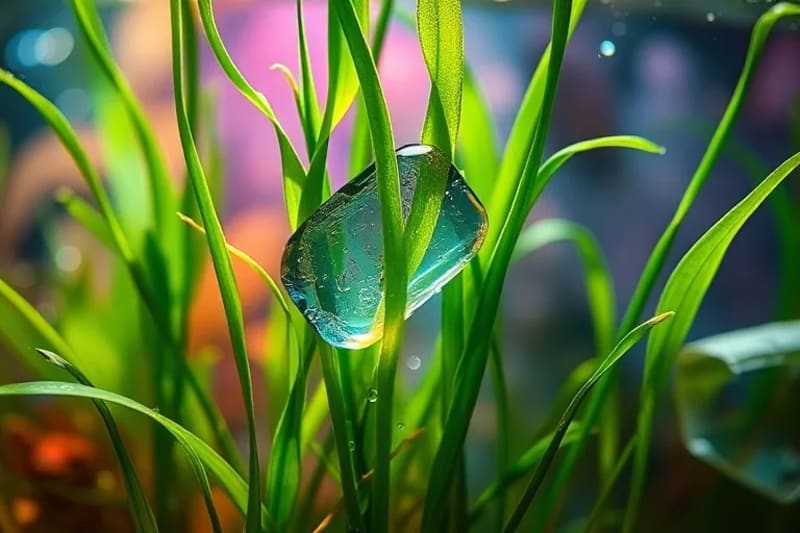 A visual representation of the subtle yet pervasive infiltration of synthetic particles into the foundational elements of our natural environment, highlighting the interconnectedness of life forms with these emerging contaminants.
This conceptual image is an AI-generated render, designed to illustrate the intricate relationship between microscopic pollutants and organic structures, drawing on themes of environmental science and ecological impact.
These tiny particles are incredibly persistent, resisting degradation for hundreds to thousands of years. Their small size allows them to be easily transported by wind and water currents, facilitating their dispersal across vast distances. Consequently, microplastics have been detected in diverse environments, from Arctic ice to deep-sea sediments, and are now a common finding in air, soil, and freshwater systems, making them a truly global contaminant. The ubiquity of microplastics underscores the urgent need for comprehensive research and effective mitigation strategies.
Sources and Pathways into the Food Chain
The sources of microplastics are diverse, ranging from large-scale industrial activities to everyday consumer products. Primary microplastics include microbeads found in cosmetics and personal care products, as well as plastic pellets used in manufacturing. Secondary microplastics, however, constitute the majority of the problem, resulting from the breakdown of larger plastic items such as packaging, fishing gear, and synthetic textiles.
Once released into the environment, microplastics follow multiple pathways to enter the food chain. In aquatic environments, they are ingested by marine organisms, from zooplankton to large fish, often mistaking them for food. These particles can then accumulate in the digestive tracts and tissues of these organisms, leading to trophic transfer as predators consume contaminated prey. Similarly, in terrestrial ecosystems, microplastics are found in agricultural soils, often introduced through sewage sludge, plastic mulches, and atmospheric deposition.
Plants can absorb microplastics through their roots, potentially transferring them to fruits and vegetables. Livestock and poultry can also ingest microplastics through contaminated feed or water. This complex web of pathways ensures that microplastics are not confined to specific environments but are systematically integrated into various food sources consumed by humans. The intricate journey from source to plate highlights the systemic nature of this environmental challenge.
Impact on Aquatic and Terrestrial Ecosystems
The ecological impact of microplastics is far-reaching, affecting both aquatic and terrestrial environments. In marine ecosystems, ingestion of microplastics can cause physical harm to organisms, including blockages in the digestive tract, reduced feeding, and decreased energy allocation. Furthermore, microplastics can act as vectors for harmful chemicals, adsorbing pollutants from the surrounding environment and releasing them into the organisms that ingest them.
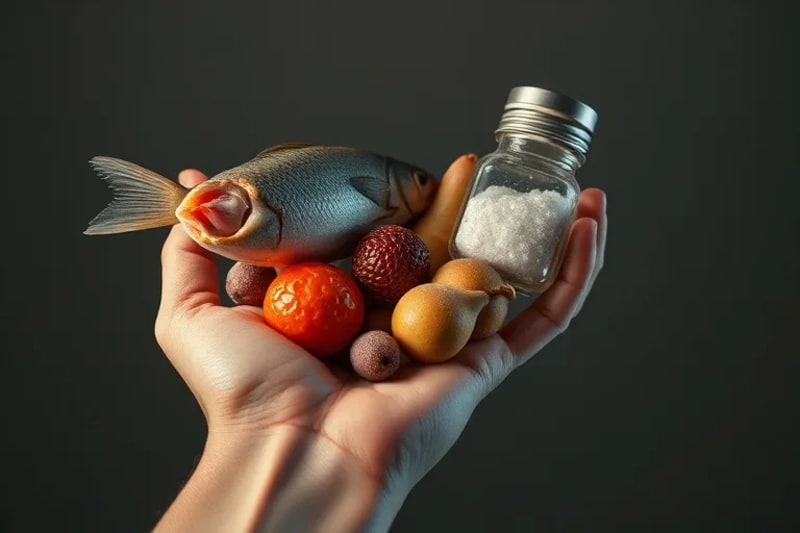 An artistic interpretation illustrating the subtle presence of synthetic particles within common food items, prompting reflection on the unseen elements in our daily consumption.
This digital painting is a conceptual rendering, exploring the theme of hidden contaminants in our food supply through a blend of realism and abstract elements.
Terrestrial ecosystems are equally vulnerable, though research in this area is still emerging. Microplastics in soil can alter soil structure, affect water retention, and impact microbial communities crucial for nutrient cycling. Earthworms and other soil invertebrates have been shown to ingest microplastics, potentially transferring them up the food web to birds and mammals. The long-term consequences of these disruptions on ecosystem health and biodiversity are still being investigated, but preliminary findings suggest a significant threat.
The presence of microplastics in various environments also affects the quality and safety of agricultural products. Studies have detected microplastics in crops grown in contaminated soils, raising concerns about their accumulation in plant tissues. This widespread environmental contamination highlights the need for a holistic approach to address plastic pollution, considering its pervasive impact across all ecological domains. For more insights on ecological concerns, consider exploring topics like Astrological Climate Transitions and Ecological Consciousness, which touches upon the broader environmental awareness.
Human Exposure Routes: How We Ingest Microplastics
Humans are exposed to microplastics through multiple pathways, primarily through ingestion, but also via inhalation and dermal contact. Dietary intake is considered a major route, with various food items identified as significant contributors. Seafood, particularly shellfish, is a well-documented source, as these filter-feeding organisms accumulate microplastics from their environment. Fish can also contain microplastics, although they are often concentrated in the digestive tract, which is typically removed before consumption.
Beyond seafood, microplastics have been found in a wide array of human food products. Table salt, beer, honey, and bottled water are common examples. Tap water, too, has shown varying levels of microplastic contamination across different regions. Even fresh produce, such as fruits and vegetables, can contain microplastics absorbed from contaminated soil or water used for irrigation. The ubiquitous nature of plastic means that almost every meal we consume could potentially contain these microscopic particles.
Inhalation of airborne microplastics, originating from synthetic textiles, car tires, and urban dust, is another significant exposure route. These particles can settle on food during preparation or directly enter the respiratory system. The cumulative effect of these diverse exposure routes means that the average person is likely ingesting and inhaling thousands of microplastic particles annually, making it a ubiquitous challenge to human health. This pervasive exposure underscores the need for proactive measures to protect ourselves.
Potential Health Implications for Humans
The potential health implications of microplastic ingestion are a growing area of scientific inquiry. While research is still in its early stages, several mechanisms by which microplastics could harm human health have been proposed and are being actively investigated. These include physical damage, chemical toxicity, and disruption of the gut microbiome. The small size of microplastics allows them to traverse biological barriers, potentially reaching various organs and tissues within the body.
One primary concern is the physical irritation and inflammation that microplastics might cause in the gastrointestinal tract. Studies in animal models have shown that ingested microplastics can lead to inflammation, oxidative stress, and changes in gut permeability. Furthermore, microplastics are known to carry and leach chemical additives (e.g., phthalates, BPA) and adsorbed environmental pollutants (e.g., heavy metals, persistent organic pollutants). These chemicals are endocrine disruptors and carcinogens, which could pose significant health risks upon chronic exposure.
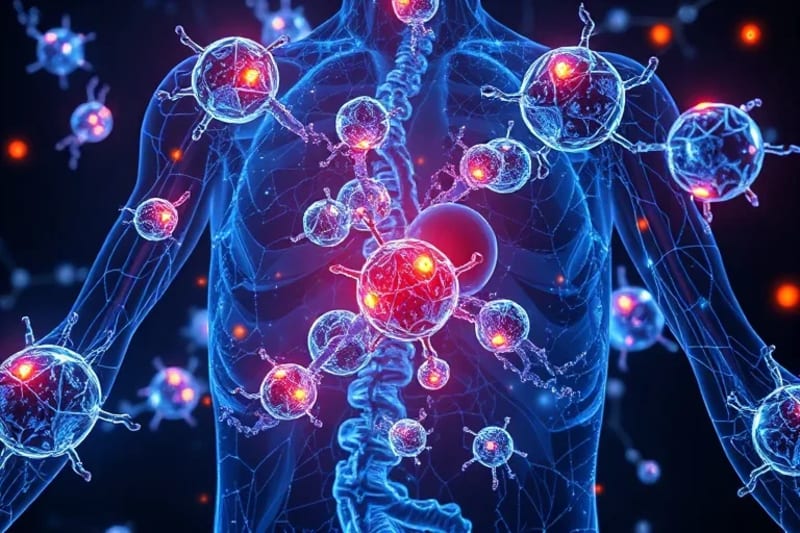 A conceptual visualization of synthetic particles interacting at a cellular level within the human body, representing the abstract challenges posed by microplastic infiltration to biological systems.
This 3D render is a conceptual artwork, exploring the microscopic and systemic effects of environmental pollutants on human physiology through an abstract and scientific lens.
The gut microbiome, a critical regulator of human health, may also be affected. Alterations in the composition and function of gut bacteria due to microplastic exposure could lead to immune dysregulation, metabolic disorders, and even neurological impacts. While direct evidence in humans is still accumulating, the precautionary principle suggests that minimizing exposure is a prudent approach. The scientific community continues to explore these complex interactions to provide a clearer picture of the long-term health consequences.
Biohacking Strategies for Mitigation and Resilience
Given the pervasive nature of microplastics, complete avoidance is challenging, but biohacking strategies can help minimize exposure and enhance the body's natural resilience. Biohacking involves making small, incremental changes to one's lifestyle to optimize health and well-being. When it comes to microplastics, this means focusing on reducing intake and supporting detoxification pathways.
Reducing Exposure
- Filter Your Water: Invest in a high-quality water filter for both tap water and shower water. Filters with activated carbon or reverse osmosis systems can significantly reduce microplastic particles.
- Choose Glass and Stainless Steel: Minimize the use of plastic containers for food and beverages. Opt for glass, stainless steel, or ceramic alternatives, especially for hot foods and liquids, as heat can accelerate plastic leaching.
- Avoid Single-Use Plastics: Reduce reliance on single-use plastic items like plastic bags, straws, and disposable cutlery. Bring reusable alternatives whenever possible.
- Wash New Clothes: Wash new synthetic clothing items before wearing them to remove loose microfibers. Consider using a laundry bag designed to capture microfibers during washing.
- Vacuum Regularly: Microplastics can accumulate in household dust. Regular vacuuming with a HEPA filter can help reduce airborne particles.
Supporting Detoxification and Gut Health
While the body's ability to excrete microplastics is still under investigation, supporting general detoxification pathways and gut health can enhance overall resilience. A healthy gut microbiome is crucial for processing and eliminating toxins. This ties into broader biohacking principles for longevity, as detailed in articles like Biohacking Longevity: Genomic and Cellular Strategies.
- Fiber-Rich Diet: Consume a diet rich in dietary fiber from fruits, vegetables, and whole grains. Fiber supports regular bowel movements, aiding in the elimination of waste products and potentially microplastics.
- Probiotics and Prebiotics: Incorporate fermented foods (e.g., yogurt, kimchi, sauerkraut) or probiotic supplements to maintain a healthy gut flora. Prebiotic foods (e.g., garlic, onions, asparagus) feed beneficial gut bacteria.
- Antioxidant-Rich Foods: A diet high in antioxidants helps combat oxidative stress, which can be induced by various environmental toxins, including chemicals associated with microplastics. Berries, dark leafy greens, and nuts are excellent sources.
- Hydration: Adequate water intake is essential for kidney function and overall detoxification processes.
- Support Liver Function: Foods like cruciferous vegetables (broccoli, kale), artichokes, and dandelion greens can support liver detoxification pathways.
The connection between gut health and overall well-being, including mental health, is profound. Understanding and nurturing this relationship can be a powerful biohacking tool. Learn more about this vital link by reading about the Gut-Brain Connection: Nutrition and Mental Health.
Future Research, Policy, and Collective Action
Addressing the microplastic crisis requires a multi-faceted approach involving continued scientific research, robust policy development, and collective action from individuals, industries, and governments. Future research needs to focus on standardized methods for microplastic detection, more comprehensive studies on human health impacts, and the development of effective remediation technologies.
Policy initiatives are crucial for tackling the problem at its source. This includes regulations on plastic production, improved waste management infrastructure, and the promotion of sustainable alternatives. International cooperation is also vital, as microplastic pollution transcends national borders. Governments and organizations are increasingly recognizing the urgency of this issue and are working towards global solutions.
Individual actions, while seemingly small, collectively contribute to a larger impact. Reducing personal plastic consumption, supporting businesses with sustainable practices, and advocating for stronger environmental policies are all important steps. By combining personal responsibility with systemic changes, we can work towards a future where our food chain is free from invisible plastic contaminants, ensuring better health for both people and the planet.
Explore More Insights
- Ethnobotany Bioinnovation: Ancestral Medicinal Plants Future
- Biohacking Longevity Extreme: Genomic Cellular Strategies
- Gut-Brain Connection: Nutrition Mental Health
- Digital Law: Protecting Privacy in the Era of Big Data
- Ecological Divination: Tarot, Runes, Oracles for Earth Healing
Source: Hybrid content assisted by AI and human editorial supervision.


Comentarios