
Michael Jackson Thriller: Sonic Innovation Legacy
Michael Jackson Thriller: Sonic Innovation Legacy
Michael Jackson's "Thriller," released in 1982, transcends its status as a mere album; it stands as a monumental cultural artifact that reshaped the music industry, blending genres, pioneering music video artistry, and setting unprecedented sales records. This work is not just a collection of songs but a testament to the King of Pop's unparalleled vision and meticulous craftsmanship, influencing generations of artists and solidifying his place in history as a true innovator.
The album's impact was immediate and profound, breaking down racial barriers on MTV and transforming the music video into a powerful narrative medium. Its sonic landscape, a fusion of pop, rock, R&B, and funk, was meticulously sculpted by Jackson and producer Quincy Jones, creating a sound that was both accessible and revolutionary. This article delves into the intricate layers of "Thriller," exploring the innovative production techniques, its groundbreaking visual components, and the enduring legacy it imprinted on global culture.
- The Genesis of a Phenomenon
- Revolutionizing Sound: Production Techniques in Thriller
- Visual Storytelling: The Music Videos
- Thriller's Enduring Cultural and Commercial Impact
- The Legacy Beyond the Album
The Genesis of a Phenomenon
Following the massive success of "Off the Wall" (1979), Michael Jackson faced the daunting task of surpassing his own achievements. He aimed to create an album where "every song was a killer," a collection without filler tracks. This ambition, coupled with his perfectionist nature and the collaborative genius of Quincy Jones, laid the groundwork for "Thriller." The creative process was intense, with Jackson deeply involved in every aspect, from songwriting and arrangement to vocal performance and production nuances.
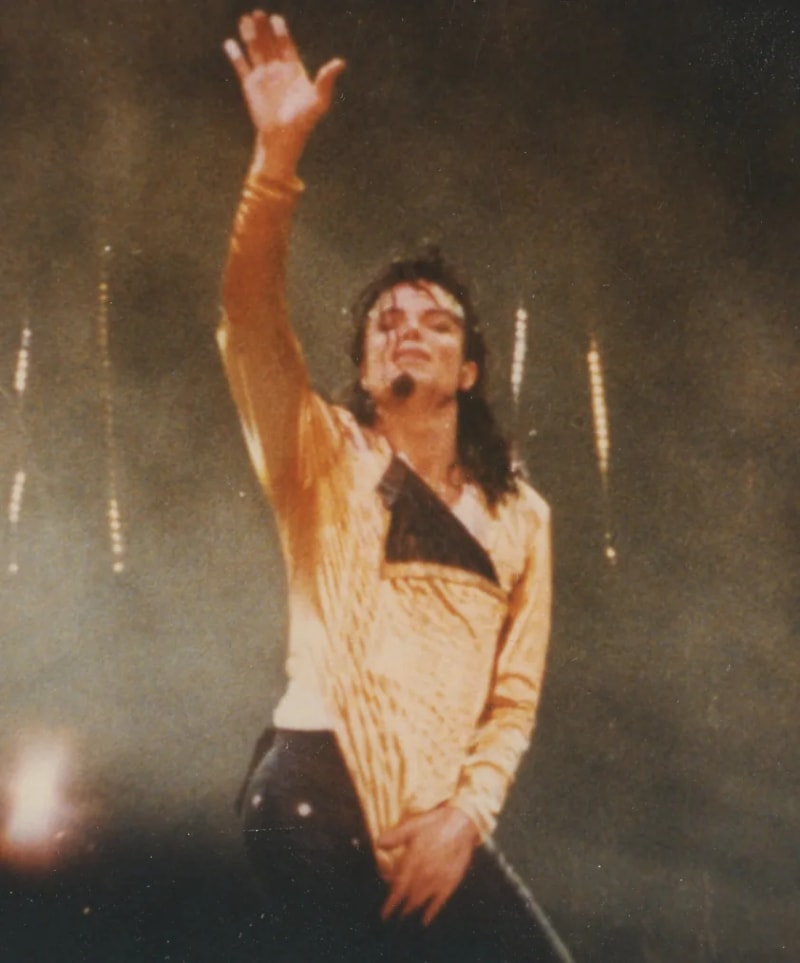
Precursors, intellectual diagrams, and conceptual representations that shaped the vision of the iconic pop artist during his pivotal "Thriller" era.
This image, sourced from Wikimedia Commons, is a rendition under public domain, reflecting the artistic and historical context of the period.The album's conception was driven by a desire to push boundaries, not just commercially but artistically. Jackson envisioned a sound that would appeal to a global audience, transcending genre classifications. This meant incorporating elements from rock, as seen with Eddie Van Halen's guitar solo on "Beat It," alongside the R&B and funk foundations that characterized his previous work. The result was a cohesive yet diverse sound, a hallmark of "Thriller's" universal appeal.
The recording sessions were a meticulous affair, often involving countless takes and extensive experimentation. Jackson's vocal delivery, characterized by its emotional depth and technical precision, was a focal point. He utilized a wide vocal range, from his signature falsetto to powerful belts, often layering multiple vocal tracks to create rich harmonies and textures. This dedication to vocal excellence became a defining characteristic of the album's sound.
Revolutionizing Sound: Production Techniques in Thriller
Quincy Jones and Michael Jackson employed a blend of cutting-edge technology and traditional musicianship to craft "Thriller's" distinctive sound. The album was recorded using state-of-the-art analog equipment, but it also embraced emerging digital synthesis and drum machines, creating a fresh, contemporary feel. The meticulous layering of instruments, vocals, and sound effects contributed to a rich, immersive auditory experience.

A conceptual still-life illustrating the profound media impact and iconic status of a musical legend.
This conceptual artwork, a render assisted by advanced AI, captures the essence of widespread influence and artistic legacy.One of the key innovations was the use of the Fairlight CMI synthesizer, a digital sampler and workstation that allowed for unprecedented sonic manipulation. This technology enabled the creation of unique sounds and textures that were previously impossible, contributing to the album's futuristic feel. The integration of such advanced tools with live instrumentation, performed by some of the era's finest session musicians, resulted in a dynamic and vibrant soundscape.
The drum programming, often featuring the LinnDrum machine, provided a tight, rhythmic foundation that propelled many of the tracks. This digital precision was then often blended with live drum performances, adding a human feel to the electronic beats. This hybrid approach to rhythm became a benchmark for pop and R&B production throughout the 1980s and beyond.
The mixing process was equally critical, with Bruce Swedien, the album's engineer, meticulously crafting each track. Swedien's "Acusonic Recording Process," which involved recording instruments in separate, acoustically isolated spaces, allowed for exceptional clarity and separation in the mix. This technique, combined with his innovative use of stereo imaging and dynamic processing, gave "Thriller" its characteristic spaciousness and punch.
The production of "Thriller" was a masterclass in sonic engineering, demonstrating how technology could be harnessed to serve artistic vision. It set new standards for album production, influencing countless artists and producers. For a deeper dive into the complexities of musical production, one might explore the detailed analysis of Michael Jackson Production 'They Don't Care About Us', showcasing his continued commitment to sonic excellence.
Visual Storytelling: The Music Videos
Beyond its sonic brilliance, "Thriller" revolutionized the music video as an art form. The videos for "Billie Jean," "Beat It," and especially "Thriller" were cinematic masterpieces that transformed MTV from a nascent music channel into a cultural powerhouse. These videos were not mere promotional tools; they were short films that expanded the narrative and emotional scope of the songs.
"Billie Jean," directed by Steve Barron, was groundbreaking for its visual effects and narrative. It depicted the artist as a mysterious figure, surrounded by light and shadow, highlighting his enigmatic persona. The video's powerful imagery and choreography played a crucial role in breaking the color barrier on MTV, paving the way for other Black artists.

A conceptual artwork exploring the abstract fusion of digital and analog elements in groundbreaking musical production.
This image, a highly detailed AI-generated render, symbolizes the complex interplay of technology and artistry in creating iconic sounds."Beat It," directed by Bob Giraldi, was a powerful anti-gang statement, featuring real gang members alongside professional dancers. Its iconic choreography and narrative of unity through dance resonated deeply with audiences. The video's high production value and cinematic approach set a new standard for music videos, demonstrating their potential for social commentary and artistic expression.
The crowning jewel was the "Thriller" music video, a 14-minute horror-themed short film directed by John Landis. This video transcended all previous attempts, featuring elaborate makeup, special effects, and a complex narrative. It premiered to massive anticipation and became a cultural phenomenon, forever changing how music was consumed and experienced. The video's iconic zombie dance sequence remains one of the most recognizable moments in music history, showcasing the artist's unparalleled ability to blend music, dance, and cinematic storytelling.
The visual innovation of "Thriller" was so significant that it influenced not only subsequent music videos but also filmmaking and popular culture at large. It proved that music videos could be powerful artistic statements, capable of driving album sales and shaping public perception. This era of visual dominance in music also parallels the growing importance of visual data in fields like artificial intelligence, where understanding complex patterns is key. For more on how technology shapes our understanding of complex systems, consider reading about Black Holes and AI: Unraveling Computational Cosmic Mysteries.
Thriller's Enduring Cultural and Commercial Impact
"Thriller" became the best-selling album of all time, a record it still holds, with estimated sales exceeding 70 million copies worldwide. Its commercial success was matched by its critical acclaim, earning a record-breaking eight Grammy Awards in 1984. The album's unprecedented reach broke down racial and demographic barriers, appealing to listeners of all ages and backgrounds.
The album's influence extended far beyond sales figures. It solidified Michael Jackson's status as a global icon, a figure whose music and artistry transcended boundaries. His unique blend of showmanship, vocal talent, and innovative spirit made him a household name across continents. The "Thriller" era established the artist as a true pioneer, not just in music but in popular culture.
Moreover, "Thriller" played a significant role in shaping the modern music industry. It demonstrated the power of cross-promotion, with music videos, live performances, and merchandise all contributing to the album's massive appeal. The album's success also highlighted the growing importance of global markets, as Jackson's music resonated with audiences worldwide. This global interconnectedness is a theme that continues to shape various industries, including the complex dynamics of Global Supply Chain Crisis: Impact on Current Economy.
The album's cultural impact is evident in its continued relevance. Songs like "Billie Jean," "Beat It," and "Thriller" remain staples on radio and in popular media. The "Thriller" dance has been recreated countless times, becoming a ubiquitous part of Halloween celebrations and pop culture references. This enduring popularity speaks to the timeless quality of the music and the powerful imagery it created.
The Legacy Beyond the Album
The legacy of "Thriller" is multifaceted, encompassing its musical innovation, visual artistry, and profound cultural influence. It set a benchmark for artistic excellence and commercial success that few albums have ever matched. Michael Jackson's work on "Thriller" continues to inspire artists across genres, from pop and R&B to hip-hop and electronic music, demonstrating the timeless appeal of his creative genius.
The album's impact on music production is still felt today. The blend of electronic and acoustic elements, the meticulous layering, and the emphasis on sonic clarity are all techniques that became standard practice in modern recording. Producers and engineers continue to study "Thriller" as a masterclass in how to craft a sonically rich and commercially successful album.
Furthermore, "Thriller" cemented the artist's role as a humanitarian and cultural ambassador. His global reach allowed him to address important social issues through his music and public platform, advocating for peace, unity, and environmental awareness. The album, through its universal appeal, fostered a sense of global community and shared cultural experience.
In conclusion, "Thriller" is more than just an album; it is a cultural phenomenon that redefined the music industry and popular culture. Its sonic innovation, groundbreaking music videos, and unparalleled commercial success created a legacy that continues to resonate decades later. Michael Jackson's vision and artistry on "Thriller" remain a powerful testament to the transformative power of music and its ability to unite and inspire the world.
Explore More of Our Content Ecosystem
- Ada Lovelace Algorithmic Legacy: Quantum Computing, Modern AI
- AI Ethics: Philosophical Challenges, Algorithmic Biases, Digital Consciousness
- Augmented Reality Retail: Immersive Marketing and Future
- Green Emerging Markets Investments: Sustainable Double Impact Funds
- Blue Bonds: Sustainable Ocean Economy Financing
- Space Geopolitics: Extraterrestrial Resources, Economic Sovereignty
- Asymmetric Cryptography: Fundamentals, Uses, Digital Security Applications
- DeFi Microfinance Latin America Financial Inclusion Sustainable
- Colombia Foreign Companies: Legal Framework, Articles 469-497
- Advanced Sports Nutrition: Supplements, Diets, and Optimal Performance
- Antivirus History: Primitive Detectors, Multi-Layer Solutions
- Greek Abacus Legacy: Ancient Calculators, AI Evolution
- Human Aura: Colors, Interpretation and Strengthening | AstroFuturo
- Lenormand Oracle: Divination, Daily Guidance, Everyday Decisions | AstroFuturo
- Aquarius Soulmate Compatibility: Advanced Synastry Guide | StarPluto
Source: Hybrid content assisted by AI and human editorial supervision.


Comentarios