
Neuroarchitecture and Brain Longevity: Designing Spaces That Enhance Well-Being
Neuroarchitecture represents an emergent interdisciplinary field that integrates neuroscience, cognitive psychology, and architectural design principles. Its primary objective is to create built environments that positively influence brain function, emotional states, and overall well-being. This specialized approach is particularly pertinent to the concept of brain longevity, focusing on designing spaces that support cognitive health and resilience throughout the aging process.
The intricate relationship between our surroundings and neural processes is becoming increasingly understood through advanced neuroimaging and behavioral studies. By meticulously crafting spaces, neuroarchitecture aims to optimize brain performance, reduce stress, and foster environments conducive to healthy aging. This article delves into the core tenets of neuroarchitecture and its profound implications for enhancing brain longevity.
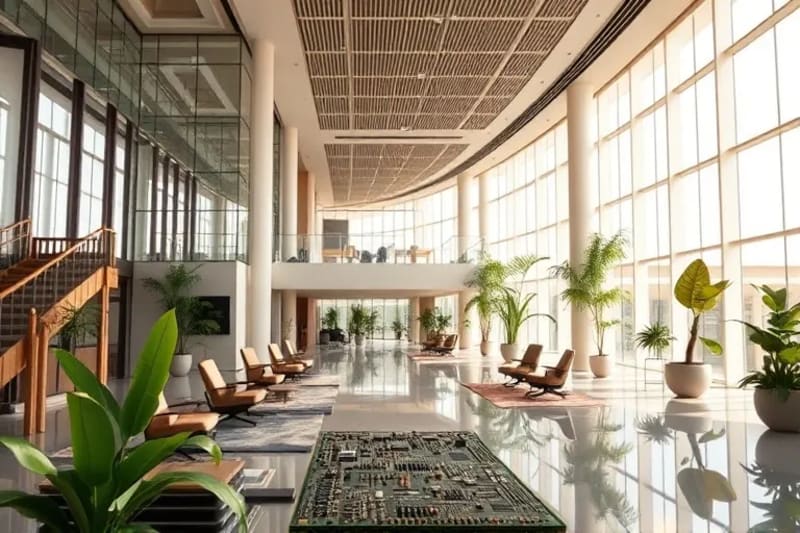
Exploring the intricate connection between meticulously designed spaces and enhanced cognitive function, fostering an environment for mental clarity and healthy aging.
Image conceptualized by AI, blending architectural innovation with principles of cognitive science.Table of Contents
- Foundational Principles of Neuroarchitecture
- Environmental Factors and Cognitive Function
- Biophilic Design and Brain Health
- Lighting, Circadian Rhythms, and Cognitive Performance
- Acoustic Design and Mental Clarity
- Spatial Layout and Social Interaction
- Technological Integration and Smart Environments
- Case Studies and Practical Applications
- Future Directions and Research Imperatives
Foundational Principles of Neuroarchitecture
Neuroarchitecture operates on the premise that the built environment profoundly impacts our neurophysiology and psychological states. It moves beyond conventional aesthetics to incorporate evidence-based design strategies derived from neuroscience. Key principles include optimizing sensory input, facilitating natural movement, and fostering a sense of control and safety within a space.
This approach considers how elements like light, sound, texture, and spatial configuration can modulate brain activity, neurotransmitter release, and hormonal balance. The ultimate goal is to create spaces that mitigate stress, enhance cognitive performance, and support emotional regulation. Understanding these fundamental interactions is crucial for designing environments that promote brain longevity.
Environmental Factors and Cognitive Function
Numerous environmental factors have been identified as critical modulators of cognitive function. These include access to natural light, exposure to natural elements, air quality, thermal comfort, and acoustic conditions. Suboptimal conditions in any of these areas can lead to increased stress, decreased attention span, and impaired memory.
For instance, studies have shown that poor indoor air quality, characterized by high levels of volatile organic compounds (VOCs) and particulate matter, can negatively affect decision-making and cognitive processing speed. Neuroarchitecture seeks to address these issues holistically, integrating solutions that enhance both physical and cognitive comfort. This comprehensive approach is vital for supporting healthy brain function over time, aligning with strategies for longevity economy investments.
Biophilic Design and Brain Health
Biophilic design, a cornerstone of neuroarchitecture, posits that humans have an innate tendency to connect with nature. Incorporating natural elements, such as plants, water features, natural light, and views of greenery, has been shown to reduce stress, improve mood, and enhance cognitive performance. This connection is not merely aesthetic; it taps into deep evolutionary predispositions.

An artistic interpretation of how environmental design elements subtly influence neural pathways and cognitive processes.
Conceptual artwork rendered by AI, exploring the subtle interplay between nature and neurological well-being.Research indicates that exposure to natural environments can lower cortisol levels, improve heart rate variability, and activate brain regions associated with empathy and emotional regulation. For brain longevity, biophilic design can help maintain cognitive vitality and reduce the risk of age-related cognitive decline by providing restorative environments.
Examples include incorporating living walls, designing courtyards with natural landscaping, and maximizing window access to outdoor views. Even subtle integration of natural patterns and materials can yield significant benefits for mental well-being and brain health.
Lighting, Circadian Rhythms, and Cognitive Performance
Light is a fundamental environmental cue that regulates our circadian rhythms, influencing sleep-wake cycles, hormone production, and cognitive function. Neuroarchitecture emphasizes dynamic lighting design that mimics natural daylight patterns to support these biological rhythms. Disruption of circadian rhythms is linked to various health issues, including cognitive impairment and accelerated aging.
Optimal lighting design involves maximizing exposure to natural daylight, especially in the morning, and minimizing exposure to blue light in the evening. Advanced lighting systems can dynamically adjust color temperature and intensity throughout the day, providing biologically effective illumination. This not only enhances alertness and productivity but also promotes restorative sleep, a critical factor for brain health and biohacking for extreme longevity.
Acoustic Design and Mental Clarity
The acoustic environment plays a significant role in our cognitive load and stress levels. Excessive noise, reverberation, or a lack of acoustic privacy can impair concentration, increase anxiety, and negatively impact communication. Neuroarchitectural acoustic design focuses on creating soundscapes that support mental clarity and reduce cognitive fatigue, especially in environments for older adults.
Strategies include using sound-absorbing materials, designing spaces to minimize noise transmission, and incorporating sound masking systems. Creating quiet zones and areas for focused work or relaxation is also crucial. A well-managed acoustic environment can significantly reduce stress and improve overall cognitive function, contributing to sustained brain health.
Spatial Layout and Social Interaction
The configuration of space can influence movement patterns, social interaction, and feelings of autonomy. Neuroarchitecture aims to create intuitive layouts that reduce cognitive effort for navigation and promote social engagement. For aging populations, clear sightlines, accessible pathways, and legible spatial cues are paramount to prevent disorientation and foster independence.
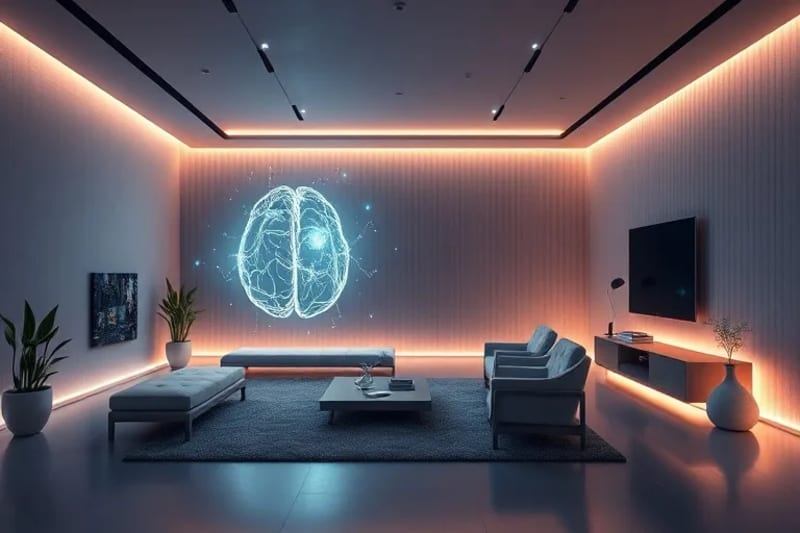
A detailed 3D render showcasing innovative design principles, such as dynamic lighting and acoustic panels, that contribute to optimal brain health.
High-fidelity AI render illustrating the practical application of neuroarchitectural concepts in a living space.Designing communal areas that encourage spontaneous interaction while offering options for privacy supports mental well-being and reduces feelings of isolation. Social interaction is a known protective factor against cognitive decline, making thoughtful spatial planning a vital component of brain longevity strategies. This also ties into the broader concept of managing happiness and productivity in various environments.
Technological Integration and Smart Environments
The integration of smart technologies offers unprecedented opportunities for creating responsive and adaptive neuroarchitectural environments. Sensors can monitor air quality, light levels, and occupancy, dynamically adjusting environmental parameters to optimize comfort and cognitive support. AI-driven systems can learn individual preferences and adapt spaces accordingly.
For instance, smart lighting systems can adjust automatically to an individual's circadian rhythm, while intelligent climate control can maintain optimal thermal conditions. Wearable technology can also provide feedback on physiological responses to the environment, allowing for personalized adjustments. This synergy between design and technology holds immense promise for enhancing brain longevity.
Case Studies and Practical Applications
The principles of neuroarchitecture are increasingly being applied in various settings, from healthcare facilities and educational institutions to workplaces and residential homes. In hospitals, neuroarchitectural designs aim to reduce patient stress, accelerate recovery, and improve staff well-being. Features like access to gardens, natural light, and calming color palettes are commonly integrated.
In educational settings, these designs focus on enhancing concentration, creativity, and learning outcomes through optimized lighting, acoustics, and flexible learning spaces. Residential applications emphasize creating restorative home environments that support cognitive engagement and emotional balance, particularly for aging individuals. These real-world examples demonstrate the tangible benefits of this scientific approach to design.
Future Directions and Research Imperatives
The field of neuroarchitecture is still evolving, with ongoing research continuing to uncover deeper connections between environment and brain health. Future directions include more rigorous empirical studies, longitudinal analyses of neuroarchitectural interventions, and the development of standardized metrics for evaluating cognitive and emotional impacts. The ethical implications of designing environments that subtly influence behavior also warrant careful consideration.
As our understanding of brain function advances, particularly in areas like neuroplasticity and epigenetic influences, neuroarchitecture will continue to refine its methodologies. The ultimate vision is to create a world where every built environment actively contributes to human flourishing and sustained cognitive vitality, ensuring a higher quality of life for an aging global population. This interdisciplinary effort is crucial for advancing our collective well-being.
Explore More Insights
- Sports Psychology: Mental Preparation for Elite Athletes
- Water Geopolitics 21st Century: Conflicts, Opportunities, Business
- Ultramarathon: Preparation, Nutrition, Extreme Recovery
- Genetic Editing Future: Biohacking Longevity Ethical Limits
- Male Hormonal Biohacking: Optimal Longevity Performance
- Home Cybersecurity: Protect Devices and Networks
- Negotiation Psychology: Strategies for Success
- Lovelace Notes: Quantum Computing and Modern AI
- Green Emerging Market Investments: Sustainable Funds Dual Impact
- Ethical Artificial Intelligence: Dilemmas, Consciousness, Social Impact
- Quantum Astrology in the Metaverse: Sacred Geometry and Conscious Realities
- Predictive AI Astrology: Cosmic Algorithms Personalized Future
- Painful Mysteries: Profound Reflection on Redemptive Suffering
- Divine Will: Profound Path of Union with God
- MC and IC Axis: Unraveling Soul's Calling
- North Node in Houses: Decoding Your Karmic Destiny
- Mesoamerican Astrology AI Oracles Lost Cosmic Cycles
Source: Hybrid content assisted by AI and human editorial supervision.


Comentarios