
Metaverse Entrepreneurship: Business Models, Legal Challenges
The metaverse represents a paradigm shift in how individuals interact with digital environments, offering persistent, shared, and immersive virtual spaces. This evolving digital frontier is not merely a technological advancement but a nascent economic ecosystem ripe with entrepreneurial opportunities. Understanding its potential requires a deep dive into the innovative business models emerging within it, alongside a critical examination of the complex legal and regulatory challenges that accompany this transformation.
As technology continues to blur the lines between the physical and virtual, entrepreneurs are finding new avenues for value creation, from digital asset ownership to experiential commerce. However, the decentralized and borderless nature of the metaverse introduces unprecedented legal complexities, demanding novel approaches to intellectual property, data privacy, and jurisdiction. This article explores the multifaceted landscape of metaverse entrepreneurship, dissecting its core business models and the formidable legal hurdles that must be navigated for its sustainable growth.
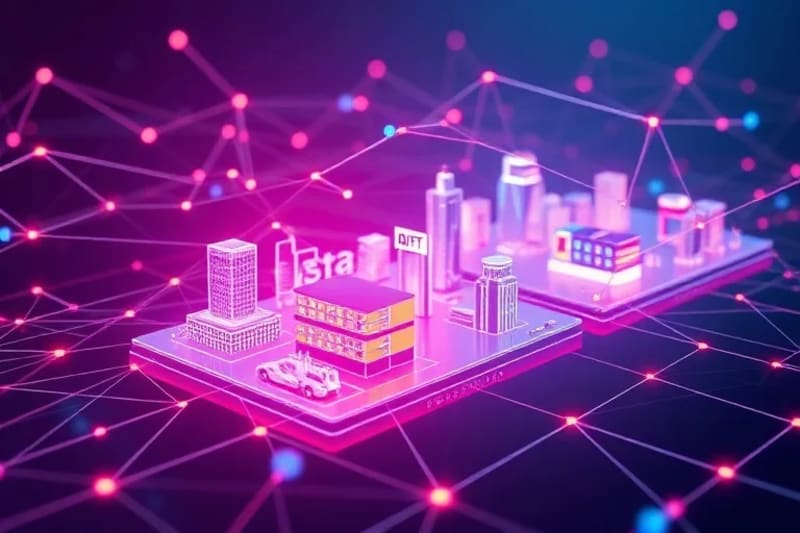
 Conceptual representations of interconnected digital economies, virtual marketplaces, and the innovative spirit driving new forms of commerce in immersive online environments.
This image is a conceptual AI rendering, illustrating the dynamic and evolving nature of digital entrepreneurship within virtual worlds, provided under a free-to-use license.
Table of Contents
- Emerging Business Models in the Metaverse
- Technological Foundations of Metaverse Commerce
- Navigating the Legal Landscape: Key Challenges
- Intellectual Property, Data Privacy, and Jurisdiction
- Consumer Protection, Taxation, and Regulatory Compliance
- Opportunities and Future Outlook for Metaverse Ventures
Emerging Business Models in the Metaverse
The metaverse fosters a diverse array of business models, many of which leverage blockchain technology and non-fungible tokens (NFTs) to establish digital ownership and scarcity. These models often mirror real-world economic activities but are enhanced by the unique properties of virtual environments, offering unprecedented scalability and global reach. The core principle revolves around creating, owning, and monetizing digital assets and experiences.
One of the most prominent models is **Virtual Real Estate and Land Ownership**. Platforms like Decentraland and The Sandbox allow users to purchase, develop, and monetize virtual plots of land, often represented as NFTs. These digital parcels can host virtual stores, art galleries, event venues, or even residential properties, generating revenue through rentals, advertising, or direct sales of digital goods and services. The value of this virtual land is often driven by its location, utility, and the community built around it.
Another significant area is the creation and trade of **Digital Goods and Services**. This encompasses everything from virtual fashion and accessories for avatars to unique digital art, collectibles, and in-game assets. Brands are increasingly launching digital collections, allowing users to express their identity in virtual spaces. Service-based businesses also thrive, with virtual event planners, metaverse architects, and digital content creators offering specialized skills to individuals and companies operating in these environments.
 A visual representation of the intricate web of business models, from virtual real estate to digital goods, that define the economic landscape of the metaverse.
**Experiential Commerce** is rapidly gaining traction, transforming how entertainment, education, and social interactions occur. Virtual concerts, conferences, art exhibitions, and even tourism experiences are becoming commonplace, offering immersive alternatives to physical events. Businesses can monetize these experiences through ticket sales, sponsorships, and exclusive digital merchandise, reaching a global audience without geographical constraints. This model highlights the metaverse's capacity to deliver unique, interactive, and memorable engagements.
**Advertising and Marketing** within the metaverse present new frontiers for brands. Traditional advertising methods are being reimagined for 3D environments, including virtual billboards, sponsored events, and immersive brand activations. Companies can create persistent brand presences, engage consumers through interactive campaigns, and gather valuable data on user behavior within these digital worlds. The potential for highly targeted and engaging marketing strategies is immense, moving beyond static ads to dynamic, interactive brand experiences.
Finally, **Decentralized Autonomous Organizations (DAOs)** are emerging as a governance and operational model for metaverse projects. DAOs use smart contracts to automate decision-making and distribute ownership among token holders, enabling community-driven development and management of virtual platforms. This model fosters transparency and democratic participation, allowing entrepreneurs to build and scale projects with collective input and shared incentives, redefining traditional corporate structures.
Technological Foundations of Metaverse Commerce
The robust infrastructure supporting metaverse entrepreneurship relies on a convergence of advanced technologies. At its core, **blockchain technology** provides the decentralized ledger necessary for transparent ownership and secure transactions of digital assets. NFTs, built on blockchain, enable the unique identification and transfer of virtual goods, real estate, and collectibles, establishing verifiable scarcity and authenticity in the digital realm.
**Virtual Reality (VR) and Augmented Reality (AR)** hardware and software are crucial for delivering immersive experiences. VR headsets transport users entirely into virtual worlds, while AR overlays digital information onto the physical environment, creating mixed-reality experiences. These technologies are continually evolving, offering more realistic graphics, haptic feedback, and intuitive interaction methods that enhance user engagement and facilitate deeper immersion in metaverse activities.
**Artificial Intelligence (AI)** plays a pivotal role in enhancing metaverse functionality, from generating realistic environments and non-player characters (NPCs) to personalizing user experiences and optimizing content delivery. AI-powered algorithms can analyze user behavior to tailor recommendations, facilitate natural language interactions with virtual agents, and even assist in the creation of digital assets. The integration of AI is expected to make metaverse environments more dynamic, responsive, and intelligent.
Furthermore, **high-speed internet connectivity** (e.g., 5G) and **edge computing** are essential for reducing latency and enabling seamless, real-time interactions within the metaverse. These technological pillars collectively create the foundation upon which innovative business models can be built, ensuring a persistent, interactive, and economically viable virtual world. For those interested in the broader implications of virtual environments on human behavior, exploring topics like behavioral addictions and virtual reality therapy offers valuable insights into the societal impact of these technologies.
Navigating the Legal Landscape: Key Challenges
The rapid evolution of the metaverse has outpaced the development of comprehensive legal frameworks, creating a complex and often ambiguous regulatory environment for entrepreneurs. These legal challenges span multiple domains, from fundamental rights to economic regulations, and require careful consideration to ensure compliance and mitigate risks. The decentralized and global nature of the metaverse complicates the application of traditional legal principles, demanding innovative solutions.
One of the most pressing issues is the protection of **Intellectual Property (IP)**. Digital assets, including virtual fashion, art, and architectural designs, are easily copied and distributed. Determining ownership, preventing infringement, and enforcing IP rights in a borderless digital space where assets can be minted as NFTs or replicated across platforms presents significant hurdles. Existing copyright and trademark laws may not fully cover the nuances of virtual goods and their usage within immersive environments, leading to disputes over authenticity and provenance.
**Data Privacy and Security** are paramount concerns, given the vast amounts of personal and behavioral data generated within the metaverse. User interactions, biometric data from VR/AR devices, and transactional information create a rich dataset that is vulnerable to breaches and misuse. Existing regulations like GDPR or CCPA may apply, but their enforcement in a global, decentralized metaverse is challenging. Entrepreneurs must implement robust data protection measures and transparent privacy policies to build user trust and comply with evolving privacy standards.
 A conceptual visualization of the complex legal hurdles, including intellectual property, data privacy, and jurisdictional ambiguities, that define the regulatory landscape of the metaverse.
Intellectual Property, Data Privacy, and Jurisdiction
The intersection of intellectual property, data privacy, and jurisdictional issues forms a critical nexus of legal challenges in the metaverse. The global and interoperable nature of virtual worlds means that actions taken in one jurisdiction can have consequences across many, complicating enforcement and legal recourse. This complexity necessitates a nuanced understanding of international law and cross-border agreements.
Regarding **jurisdiction**, determining which country's laws apply to a dispute arising in a borderless metaverse is a significant challenge. Is it the location of the server, the user, the platform developer, or the origin of the digital asset? The lack of clear jurisdictional rules can lead to legal uncertainty, making it difficult for businesses to operate confidently and for users to seek redress. International cooperation and the development of new legal principles may be required to address this vacuum.
The concept of **digital identity and authentication** also presents legal questions. How are real-world identities linked to avatars? What are the legal implications of deepfakes or identity theft in virtual spaces? Establishing secure and verifiable digital identities is crucial for preventing fraud and ensuring accountability. This also ties into the broader discussion of AI-powered interpretations, as AI could play a role in authenticating digital interactions.
The legal framework for digital assets and virtual environments is still largely undefined, creating a landscape of both opportunity and risk. As outlined in various legal discussions, the application of existing commercial codes, such as the Mexican Commercial Code, to purely digital transactions often requires significant interpretation and adaptation. The absence of specific metaverse legislation means that precedents from other digital domains, like e-commerce or gaming, are frequently invoked, but often fall short of addressing the unique characteristics of persistent, immersive virtual worlds.
Furthermore, the decentralized nature of many metaverse projects, particularly those built on blockchain and governed by DAOs, challenges traditional notions of legal liability and corporate structure. Identifying responsible parties in cases of fraud, intellectual property infringement, or data breaches within a DAO can be exceptionally complex, as there may not be a single legal entity or jurisdiction clearly in charge. This necessitates a re-evaluation of legal accountability models and potentially the creation of new forms of digital governance that align with decentralized technologies.
Consumer Protection, Taxation, and Regulatory Compliance
Beyond IP and privacy, entrepreneurs in the metaverse must contend with consumer protection laws, taxation policies, and a range of regulatory compliance issues. These areas are crucial for fostering a fair and secure economic environment, but their application to virtual economies is far from straightforward.
**Consumer protection** in the metaverse involves safeguarding users from fraud, scams, deceptive advertising, and unfair trade practices. The anonymity and pseudonimity often associated with virtual interactions can make it difficult to identify and prosecute bad actors. Platforms need to implement robust moderation, dispute resolution mechanisms, and clear terms of service to protect consumers. The challenge lies in balancing user autonomy with the need for a safe and trustworthy marketplace.
**Taxation** of virtual transactions and digital assets is another complex area. How should the sale of virtual land, NFTs, or in-game currencies be taxed? Is it income, capital gains, or subject to sales tax? Different jurisdictions are beginning to grapple with these questions, leading to a patchwork of regulations. Entrepreneurs must navigate these varying tax regimes, which can significantly impact profitability and operational complexity. This also relates to broader discussions on professional reskilling and digital adaptation, as tax professionals and accountants will need to adapt to these new asset classes.
**Regulatory compliance** extends to areas such as Anti-Money Laundering (AML) and Know Your Customer (KYC) regulations, particularly for platforms that facilitate significant financial transactions or operate with cryptocurrencies. Preventing illicit activities like money laundering and terrorist financing in a decentralized, global metaverse requires innovative compliance solutions. The evolving regulatory landscape demands constant vigilance and adaptability from metaverse entrepreneurs to avoid legal penalties and maintain operational integrity.
Opportunities and Future Outlook for Metaverse Ventures
Despite the considerable legal and technical challenges, the metaverse presents unparalleled opportunities for innovation, economic growth, and the creation of new job roles. The potential for entrepreneurs to reach global audiences, build entirely new forms of communities, and create novel digital experiences is immense. The metaverse is poised to become a significant driver of the digital economy, fostering creativity and technological advancement.
The future of metaverse entrepreneurship will likely see continued convergence of physical and digital economies, with hybrid business models that seamlessly integrate real-world and virtual interactions. Advances in AI, VR/AR hardware, and blockchain interoperability will further enhance the immersive quality and economic viability of these virtual spaces. As legal frameworks gradually evolve to address the unique characteristics of the metaverse, a more stable and predictable environment for businesses will emerge.
Entrepreneurs who embrace the complexity and continuously adapt to technological and regulatory changes will be best positioned to thrive in this new frontier. The metaverse is not just a platform for entertainment; it is a burgeoning economic landscape that promises to reshape industries, redefine commerce, and create a wealth of opportunities for those bold enough to explore its depths. The journey will be challenging, but the potential rewards for pioneering ventures are substantial, promising a future where digital innovation knows no bounds.
Explore More Content
- Flow State Extreme Sports: Neuroscience, Performance
- Air Pollution and Autoimmune Diseases: Scientific Evidence
- Lynn Margulis: Symbiotic Revolution, Ecocentric Legacy
- Water Geopolitics: Conflicts, Opportunities, 21st Century Business
- Deep Sleep Biohacking: Chronobiology, Cellular Recovery, Longevity
- Pre-Hispanic Gastronomy Mexico: Rescue of Ingredients and Techniques
- Gene Therapy CRISPR-Cas9: Advances in Rare Diseases Medicine
- Sleep and Learning: Science of Memory Consolidation
- One Hundred Years of Solitude: García Márquez's Legacy, Generative AI, Narrative
- Curious Languages of the World: Structure, Origin, and Peculiarities
- Virtual Reality for Chronic Pain: Innovative Rehabilitation
- Liquidation of Social Assets: Colombian Commercial Code
- Ascendant Shadow: Unconscious Patterns in Deep Relationships
- Personal Feng Shui: Harmonize Your Space According to Your Chinese Sign
- Solar and Lunar Eclipses: Karmic Destiny, Soul Evolution
- Gregorian Chant: Spiritual Healing, Sacred Music, Meditation
- Incorrupt Saints: Mystery, Faith, Divine Preservation
- Catholic Mystic Phenomena: Stigmata, Authentic Visions
- Metaphysical Dream Weaving: Universal Consciousness Interpretation
- Tarot Esoteric Symbolism: Unlocking Universal Truths
Source: Hybrid content assisted by AI and human editorial supervision.


Comentarios