
Water Geopolitics: Conflicts, Opportunities, Startups
Water, an essential element for life, is increasingly becoming a focal point of geopolitical tensions, economic opportunities, and innovative solutions in the 21st century. As populations grow, climates change, and industrial demands surge, the availability and distribution of fresh water are transforming from a local resource management issue into a critical global security concern. This article delves into the intricate web of water geopolitics, exploring the conflicts it engenders, the opportunities for cooperation, and the burgeoning sector of water technology startups that are pioneering sustainable solutions.
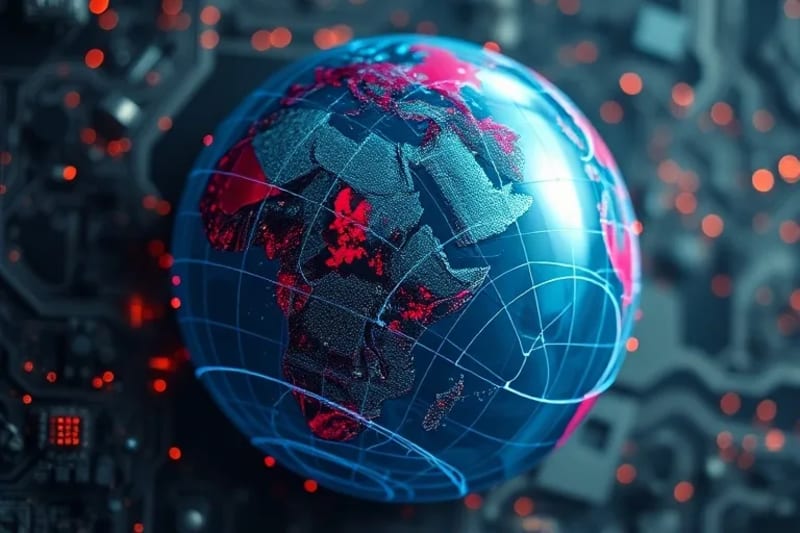
Exploring the intricate global network of water resources, their distribution, and the areas where resource scarcity intersects with human impact and potential conflict.
This conceptual visualization, a render assisted by AI, illustrates the complex interplay between water resources and geopolitical dynamics across the globe.The concept of "water geopolitics" refers to the political, economic, and social implications of water resources, particularly in transboundary river basins and regions facing severe water stress. It encompasses issues ranging from access and allocation to quality and infrastructure, all of which can ignite disputes or foster collaboration between nations and communities. Understanding these dynamics is crucial for anticipating future challenges and developing effective strategies for global water security.
Table of Contents
- The Global Water Crisis: A Geopolitical Catalyst
- Water Conflicts: Historical Precedents and Modern Flashpoints
- International Cooperation and Legal Frameworks
- The Rise of Water Startups: Innovation in Scarcity
- Challenges and Future Outlook
The Global Water Crisis: A Geopolitical Catalyst
The global water crisis is multifaceted, driven by a combination of factors that exacerbate scarcity and complicate management. Climate change is a primary driver, altering precipitation patterns, melting glaciers, and intensifying extreme weather events such as droughts and floods. These changes directly impact the availability of fresh water, particularly in regions already prone to aridity.
Population growth and urbanization also place immense pressure on water resources. As more people concentrate in urban centers, the demand for drinking water, sanitation, and industrial use escalates. This often leads to over-extraction of groundwater, depletion of surface water bodies, and increased pollution, further stressing already fragile ecosystems.
Agricultural practices, which account for approximately 70% of global freshwater withdrawals, contribute significantly to the crisis. Inefficient irrigation methods, coupled with the cultivation of water-intensive crops in dry regions, deplete vital water sources. Industrial pollution and inadequate wastewater treatment facilities further degrade water quality, rendering existing supplies unusable.
- Climate Change: Unpredictable rainfall, prolonged droughts, and glacial melt impact water availability.
- Population Growth: Increased demand for domestic, agricultural, and industrial use.
- Urbanization: Concentrated demand in cities straining local water infrastructure.
- Agricultural Practices: Inefficient irrigation and water-intensive crops.
- Pollution: Industrial discharge and untreated wastewater contaminating freshwater sources.
Water Conflicts: Historical Precedents and Modern Flashpoints
Historically, water has been a source of both cooperation and conflict. While full-scale "water wars" are rare, disputes over shared rivers, lakes, and aquifers are common and can escalate into significant geopolitical tensions. These conflicts often arise in transboundary river basins, where upstream nations' development projects or water usage directly impact downstream countries.
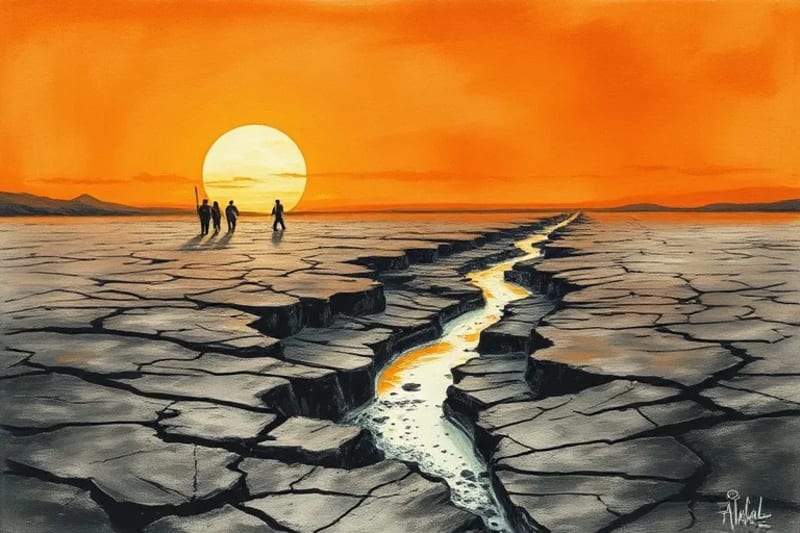
A stark visual representation of the environmental and human toll exacted by severe water scarcity and prolonged drought conditions.
One prominent example is the Nile River Basin, shared by eleven countries. Ethiopia's construction of the Grand Ethiopian Renaissance Dam (GERD) on the Blue Nile has sparked considerable tension with Egypt and Sudan, who fear reduced water flow critical for their agriculture and livelihoods. Similarly, the Jordan River Basin has been a long-standing source of contention between Israel, Palestine, and Jordan, where water allocation is deeply intertwined with political stability and regional security.
In Central Asia, the Amu Darya and Syr Darya rivers, vital for irrigation in Uzbekistan, Turkmenistan, and Kazakhstan, originate in Kyrgyzstan and Tajikistan, which prioritize hydropower generation. This divergence in interests has led to complex negotiations and occasional disputes over water management. These examples highlight how water scarcity can exacerbate existing political vulnerabilities and contribute to regional instability.
The implications of these water conflicts extend beyond mere resource allocation. They can lead to forced migration, food insecurity, economic disruption, and even armed clashes. Addressing these flashpoints requires not only technical solutions but also robust diplomatic efforts and mutually beneficial agreements. The increasing frequency and intensity of these disputes underscore the urgent need for proactive water governance and conflict resolution mechanisms.
International Cooperation and Legal Frameworks
Despite the potential for conflict, water also serves as a powerful catalyst for international cooperation. Numerous treaties, conventions, and agreements have been established to manage shared water resources sustainably and equitably. The United Nations Watercourses Convention (1997) provides a framework for the equitable and reasonable utilization of international watercourses, emphasizing the obligation not to cause significant harm to other riparian states.
Regional bodies and bilateral agreements play a crucial role in operationalizing these principles. For instance, the Mekong River Commission (MRC) facilitates cooperation among Cambodia, Laos, Thailand, and Vietnam on water resource management in the Lower Mekong Basin. While not without its challenges, such institutions provide platforms for dialogue, data sharing, and joint planning, helping to mitigate potential disputes.
Beyond formal agreements, initiatives like "water diplomacy" actively promote dialogue and confidence-building measures among riparian states. These efforts often involve scientific collaboration, joint research projects, and capacity-building programs to foster a shared understanding of water challenges and potential solutions. Effective international cooperation is vital for ensuring long-term water security and preventing water-related conflicts. For further insights into legal frameworks, consider exploring articles on Environmental Law: Legal Framework for Environmental Protection.
The principles of Integrated Water Resources Management (IWRM) advocate for a coordinated approach to water, land, and related resources, aiming to maximize economic and social welfare without compromising the sustainability of vital ecosystems. This holistic perspective is increasingly adopted in international cooperation efforts, recognizing that water issues are interconnected with environmental health, economic development, and social equity. Understanding the broader context of environmental conservation, such as the challenges faced by Rhinos Ecosystems: Conservation and Current Threats, can provide valuable parallels in resource management.
The Rise of Water Startups: Innovation in Scarcity
The growing water crisis has spurred a wave of innovation, leading to the emergence of numerous water technology startups. These companies are developing groundbreaking solutions to address various aspects of water scarcity, quality, and management. Their innovations range from advanced purification systems to smart irrigation technologies and sophisticated data analytics for water resource monitoring.
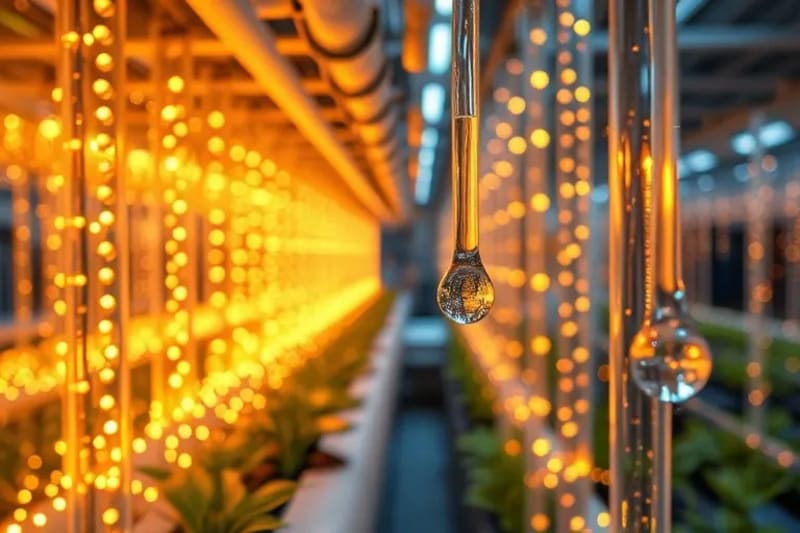
Depicting cutting-edge micro-filtration and hydroponic systems, symbolizing the innovative spirit driving solutions for global water challenges.
Desalination technologies, once prohibitively expensive, are becoming more efficient and cost-effective, offering a viable option for coastal regions with limited freshwater access. Startups are also focusing on wastewater treatment and reuse, transforming what was once considered waste into a valuable resource. Technologies like membrane bioreactors and advanced oxidation processes are making it possible to produce high-quality reclaimed water for various uses, including agriculture and industrial processes.
Smart water management systems, leveraging IoT (Internet of Things) and AI (Artificial Intelligence), are revolutionizing how water is monitored and distributed. These systems can detect leaks in real-time, optimize irrigation schedules based on weather data, and predict demand patterns, leading to significant reductions in water waste. The potential for these technologies to bridge resource gaps and mitigate the impact of scarcity is immense, offering new business models and investment opportunities in the water sector. The broader implications of technological advancements and their societal impact, as seen in the discussion of Automation Inequality AI Impact Global Socioeconomic Gap, resonate with the transformative power of these water innovations.
Furthermore, startups are exploring nature-based solutions, such as constructed wetlands for water purification and rainwater harvesting systems, which offer environmentally friendly and often more sustainable alternatives to conventional infrastructure. These innovations are not only critical for addressing the immediate crisis but also for building a more resilient and water-secure future.
Challenges and Future Outlook
Despite the progress in technology and cooperation, significant challenges remain in the realm of water geopolitics. Funding for water infrastructure and sustainable management practices is often insufficient, particularly in developing countries. Political will and effective governance are also critical, as water issues often transcend administrative boundaries and require coordinated action across multiple sectors and jurisdictions.
The equitable distribution of water benefits and burdens is another complex challenge. Ensuring that vulnerable populations have access to safe and affordable water, while also meeting the demands of agriculture and industry, requires careful planning and robust regulatory frameworks. Climate change will continue to intensify these challenges, demanding adaptive strategies and long-term resilience planning.
Looking ahead, the future of water geopolitics will likely be characterized by increased pressure on resources, but also by enhanced opportunities for innovation and collaboration. Investment in research and development for water technologies, coupled with strong international partnerships, will be essential. Education and public awareness campaigns will also play a vital role in fostering a culture of water conservation and responsible usage.
- Funding Gaps: Insufficient investment in water infrastructure and management.
- Governance Issues: Lack of political will and coordinated action across jurisdictions.
- Equity Concerns: Ensuring fair access for all populations amidst competing demands.
- Climate Adaptation: Developing resilient strategies for a changing climate.
- Public Awareness: Promoting water conservation and responsible usage.
Explore More Content
- Neurofeedback Elite Athletes: Brain Training Performance
- Forex Regulation: International Control and Investor Risks | Althox
- Yoga Pilates: Physical and Mental Benefits for All | Althox
- Alphabets Classification: Systems, History, and Evolution | Althox
- Neurotechnology Mental Health: Boosting Brain, Combating Disorders
- Alphabets: Basic Definitions, Evolution | Althox
- Colombian Commercial Code: Certificate of Deposit and Pledge Bond Analysis | Althox
- Cryptoassets Generation Z: Strategic Retirement Savings
- Earth Song Michael Jackson: Ecological Anthem Analysis | Althox
- Black Hole Exploration: Mysteries, Astrophysics Frontiers
- Female Hormonal Biohacking: Longevity, Well-being Strategies
- European Alphabets: History, Evolution, and Cultural Impact | Althox
- Holographic RV Constellations: Exploring Astral Realities
- Body Sensitive Zones Zodiacal Health: Complete Guide | AstroFuturo
- Astral Quantum Healing Divine Patterns Consciousness
- Nostradamus Lost Manuscripts: Myths, Legends, Discoveries | Prophecies of the Virgin
- Great Mystics History: Life, Works, Teachings Today | Prophecies of the Virgin
- Divine Trinity Roles: Father, Son, Holy Spirit | Prophecies of the Virgin
- Lilith Astrology: Primal Instincts, Shadow Feminine | StarPluto
- Fixed Stars Galactic Center Natal Chart Soul Purpose
- Hellenistic Astrology Bridging Ancient Predictive Modern Spirituality
Conclusion
The geopolitics of water is a defining issue of the 21st century, intricately linked to global security, economic stability, and human well-being. While the potential for conflict over dwindling resources is real, the imperative for cooperation and innovation is equally strong. By fostering international agreements, investing in sustainable technologies, and promoting responsible water management, humanity can navigate the complexities of water scarcity and transform potential flashpoints into opportunities for shared prosperity.
Source: Hybrid content assisted by AI and human editorial supervision.


Comentarios