
Neuro-rights Mental Privacy AI Digital Consciousness
Neuro-rights and Mental Privacy: The Battle for Digital Consciousness in the AI Era
The rapid advancement of artificial intelligence (AI) and neurotechnology has ushered in a new frontier of ethical and legal challenges, particularly concerning the human mind. As brain-computer interfaces (BCIs) become more sophisticated and AI algorithms gain unprecedented capabilities in processing complex data, the very essence of human consciousness and mental autonomy is being re-evaluated. This emerging landscape necessitates a robust framework of "neuro-rights" to safeguard individuals from potential misuse and ensure the preservation of their mental integrity in an increasingly digital world.
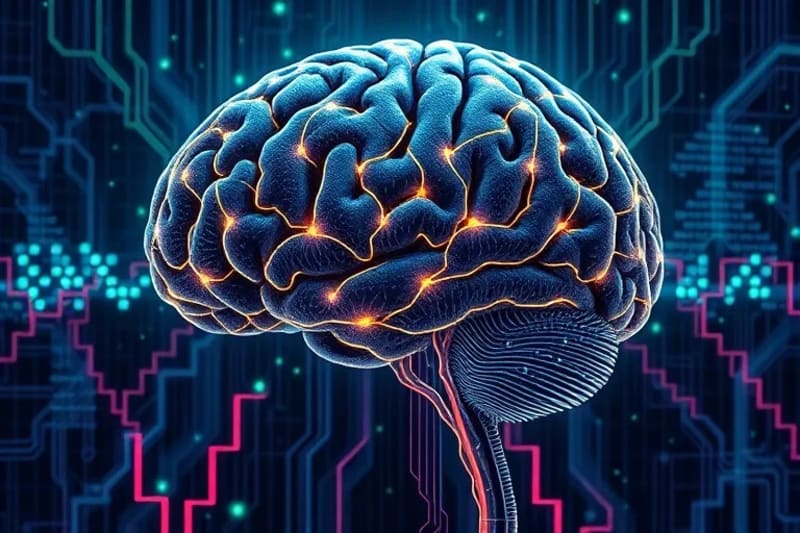 Conceptual representation of the intricate relationship between human cognition and advanced digital systems, illustrating the imperative for new ethical boundaries in the era of artificial intelligence.
This image is a conceptual AI render, exploring themes of neural networks and digital integration.
Neuro-rights are a set of fundamental human rights designed to protect the brain and its activity from technological interference and manipulation. They aim to address the ethical, legal, and social implications arising from the convergence of neuroscience, neurotechnology, and AI. The concept extends traditional privacy rights to the realm of mental processes, recognizing that our thoughts, emotions, and memories are increasingly vulnerable to external influence and extraction.
The discussion around neuro-rights is not merely theoretical; it is driven by tangible technological progress. Devices capable of reading and even writing brain activity are moving from science fiction to clinical reality. This article will delve into the core principles of neuro-rights, explore the specific challenges posed by AI, and examine the nascent legal and ethical frameworks being developed to protect our digital consciousness.
Table of Contents
- The Rise of Neurotechnology and AI's Role
- Defining Core Neuro-rights
- Challenges Posed by Artificial Intelligence
- Ethical and Societal Implications
- Legal and Regulatory Landscape
- International Perspectives and Future Directions
The Rise of Neurotechnology and AI's Role
Neurotechnology encompasses any technology that interacts with the nervous system, particularly the brain. This field has seen exponential growth, driven by advances in neuroscience, engineering, and data science. Key developments include brain-computer interfaces (BCIs), neuroimaging techniques, and neuromodulation devices. BCIs, for instance, allow direct communication pathways between the brain and an external device, enabling individuals to control prosthetics, computers, or even communicate through thought alone.
AI plays a critical role in unlocking the potential of these neurotechnologies. Machine learning algorithms are essential for interpreting complex neural signals, distinguishing patterns, and translating brain activity into actionable commands or decipherable information. Without AI, the raw data collected from the brain would largely remain unintelligible. This symbiotic relationship means that as AI becomes more powerful, so too does our ability to interact with and potentially influence the human mind.
- Brain-Computer Interfaces (BCIs): These devices record brain activity (e.g., EEG, ECoG, fMRI) and translate it into commands for external devices. They are used in medical applications for paralysis, communication, and rehabilitation.
- Neuroimaging: Techniques like fMRI and PET scans provide detailed maps of brain activity, revealing insights into cognitive processes, emotions, and even intentions.
- Neuromodulation: Devices such as deep brain stimulators (DBS) or transcranial magnetic stimulators (TMS) can alter brain activity to treat conditions like Parkinson's disease, depression, or chronic pain.
- AI's Interpretive Power: AI algorithms can analyze vast amounts of neural data, identifying subtle patterns that correlate with specific thoughts, emotions, or intentions, making previously inaccessible mental states potentially readable.
The convergence of these technologies presents both immense opportunities and profound risks. While they hold the promise of treating neurological disorders, enhancing human capabilities, and revolutionizing communication, they also open the door to unprecedented forms of surveillance, manipulation, and even coercion of the human mind. This dual nature underscores the urgent need for ethical guidelines and legal protections.
Defining Core Neuro-rights
To address the unique challenges posed by neurotechnology and AI, legal scholars and ethicists have proposed several core neuro-rights. These rights aim to extend existing human rights principles to the mental sphere, ensuring that individuals retain control over their own minds and mental data.
- Right to Mental Privacy: This is arguably the most critical neuro-right. It protects individuals from unauthorized access to their brain data, thoughts, and emotions. Just as we have a right to privacy over our personal information, this right extends to the highly sensitive data generated by our brains. It covers the prevention of neuro-surveillance and the unauthorized decoding of mental states.
- Right to Cognitive Liberty: This right ensures individuals have the freedom to control their own mental processes and make autonomous decisions about their mental health and enhancement. It protects against coercive or involuntary neuro-interventions and safeguards the right to choose whether or not to use neurotechnology. It also implies the right to refuse mental modifications or enhancements.
- Right to Psychological Continuity: This right safeguards an individual's personal identity and sense of self from alteration by neurotechnologies. It protects against technologies that could fundamentally change one's personality, memories, or beliefs without explicit, informed consent, ensuring that the essence of who a person is remains intact.
- Right to Protection from Algorithmic Bias: As AI interprets neural data, there's a risk of embedded biases in algorithms leading to discriminatory outcomes. This right ensures that neurotechnologies and AI systems are developed and deployed fairly, without perpetuating or creating new forms of discrimination based on neural patterns or mental states.
- Right to Mental Integrity: This overarching right protects individuals from any harm to their mental health or cognitive functions caused by neurotechnology. It includes protection from psychological manipulation, cognitive degradation, or any form of mental suffering induced by external neuro-interventions.
These rights are designed to act as a shield, protecting the inner sanctuary of the human mind from the encroaching capabilities of advanced technology. They are crucial for maintaining human dignity and autonomy in an era where our thoughts might no longer be entirely our own.
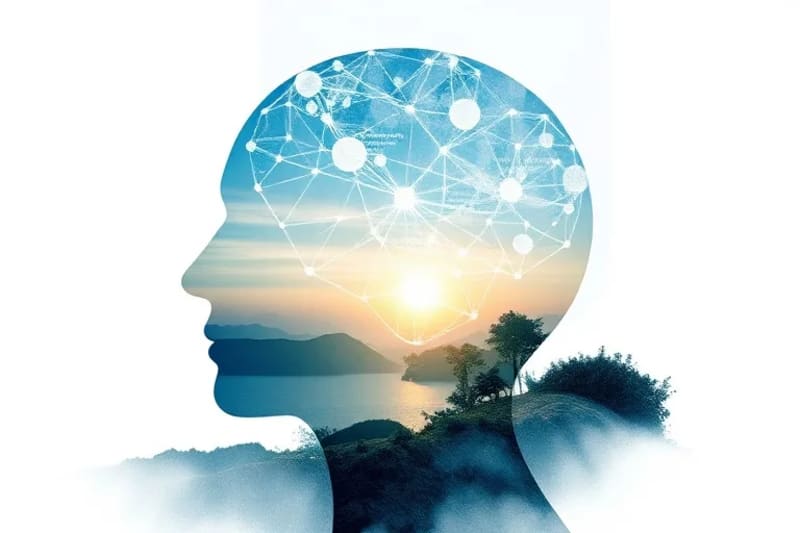 An artistic representation highlighting the critical need for mental privacy in the digital age, where personal thoughts and neural data require robust protection.
This watercolor artwork is an AI-generated concept, focusing on the delicate nature of mental data.
Challenges Posed by Artificial Intelligence
AI's role in neurotechnology introduces several specific and complex challenges to mental privacy and neuro-rights. The ability of AI to process, interpret, and even predict mental states from neural data raises profound questions about surveillance, consent, and manipulation.
Firstly, AI's capacity for data collection and interpretation is unparalleled. As BCIs become more common, they will generate vast amounts of neural data. AI algorithms can then analyze this data to infer highly personal information, such as emotional states, intentions, preferences, and even memories. This "neuro-data" is far more intimate than traditional personal data, making its collection and use a significant privacy concern. The potential for companies or governments to access and exploit this data for commercial gain, social control, or even predictive policing is a dystopian prospect that neuro-rights seek to prevent.
Secondly, AI introduces the risk of mental manipulation. Advanced AI, combined with neurofeedback mechanisms, could potentially be used to subtly influence thoughts, emotions, or behaviors. Imagine AI-driven advertising that directly targets neural reward pathways, or political campaigns that subtly alter cognitive biases. This raises fundamental questions about free will and autonomy. The line between persuasion and manipulation blurs when technology can directly interact with the brain's decision-making processes. This is a critical area where ethical considerations in AI development become paramount.
Thirdly, the issue of consent becomes incredibly complex. How can individuals give truly informed consent when they may not fully understand what neural data is being collected, how it's being interpreted by AI, or its potential long-term implications? The dynamic and often unconscious nature of brain activity makes traditional consent models inadequate. Furthermore, the "black box" nature of many advanced AI algorithms means that even developers may not fully understand how certain inferences are made from neural data, complicating accountability.
Finally, AI-driven neurotechnology could exacerbate existing inequalities. Access to neuro-enhancements might create a new divide between those who can afford cognitive augmentation and those who cannot, leading to a "neuro-divide." This could have profound societal consequences, affecting education, employment, and social mobility. Ensuring equitable access and preventing the creation of a two-tiered society is another challenge that neuro-rights must address.
Ethical and Societal Implications
The ethical and societal implications of neurotechnology and AI extend beyond individual rights, touching upon fundamental aspects of human existence and social structure. The potential to decode, alter, and even enhance mental capabilities forces us to reconsider what it means to be human.
One major concern is the impact on human autonomy and identity. If external systems can influence our thoughts or emotions, how much control do we truly have over our own choices? The concept of free will, a cornerstone of human ethics and legal systems, could be undermined. Moreover, if AI can alter memories or personality traits, what happens to our sense of self and our psychological continuity? This could lead to profound existential crises for individuals and challenge societal norms around personal responsibility and identity formation.
The potential for surveillance is also a significant ethical dilemma. Imagine a world where employers can monitor the mental states of their employees, or governments can detect dissenting thoughts. This level of intrusion into the private sphere could lead to unprecedented forms of social control and suppression of individual expression. The data collected from our brains could be used to profile individuals based on their cognitive patterns, leading to new forms of discrimination or targeting.
Furthermore, the military and security applications of neurotechnology raise serious ethical questions. The development of neuro-weapons or methods for enhanced interrogation could have devastating consequences for human rights and international law. The dual-use nature of many neurotechnologies necessitates careful oversight and international cooperation to prevent their weaponization.
Finally, the very definition of "normal" or "healthy" could be redefined by neuro-enhancements. If certain cognitive abilities can be technologically boosted, will those who choose not to enhance themselves be considered disadvantaged or even "disabled"? This could create new pressures for individuals to conform to technologically mediated standards, blurring the lines between therapy and enhancement. The ethical debate around digital consumer rights and data protection already highlights these tensions in simpler contexts.
Legal and Regulatory Landscape
The current legal and regulatory landscape is largely unprepared for the complexities introduced by neurotechnology and AI. Existing laws, such as those governing data privacy or medical ethics, offer some protections but are often insufficient to address the unique nature of neural data and mental manipulation. There is a clear gap between technological capabilities and legal frameworks.
Some countries and international bodies have begun to explore the integration of neuro-rights into their legal systems. Chile, for example, became the first country to explicitly amend its constitution to protect mental integrity and brain activity, recognizing the right to personal identity and the right to freedom from technological interference with brain activity. This groundbreaking move sets a precedent for other nations to follow.
 A conceptual visualization depicting the dynamic tension between human consciousness and the intrusive potential of artificial intelligence, underscoring the urgent need for ethical boundaries.
This 3D render is an AI-generated conceptual artwork, exploring themes of digital autonomy and mental protection.
The European Union is also actively discussing neuro-rights within the context of its broader AI regulatory efforts. The General Data Protection Regulation (GDPR) provides a foundation for data privacy, but neural data presents unique challenges that may require specific amendments or new legislation. The Council of Europe has also initiated discussions on the ethical implications of neurotechnology, aiming to develop guidelines and potentially legal instruments.
Key areas for legal development include:
- Definition of Neuro-data: Establishing a clear legal definition for neural data, recognizing its unique sensitivity and requiring higher standards of protection than conventional personal data.
- Informed Consent for Neurotechnology: Developing robust and dynamic consent mechanisms that account for the complexity of brain activity and the evolving capabilities of neurotechnology.
- Prohibition of Mental Manipulation: Legislating against technologies designed to manipulate or coerce mental states without explicit, informed, and revocable consent.
- Accountability and Liability: Establishing clear lines of accountability for the misuse of neurotechnology and AI, including liability for harm caused by algorithmic bias or mental interference.
- International Harmonization: Given the global nature of technology, international cooperation is essential to create harmonized legal standards for neuro-rights, preventing regulatory arbitrage.
The development of these legal frameworks is a race against time, as neurotechnology continues to advance at an unprecedented pace. Proactive legislation is crucial to prevent a future where mental autonomy is eroded by unchecked technological progress.
International Perspectives and Future Directions
The conversation around neuro-rights is gaining traction globally, with various organizations and academic institutions contributing to the discourse. The Neurorights Initiative at Columbia University, for instance, is a leading voice in advocating for the inclusion of these rights in international human rights law. Their work emphasizes the need for a multidisciplinary approach, combining insights from neuroscience, ethics, law, and philosophy.
Different countries and regions are approaching the issue with varying degrees of urgency and focus. While Chile has taken a constitutional approach, others are exploring legislative amendments or ethical guidelines. The United Nations and UNESCO are also beginning to engage with the topic, recognizing the global implications of neurotechnology and AI for human rights. The goal is to establish a common understanding and universal principles that can guide the development and deployment of these powerful technologies.
The future direction of neuro-rights will likely involve a combination of legal, ethical, and technological solutions. This includes:
- Ethical AI Design: Promoting the development of "privacy-by-design" and "ethics-by-design" principles for neurotechnologies and AI systems, ensuring safeguards are built in from the outset.
- Public Education and Awareness: Raising public awareness about the potential risks and benefits of neurotechnology is crucial for informed societal debate and responsible adoption.
- Interdisciplinary Research: Fostering collaboration between neuroscientists, AI researchers, ethicists, lawyers, and policymakers to develop comprehensive solutions.
- International Treaties and Conventions: Ultimately, global challenges require global solutions. International treaties could establish binding norms for the protection of neuro-rights, similar to conventions on cybersecurity or biological weapons.
The battle for digital consciousness is not just about technology; it's about preserving what makes us human. As AI continues to evolve, our ability to define and defend the boundaries of our minds will be one of the defining challenges of the 21st century. The principles of neuro-rights offer a vital roadmap for navigating this complex future, ensuring that technological progress serves humanity rather than subjugating it. For more insights into how technology shapes our world, consider exploring Althox's blog on technology and structured content.
Explore More Related Articles
- Cryptocurrencies, Generation Z, Ethical Savings, Financial Future
- Female Leadership in STEM: Breaking Barriers, Creating Opportunities
- Gregorian Chant and Neuroscience: Healing Power, Sonic Meditation
- Quantum Manifestation: Hermetic Alchemy, Cosmic Laws, Transformation
Source: Hybrid content assisted by AI and human editorial supervision.


Comentarios