
Sustainable Neuroarchitecture: Cognition, Well-being, AI Design
In an era defined by rapid technological advancement and a growing awareness of environmental imperatives, the fields of architecture and design are undergoing a profound transformation. No longer is it sufficient for buildings to merely provide shelter; they must actively contribute to the well-being of their occupants and the health of the planet. This dual mandate has given rise to the powerful convergence of sustainable architecture and neuroarchitecture, further amplified by the revolutionary capabilities of Artificial Intelligence (AI).
This article delves into how these disciplines are intertwining to create spaces that not only minimize ecological footprint but also optimize human cognition, emotion, and overall health. We will explore the foundational principles, the cutting-edge role of AI, and the tangible benefits of designing environments that are inherently good for both people and the planet.
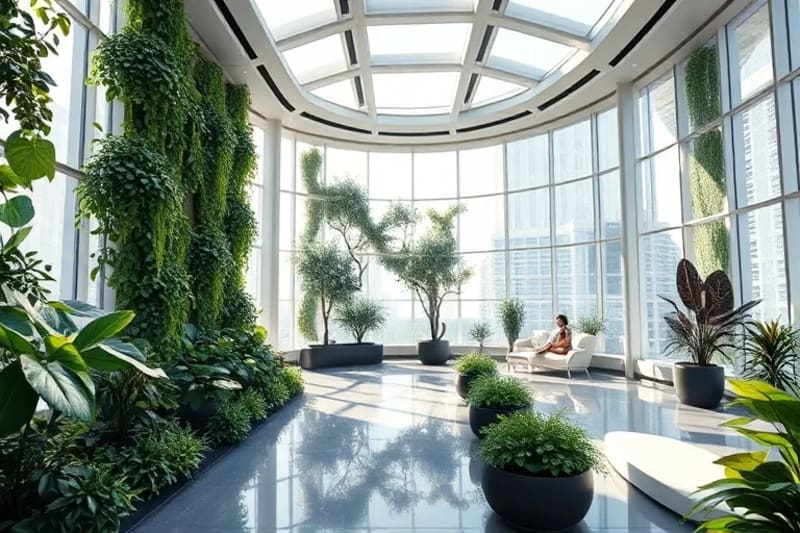 Conceptual representation of advanced architectural design integrating natural elements and smart technology to foster human well-being and environmental harmony.
Table of Contents
- The Dawn of Neuroarchitecture: Understanding Brain-Space Interaction
- Sustainable Design Principles: Beyond Green Buildings
- AI as the Catalyst: Optimizing Design for Cognition and Environment
- Key Elements of Biosustainable Neuroarchitectural Design
- Impact and Future Implications
The Dawn of Neuroarchitecture: Understanding Brain-Space Interaction
Neuroarchitecture is an emerging field that explores the intricate relationship between the built environment and the human brain. It leverages insights from neuroscience, psychology, and cognitive science to inform architectural design decisions. The core premise is that our surroundings profoundly influence our mood, cognitive function, productivity, and overall well-being, often at a subconscious level.
Research in this domain reveals how elements like natural light, spatial configuration, material textures, and even color palettes can impact brain activity, hormone levels, and emotional states. For instance, exposure to natural light cycles (circadian lighting) is crucial for regulating sleep patterns and boosting alertness, while access to views of nature can reduce stress and improve focus.
Neuroarchitecture seeks to move beyond aesthetics and functionality to create spaces that are truly responsive to human biological and psychological needs. It’s about designing environments that actively support mental clarity, emotional balance, and physical health, making every space a tool for human flourishing.
Sustainable Design Principles: Beyond Green Buildings
Sustainable architecture, often referred to as "green building," traditionally focuses on minimizing the negative environmental impact of buildings. This includes optimizing energy and water efficiency, using renewable resources, reducing waste, and selecting environmentally responsible materials. While these aspects remain critical, the definition of sustainability has expanded to encompass a more holistic view.
Modern sustainable design now integrates social equity, economic viability, and human health as equally important pillars. It’s about creating buildings that are not only energy-efficient but also healthy for their occupants, adaptable to future needs, and contribute positively to their communities. This human-centric approach forms a natural bridge to neuroarchitecture, as both disciplines prioritize the well-being derived from the built environment.
The synergy lies in recognizing that a truly sustainable building must also sustain its inhabitants, fostering a sense of connection, comfort, and vitality. This expanded vision moves beyond mere compliance with environmental standards to a proactive pursuit of regenerative design, where buildings give back more than they take.
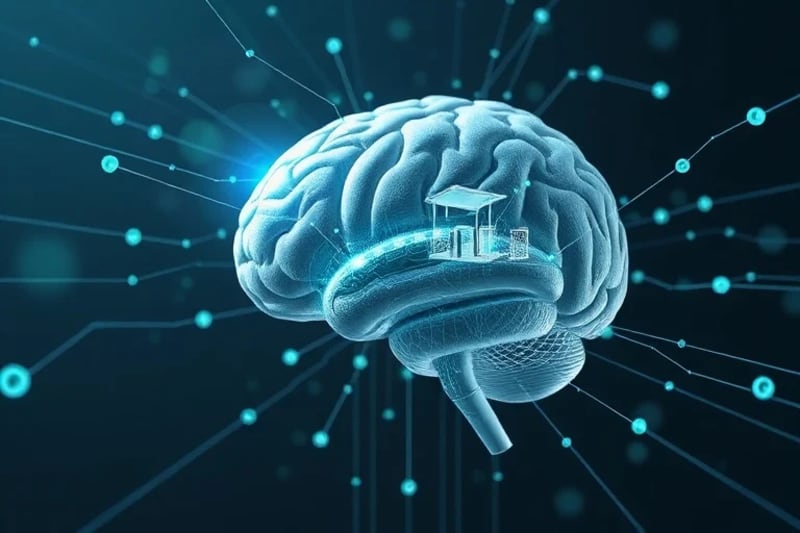 Abstract representation of how environmental features can influence neural pathways and cognitive states.
AI as the Catalyst: Optimizing Design for Cognition and Environment
Artificial Intelligence is rapidly becoming an indispensable tool in the convergence of sustainable architecture and neuroarchitecture. AI's capacity for processing vast datasets, identifying complex patterns, and generating optimized solutions is transforming how we conceive, design, and operate buildings. This technological integration allows for unprecedented levels of precision and personalization in creating human-centric, eco-conscious spaces.
One of AI's primary contributions is in advanced data analysis. By collecting and interpreting data on occupant behavior, environmental conditions (temperature, humidity, air quality, light levels), and even biometric feedback, AI algorithms can provide insights into how different design elements affect human comfort and cognitive performance. This data-driven approach moves design from intuition to empirical evidence, enabling architects to make informed decisions that directly impact well-being. This aligns with the principles of Biohacking Hormonal Femenino Equilibrio Bienestar Longevidad, extending its application to the built environment.
Furthermore, AI-powered generative design tools can explore thousands of design permutations based on specific parameters, such as optimal natural light penetration, thermal comfort, acoustic performance, and spatial flow. These tools can identify ideal layouts, material selections, and building orientations that would be impossible for human designers to discover manually. Predictive modeling, another AI strength, allows for simulating a building's energy consumption, carbon footprint, and even occupant satisfaction under various scenarios, long before construction begins.
In smart building systems, AI orchestrates HVAC, lighting, and air quality controls to adapt dynamically to real-time conditions and occupant needs. This not only enhances comfort and cognitive function but also significantly improves energy efficiency. The security of these interconnected systems is paramount, highlighting the growing importance of fields like Quantum Cybersecurity in the Cloud to protect sensitive data and infrastructure.
The ultimate goal is to create personalized environments that respond to individual preferences and biological rhythms, offering a bespoke experience that maximizes productivity, reduces stress, and promotes health. This integration of AI elevates sustainable neuroarchitecture from a theoretical concept to a practical, implementable reality.
Key Elements of Biosustainable Neuroarchitectural Design
The practical application of biosustainable neuroarchitecture involves a careful consideration of several interconnected design elements:
- Biophilic Design: This principle emphasizes connecting building occupants with nature. It includes incorporating natural light, views of greenery, indoor plants, natural materials, and even patterns and forms inspired by nature. Biophilic elements have been shown to reduce stress, improve cognitive performance, and enhance mood.
- Circadian Lighting: Beyond simply providing illumination, circadian lighting systems mimic the natural light cycles of the sun. These dynamic systems adjust color temperature and intensity throughout the day to support the body's natural circadian rhythm, improving sleep quality, alertness, and overall well-being.
- Acoustic Comfort: Unwanted noise is a significant stressor and can impair concentration. Neuroarchitectural design prioritizes acoustic comfort through sound-absorbing materials, strategic spatial planning, and even soundscaping (introducing pleasant background sounds like flowing water or soft music) to create calming or stimulating auditory environments.
- Material Selection: The choice of materials goes beyond aesthetics and durability. Biosustainable neuroarchitecture favors non-toxic, low-VOC (Volatile Organic Compound) materials that contribute to healthy indoor air quality. Additionally, materials with natural textures and warmth can evoke positive emotional responses and enhance tactile experiences.
- Spatial Configuration and Flow: The layout of a space significantly impacts movement, interaction, and perception. Designs that offer clear sightlines, varying levels of privacy, and opportunities for both social engagement and quiet contemplation can cater to diverse cognitive and emotional needs. This is particularly relevant in modern work environments, where ergonomics and healthy design are crucial for productivity.
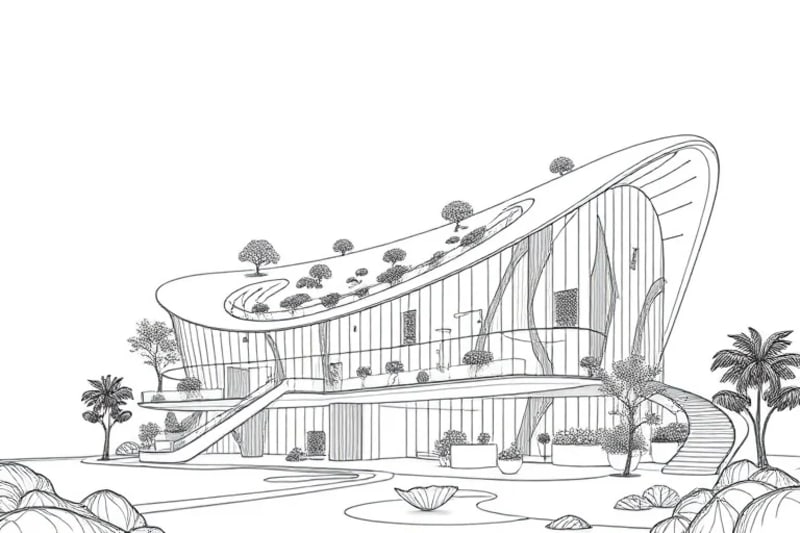 Detailed architectural rendering showcasing intelligent systems for environmental control and occupant comfort in a sustainable building.
Impact and Future Implications
The integration of sustainable architecture, neuroarchitecture, and AI promises a future where buildings are powerful tools for human and planetary flourishing. The impacts are far-reaching and multifaceted:
- Improved Health and Well-being: Occupants of such buildings are likely to experience reduced stress, better sleep, enhanced mood, and improved physical health due to superior indoor air quality, natural light exposure, and biophilic connections.
- Enhanced Productivity and Creativity: Spaces designed with cognitive principles in mind can significantly boost focus, learning, and creative problem-solving, leading to more productive workplaces and educational environments.
- Significant Environmental Benefits: AI-optimized sustainable designs lead to drastically reduced energy consumption, lower carbon emissions, and more efficient resource utilization, contributing directly to climate change mitigation.
- Economic Advantages: Beyond environmental savings, healthier and more productive occupants translate to reduced absenteeism, higher employee retention, and increased overall economic value for businesses.
- Social Equity and Inclusivity: By designing spaces that cater to a wider range of human needs and sensory sensitivities, biosustainable neuroarchitecture can foster more inclusive environments, aligning with broader goals of social innovation and inclusive models.
However, the path forward also involves ethical considerations, particularly regarding data privacy and the potential for algorithmic bias in AI-driven design. Ensuring transparency, user control over data, and equitable access to these advanced design principles will be crucial. The future of architecture lies in adaptive buildings that learn and evolve with their occupants, and in a seamless collaboration between human creativity and artificial intelligence to craft environments that truly nurture life.
As we move deeper into the 21st century, the demand for spaces that are both ecologically responsible and psychologically enriching will only grow. Sustainable neuroarchitecture, powered by AI, offers a compelling vision for a future where our built environments are not just structures, but partners in our well-being and the planet's health.
Source: Hybrid content assisted by AI and human editorial supervision.


Comentarios