
Neuroarchitecture Longevity: Designing Brain Health Spaces
Neuroarchitecture represents an emerging interdisciplinary field that merges neuroscience with architectural design. Its core objective is to create built environments that positively influence brain health, cognitive function, and emotional well-being. This innovative approach moves beyond mere aesthetics and functionality, delving into how physical spaces can optimize human experience, particularly in the context of longevity and active aging.
The design of our surroundings profoundly impacts our mental states, stress levels, and even our capacity for learning and memory. By understanding the brain's response to various environmental stimuli, neuroarchitecture seeks to engineer spaces that support cognitive vitality throughout the lifespan. This includes fostering environments that reduce cognitive load, enhance sensory engagement, and promote physical activity and social interaction.

Conceptual representations of environments designed to foster cognitive vitality and emotional balance, integrating natural elements and ergonomic principles.
As global populations age, the demand for spaces that support healthy aging and prevent cognitive decline becomes increasingly critical. Neuroarchitecture offers a powerful framework for addressing these challenges, transforming homes, workplaces, and public areas into tools for sustained mental acuity and quality of life. This article explores the foundational principles, key applications, and future implications of neuroarchitecture in promoting longevity.
Table of Contents:
- The Foundational Principles of Neuroarchitecture for Longevity
- Enhancing Cognitive Function Through Environmental Design
- Promoting Active Aging and Social Engagement
- Future Trends and Ethical Considerations in Neuroarchitectural Design
- Case Studies and Practical Applications
The Foundational Principles of Neuroarchitecture for Longevity
At its core, neuroarchitecture is guided by several key principles derived from our understanding of the brain. These principles aim to create environments that are not only aesthetically pleasing but also neurologically beneficial. The integration of these elements can significantly impact long-term cognitive health.
One of the most prominent principles is Biophilia, the innate human tendency to connect with nature. Research indicates that exposure to natural elements—such as plants, natural light, and views of green spaces—can reduce stress, improve mood, and enhance cognitive performance. Incorporating biophilic design elements into living and working spaces has been shown to lower cortisol levels and promote a sense of calm, crucial for sustained brain health.
Cognitive Ergonomics focuses on designing spaces that minimize cognitive load and support efficient brain function. This involves optimizing layouts, reducing clutter, and ensuring clear wayfinding. For older adults, this means creating environments that are intuitive and easy to navigate, reducing confusion and the risk of falls. Thoughtful design can preserve cognitive resources, allowing individuals to focus on higher-level tasks and maintain independence.
Sensory Design considers the impact of light, sound, temperature, and texture on the brain. Optimal lighting, for instance, can regulate circadian rhythms, improving sleep quality and alertness. Controlled acoustics can reduce distractions and enhance concentration, while varied textures can provide stimulating tactile experiences. These sensory inputs, when harmonized, contribute to a richer, more supportive cognitive environment.
Enhancing Cognitive Function Through Environmental Design
Specific design interventions can directly target and enhance various aspects of cognitive function. These strategies are particularly valuable for promoting mental acuity and resilience against age-related cognitive decline. The careful manipulation of environmental factors can create powerful cognitive benefits.
The role of Light and Circadian Rhythms cannot be overstated. Natural light, especially dynamic light that changes throughout the day, helps regulate our internal body clock, influencing sleep-wake cycles, hormone production, and overall mood. Spaces designed with ample natural light and intelligent artificial lighting systems can significantly improve alertness during the day and promote restorative sleep at night, both critical for memory consolidation and cognitive repair.
Acoustic Comfort is another vital component. Excessive noise can be a significant source of stress and cognitive disruption, impairing concentration and memory. Neuroarchitectural designs often incorporate sound-absorbing materials, strategic spatial planning, and even white noise or natural soundscapes to create peaceful environments. This reduces cognitive fatigue and supports sustained mental engagement, especially important in learning or work settings.

Abstract neural networks and architectural blueprints symbolizing the intricate connection between mind and designed space.
Spatial Layout and Wayfinding are crucial for reducing cognitive strain. Clear sightlines, distinct zones for different activities, and intuitive navigation systems help individuals orient themselves and move through spaces with ease. This is particularly beneficial for individuals with mild cognitive impairment, as it reduces anxiety and supports independent functioning. Thoughtful spatial design can also encourage physical movement, which is known to boost brain health.
Promoting Active Aging and Social Engagement
Beyond individual cognitive enhancement, neuroarchitecture plays a significant role in fostering environments that support active aging and robust social engagement. These factors are paramount for preventing isolation and promoting a high quality of life in later years.
Designing vibrant Community Spaces encourages interaction and reduces loneliness, a known risk factor for cognitive decline. Shared gardens, communal dining areas, and flexible multi-purpose rooms can facilitate social connections and provide opportunities for intellectual stimulation. These spaces are intentionally crafted to be inviting and comfortable, fostering a sense of belonging and shared purpose among residents.
Accessibility and Safety are fundamental considerations. Universal design principles ensure that spaces are usable by people of all ages and abilities, minimizing physical barriers. This includes features like non-slip flooring, adequate handrails, and easily operable fixtures. By reducing the risk of accidents and making environments effortlessly navigable, neuroarchitecture empowers older adults to maintain their independence and participate fully in daily life.
The thoughtful Integration of Technology can also enhance active aging. Smart home systems can assist with daily tasks, monitor health, and provide cognitive stimulation through interactive interfaces. However, the design must prioritize user-friendliness and avoid overwhelming complexity. The goal is to augment human capabilities, not replace them, ensuring technology serves as a tool for empowerment rather than a source of frustration.
Future Trends and Ethical Considerations in Neuroarchitectural Design
As neuroarchitecture evolves, it intersects with advanced technologies and raises important ethical questions. The future promises increasingly personalized and adaptive environments, but these innovations must be approached with careful consideration for human values and privacy.
The rise of Artificial Intelligence (AI) is set to revolutionize neuroarchitectural design. AI-powered systems can analyze individual behavioral patterns, physiological responses, and cognitive states to adapt environments in real-time. Imagine a home that adjusts lighting, temperature, and even scent to optimize your focus during work hours or promote relaxation in the evening. This personalization offers immense potential for cognitive optimization. However, such advancements necessitate a strong focus on ethical AI leadership and corporate responsibility, ensuring these powerful tools are used for genuine human benefit.
With smart spaces collecting vast amounts of personal data, concerns about Data Privacy and Smart Spaces become paramount. Neuroarchitectural designs must incorporate robust cybersecurity measures to protect sensitive information about occupants' health, habits, and cognitive profiles. Adherence to strict data protection regulations and transparent communication about data usage are essential to build trust and ensure the ethical deployment of these technologies. Understanding cybersecurity trends for personal data is crucial in this evolving landscape.
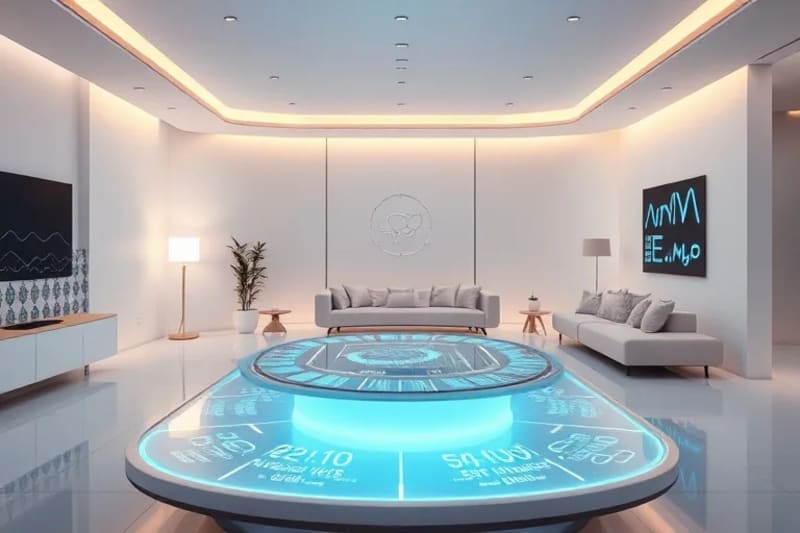
A futuristic smart home environment, illustrating integrated technology for personalized health monitoring and cognitive engagement.
Addressing Economic and Social Equity is another critical ethical challenge. The benefits of neuroarchitecture should not be exclusive to the affluent. Strategies must be developed to make these designs accessible and affordable across diverse socioeconomic strata. This includes advocating for policy changes, promoting modular and scalable design solutions, and integrating neuroarchitectural principles into public infrastructure projects. The long-term investment in ethical and quantum strategies could play a role in funding these widespread beneficial developments.
Case Studies and Practical Applications
Neuroarchitectural principles are being applied across various building types, demonstrating tangible benefits for cognitive health and longevity. These applications showcase the versatility and impact of this interdisciplinary field.
In Residential Design, homes are being reimagined as sanctuaries for cognitive well-being. Features include biophilic elements like indoor gardens and natural material palettes, dynamic lighting systems that mimic natural daylight cycles, and intuitive layouts that support independent living. These designs aim to reduce stress, improve sleep, and provide stimulating yet calming environments that support brain health over decades.
Healthcare Facilities, particularly those for long-term care or dementia patients, are prime candidates for neuroarchitectural interventions. Designs focus on reducing agitation, improving orientation, and fostering a sense of familiarity and safety. This involves using color psychology, clear signage, sensory gardens, and noise reduction strategies to create therapeutic environments that enhance patient comfort and cognitive function.
Even Workplaces are benefiting from neuroarchitectural insights. With the rise of remote work and the future of telework, designing home offices and corporate spaces that support focus, creativity, and mental well-being is crucial. This includes ergonomic furniture, access to natural light and views, optimized acoustics, and designated zones for collaboration and quiet work. Such designs can boost productivity, reduce burnout, and contribute to the long-term cognitive health of employees.
Here's a comparative overview of neuroarchitectural applications:
| Application Area | Key Neuroarchitectural Principles | Benefits for Longevity & Brain Health |
|---|---|---|
| Residential Homes | Biophilia, Cognitive Ergonomics, Sensory Design | Reduced stress, improved sleep, enhanced memory, sustained independence. |
| Healthcare Facilities | Sensory Design (acoustics, lighting), Wayfinding, Social Spaces | Reduced agitation, improved orientation, enhanced comfort, faster recovery. |
| Workplaces & Offices | Cognitive Ergonomics, Natural Light, Acoustic Comfort, Biophilia | Increased focus, creativity, reduced burnout, improved mood, long-term cognitive health. |
| Educational Institutions | Dynamic Lighting, Acoustic Control, Flexible Layouts, Biophilia | Enhanced learning, improved attention span, reduced hyperactivity, better academic performance. |
| Public Spaces (Parks, Plazas) | Biophilia, Social Interaction Zones, Safe Wayfinding | Stress reduction, increased physical activity, enhanced social cohesion, mental restoration. |
Conclusion
Neuroarchitecture is poised to become an indispensable discipline in the quest for extended human longevity and enhanced quality of life. By consciously designing our built environments to align with the brain's needs, we can create spaces that actively support cognitive function, emotional balance, and social engagement throughout the aging process.
The synergy between neuroscience and architecture offers profound opportunities to reshape how we live, work, and age. As research continues to unveil the intricate connections between our brains and our surroundings, neuroarchitecture will undoubtedly lead to more intelligent, compassionate, and life-affirming designs for future generations.
The ultimate goal is to move beyond merely functional buildings towards environments that are truly restorative and empowering, fostering not just physical health but also sustained mental vitality for a longer, more fulfilling life.
Related Searches
- Uranus Transits Signs: Generational Changes, Collective Awakenings
- Sacred Geometry Gothic Cathedrals: Hidden Celestial Messages
- Virgo Zodiac Sign: Traits, Compatibility, Practicality & Health
Source: Hybrid content assisted by AI and human editorial supervision.


Comentarios