
Neuroarchitecture Design Cognitive Spaces Digital Wellbeing
Neuroarchitecture represents a groundbreaking interdisciplinary field that merges neuroscience with architectural design. Its core objective is to create spaces that proactively enhance human well-being, cognitive function, and emotional balance. In an era increasingly dominated by digital interactions and information overload, the intentional design of our physical environments has become a critical form of biohacking, influencing our brain's chemistry and performance.
This advanced approach moves beyond mere aesthetics, delving into how elements like light, sound, texture, and spatial configuration impact our neural pathways and psychological states. By understanding the brain's responses to its surroundings, neuroarchitecture offers a scientifically informed framework for optimizing human experience. It aims to mitigate the pervasive stressors of modern life and foster environments conducive to focus, creativity, and restoration.
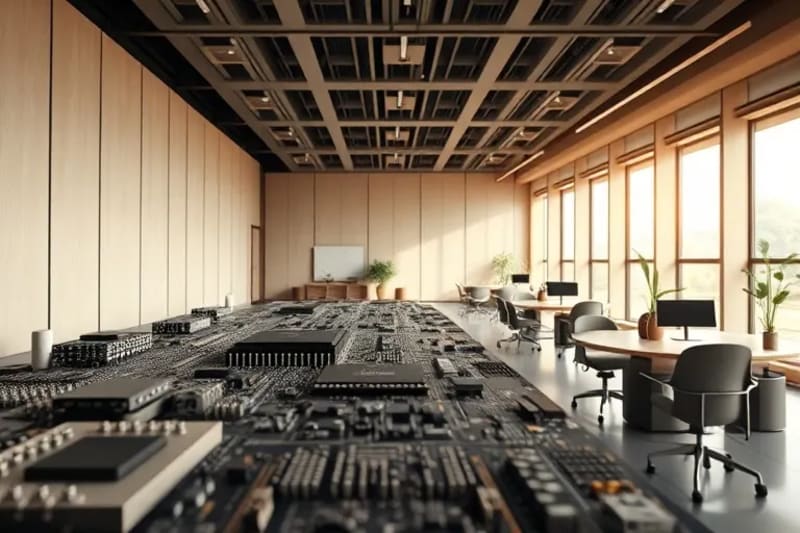 Conceptual representations of advanced neuroarchitectural design, integrating scientific principles for enhanced human experience and cognitive well-being.
Fuente visual sujeta a disponibilidad del ecosistema: Wikimedia Commons bajo licencia CC BY-SA 4.0 o renderizado conceptual IA.
The digital age, while offering unprecedented connectivity, also presents unique challenges to our cognitive and emotional health. Constant notifications, prolonged screen time, and the blurring lines between work and personal life contribute to heightened stress and diminished attention spans. Neuroarchitecture provides a vital counter-balance, designing physical spaces that can actively support mental resilience and optimize human potential. This article will explore the scientific underpinnings of neuroarchitecture and its practical applications in creating healthier, more productive environments.
Table of Contents
- Foundations of Neuroarchitecture: Brain, Environment, and Behavior
- Digital Age Challenges and Cognitive Overload
- Biohacking Through Design: Optimizing Cognitive Performance
- Case Studies and Practical Applications
- Future Trends: AI, VR, and Personalized Neuroarchitecture
Foundations of Neuroarchitecture: Brain, Environment, and Behavior
At its core, neuroarchitecture is built upon the understanding that our brains are constantly processing and reacting to environmental cues. This interaction is not merely superficial; it profoundly shapes our mood, stress levels, decision-making, and even long-term health. Scientific research, particularly in cognitive neuroscience and environmental psychology, has illuminated the intricate connections between our surroundings and our inner states.
Key brain regions play significant roles in our spatial and emotional experiences. The hippocampus, for instance, is crucial for spatial memory and navigation, meaning the clarity and navigability of a space directly impact our sense of ease and orientation. The amygdala, a center for processing emotions, reacts to environmental stimuli like perceived threats or comforts, influencing our feelings of safety or anxiety within a given setting. Similarly, the prefrontal cortex, responsible for executive functions, can be either supported or hindered by the design of a workspace, affecting focus and productivity.
Environmental psychology has long explored how physical environments influence human behavior and well-being. Neuroarchitecture takes this a step further by integrating physiological and neurological data. It seeks to quantify these effects, moving from subjective observations to measurable brain responses, such as changes in heart rate variability, skin conductance, or brainwave patterns. This scientific rigor allows for the creation of evidence-based design principles.
 The intricate connection between cognitive function and spatial design, visualized through neural networks merging with architectural plans.
For example, exposure to natural light has been proven to regulate circadian rhythms, improve sleep quality, and boost mood by influencing serotonin production. Conversely, prolonged exposure to artificial, poorly tuned lighting can disrupt these rhythms, leading to fatigue and reduced cognitive performance. Understanding these biological responses is fundamental to designing spaces that are not just aesthetically pleasing but also biologically supportive. This holistic approach ensures that every design choice contributes positively to the occupants' physical and mental health, aligning with broader goals of regenerative medicine and integral well-being.
Digital Age Challenges and Cognitive Overload
The pervasive nature of digital technology has fundamentally reshaped our daily lives, bringing both immense benefits and significant challenges. While connectivity fosters global communication and access to information, it also contributes to a phenomenon known as cognitive overload. This state occurs when the brain is overwhelmed by excessive demands on its processing capacity, leading to decreased performance, increased stress, and mental fatigue.
Constant notifications, the pressure to be always "on," and the blurred boundaries between work and personal life exacerbate this issue. Prolonged screen time, often in static postures, can lead to physical discomfort, eye strain, and disruption of natural sleep patterns. Furthermore, the digital environment itself, if poorly designed, can contribute to cognitive strain. Cluttered interfaces, inconsistent navigation, and intrusive advertisements can divert attention and diminish focus, impacting productivity and overall satisfaction.
The consequences of cognitive overload extend beyond mere inconvenience. Chronic stress can lead to serious health issues, including anxiety, depression, and cardiovascular problems. Reduced focus impacts learning and decision-making, while diminished attention spans make it harder to engage deeply with complex tasks. This highlights a critical need for physical spaces that can act as a buffer against these digital pressures, offering environments for restoration and enhanced cognitive function.
Neuroarchitecture addresses these challenges by designing spaces that actively mitigate the negative impacts of the digital age. This involves creating zones for deep work, relaxation, and social interaction, each optimized for its specific purpose. By integrating principles of light, sound, and natural elements, these spaces can help regulate physiological responses, reduce mental fatigue, and promote a sense of calm and control. Such thoughtful design is essential for maintaining well-being in a hyper-connected world, complementing efforts in conscious eating and other holistic health practices.
Biohacking Through Design: Optimizing Cognitive Performance
Biohacking, often associated with optimizing one's biology through diet, exercise, and supplements, finds a powerful ally in neuroarchitecture. By intentionally designing physical spaces, we can "hack" our environment to positively influence our brain and body, enhancing cognitive performance, mood, and overall well-being. This section explores key design elements that serve as biohacking tools.
- Light: The Circadian Regulator
Natural light exposure is paramount. Spaces should maximize daylight penetration, and artificial lighting should mimic natural light cycles, with tunable white light that shifts color temperature throughout the day. This supports healthy circadian rhythms, improving sleep quality, alertness, and mood. - Sound: The Acoustic Landscape
Unwanted noise is a major stressor. Neuroarchitecture employs acoustic design principles to minimize distractions and create supportive soundscapes. This includes sound-absorbing materials, strategic placement of white noise generators, and even the integration of biophilic sounds like gentle water features or birdsong to promote relaxation and focus. - Materiality and Texture: Haptic Connection
The tactile qualities of a space significantly impact our sensory experience. Natural materials like wood, stone, and wool offer varied textures that can evoke feelings of warmth, comfort, and authenticity. These haptic experiences can reduce stress and enhance a sense of groundedness, contrasting with the often sterile feel of purely digital interactions. - Biophilia: Nature's Embrace
The innate human tendency to connect with nature, known as biophilia, is a cornerstone of neuroarchitectural design. Integrating natural elements such as indoor plants, natural views, water features, and natural patterns has been shown to reduce stress, improve cognitive function, and foster a sense of well-being. - Spatial Configuration: Flow and Control
The layout of a space influences movement, interaction, and privacy. Design should offer diverse zones for different activities: quiet areas for focused work, collaborative spaces for teamwork, and restorative nooks for breaks. Providing occupants with a sense of control over their immediate environment, such as adjustable lighting or desk height, also significantly boosts comfort and productivity. - Color Psychology: Emotional Palettes
Colors evoke specific psychological and physiological responses. Cool tones like blues and greens can promote calmness and focus, while warmer tones like yellows and oranges can stimulate creativity and energy. Neuroarchitecture uses color strategically to support desired emotional states and cognitive functions within different areas of a building.
By meticulously considering these elements, designers can craft environments that act as powerful tools for cognitive enhancement and emotional regulation. This proactive approach to environmental design empowers individuals to perform at their best, making their physical surroundings an active participant in their personal biohacking journey. This is particularly relevant as we navigate the complexities of digital existence, including emerging concepts like the Metaverse and Web3, which will demand even greater attention to our physical and virtual interfaces.
Case Studies and Practical Applications
The principles of neuroarchitecture are not merely theoretical; they are being applied across various sectors to create more effective and humane environments. From corporate campuses to healthcare facilities, the impact of brain-conscious design is becoming increasingly evident. These case studies highlight how intentional spatial design can lead to tangible improvements in well-being and performance.
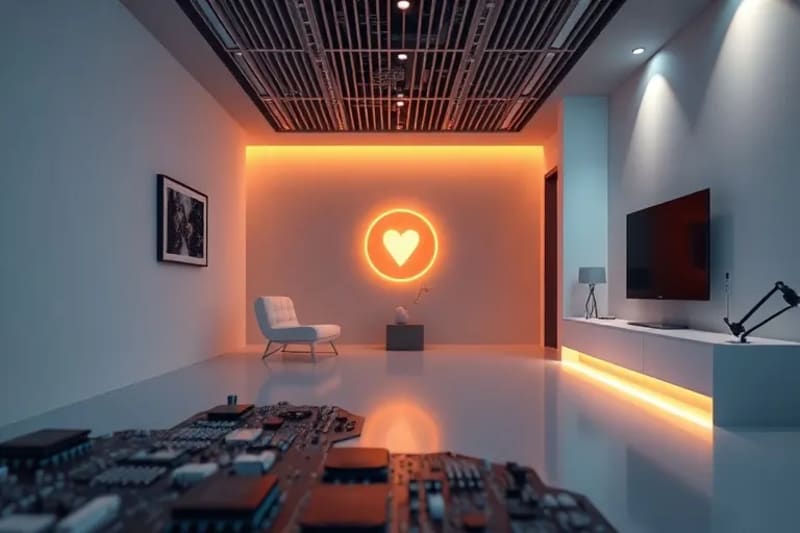 A smart home environment showcasing adaptive lighting and biofeedback, illustrating personalized well-being through technological integration.
Workplaces: Enhancing Productivity and Creativity
Leading technology companies like Google and Apple have been pioneers in integrating neuroarchitectural concepts into their campuses. These spaces often feature abundant natural light, diverse work zones (from quiet pods to vibrant communal areas), biophilic elements, and ergonomic furniture. The goal is to foster creativity, collaboration, and employee well-being, ultimately leading to higher productivity and retention. Studies have shown that access to natural views and daylight can reduce sick days and improve cognitive performance in office settings.
Healthcare Settings: Promoting Healing and Recovery
In hospitals and clinics, neuroarchitecture is transforming patient care. Designs that incorporate natural light, views of nature, calming colors, and reduced noise levels have been shown to decrease patient stress, pain perception, and recovery times. For example, rooms with windows overlooking green spaces often result in shorter hospital stays and less reliance on pain medication. These "healing environments" also benefit staff by reducing burnout and improving focus.
Educational Spaces: Optimizing Learning and Engagement
Schools and universities are adopting neuroarchitectural principles to create more effective learning environments. This includes optimizing classroom acoustics to improve speech intelligibility, using flexible furniture arrangements to support various learning styles, and maximizing natural light to enhance alertness and reduce hyperactivity. These design choices contribute to better academic outcomes and increased student engagement, promoting a positive learning experience.
Residential Design: Fostering Rest and Well-being
At home, neuroarchitecture focuses on creating sanctuaries that support rest, relaxation, and family connection. This can involve designing bedrooms for optimal sleep (darkness, quiet, cool temperatures), living areas that encourage social interaction, and personal spaces that allow for reflection. The thoughtful use of materials, lighting, and layout can significantly reduce household stress and improve overall quality of life, aligning with the pursuit of spiritual well-being and mental clarity.
These diverse applications demonstrate the versatility and profound impact of neuroarchitecture. By prioritizing the human brain and its needs, designers are creating spaces that are not just functional or beautiful, but genuinely supportive of human flourishing in the digital age.
Future Trends: AI, VR, and Personalized Neuroarchitecture
The field of neuroarchitecture is continuously evolving, driven by advancements in technology and a deeper understanding of human cognition. The integration of artificial intelligence (AI) and virtual reality (VR) promises to revolutionize how we design, experience, and interact with our built environments. These emerging trends point towards a future of highly personalized and adaptive spaces.
AI-Driven Design and Optimization
AI algorithms can analyze vast datasets, including user feedback, physiological responses (e.g., heart rate, brain activity), and environmental metrics (e.g., light levels, air quality). This data can inform generative design processes, allowing AI to propose optimal spatial configurations, material choices, and lighting schemes tailored to specific cognitive and emotional goals. For instance, an AI could design an office layout that maximizes natural light exposure while minimizing acoustic distractions for a particular team's workflow.
Virtual and Augmented Reality for Experiential Design
VR and AR technologies are transforming the design process by allowing architects and clients to experience spaces before they are built. Immersive VR simulations can provide realistic walkthroughs, enabling early identification of potential cognitive stressors or opportunities for enhancement. This experiential approach allows for iterative design improvements based on simulated human responses, reducing costly physical prototypes and ensuring optimal outcomes. AR can also overlay digital information onto physical spaces, offering real-time data on environmental conditions and their potential impact on occupants.
Adaptive Environments and Biofeedback Integration
The future of neuroarchitecture envisions spaces that are not static but dynamically responsive to their occupants' needs. Integrated sensor networks can monitor physiological states (e.g., stress levels, focus, sleep patterns) and environmental factors. This real-time biofeedback can trigger automated adjustments in lighting, temperature, soundscapes, or even scent diffusion to optimize the user's well-being. Imagine a workspace that subtly dims the lights and plays calming sounds when it detects signs of stress, or brightens and energizes when focus is required.
Personalized Neuroarchitecture
Ultimately, these technologies will converge to create highly personalized environments. Users could define their cognitive and emotional goals, and the space would adapt accordingly. This could extend to individual preferences for color, sound, and even spatial configurations, creating truly bespoke experiences. The integration of personal wearables and smart home systems will further enable this level of customization, making our physical surroundings extensions of our personal well-being strategies. This advanced personalization will be a key aspect of future living and working, much like how financial education for youth prepares individuals for personalized financial management.
These trends signify a paradigm shift from designing for general human needs to designing for individual neurobiological profiles. The synergy between neuroarchitecture, AI, and immersive technologies promises to unlock unprecedented potential for optimizing human experience in the built environment.
Neuroarchitecture stands as a vital discipline in our increasingly complex and digitally saturated world. By applying scientific insights into how our brains interact with physical spaces, it offers a powerful framework for enhancing human well-being, cognitive performance, and emotional resilience. It is, in essence, an advanced form of environmental biohacking, allowing us to proactively shape our surroundings to better support our inner states.
From optimizing light and sound to integrating biophilic elements and intelligent spatial configurations, every design choice in neuroarchitecture is made with the human brain in mind. As we move forward, the convergence of this field with AI and immersive technologies promises even more personalized and adaptive environments, transforming our homes, workplaces, and public spaces into active partners in our pursuit of optimal health and productivity. Embracing neuroarchitecture is not just about building better structures; it's about building better lives.
Explore More on Althox
- Modelos Negocio Sostenibles Economía Circular Startups
- Microbioma Vaginal Salud Femenina: Prevención, Terapias
- Mitología Nórdica: Dioses, Héroes y el Ragnarök
- Bungee Jumping Salto Base: Psicología Adrenalina Extrema
- Inversiones Alternativas: Criptomonedas, Arte, Bienes Raíces
- Empresas Familiares: Sucesión y Modernización Estratégica
From Our Network
- Tigre Blanco Horóscopo: Simbolismo y Leyendas Chinas | AstroFuturo
- Interpretación Sueños Astrología: Mensajes Inconsciente Astros | AstroFuturo
- Coronilla Divina Misericordia: Eficacia en Casos Desesperados | Profecías de la Virgen
- Neptune Transits: Spiritual Dissolution, Creative Awakening | StarPluto
Source: Hybrid content assisted by AI and human editorial supervision.


Comentarios