
Neuro-Rights Cybersecurity Protecting Consciousness Digital Age
The rapid advancements in neurotechnology and artificial intelligence (AI) are ushering in an era where the human brain, once an impenetrable sanctuary, is becoming increasingly accessible and manipulable. This unprecedented convergence presents profound ethical, legal, and societal challenges, necessitating the urgent establishment of neuro-rights and robust cybersecurity frameworks. Protecting consciousness in this digital age is not merely a philosophical debate but a critical imperative for safeguarding human autonomy and dignity.
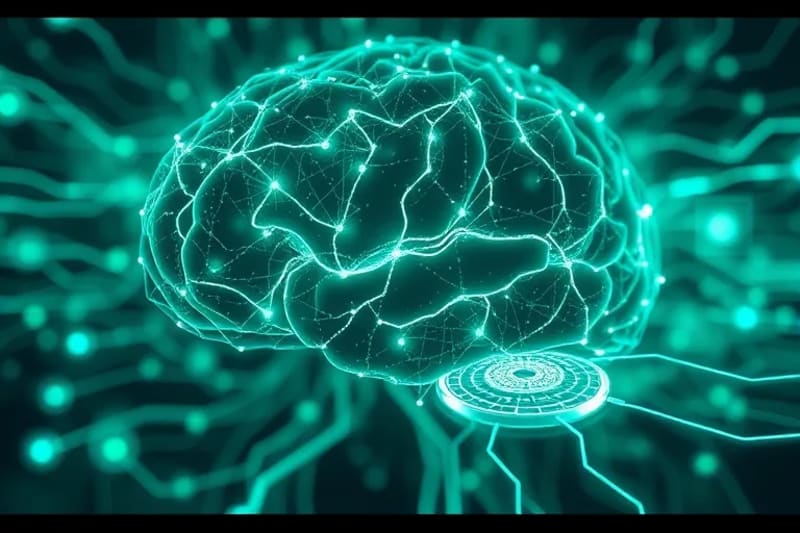 The intricate dance between advanced neurotechnology and digital security protocols.
Neuro-rights are a nascent set of human rights designed to protect the human brain and its activity from technological interference. They aim to address the unique threats posed by technologies that can read, write, and even alter neural processes. As brain-computer interfaces (BCIs) and advanced neuroimaging become more sophisticated, the line between thought and digital data blurs, creating new vulnerabilities that traditional privacy laws may not adequately cover.
Table of Contents
- Understanding Neuro-Rights: A New Frontier of Human Rights
- The Convergence of Neurotechnology, AI, and Digital Security
- Core Pillars of Neuro-Rights: Privacy, Identity, and Agency
- Cybersecurity Imperatives for Brain-Computer Interfaces
- Crafting Legal and Ethical Frameworks for Neuro-Protection
- Advanced Technological Safeguards and Future Innovations
- Societal Impact and the Collaborative Path Forward
Understanding Neuro-Rights: A New Frontier of Human Rights
Neuro-rights represent an emerging category of human rights specifically tailored to address the ethical and legal implications of neurotechnology. These rights seek to protect individuals from potential misuse of technologies that interact directly with the brain. The concept gained prominence as neuroscientific research and engineering advanced, making it possible to decode, predict, and even influence brain activity.
The core idea behind neuro-rights is to extend existing human rights principles, such as privacy and bodily integrity, into the neural domain. This extension is crucial because brain data is uniquely sensitive, offering insights into an individual's thoughts, emotions, and intentions. Unauthorized access or manipulation of this data could have profound consequences for personal autonomy and mental well-being.
Experts like Rafael Yuste, a neuroscientist at Columbia University, have been instrumental in advocating for these rights, highlighting the urgent need for legal frameworks. His work, alongside other prominent figures, emphasizes that without clear protections, neurotechnology could lead to unprecedented forms of surveillance, discrimination, and control. The stakes are incredibly high, as these technologies could redefine what it means to be human.
The Convergence of Neurotechnology, AI, and Digital Security
The digital age is characterized by the rapid convergence of various technological domains, and none is more impactful on human consciousness than the intersection of neurotechnology, artificial intelligence, and cybersecurity. Neurotechnology encompasses devices and methods that directly interact with the nervous system, ranging from diagnostic tools to therapeutic interventions and enhancement technologies. Brain-Computer Interfaces (BCIs), for instance, allow direct communication pathways between the brain and external devices, bypassing traditional motor output.
Artificial intelligence plays a pivotal role in processing the vast amounts of complex data generated by neurotechnologies. AI algorithms can interpret neural signals, identify patterns, and even predict intentions or emotional states. This capability is transformative for medical applications, such as controlling prosthetic limbs or restoring communication for paralyzed individuals. However, it also opens doors to potential misuses, including unauthorized data extraction or even manipulation of cognitive processes.
Cybersecurity, therefore, becomes the indispensable third pillar in this convergence. It is the discipline responsible for protecting digital systems, networks, and data from malicious attacks. In the context of neurotechnology, cybersecurity must evolve to protect not just personal information, but the very essence of an individual's mental life. This involves securing BCI devices, encrypting neural data streams, and safeguarding the AI systems that interpret this data from breaches and tampering. The integrity of our mental processes depends on the robustness of these digital defenses.
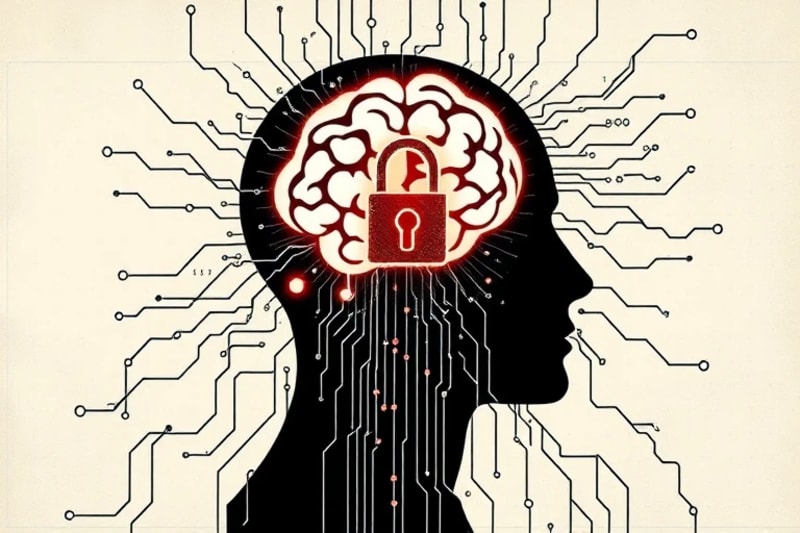 A conceptual representation of mental privacy and its digital safeguards.
Core Pillars of Neuro-Rights: Privacy, Identity, and Agency
The proposed framework for neuro-rights typically centers around several fundamental principles, each designed to protect a specific aspect of human consciousness and autonomy in the face of neurotechnological advancements. These pillars are critical for developing comprehensive legal and ethical guidelines.
- Right to Mental Privacy: This right ensures that individuals have control over their neural data and the information derived from their brain activity. It protects against unauthorized access, collection, storage, and use of brain data by third parties, whether governments, corporations, or individuals. The implications of mental privacy extend beyond mere data protection, touching upon the sanctity of one's inner thoughts and emotional states.
- Right to Mental Identity: This principle safeguards an individual's sense of self and personal continuity from external alteration by neurotechnologies. It aims to prevent technologies from manipulating or blurring the boundaries of an individual's identity, ensuring that one's personality, memories, and beliefs remain authentically their own.
- Right to Free Will and Agency: Perhaps the most profound of neuro-rights, this principle seeks to protect an individual's capacity for autonomous decision-making and control over their own choices. It guards against technologies that could covertly influence, coerce, or manipulate an individual's intentions, thoughts, or behaviors, thereby undermining their fundamental freedom.
- Right to Equitable Access to Neuro-Enhancement: This right addresses the potential for a "neuro-divide," where access to beneficial neurotechnologies (e.g., cognitive enhancements) could create new forms of social inequality. It advocates for fair and just distribution of these technologies to prevent exacerbating existing disparities.
- Right to Protection from Algorithmic Bias: As AI interprets neural data, there's a risk of algorithmic biases leading to discriminatory outcomes. This right ensures that neurotechnologies and the AI systems powering them are developed and deployed in a way that is fair, transparent, and non-discriminatory, particularly concerning sensitive brain data.
These core pillars form the bedrock upon which future legislation and ethical guidelines for neurotechnology must be built. They highlight the urgent need to consider the unique nature of brain data and its implications for human rights, distinguishing it from traditional forms of personal data.
Cybersecurity Imperatives for Brain-Computer Interfaces
Brain-Computer Interfaces (BCIs) are at the forefront of neurotechnological innovation, offering immense potential for medical treatment, communication, and even human augmentation. However, their direct interface with the brain also makes them uniquely vulnerable to cybersecurity threats. The imperative for robust cybersecurity in BCIs cannot be overstated, as a breach could compromise not just data, but an individual's mental integrity.
One of the primary concerns is the vulnerability of neural data. Raw neural signals, once collected, can be incredibly revealing. They might contain information about a person's intentions, emotional states, cognitive patterns, and even sensitive medical conditions. If this data falls into the wrong hands, it could be used for targeted advertising, psychological manipulation, blackmail, or even identity theft of a profoundly personal nature.
Attack vectors for BCIs are diverse and complex. They include traditional cybersecurity threats such as malware designed to intercept or alter neural signals, unauthorized access to BCI devices or their associated cloud storage, and even physical tampering with implanted devices. Furthermore, the AI algorithms that process BCI data could be susceptible to adversarial attacks, where subtle manipulations of input data lead to incorrect or malicious interpretations of brain activity, potentially causing harm or influencing behavior.
Device security is another critical area. Both implanted and non-invasive BCIs must be designed with security-by-design principles. This means implementing strong authentication mechanisms, secure boot processes, and tamper-detection features from the outset. Regular security audits and updates are also essential to mitigate emerging threats. Without these measures, BCIs could become conduits for unprecedented forms of digital intrusion into the human mind.
Crafting Legal and Ethical Frameworks for Neuro-Protection
The unique challenges posed by neurotechnology necessitate the development of specialized legal and ethical frameworks that go beyond existing regulations. While current data protection laws like GDPR (General Data Protection Regulation) and HIPAA (Health Insurance Portability and Accountability Act) offer some level of protection for health-related data, they were not designed with the intricacies of brain data and mental privacy in mind.
One of the most significant legislative steps taken so far is Chile's constitutional amendment in 2021, which explicitly protects "mental integrity and the right to individual identity" from neurotechnological interference. This pioneering move serves as a blueprint for other nations considering similar protections. It highlights a global recognition of the need for proactive governance in this rapidly evolving field.
International organizations, such as UNESCO and the United Nations, are also actively engaged in discussions to develop global ethical guidelines and recommendations for neurotechnology. These efforts aim to foster a common understanding of neuro-rights and encourage harmonized legal approaches across different jurisdictions. The goal is to prevent a patchwork of regulations that could hinder innovation or create safe havens for unethical practices.
Ethical guidelines from scientific and medical bodies also play a crucial role. These guidelines often address issues such as informed consent for neurotechnological interventions, the responsible conduct of neuroscientific research, and the potential for therapeutic misuse. They emphasize transparency, accountability, and the precautionary principle in the development and deployment of neurotechnologies. The integration of digital twin models in healthcare, for instance, underscores the need for robust ethical oversight of highly personal data representations.
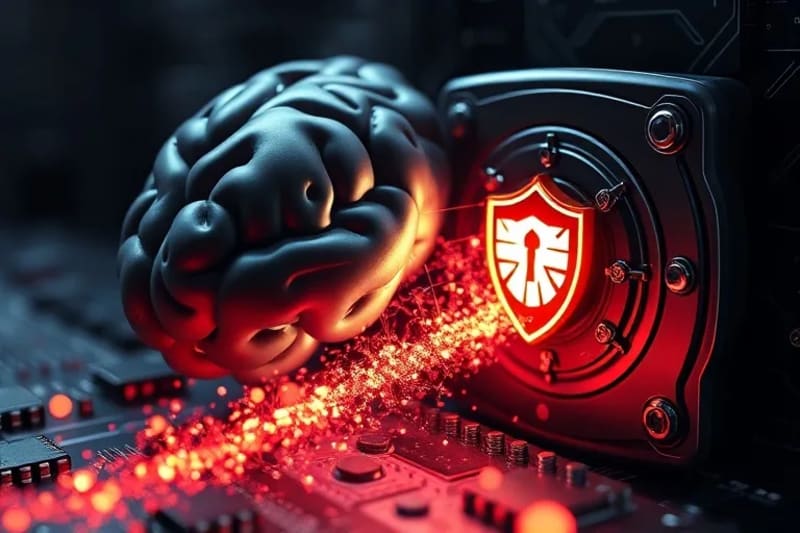 A conceptual visualization of brain data being securely encrypted and stored.
Advanced Technological Safeguards and Future Innovations
Beyond legal and ethical frameworks, technological solutions are paramount to securing neuro-rights. Cybersecurity measures must be integrated at every layer of neurotechnological development and deployment. This includes advanced encryption, secure authentication, and the development of privacy-preserving AI.
Encryption for Neural Data: End-to-end encryption should be a standard for all data transmitted from BCIs. This ensures that even if data is intercepted, it remains unintelligible to unauthorized parties. Homomorphic encryption, which allows computation on encrypted data without decrypting it, holds particular promise for privacy-preserving AI analysis of neural signals.
Secure Authentication for BCIs: Multi-factor authentication, biometric verification, and even brain-print authentication (if securely implemented) could prevent unauthorized users from accessing or controlling BCI devices. The challenge lies in balancing security with user convenience and accessibility, especially for individuals with disabilities who rely on these devices.
Explainable AI (XAI) for Neuro-Applications: Given AI's role in interpreting neural data, it is crucial that these systems are transparent and explainable. XAI aims to make AI decisions understandable to humans, which is vital for ensuring that neural data is processed fairly and without bias. This transparency can help identify and mitigate algorithmic discrimination that might otherwise go unnoticed.
Hardware-Level Security: Security must be baked into the hardware of neurodevices. This includes secure enclaves for sensitive data processing, tamper-resistant packaging, and mechanisms to detect and respond to physical intrusions. Supply chain security is also critical to prevent the introduction of malicious components.
User Education and Consent Mechanisms: Empowering users with knowledge about the risks and benefits of neurotechnology is a non-negotiable safeguard. Clear, understandable consent mechanisms, allowing granular control over data sharing and usage, are essential for upholding mental autonomy. Users must be able to make informed decisions about their own neural data.
Societal Impact and the Collaborative Path Forward
The implications of neurotechnology and the need for neuro-rights extend far beyond individual privacy, touching upon fundamental societal structures. The potential impact on justice systems, education, and employment is profound. For instance, the ability to decode intentions could revolutionize criminal justice but also raise serious questions about privacy and self-incrimination. In education, personalized learning via neurofeedback could be transformative, yet concerns about surveillance and mental manipulation would need careful consideration.
The "neuro-divide," where access to advanced neuro-enhancements could create a new class of privileged individuals, poses a significant threat to social equity. Ensuring equitable access and preventing the weaponization of neurotechnology are critical challenges that require international cooperation and robust ethical guidelines. Without these, the digital age could inadvertently create new forms of social stratification based on cognitive capabilities.
The path forward demands a collaborative, interdisciplinary approach involving neuroscientists, ethicists, legal scholars, policymakers, cybersecurity experts, and the public. Open dialogue and public engagement are essential to shape a future where neurotechnology serves humanity's best interests, enhancing well-being without compromising fundamental rights. Proactive governance, rather than reactive legislation, is the imperative for navigating this complex landscape.
Ultimately, the protection of consciousness in the digital age is a shared responsibility. It requires continuous vigilance, adaptive legal frameworks, cutting-edge cybersecurity, and a deep commitment to human dignity and autonomy. As we push the boundaries of what technology can achieve, we must simultaneously reinforce the ethical and legal safeguards that define our humanity.
Related Searches
- Neuroethics and AI
- BCI security protocols
- Laws protecting mental privacy
- Digital consciousness protection
- Human rights in neurotechnology
Source: Hybrid content assisted by AI and human editorial supervision.


Comentarios