
Ethical Neurohacking: AI Brain Optimization Mental Health
The rapid advancements in neuroscience and artificial intelligence (AI) are ushering in an era where direct intervention with brain function is becoming increasingly sophisticated. This convergence has given rise to the concept of neurohacking, which broadly refers to the modification of brain activity to enhance cognitive function, improve mental well-being, or treat neurological disorders. However, as these capabilities grow, the imperative for an ethical framework becomes paramount, leading to the specialized field of ethical neurohacking.
Ethical neurohacking, particularly when augmented by AI, promises revolutionary approaches to mental health care, offering personalized and precise interventions previously unimaginable. This article delves into the intricate landscape of ethical neurohacking, exploring its potential to optimize brain function for mental health, the technological underpinnings driven by AI, and the critical ethical boundaries that must be established and respected to ensure responsible innovation and application.
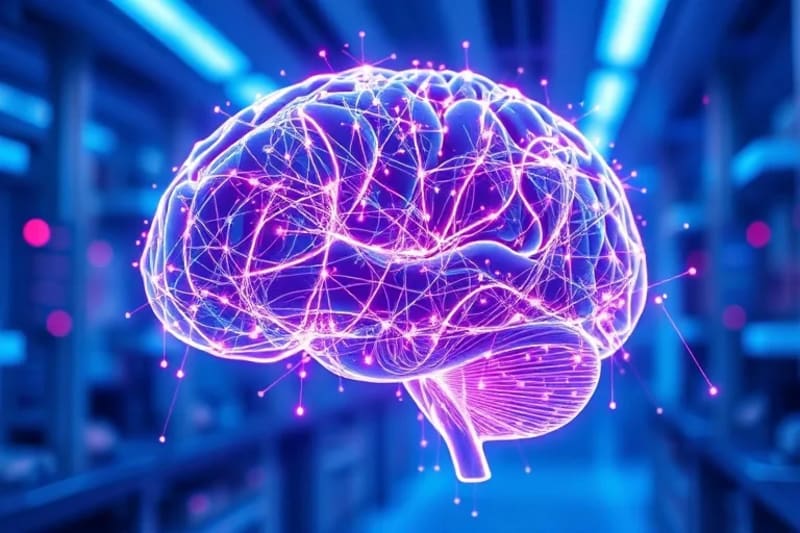
Exploring the intricate convergence of biological neural networks and artificial intelligence in ethical neurohacking.
The discussion will navigate the scientific principles, the transformative role of AI in diagnostics and personalized treatments, and the profound ethical considerations surrounding privacy, autonomy, equity, and the very definition of human identity in the face of brain optimization. Understanding these facets is crucial for shaping a future where neurotechnology serves humanity's best interests.
Table of Contents
- What is Ethical Neurohacking?
- The Role of AI in Brain Optimization for Mental Health
- Key Neurotechnologies and Their Applications
- Ethical Frontiers and Challenges
- Regulatory Landscape and Governance
- Future Prospects and Responsible Innovation
What is Ethical Neurohacking?
Neurohacking encompasses a broad range of techniques aimed at altering brain function, from lifestyle changes and nootropics to advanced neurotechnologies. Ethical neurohacking specifically refers to these practices when conducted with a clear commitment to moral principles, human rights, and societal well-being. It distinguishes itself from unregulated or potentially harmful practices by prioritizing safety, informed consent, therapeutic benefit, and avoiding exploitation or undue risk.
The core tenets of ethical neurohacking include:
- Beneficence and Non-Maleficence: Ensuring that interventions aim to do good and avoid harm.
- Autonomy: Respecting an individual's right to make informed decisions about their own brain and body, free from coercion.
- Justice: Striving for equitable access to beneficial neurotechnologies and preventing the exacerbation of social inequalities.
- Privacy: Protecting sensitive neural data from unauthorized access, use, or disclosure.
- Transparency: Openly communicating the risks, benefits, and limitations of neurohacking interventions.
This ethical framework is crucial as neurohacking moves from speculative science fiction to tangible reality, particularly in the sensitive domain of mental health, where interventions can profoundly impact an individual's personality, cognition, and emotional state.
The Role of AI in Brain Optimization for Mental Health
Artificial intelligence is not merely a tool but a transformative partner in ethical neurohacking, offering unprecedented capabilities in analyzing complex neural data, personalizing interventions, and adapting treatments in real-time. Its role spans several critical areas:
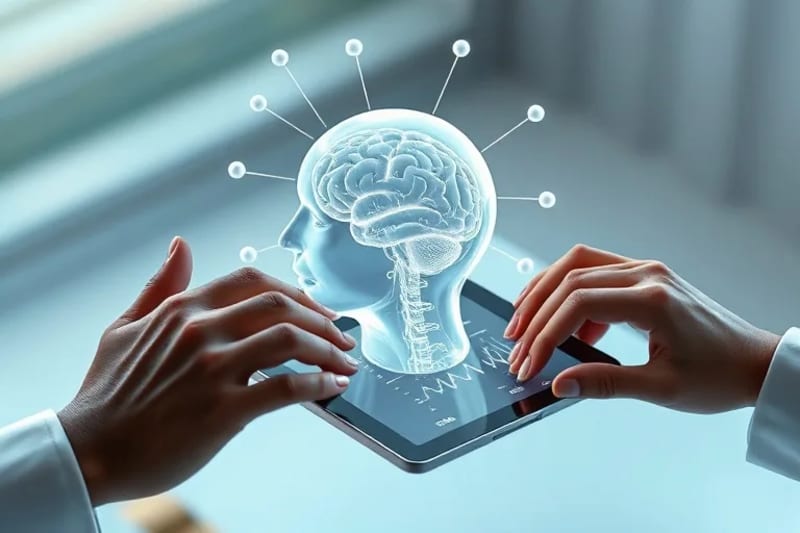
Visualizing the precision and data-driven approach of AI in optimizing brain function for mental health.
AI-driven Diagnostics and Biomarker Identification
AI algorithms can process vast amounts of neuroimaging data (fMRI, EEG, MEG), genetic information, and clinical assessments to identify subtle patterns and biomarkers indicative of mental health conditions. This allows for earlier and more accurate diagnoses, often before overt symptoms manifest. For instance, machine learning models can predict the risk of depression or schizophrenia by analyzing brain connectivity patterns, leading to proactive intervention strategies.
Personalized Treatment Protocols
Traditional mental health treatments often follow a one-size-fits-all approach. AI enables hyper-personalization by predicting an individual's response to different therapies based on their unique biological and psychological profile. This includes optimizing parameters for neurostimulation techniques like Transcranial Magnetic Stimulation (TMS) or Deep Brain Stimulation (DBS), tailoring neurofeedback protocols, or even guiding pharmacological choices through pharmacogenomics. Such personalization significantly enhances treatment efficacy and reduces trial-and-error periods.
Real-time Neural Modulation and Adaptive Interventions
Advanced AI systems can monitor brain activity in real-time and adjust neuro-interventions dynamically. For example, in closed-loop Brain-Computer Interfaces (BCIs) used for depression or anxiety, AI can detect aberrant neural states and immediately deliver targeted stimulation to normalize activity. This adaptive capability ensures that interventions are always optimal and responsive to the brain's current state, maximizing therapeutic benefit and minimizing side effects. This dynamic interaction leverages sophisticated computational methods, akin to optimization processes seen in fields like Quantum Computing Climate Modeling: Advanced Predictions Optimization, but applied to the intricate landscape of the human brain.
Key Neurotechnologies and Their Applications
The practical application of ethical neurohacking relies on a suite of advanced neurotechnologies, each offering unique ways to interact with and optimize brain function:
- Brain-Computer Interfaces (BCIs): These devices establish a direct communication pathway between the brain and an external device. While often associated with motor prosthetics, BCIs are being explored for mental health to monitor neural activity, deliver targeted stimulation, or even facilitate communication for individuals with severe neurological impairments.
- Transcranial Magnetic Stimulation (TMS) and Transcranial Direct Current Stimulation (tDCS): Non-invasive brain stimulation techniques that use magnetic fields (TMS) or weak electrical currents (tDCS) to modulate neuronal activity in specific brain regions. AI can optimize the placement, intensity, and frequency of these stimulations for conditions like depression, anxiety, and PTSD.
- Deep Brain Stimulation (DBS): An invasive procedure involving surgically implanted electrodes that deliver electrical impulses to specific brain areas. Traditionally used for Parkinson's, DBS is showing promise for severe, treatment-resistant depression and OCD. AI can refine the stimulation parameters to maximize therapeutic effects and minimize side effects.
- Neurofeedback Systems: These systems allow individuals to learn to self-regulate their brain activity by providing real-time feedback on their brainwave patterns (e.g., EEG). AI enhances neurofeedback by identifying optimal target brain states and providing more intuitive and effective feedback mechanisms.
- Pharmacogenomics and AI: AI analyzes an individual's genetic makeup to predict their response to various psychotropic medications, helping clinicians select the most effective drug and dosage while minimizing adverse reactions. This precision medicine approach reduces the trial-and-error often associated with psychiatric medication.
These technologies, when ethically deployed and guided by AI, hold immense potential for transforming the treatment landscape for a wide array of mental health challenges, from chronic depression to severe anxiety disorders, and even exploring the therapeutic potential of states like Lucid Dreams Neuroplasticity: Therapeutic Potential Mental Disorders.
Ethical Frontiers and Challenges
Despite the profound promise, ethical neurohacking presents significant challenges that demand careful consideration and proactive solutions. These issues are not merely theoretical but have tangible implications for individuals and society.
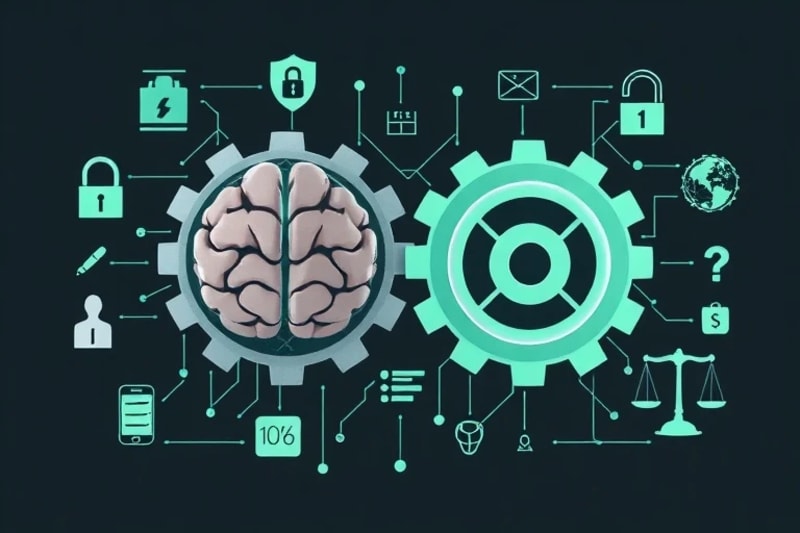
A conceptual representation of the delicate balance between innovation and ethical considerations in brain optimization.
Privacy and Data Security of Neural Information
Brain data is arguably the most intimate and sensitive form of personal information. It can reveal thoughts, emotions, intentions, and predispositions. The collection, storage, and processing of this data by AI systems raise critical privacy concerns. Who owns this data? How is it protected from breaches or misuse? The potential for discrimination based on neural data, or even the weaponization of such information, necessitates robust cybersecurity measures and legal frameworks, similar to the advanced strategies discussed in Artificial Intelligence Cybersecurity: Threats and Advanced Solutions.
Autonomy, Identity, and Coercion
Interventions that directly alter brain function can impact an individual's sense of self, agency, and identity. Questions arise: To what extent does brain optimization influence free will? Could individuals feel coerced into using neurotechnologies to maintain competitiveness in society or the workplace? Ensuring true informed consent, especially for vulnerable populations, becomes incredibly complex when the intervention itself might alter decision-making capacity.
Equity of Access and the Digital Divide
If advanced neurotechnologies prove highly effective, their limited availability due to cost or geographic location could exacerbate existing health disparities. A "neuro-divide" could emerge, where only the privileged have access to cognitive enhancement or superior mental health treatments, creating new forms of social inequality and injustice.
Potential for Misuse and Dual-Use Dilemmas
Neurotechnologies developed for therapeutic purposes could potentially be misused for non-consensual surveillance, manipulation, or even coercive control. The "dual-use" nature of these technologies – beneficial in one context, harmful in another – requires careful oversight and international agreements to prevent their weaponization or unethical application.
Defining "Normal" and "Optimal" Brain Function
As brain optimization becomes feasible, society must grapple with defining what constitutes "normal" brain function versus what is considered a disorder, and what "optimal" means. There is a risk of medicalizing natural human variations or creating unrealistic expectations for cognitive performance, leading to new forms of stigma or pressure to conform to an "enhanced" standard.
Regulatory Landscape and Governance
The rapid pace of neurotechnological development often outstrips the capacity of existing regulatory frameworks. Current regulations, such as HIPAA in the United States or GDPR in Europe, provide some protection for health data, but they were not designed with the unique sensitivities of neural data in mind. There is an urgent need for specific neuroethics guidelines and legislation that address the unique challenges posed by brain-interfacing technologies.
Key areas for regulatory development include:
- Neuro-rights: The concept of "neuro-rights" is emerging, proposing legal protections for mental privacy, cognitive liberty, mental integrity, and psychological continuity. Chile has notably become the first country to enshrine neuro-rights in its constitution.
- Standardization and Certification: Establishing international standards for the safety, efficacy, and interoperability of neurotechnologies, along with robust certification processes.
- Ethical Review Boards: Strengthening and expanding the mandate of ethical review boards to include expertise in neuroethics, ensuring rigorous oversight of research and clinical applications.
- Public Engagement: Fostering informed public dialogue and education about neurotechnology to build trust and ensure societal values are reflected in policy decisions.
- International Collaboration: Given the global nature of scientific advancement and potential societal impact, international cooperation is essential to develop harmonized ethical guidelines and regulatory approaches.
Without a robust and adaptive regulatory framework, the potential for ethical missteps, harm, and the erosion of fundamental human rights remains significant. Proactive governance is not about stifling innovation but about guiding it responsibly.
Future Prospects and Responsible Innovation
The future of ethical neurohacking, powered by AI, holds immense promise for revolutionizing mental health care. We can anticipate:
- Advanced Therapeutic Breakthroughs: More effective and personalized treatments for currently intractable mental health conditions, leading to improved quality of life for millions.
- Enhanced Cognitive Function: The potential for safe and ethical cognitive enhancement, not just for those with disorders but for general well-being, raising important societal debates.
- Deeper Understanding of the Brain: AI-driven neurotechnologies will continue to unravel the complexities of the human brain, leading to fundamental scientific discoveries.
However, realizing this positive future hinges on a commitment to responsible innovation. This requires:
- Interdisciplinary Dialogue: Continuous collaboration among neuroscientists, AI ethicists, clinicians, policymakers, legal experts, philosophers, and the public.
- Ethical by Design: Integrating ethical considerations into the very design and development of neurotechnologies and AI algorithms from the outset.
- Long-term Societal Impact Assessment: Proactive evaluation of the potential long-term societal, cultural, and economic impacts of widespread neurotechnology adoption.
The journey into brain optimization is not just a scientific endeavor but a profound societal one, demanding foresight, wisdom, and a collective commitment to human values.
Ethical neurohacking, augmented by artificial intelligence, stands at the frontier of transforming mental health and human potential. Its promise is immense, offering unprecedented precision in diagnosis, personalization in treatment, and adaptive interventions that can profoundly improve lives. Yet, this transformative power comes with equally profound ethical responsibilities. Navigating the complex terrain of privacy, autonomy, equity, and identity requires a delicate balance between fostering innovation and establishing robust ethical guardrails and regulatory frameworks.
The future of brain optimization must be built on a foundation of scientific rigor, ethical integrity, and broad societal consensus. By proactively addressing the challenges and embracing responsible innovation, we can harness the power of neurotechnology and AI to enhance human well-being in a way that respects our fundamental humanity and ensures a just and equitable future for all.
Explore Further: Related Topics
- Lucid Dreams Neuroplasticity: Therapeutic Potential Mental Disorders
Delve into the fascinating connection between lucid dreaming, brain plasticity, and its implications for treating mental health conditions. - Artificial Intelligence Cybersecurity: Threats and Advanced Solutions
Understand how AI is both a target and a powerful tool in the evolving landscape of cybersecurity, crucial for protecting sensitive neural data. - Quantum Computing Climate Modeling: Advanced Predictions Optimization
Discover the cutting-edge computational power of quantum computing and its applications in complex modeling and optimization, a parallel to AI's role in neuro-optimization. - Master Crystals Quantum Healing: Advanced Protocols
Explore alternative perspectives on healing and energy, contrasting with the scientific approaches of neurohacking. - Lilith 10th House: Reclaiming Wild Feminine Public Life
Investigate astrological insights into personal power and public identity, offering a different lens on self-optimization and societal roles.
Source: Hybrid content assisted by AI and human editorial supervision.


Comentarios