
Digestive Biohacking Elite Athletes: Performance Optimization
In the relentless pursuit of peak performance, elite athletes constantly seek innovative strategies to gain a competitive edge. Beyond rigorous training regimens and meticulously planned diets, a burgeoning field known as digestive biohacking is emerging as a game-changer. This approach focuses on optimizing the intricate ecosystem within the gut, primarily the microbiome, to unlock new levels of physical and mental prowess. It represents a shift from traditional performance enhancement to a more holistic and internal focus.
Digestive biohacking for elite athletes involves a personalized, data-driven methodology to understand and manipulate the gut environment. The goal is to maximize nutrient absorption, reduce inflammation, bolster immune function, and even influence cognitive processes, all of which are critical for sustained high-level athletic output. While athletes meticulously train every muscle, from the powerful quadriceps to the often-overlooked long abductor muscle, the internal ecosystem of their digestive tract often remains an uncharted territory, yet its impact is profound.
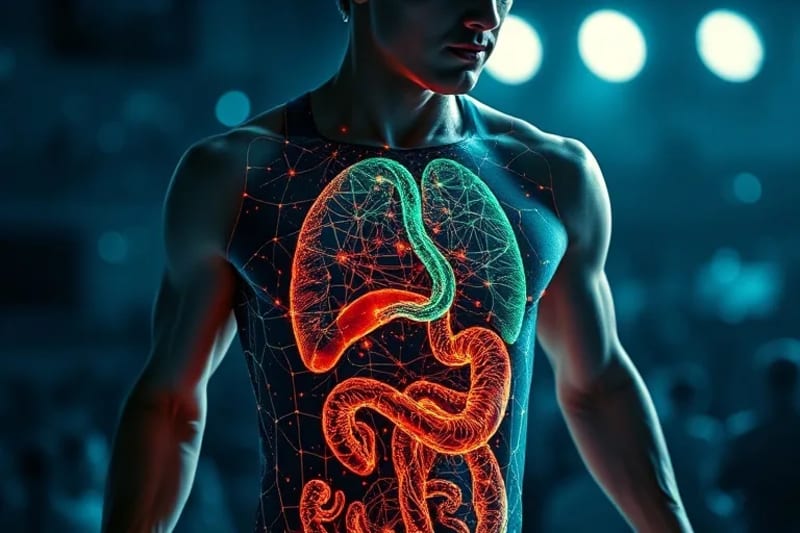 An elite athlete's internal ecosystem, a dynamic interplay of strength and microbial balance.
This article delves into the science behind digestive biohacking, exploring how the gut microbiome influences athletic performance and outlining practical strategies for optimization. We will examine the core principles, the scientific evidence supporting these interventions, and the future potential of this revolutionary approach in the world of elite sports.
Introduction to Digestive Biohacking
- Introduction to Digestive Biohacking
- The Gut Microbiome: An Athlete's Unseen Partner
- Microbiome's Multifaceted Impact on Performance
- Strategic Biohacking: Optimizing Gut Health
- Personalization and Monitoring: The Data-Driven Approach
- Challenges and Ethical Considerations in Biohacking
- The Future Landscape of Sports Biohacking
Biohacking, in its essence, refers to the practice of making small, incremental changes to one's biology to optimize performance and well-being. When applied to the digestive system, it focuses on enhancing the function of the gastrointestinal tract and its resident microbial communities. For elite athletes, whose bodies are pushed to their physiological limits, an optimally functioning digestive system is not just beneficial but absolutely critical.
The concept extends beyond simply avoiding digestive discomfort. It delves into how the gut influences systemic inflammation, energy production, nutrient utilization, and even mental clarity. By consciously manipulating dietary intake, introducing targeted supplements, and adopting specific lifestyle practices, athletes aim to create a gut environment that supports their demanding training and competition schedules.
The Gut Microbiome: An Athlete's Unseen Partner
The human gut harbors trillions of microorganisms, collectively known as the gut microbiome. This complex community comprises bacteria, viruses, fungi, and other microbes, which play a symbiotic role in human health. In athletes, this internal ecosystem takes on an even greater significance, acting as an unseen partner in their performance journey.
A diverse and balanced microbiome is associated with numerous health benefits, including efficient digestion, robust immune function, and the synthesis of essential vitamins and short-chain fatty acids (SCFAs). These SCFAs, like butyrate, acetate, and propionate, serve as vital energy sources for gut cells and have systemic anti-inflammatory effects. For an athlete, this translates directly into better energy availability and reduced recovery times.
 A vibrant illustration showcasing the diverse microbial communities within the gut, essential for health.
Conversely, an imbalanced microbiome, often termed dysbiosis, can lead to digestive issues, increased susceptibility to infections, chronic inflammation, and impaired nutrient absorption. These conditions can severely hinder an athlete's training capacity, performance, and overall health, making microbiome health a critical component of sports science.
Microbiome's Multifaceted Impact on Performance
The influence of the gut microbiome extends far beyond digestion, touching upon several key aspects of athletic performance:
- Energy Metabolism and Nutrient Absorption: The gut microbes assist in breaking down complex carbohydrates that human enzymes cannot digest, fermenting them into SCFAs. These SCFAs can contribute significantly to an athlete's energy supply, especially during prolonged exercise. Furthermore, a healthy gut lining ensures optimal absorption of macronutrients and micronutrients, preventing deficiencies that could impair performance.
- Inflammation and Recovery: Intense physical activity induces systemic inflammation, a necessary process for adaptation but one that can also prolong recovery and increase injury risk if dysregulated. A balanced microbiome helps regulate inflammatory responses through the production of anti-inflammatory compounds and by maintaining gut barrier integrity, preventing the leakage of toxins into the bloodstream. The intricate network of microorganisms within the human gut, often referred to as the gut microbiome, plays a pivotal role in modulating various physiological processes essential for athletic prowess. Understanding these complex biological systems often requires advanced analytical tools, akin to those used in structural bioinformatics for drug and protein design.
- Immune Function: A significant portion of the body's immune system resides in the gut. A healthy microbiome trains and modulates immune cells, making athletes less susceptible to infections, particularly upper respiratory tract infections, which are common during periods of heavy training.
- Mental Resilience (Gut-Brain Axis): The gut and brain are in constant communication via the gut-brain axis. Gut microbes produce neurotransmitters and neuromodulators that can influence mood, stress response, and cognitive function. For athletes, this means improved focus, reduced anxiety, and better decision-making under pressure.
Strategic Biohacking: Optimizing Gut Health
Optimizing the gut microbiome for athletic performance involves a multi-pronged approach, often requiring personalized strategies:
1. Dietary Interventions:
- High-Fiber Diet: Emphasize diverse plant-based foods rich in dietary fiber, which acts as prebiotics, feeding beneficial gut bacteria. Examples include fruits, vegetables, whole grains, legumes, and nuts.
- Fermented Foods: Incorporate probiotic-rich foods like yogurt, kefir, sauerkraut, kimchi, and kombucha to introduce beneficial live bacteria into the gut.
- Polyphenol-Rich Foods: Berries, dark chocolate, green tea, and colorful vegetables contain polyphenols that can positively influence gut microbial composition.
- Avoid Processed Foods and Artificial Sweeteners: These can negatively impact microbial diversity and promote dysbiosis.
2. Targeted Supplementation:
- Probiotics: Specific strains of probiotics have been studied for their benefits in athletes, such as reducing incidence of URTI, improving gut barrier function, and enhancing recovery. Supplementation should be tailored to individual needs and goals.
- Prebiotics: Supplements like inulin, fructooligosaccharides (FOS), and galactooligosaccharides (GOS) can selectively feed beneficial gut bacteria.
- Omega-3 Fatty Acids: Known for their anti-inflammatory properties, omega-3s can also positively influence gut microbiota composition.
- Vitamin D: Plays a role in immune function and gut barrier integrity.
3. Lifestyle Factors:
- Stress Management: Chronic stress can negatively alter the gut microbiome. Techniques like meditation, yoga, and mindfulness are crucial.
- Adequate Sleep: Sleep deprivation can disrupt gut health and increase inflammation. Prioritizing 7-9 hours of quality sleep is essential.
- Hydration: Sufficient water intake supports digestive regularity and overall gut health.
- Exercise Type and Intensity: While moderate exercise generally benefits the microbiome, extreme or prolonged intense exercise without adequate recovery can induce gut dysbiosis and "leaky gut." Balancing training load is key.
Personalization and Monitoring: The Data-Driven Approach
True biohacking is inherently personalized. What works for one athlete may not work for another, given the unique nature of each individual's microbiome and genetic makeup. This necessitates a data-driven approach:
- Gut Microbiome Testing: Advanced stool tests can provide a snapshot of the microbial composition, diversity, and functional potential. This information helps identify imbalances and guide targeted interventions.
- Metabolite Analysis: Measuring specific metabolites in blood, urine, or stool can offer insights into how the microbiome is functioning and its impact on host metabolism.
- Nutrigenomics: Understanding an athlete's genetic predispositions can further refine dietary and supplementation strategies, predicting how they might respond to certain foods or nutrients.
- Continuous Performance Monitoring: Tracking objective performance metrics (e.g., power output, speed, endurance), subjective well-being (e.g., mood, sleep quality), and recovery markers (e.g., HRV, inflammatory markers) helps assess the effectiveness of biohacking interventions.
 A futuristic lab setting visualizing complex microbiome data for personalized athlete optimization.
The future of digestive biohacking for elite athletes heavily relies on advanced data analytics and artificial intelligence. AI-driven platforms can process vast amounts of microbiome data, dietary inputs, and performance metrics to generate highly personalized recommendations. This integration of technology mirrors the transformative impact of AI on the labor market, where roles and skills are constantly being redefined.
Challenges and Ethical Considerations in Biohacking
While the promise of digestive biohacking is significant, several challenges and ethical considerations must be addressed:
- Scientific Evidence Gaps: Much of the research on the gut microbiome and athletic performance is still emerging. While promising, more large-scale, randomized controlled trials are needed to establish definitive cause-and-effect relationships for specific interventions.
- Cost and Accessibility: Personalized microbiome testing and high-quality supplements can be expensive, limiting access for many athletes.
- Over-reliance and Misinformation: The allure of quick fixes can lead athletes to experiment with unproven or potentially harmful interventions without proper scientific guidance. The field is also susceptible to misinformation and exaggerated claims.
- Ethical Boundaries: As biohacking becomes more advanced, questions arise about the ethical implications of manipulating fundamental biological processes, especially in competitive sports where fairness and natural ability are paramount.
It is crucial for athletes and their support teams to work with qualified professionals, such as sports dietitians, gastroenterologists, and exercise physiologists, to ensure that biohacking strategies are safe, evidence-based, and ethically sound.
The Future Landscape of Sports Biohacking
The future of digestive biohacking in elite sports is poised for significant advancements. Emerging research is continually uncovering new links between specific microbial strains, metabolic pathways, and athletic outcomes. This will lead to even more precise and personalized interventions.
Advances in wearable technology and continuous glucose monitoring, coupled with sophisticated AI algorithms, will allow for real-time monitoring of physiological responses to dietary and lifestyle changes. This will enable athletes to adjust their biohacking strategies dynamically, optimizing their gut health and performance on a day-to-day basis.
Furthermore, a deeper understanding of the gut-brain-muscle axis will likely reveal novel ways to enhance not only physical attributes but also cognitive functions crucial for strategic thinking and mental toughness in competition. Digestive biohacking is set to become an indispensable tool in the arsenal of elite athletes, moving beyond a niche practice to a mainstream component of high-performance sports science.
Related Searches & Further Reading
Source: Hybrid content assisted by AI and human editorial supervision.


Comentarios