
Biohacking Digestive Elite Athletes Microbiome Performance Optimization
The relentless pursuit of peak performance in elite athletics has transcended conventional training paradigms, embracing innovative approaches to human optimization. Among these, digestive biohacking stands out as a transformative field, offering athletes an unprecedented opportunity to fine-tune their physiological machinery from within. This discipline focuses on the intricate and often overlooked relationship between the gut microbiome and an athlete's overall physical and mental capabilities.
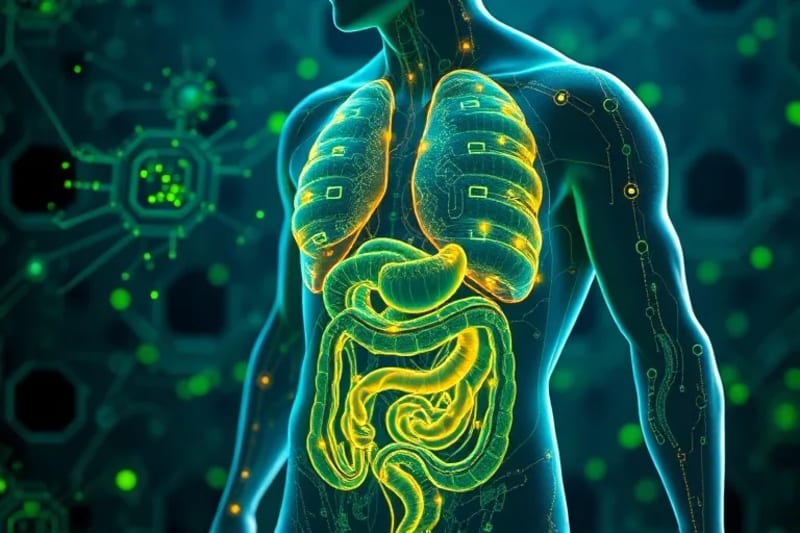
Conceptual representation of an elite athlete's internal optimization through advanced biohacking, highlighting the symbiotic relationship with a thriving microbiome, crucial for peak performance.
Biohacking, at its core, involves making strategic, data-driven adjustments to one's biology to enhance performance, health, and longevity. For elite athletes, this translates into a meticulous exploration of their internal ecosystem, particularly the gut, to unlock superior energy production, accelerate recovery, bolster immune defenses, and sharpen mental acuity. This article serves as an educational guide, introducing the foundational concepts and practical applications of digestive biohacking for individuals dedicated to achieving the zenith of sports excellence.
Table of Contents
- Understanding the Gut Microbiome
- Impact on Athletic Performance
- Biohacking Strategies for Gut Health
- Dietary Considerations for Elite Athletes
- Mental Clarity and Focus
- Future of Digestive Biohacking
Understanding the Gut Microbiome
The human gut harbors an astonishingly complex community of microorganisms, collectively known as the gut microbiome. This vast ecosystem, comprising trillions of bacteria, viruses, fungi, and archaea, is far more than a mere digestive aid; it functions as a "second brain" and a crucial metabolic organ. Its influence extends to intricate physiological processes, including nutrient metabolism, immune system maturation, neurotransmitter synthesis, and even gene expression.
A key indicator of gut health is microbial diversity. A rich and varied microbiome is generally associated with enhanced resilience against pathogens, improved metabolic efficiency, and a robust immune response. Conversely, a state of dysbiosis—an imbalance in the microbial community—can precipitate systemic inflammation, digestive disorders, reduced nutrient absorption, and heightened susceptibility to infections. Factors influencing this delicate balance include birth mode, early life diet, antibiotic use, chronic stress, and dietary habits.
For elite athletes, maintaining an optimal microbiome is not merely about preventing illness; it's about unlocking maximum potential. Scientific studies have consistently shown that athletes tend to possess a more diverse and functionally distinct gut microbiome compared to sedentary individuals. This suggests an adaptive response to physical stress and a potential mechanism through which exercise confers health benefits, underscoring the critical link between physical activity and gut microbial composition.
Impact on Athletic Performance
The gut microbiome's influence on athletic performance is profound and multifaceted, touching upon energy metabolism, recovery, and immune function. One of its primary roles is the fermentation of indigestible dietary fibers into short-chain fatty acids (SCFAs), notably butyrate, propionate, and acetate. These SCFAs are vital energy substrates, not only for colon cells but also for peripheral tissues, including muscle cells, thereby contributing significantly to sustained energy levels during intense and prolonged exercise.
Optimal gut health is also indispensable for efficient nutrient absorption. Athletes have elevated requirements for macronutrients (carbohydrates, proteins, fats) and a wide array of micronutrients (vitamins, minerals) to fuel their rigorous training, facilitate muscle repair, and prevent nutritional deficiencies. A compromised gut barrier, often termed "leaky gut" and frequently exacerbated by intense physical stress, can lead to increased intestinal permeability. This allows undigested food particles and bacterial toxins to enter the bloodstream, triggering systemic inflammation, impairing recovery, and potentially contributing to chronic fatigue.
Detailed scientific illustration showcasing the intricate ecosystem of the gut microbiome and its metabolic contributions to athletic performance and efficient recovery processes.
Moreover, the gut microbiome is a key modulator of the immune system. Intense training can temporarily suppress immune function, leaving athletes vulnerable to upper respiratory tract infections. A healthy, diverse microbiome helps to reinforce the gut barrier, produce antimicrobial compounds, and educate immune cells, thereby enhancing immune resilience and reducing the incidence of illness. This direct link between gut health and immunity is a critical factor in maintaining consistent training and competitive readiness for elite athletes.
Biohacking Strategies for Gut Health
Implementing effective digestive biohacking strategies requires a holistic approach, integrating precise dietary interventions, targeted supplementation, and mindful lifestyle adjustments. The overarching objective is to cultivate a diverse, resilient, and functionally optimized microbial community that actively supports peak physiological function.
- Dietary Diversity and Fiber Intake: Prioritizing a wide array of whole, unprocessed plant foods is fundamental. Fruits, vegetables, whole grains, legumes, nuts, and seeds provide a rich source of fermentable fibers and polyphenols. These compounds act as prebiotics, selectively nourishing beneficial gut bacteria and promoting microbial diversity. Different types of fiber (soluble, insoluble, resistant starch) feed different microbial species, emphasizing the importance of variety.
- Prebiotic Foods and Supplements: Beyond general fiber intake, specific prebiotic compounds like inulin, fructooligosaccharides (FOS), and galactooligosaccharides (GOS) can be strategically incorporated. Natural sources include garlic, onions, leeks, asparagus, artichokes, unripe bananas, and oats. Prebiotic supplements can also be used under guidance to target specific microbial growth.
- Probiotic-Rich Foods and Targeted Supplementation: Fermented foods such as kefir, live-culture yogurt, sauerkraut, kimchi, tempeh, and kombucha naturally introduce beneficial bacteria. For athletes, specific probiotic strains (e.g., Lactobacillus and Bifidobacterium species) have been researched for their potential to reduce exercise-induced gastrointestinal symptoms, enhance immune function, and improve recovery. Personalized probiotic regimens, often informed by gut microbiome testing, are becoming increasingly sophisticated.
- Adequate Hydration: Water is crucial for maintaining gut motility, stool consistency, and the health of the mucosal lining, which acts as a protective barrier. Dehydration can exacerbate gut issues, especially during intense physical activity.
- Strategic Stress Management: The bidirectional communication of the gut-brain axis means psychological stress directly impacts gut integrity and microbial balance. Chronic stress can increase intestinal permeability and alter microbial composition. Incorporating stress-reduction techniques like mindfulness meditation, deep breathing exercises, yoga, and adequate rest is paramount for gut health.
- Optimizing Sleep Quality: Sleep deprivation and irregular sleep patterns can disrupt the circadian rhythms of gut microbes, negatively affecting their metabolic activities and the gut barrier function. Prioritizing consistent, high-quality sleep is a non-negotiable component of any effective biohacking protocol for athletes.
Advanced diagnostic tools, such as comprehensive stool analyses, can provide insights into an individual's unique microbial landscape, identifying specific imbalances or deficiencies. This data-driven approach allows for highly personalized interventions. The burgeoning field of AI generative models holds promise for developing ultra-customized dietary and supplement recommendations based on an athlete's unique genomic and microbiomic profile, representing the next frontier in personalized performance nutrition.
Dietary Considerations for Elite Athletes
While the general principles of gut health apply universally, elite athletes face distinct nutritional challenges due to their exceptionally high energy expenditure, rapid recovery demands, and the physiological stress induced by intense training and competition. Their dietary strategies must therefore be meticulously planned to support both peak performance and robust gut integrity.
| Dietary Component | Role in Athlete's Gut Health & Performance | Examples for Athletes |
|---|---|---|
| Complex Carbohydrates | Primary energy source for sustained performance; provides fermentable fibers for beneficial gut bacteria (prebiotic effect). | Oats, quinoa, brown rice, sweet potatoes, whole-grain bread, starchy vegetables. |
| Lean Proteins | Crucial for muscle repair, growth, and synthesis of enzymes and hormones; supports gut barrier integrity and immune function. | Chicken breast, turkey, fish (salmon, cod), eggs, lean beef, legumes, high-quality whey or plant-based protein supplements. |
| Healthy Fats | Provides concentrated energy, aids absorption of fat-soluble vitamins, and possesses anti-inflammatory properties crucial for recovery. | Avocado, extra virgin olive oil, nuts (almonds, walnuts), seeds (chia, flax), fatty fish (mackerel, sardines). |
| Fermented Foods | Directly introduces live beneficial bacteria (probiotics) to the gut, enhancing microbial diversity and function. | Kefir, live-culture yogurt, sauerkraut, kimchi, tempeh, kombucha. |
| Fiber-Rich Vegetables & Fruits | Essential source of prebiotics to nourish gut bacteria; promotes regular bowel movements and detoxification. | Berries, leafy greens (spinach, kale), broccoli, apples, pears, psyllium husk, flaxseed. |
It is paramount for athletes to minimize or eliminate highly processed foods, excessive refined sugars, and artificial sweeteners. These substances can detrimentally impact microbial diversity, promote the growth of pathogenic bacteria, and exacerbate systemic inflammation, directly counteracting biohacking efforts. Furthermore, the timing of nutrient intake, particularly around training sessions and competitions, must be carefully managed to optimize nutrient delivery, minimize gastrointestinal distress, and support rapid recovery.
Individual variability in response to dietary interventions is significant. What works for one athlete may not work for another, emphasizing the importance of personalized nutrition plans developed in consultation with sports dietitians and healthcare professionals. Monitoring symptoms, performance metrics, and potentially gut microbiome composition can guide these individualized approaches.
Mental Clarity and Focus
The gut-brain axis represents a sophisticated, bidirectional communication network that intricately links the central nervous system (brain and spinal cord) with the enteric nervous system (the "brain of the gut"). This profound connection ensures that the composition and activity of the gut microbiome exert a significant influence on mood, cognitive functions, and the body's response to stress. For elite athletes, where split-second decisions, unwavering focus, and psychological resilience are as critical as physical prowess, optimizing this axis through digestive biohacking is a game-changer.

Dynamic abstract digital art illustrating the intricate data streams and conceptual optimization involved in an athlete's digestive biohacking journey, emphasizing cognitive enhancement.
Mounting scientific evidence links gut dysbiosis to a spectrum of neurological and psychological conditions, including increased anxiety, depressive symptoms, and impaired cognitive performance such as reduced memory and focus. By actively fostering a healthy and diverse gut microbiome, athletes may experience significant improvements in mood stability, enhanced concentration, quicker reaction times, and more effective stress coping mechanisms. These cognitive benefits are paramount for performing optimally in high-pressure competitive environments.
Certain beneficial gut microbes are known to produce neuroactive compounds, including neurotransmitters like serotonin (a key regulator of mood and well-being) and gamma-aminobutyric acid (GABA), which has calming effects on the nervous system. The synthesis of these compounds within the gut directly influences brain function and emotional equilibrium. This highlights how the internal "rituals" of maintaining a healthy gut, through consistent dietary and lifestyle choices, can be just as impactful as external practices, such as AI-assisted manifestation rituals, in achieving holistic success and mental fortitude.
Future of Digestive Biohacking
The frontier of digestive biohacking is expanding at an astonishing pace, propelled by rapid advancements in fields such as genomics, metabolomics, proteomics, and artificial intelligence. The future promises an era of hyper-personalized interventions, moving beyond generalized recommendations to bespoke strategies tailored to an individual's unique biological blueprint.
For elite athletes, this could translate into real-time microbiome analysis through non-invasive sensors or smart toilets, providing immediate feedback on gut health parameters. This continuous data stream, coupled with sophisticated machine learning algorithms, could then generate dynamic dietary adjustments, personalized probiotic and prebiotic formulations, and even timing recommendations for nutrient intake, all optimized for specific training phases or competitive events. Imagine an AI-driven coach that not only tracks external performance but also manages your internal ecosystem to prevent inflammation or optimize energy pathways.
Furthermore, research into bacteriophages (viruses that infect bacteria) and fecal microbiota transplantation (FMT) could offer powerful, albeit more invasive, tools for recalibrating a severely dysbiotic gut. The ethical implications of such advanced biohacking technologies, particularly concerning fairness and access in competitive sports, will undoubtedly become a significant area of debate and regulation as these innovations mature and become more widely available. The integration of such cutting-edge science promises to redefine the limits of human athletic potential, making the invisible world within our gut a visible pathway to unparalleled achievement.
In conclusion, digestive biohacking represents a profound paradigm shift in the comprehensive approach to elite athletic performance optimization. By acknowledging the gut microbiome as a central, dynamic player in overall health, energy metabolism, recovery processes, and cognitive function, athletes can leverage informed, scientifically-backed, and increasingly personalized strategies. This deep dive into the world of gut health for high-performance individuals vividly demonstrates the critical and often underestimated impact of our internal biological ecosystem on external athletic accomplishments and holistic well-being.
Source: Hybrid content assisted by AI and human editorial supervision.


Comentarios