
AI Geriatric Preventive Medicine IoT Big Data Healthy Aging
The global population is experiencing an unprecedented demographic shift, with a rapidly increasing proportion of older adults. This phenomenon presents significant challenges and opportunities for healthcare systems worldwide. As life expectancy rises, the focus naturally shifts from merely extending life to ensuring a high quality of life, emphasizing healthy aging and preventive care for the elderly population.
In this context, the convergence of Artificial Intelligence (AI), the Internet of Things (IoT), and Big Data analytics is poised to revolutionize geriatric preventive medicine. These advanced technologies offer innovative solutions to monitor, predict, and intervene in health conditions, moving beyond reactive treatment to proactive, personalized care models.
This comprehensive exploration delves into how these technological pillars are transforming the landscape of elder care, fostering independence, and promoting overall well-being for seniors.

Conceptual rendering of AI-driven healthcare platforms enhancing the well-being of older adults.
Table of Contents
- The Imperative of Geriatric Preventive Medicine
- Artificial Intelligence: A New Paradigm for Senior Health
- The Internet of Things (IoT) for Continuous Health Monitoring
- Leveraging Big Data for Population Health Insights
- Synergistic Integration: AI, IoT, and Big Data in Practice
- Ethical Considerations and Challenges in Digital Geriatric Care
- The Future Landscape of Healthy Aging with Technology
- Frequently Asked Questions (FAQs)
The Imperative of Geriatric Preventive Medicine
Geriatric preventive medicine focuses on maintaining health, preventing disease, and mitigating the effects of existing conditions in older adults. Unlike general medicine, it considers the unique physiological, psychological, and social aspects of aging. The goal is to maximize functional independence, enhance quality of life, and reduce healthcare burdens.
Traditional approaches often involve periodic check-ups and reactive interventions once symptoms manifest. However, this model is increasingly insufficient given the complexity of age-related diseases, which often have long asymptomatic phases and multiple comorbidities. Proactive strategies are essential to identify risks early, implement timely interventions, and promote healthier lifestyles.
The need for robust preventive measures is underscored by the rising prevalence of chronic conditions such as cardiovascular disease, diabetes, dementia, and osteoporosis among seniors. Effective prevention can significantly delay onset, reduce severity, and improve overall outcomes, leading to a more vibrant and independent senior population.
Artificial Intelligence: A New Paradigm for Senior Health
Artificial Intelligence (AI) refers to the simulation of human intelligence in machines programmed to think and learn. In geriatric preventive medicine, AI's capabilities are transformative, offering tools for predictive analytics, personalized care, and enhanced diagnostic accuracy. AI algorithms can analyze vast amounts of health data to identify subtle patterns that might indicate an impending health issue long before it becomes critical.
One of the most significant applications of AI is in risk assessment and early disease detection. Machine learning models can process demographic information, genetic data, lifestyle factors, and clinical records to predict an individual's susceptibility to various age-related diseases. This allows healthcare providers to implement targeted preventive strategies, such as dietary changes, exercise regimens, or specific screenings.
Furthermore, AI facilitates personalized treatment plans. By analyzing an individual's unique health profile, AI can recommend tailored interventions, medication dosages, and lifestyle modifications that are most likely to be effective. This moves away from a one-size-fits-all approach, optimizing care for each senior. The application of AI in data analysis is broad, extending even to fields like amateur astronomy intelligence artificial for celestial data analysis, showcasing its versatility.
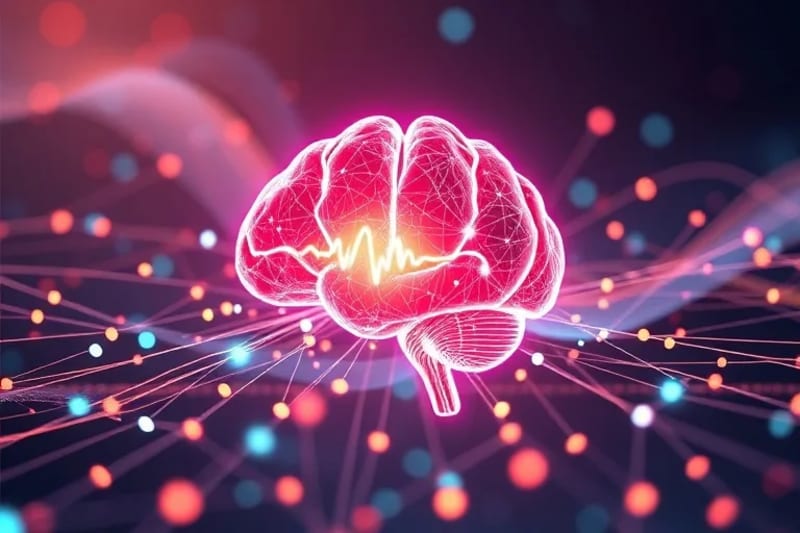
Visual representation of complex data networks and their role in understanding health trends.
The Internet of Things (IoT) for Continuous Health Monitoring
The Internet of Things (IoT) refers to a network of physical objects embedded with sensors, software, and other technologies for the purpose of connecting and exchanging data with other devices and systems over the internet. In geriatric care, IoT devices enable continuous, real-time monitoring of various health parameters, empowering seniors to live independently and securely.
Wearable devices, such as smartwatches and fitness trackers, can monitor vital signs like heart rate, blood pressure, sleep patterns, and activity levels. Smart home sensors can detect falls, monitor gait changes, track medication adherence, and even sense environmental factors like air quality. These devices collect a constant stream of data, providing a comprehensive picture of an individual's health status.
The data collected by IoT devices is invaluable for preventive care. Anomalies or deviations from baseline patterns can trigger alerts for caregivers or healthcare professionals, allowing for timely intervention. For instance, a sudden change in sleep patterns or a sustained increase in heart rate could indicate an underlying issue requiring attention. This proactive alerting system is crucial for preventing emergencies and managing chronic conditions effectively.
Leveraging Big Data for Population Health Insights
Big Data refers to extremely large datasets that may be analyzed computationally to reveal patterns, trends, and associations, especially relating to human behavior and interactions. In geriatric preventive medicine, Big Data analytics plays a crucial role in processing the massive volumes of information generated by AI and IoT devices, as well as electronic health records, genomic data, and public health statistics.
Analyzing these vast datasets allows researchers and healthcare providers to identify broader patterns and trends in population health. This can lead to a better understanding of disease etiologies, risk factors, and the effectiveness of different interventions across diverse groups of older adults. For example, Big Data can reveal geographical hotspots for certain conditions or highlight disparities in access to care.
Beyond individual care, Big Data is instrumental in public health planning and policy development. By understanding the health needs of the elderly population at a macro level, resources can be allocated more efficiently, and preventive programs can be designed to address the most pressing health challenges. This comprehensive view helps in creating a more resilient and responsive healthcare infrastructure for an aging society.
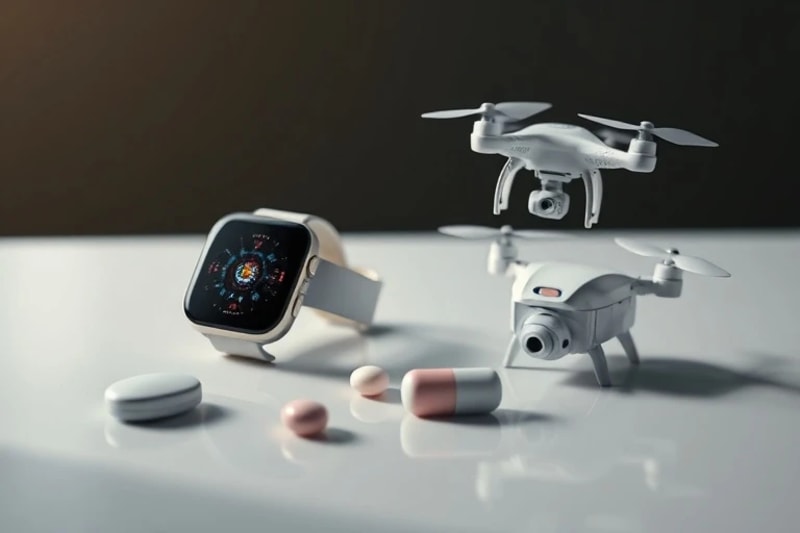
A collection of innovative Internet of Things devices designed for monitoring and supporting senior health.
Synergistic Integration: AI, IoT, and Big Data in Practice
The true power of these technologies emerges when AI, IoT, and Big Data are integrated into a cohesive system. IoT devices collect continuous, granular data; Big Data platforms store and manage this massive influx of information; and AI algorithms analyze it to derive actionable insights and predictions. This creates a closed-loop system for proactive, personalized geriatric care.
Consider a scenario where an elderly individual wears a smart patch that monitors heart rhythm and glucose levels. This data is continuously streamed to a cloud-based Big Data platform. An AI algorithm analyzes this stream in real-time, comparing it against the individual's historical data and population-level health trends. If the AI detects an emerging pattern indicative of a cardiac event or a diabetic crisis, it can immediately alert the individual, their family, and their healthcare provider.
This integrated approach supports remote patient monitoring, allowing seniors to age in place with greater safety and independence. It also enables healthcare providers to intervene proactively, often preventing hospitalizations or severe health deteriorations. Beyond physical health, such systems can also monitor activity levels and social interaction, flagging potential signs of depression or isolation, and suggesting interventions like guided meditation to improve mental well-being.
Ethical Considerations and Challenges in Digital Geriatric Care
While the benefits of AI, IoT, and Big Data in geriatric preventive medicine are substantial, their implementation raises important ethical and practical challenges. Foremost among these are data privacy and security. The collection of highly sensitive personal health information necessitates robust cybersecurity measures to protect against breaches and misuse. Concerns about phishing and other cyber threats become paramount.
Algorithmic bias is another critical issue. If AI models are trained on biased datasets, they may perpetuate or even amplify existing health disparities, particularly affecting marginalized elderly populations. Ensuring fairness, transparency, and accountability in AI algorithms is essential to prevent discriminatory outcomes.
The digital divide also poses a challenge. Not all seniors have equal access to technology, digital literacy, or reliable internet connectivity. This can exclude vulnerable populations from the benefits of digital health solutions, widening health inequalities. Furthermore, the balance between technological monitoring and maintaining human dignity and autonomy must be carefully managed. Over-reliance on technology should not replace the invaluable human touch in caregiving.
Finally, regulatory frameworks need to evolve to keep pace with technological advancements. Clear guidelines are required for data ownership, consent, liability, and the ethical deployment of AI in healthcare. These discussions are part of a broader conversation about the societal impact of AI, including its influence on areas like the future of labor law.
The Future Landscape of Healthy Aging with Technology
The future of geriatric preventive medicine is inextricably linked with the continued evolution and integration of AI, IoT, and Big Data. We can anticipate more sophisticated wearable devices that are less intrusive and more accurate, capable of monitoring an even wider range of physiological and biochemical markers. Smart home environments will become more intelligent and adaptive, seamlessly integrating health monitoring with daily living assistance.
AI will become increasingly adept at predicting complex health trajectories, identifying individuals at risk for conditions like cognitive decline years in advance. This will open new avenues for ultra-early interventions, potentially delaying or even preventing the onset of debilitating diseases. Personalized nutrition and exercise plans, optimized by AI based on real-time data from IoT devices, will become standard practice.
The development of digital companions and virtual assistants powered by AI will offer emotional support, medication reminders, and cognitive stimulation, further enhancing the independence and social engagement of older adults. However, the success of these advancements will depend on continued research, ethical development, and collaborative efforts between technology developers, healthcare providers, policymakers, and the elderly community itself.
Ultimately, the goal is to create an ecosystem where technology serves as an enabler for healthy aging, allowing seniors to live fulfilling, independent, and dignified lives for as long as possible. This vision requires not just technological innovation but also a human-centered approach that prioritizes individual needs, preferences, and ethical considerations.
Frequently Asked Questions (FAQs)
Here are some common questions regarding the application of AI, IoT, and Big Data in geriatric preventive medicine.
- How does AI help in preventing diseases in older adults?
AI analyzes vast datasets to identify subtle risk factors and predict disease onset, enabling early, personalized interventions before symptoms become severe.
- What role do IoT devices play in monitoring seniors?
IoT devices (wearables, smart home sensors) provide continuous, real-time health data, monitoring vital signs, activity, and environmental factors to detect anomalies and trigger alerts.
- Are there privacy concerns with using these technologies for elder care?
Yes, data privacy and security are significant concerns. Robust cybersecurity measures and clear ethical guidelines are essential to protect sensitive health information.
The integration of advanced technologies in geriatric care is not merely a matter of convenience but a critical step towards addressing the complex health needs of an aging global population. Ethical frameworks and user-centric design are paramount to ensure these innovations truly serve the well-being of seniors.
As per the World Health Organization (WHO), "Healthy ageing is about creating the environments and opportunities that enable people to be and do what they value throughout their lives." Technologies like AI, IoT, and Big Data are powerful tools in achieving this vision.
Related Searches
Explore other topics that complement your understanding of advanced healthcare and technology:
- Functional Pediatric Nutrition: Microbiota, Cognitive Development
- Guided Meditation: Stress Reduction and Concentration Strategies
- Phishing: Protect Your Information from Cyberattacks
- Amateur Astronomy Artificial Intelligence: Celestial Data Analysis
- Quantum Computing Crypto Security Finance
- Cryptoassets Investment Portfolios Traditional: Risks Opportunities
- Nature Contact Health: Mental and Physical Benefits
- Future Labor Law: Automation and AI
- Future Hybrid Flexible Work AI: Labor Transformation
- Remote Work Collaboration: Challenges and Opportunities
- Karmic Synastry: Past Life Bonds in Relationships
- Catholic Saints: Stories of Humility and Miracles
- Electional Astrology: Auspicious Timing for Events
Source: Hybrid content assisted by AI and human editorial supervision.


Comentarios