
Neuroarchitecture Cognitive Well-being Designing Healthy Digital Spaces
Neuroarchitecture for Cognitive Well-being: Designing Healthy Digital Spaces
In an era dominated by digital interfaces and increasingly sedentary lifestyles, the spaces we inhabit play a critical role in shaping our mental health and cognitive performance. Neuroarchitecture, an emerging interdisciplinary field, bridges neuroscience, psychology, and architectural design to create environments that actively support human well-being. This innovative approach moves beyond mere aesthetics, delving into how physical spaces influence our brains, emotions, and behaviors, especially in the context of the digital age.
Table of Contents
- Introduction to Neuroarchitecture and Cognitive Well-being
- Core Principles of Neuroarchitecture for Healthy Spaces
- Impact on Cognitive Functions: Focus, Creativity, and Stress Reduction
- Neuroarchitecture in Practice: Diverse Applications
- Challenges and the Future of Neuroarchitectural Design
- Conclusion: Building Better Brains Through Design
The concept of neuroarchitecture is rooted in the understanding that our brains are constantly interacting with our surroundings. This interaction is not passive; it actively shapes our neural pathways, affecting everything from our mood and stress levels to our ability to concentrate and innovate. As we spend more time indoors, often connected to screens, the design of these indoor environments becomes paramount for sustaining optimal cognitive function and emotional balance.

Precursors intellectuales, diagramas fundamentales y representaciones conceptuales que forjaron la visión de la neuroarquitectura sobre el bienestar cognitivo.
Fuente visual sujeta a disponibilidad del ecosistema: Wikimedia Commons bajo licencia CC BY-SA 4.0 o renderizado conceptual IA.
Introduction to Neuroarchitecture and Cognitive Well-being
Neuroarchitecture seeks to translate scientific findings about the brain into actionable design principles. It acknowledges that elements like natural light, air quality, spatial layout, and even the presence of natural elements can have profound physiological and psychological effects. By understanding these connections, designers can intentionally craft spaces that mitigate stress, enhance learning, boost creativity, and foster overall mental resilience.
The digital age introduces unique challenges and opportunities for neuroarchitecture. While technology offers unprecedented connectivity and access to information, it also brings concerns about digital fatigue, attention deficits, and increased sedentary behavior. Thoughtful design can counteract these negative impacts, creating sanctuaries that promote restoration and focused work, even amidst constant digital demands. This is not merely about making spaces look good, but about making them function optimally for the human brain.
Core Principles of Neuroarchitecture for Healthy Spaces
Several key principles guide neuroarchitectural design, each backed by scientific evidence demonstrating its impact on cognitive function and well-being. Integrating these elements can transform a mundane space into an environment that actively supports mental health.
- Natural Light and Circadian Rhythms: Exposure to natural light, particularly dynamic daylight, is crucial for regulating our circadian rhythms, which govern sleep-wake cycles, hormone production, and overall mood. Studies show that adequate natural light improves alertness, reduces eye strain, and can even decrease symptoms of depression. Architects aim to maximize daylight penetration and minimize artificial light that disrupts natural biological clocks.
- Biophilia and Connection to Nature: Biophilia, the innate human tendency to connect with nature, is a cornerstone of neuroarchitecture. Incorporating natural elements like plants, water features, natural materials (wood, stone), and views of green spaces has been shown to reduce stress, improve concentration, and enhance creativity. This principle suggests that even small touches of nature can yield significant psychological benefits.
- Ergonomics and Movement: Prolonged sitting and poor posture negatively impact physical health and cognitive function. Neuroarchitecture promotes ergonomic design that supports natural body posture and encourages movement throughout the day. This includes adjustable desks, comfortable seating, and layouts that invite walking and stretching, all contributing to better blood flow and sustained cognitive performance.
- Acoustics and Soundscapes: Noise pollution is a major stressor that impairs concentration and memory. Effective acoustic design minimizes unwanted noise while creating pleasant soundscapes. This might involve sound-absorbing materials, strategic placement of noisy equipment, or even incorporating natural sounds like gentle running water to mask distractions. A calm auditory environment is essential for deep work and relaxation.
- Color Psychology and Visual Stimuli: Colors evoke specific emotional and psychological responses. Neuroarchitecture uses color strategically to influence mood and behavior. For instance, cool colors like blues and greens can promote calmness and focus, while warmer tones like yellows and oranges can stimulate creativity and social interaction. The overall visual complexity and aesthetic appeal of a space also impact cognitive load and emotional state.
- Spatial Configuration and Wayfinding: The layout of a space affects how easily we navigate it and how we perceive security and control. Clear sightlines, intuitive circulation paths, and varied spatial experiences can reduce cognitive strain and enhance a sense of comfort and belonging. Spaces that offer both opportunities for social interaction and quiet zones for introspection cater to diverse cognitive needs.
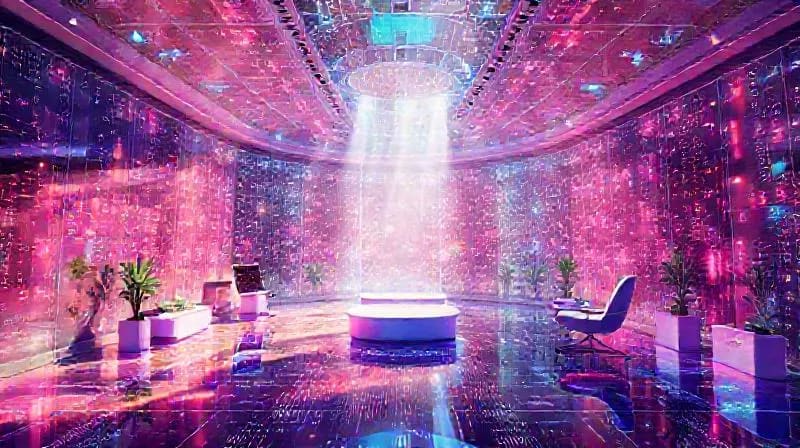
Visual representation of core neuroarchitectural principles, including natural light, biophilia, and acoustic design.
Impact on Cognitive Functions: Focus, Creativity, and Stress Reduction
The application of neuroarchitectural principles directly translates into measurable improvements in cognitive functions and overall psychological well-being. Understanding these impacts helps justify the investment in thoughtful design.
For example, environments rich in natural light and biophilic elements have been shown to significantly reduce cortisol levels, the primary stress hormone. This reduction in physiological stress allows the brain to allocate more resources to higher-order cognitive processes, such as problem-solving and decision-making. The presence of nature also triggers a phenomenon known as "soft fascination," which allows the mind to wander gently, promoting mental restoration and reducing directed attention fatigue.
Furthermore, well-designed spaces can directly enhance focus and productivity. Optimal acoustics minimize distractions, creating zones where individuals can engage in deep work without interruption. Ergonomic furniture and opportunities for movement prevent physical discomfort that can divert cognitive resources. These elements collectively contribute to an environment where sustained attention is not only possible but also naturally encouraged. This aligns with the broader understanding of how our physical environment influences our daily performance, as explored in discussions about global trends and economic social changes, where human capital and well-being are increasingly valued.
Creativity, often seen as an elusive quality, can also be fostered through neuroarchitectural design. Spaces that offer varied stimuli, opportunities for informal collaboration, and access to natural views can spark new ideas and perspectives. The balance between private, focused areas and open, collaborative zones allows for both individual ideation and collective brainstorming. This dynamic interplay is crucial for innovation, much like the complex algorithms and historical insights that shaped fields such as quantum computing from Ada Lovelace's time.
Neuroarchitecture in Practice: Diverse Applications
Neuroarchitectural principles are being applied across a wide range of settings, demonstrating their versatility and effectiveness in improving human experience.
- Workplaces: Modern offices are increasingly incorporating neuroarchitectural elements to combat burnout, improve employee satisfaction, and boost productivity. This includes open-plan areas with designated quiet zones, biophilic design elements, and flexible workstations that allow for movement. The goal is to create environments that support diverse work styles and cognitive needs, fostering a healthier and more engaged workforce.
- Educational Institutions: Schools and universities are designing learning environments that enhance student focus, reduce anxiety, and promote active learning. Features like ample natural light, varied seating options, and sensory-rich, yet calming, spaces can significantly impact academic performance and student well-being. Even the choice of colors in classrooms can influence student engagement and mood.
- Healthcare Facilities: Hospitals and clinics are utilizing neuroarchitecture to create healing environments that reduce patient stress, improve recovery times, and support staff well-being. Access to nature views, soothing color palettes, and optimized acoustics can alleviate anxiety and promote a sense of calm, contributing to better health outcomes.
- Residential Spaces: Homes designed with neuroarchitectural principles aim to create personal sanctuaries that promote relaxation, restorative sleep, and family harmony. This involves thoughtful layouts, strategic use of natural light, and the integration of biophilic elements to foster a sense of peace and connection. The impact of such design on daily emotional well-being is profound, much like understanding the daily emotional influence of moon signs in astrology.
- Urban Planning: At a larger scale, urban planners are considering neuroarchitectural principles to design cities that are more livable and mentally stimulating. This includes creating green spaces, pedestrian-friendly pathways, and public areas that encourage social interaction and reduce sensory overload.
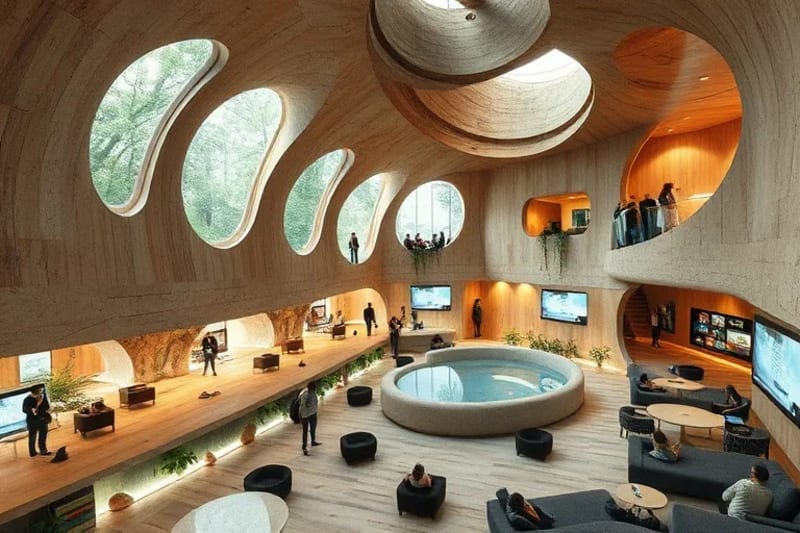
A conceptual 3D render illustrating a futuristic living space harmonizing technology with biophilic and natural design elements.
Challenges and the Future of Neuroarchitectural Design
Despite its promising potential, neuroarchitecture faces several challenges. One significant hurdle is the need for more robust, longitudinal research to solidify the causal links between specific design elements and neurological outcomes. While current studies provide strong correlations, a deeper understanding of the mechanisms involved will further legitimize the field and guide more precise design interventions.
Another challenge lies in integrating neuroarchitectural principles into mainstream architectural practice. This requires educating designers, developers, and clients about the long-term benefits of such an approach, which may initially incur higher costs. However, the return on investment in terms of improved productivity, reduced healthcare costs, and enhanced quality of life is substantial.
The future of neuroarchitecture is bright, with advancements in technology offering new tools and possibilities. Wearable sensors can provide real-time data on occupants' physiological responses to their environment, allowing for personalized and adaptive spaces. Artificial intelligence and machine learning can analyze vast datasets to identify optimal design configurations for various cognitive goals. Furthermore, the increasing awareness of mental health issues in the digital age will likely drive greater demand for spaces that actively support well-being.
The integration of smart building technologies, responsive materials, and advanced environmental controls will allow future spaces to dynamically adjust to the needs of their occupants, optimizing light, temperature, air quality, and even soundscapes in real-time. This dynamic adaptation will move beyond static design, creating living environments that are truly responsive to human physiology and psychology.
Conclusion: Building Better Brains Through Design
Neuroarchitecture represents a paradigm shift in how we conceive and construct our built environments. By placing human cognitive and emotional well-being at the forefront of design, it offers a powerful antidote to the stressors of modern life. As we continue to navigate an increasingly digital and complex world, the intentional design of our spaces becomes not just a luxury, but a necessity for fostering healthier, more productive, and more resilient individuals and communities.
Embracing neuroarchitectural principles means moving towards a future where every building, every room, and every urban space is a conscious contributor to our mental and physical health. This interdisciplinary effort promises to redefine our relationship with our surroundings, transforming them into partners in our pursuit of cognitive well-being and a more balanced existence.
Explore Further: Related Insights
- Water Geopolitics: Conflicts, Opportunities, Strategic Businesses
- Circular Business Models Green Startups: Regenerative Economy
- Calligraphy: History, Techniques and Mental Benefits
- Blue Economy: Ocean Innovation, Sustainability, Opportunities
- Intercepted Houses: Challenges and Lessons in Astral Chart
- Ascendant Signs Chinese Zodiac: Compatibility Deep Dive
Source: Hybrid content assisted by AI and human editorial supervision.


Comentarios