
Neuroarchitecture Cognitive Well-being: Designing Mental Health Spaces
Neuroarchitecture represents a groundbreaking interdisciplinary field that merges neuroscience with architectural design. This innovative approach seeks to understand how the built environment impacts the human brain and behavior, with a particular focus on cognitive well-being and mental health. By applying scientific insights into how our brains perceive and react to space, light, sound, and materials, neuroarchitecture aims to create environments that actively support mental clarity, emotional balance, and overall psychological health.
The premise is simple yet profound: our surroundings are not merely passive backdrops but active participants in shaping our internal states. From the layout of a room to the quality of natural light, every element can influence our stress levels, concentration, mood, and even social interactions. This article delves into the core principles of neuroarchitecture, exploring how intentional design can foster healthier, more productive, and more serene living and working spaces.
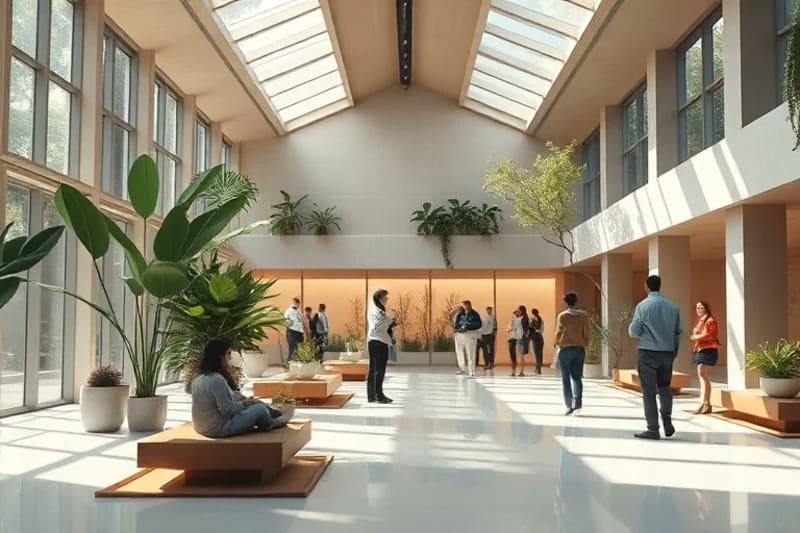
Precursors intellectuales, diagramas fundamentales y representaciones conceptuales que forjaron la visión de la Neuroarquitectura sobre el bienestar cognitivo.
Fuente visual sujeta a disponibilidad del ecosistema: Wikimedia Commons bajo licencia CC BY-SA 4.0 o renderizado conceptual IA.
Table of Contents
- What is Neuroarchitecture?
- Key Principles of Neuroarchitectural Design
- Impact on Mental Health and Cognitive Function
- Practical Applications and Design Elements
- Challenges and Future Directions
- Conclusion
What is Neuroarchitecture?
Neuroarchitecture is an emerging discipline that bridges the gap between environmental psychology, cognitive neuroscience, and architectural practice. It seeks to create spaces that are not only aesthetically pleasing and functional but also optimize human well-being by considering the brain's responses to its surroundings. This field relies on empirical data and scientific research to inform design decisions, moving beyond intuition to evidence-based approaches.
The core idea is that our brains are constantly processing environmental cues, often subconsciously, which can have profound effects on our mood, stress levels, attention span, and even physical health. For instance, exposure to natural light can regulate circadian rhythms, while certain spatial configurations can promote social interaction or privacy. Understanding these mechanisms allows designers to craft environments that actively support desired human experiences.
This interdisciplinary approach involves collaboration between architects, urban planners, neuroscientists, psychologists, and even specialists in fields like AI geriatric preventive medicine, to build a comprehensive understanding of human-environment interactions. The goal is to move towards a more human-centric design paradigm where health and well-being are paramount considerations from the outset of any project.
Key Principles of Neuroarchitectural Design
Several key principles guide neuroarchitectural design, each rooted in scientific understanding of human perception and cognitive function. These principles are often interconnected and work synergistically to create holistic environments.
- Biophilia: This principle suggests an innate human tendency to connect with nature. Incorporating natural elements like plants, water features, natural light, and views of green spaces has been shown to reduce stress, improve mood, and enhance cognitive performance. Biophilic design is a cornerstone of neuroarchitecture, recognizing our evolutionary connection to the natural world.
- Light and Circadian Rhythms: Natural light is crucial for regulating our internal body clock, influencing sleep patterns, mood, and alertness. Neuroarchitecture emphasizes maximizing natural light exposure and designing lighting systems that mimic natural light cycles, promoting healthy circadian rhythms.
- Sound and Acoustics: The acoustic environment significantly impacts concentration and stress. Design strategies include minimizing unwanted noise, incorporating sound-absorbing materials, and even introducing calming natural sounds to create more conducive auditory experiences.
- Materiality and Texture: The choice of materials and their textures can evoke different psychological responses. Natural, tactile materials can create a sense of warmth and comfort, while synthetic or cold materials might induce feelings of detachment. The sensory experience of a space is carefully considered.
- Spatial Configuration and Wayfinding: How a space is organized affects ease of navigation, sense of control, and social interaction. Clear sightlines, intuitive layouts, and varied spatial experiences (e.g., open communal areas alongside private retreats) contribute to a positive cognitive experience.
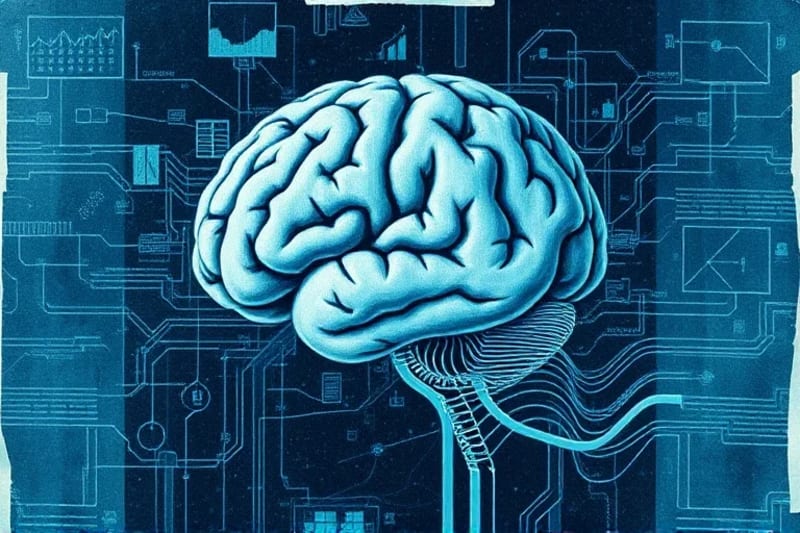
Visualización abstracta de la interacción entre la mente humana y los principios arquitectónicos.
Impact on Mental Health and Cognitive Function
The intentional application of neuroarchitectural principles yields significant benefits for mental health and cognitive function. Research consistently demonstrates that well-designed environments can mitigate stress, improve mood, and enhance productivity.
For example, studies have shown that access to natural views can reduce recovery times in hospitals and decrease feelings of anxiety. Similarly, workspaces designed with ample natural light and biophilic elements report higher employee satisfaction and reduced absenteeism. These improvements are not merely anecdotal; they are increasingly supported by physiological and psychological data, including measurements of cortisol levels, heart rate variability, and self-reported well-being.
Moreover, neuroarchitecture plays a crucial role in supporting specific cognitive functions. Environments that minimize distractions and provide clear spatial organization can improve focus and memory. Spaces designed for relaxation, often incorporating elements like calming colors and soft textures, can aid in stress reduction and emotional regulation, which is vital for overall psychological well-being.
Practical Applications and Design Elements
Neuroarchitectural principles are being applied across various building types, from homes and offices to hospitals and schools. The practical implementation involves a careful selection and integration of specific design elements.
In office environments, this might mean designing open-plan areas with acoustic panels and designated quiet zones, alongside break rooms featuring natural light and plants. In healthcare settings, patient rooms might incorporate views of nature, calming color palettes, and adjustable lighting to support healing and recovery. Even in residential design, architects are increasingly focusing on creating flexible spaces that adapt to different moods and activities, promoting a sense of control and comfort.
Consideration of biosustainable architecture also aligns well with neuroarchitectural goals, as environmentally friendly materials often contribute to healthier indoor air quality and a stronger connection to natural cycles. The synergy between these fields highlights a broader movement towards holistic and responsible design.

Elementos de diseño biofílico y texturas naturales que promueven la calma y la conexión sensorial.
Challenges and Future Directions
Despite its growing recognition, neuroarchitecture faces several challenges. One primary hurdle is the need for more robust, longitudinal research to solidify the empirical evidence base. While many studies show promising correlations, establishing direct causal links between specific design elements and neurological outcomes requires sophisticated methodologies and long-term data collection. The complexity of human behavior and individual differences also makes it challenging to generalize findings.
Another challenge lies in integrating neuroscientific insights into standard architectural practice. This requires educating architects and designers on complex biological and psychological concepts, fostering interdisciplinary collaboration, and developing practical tools and guidelines. Cost can also be a factor, as incorporating specialized materials or advanced lighting systems might increase initial construction expenses, though these are often offset by long-term benefits in productivity and well-being.
The future of neuroarchitecture is bright, with advancements in brain imaging technologies and data analytics offering new avenues for research. As our understanding of the brain deepens, so too will our ability to design spaces that are truly responsive to human needs. The field is poised to revolutionize how we conceive and construct our environments, moving towards a future where every building contributes positively to our mental and emotional health.
Conclusion
Neuroarchitecture represents a paradigm shift in how we approach environmental design, moving beyond mere aesthetics and functionality to prioritize human well-being. By integrating insights from neuroscience, psychology, and architecture, this field offers a powerful framework for creating spaces that actively support cognitive function, reduce stress, and enhance mental health. As research continues to evolve, the principles of neuroarchitecture will undoubtedly become increasingly central to the creation of healthier, more harmonious, and more human-centric built environments for generations to come.
The conscious design of our surroundings is not a luxury but a necessity, impacting every facet of our lives. Embracing neuroarchitectural principles is an investment in our collective mental and physical health, paving the way for a future where our buildings nurture our minds as much as they shelter our bodies.
Related Searches
- Blockchain Supply Chains
- Common Idioms Origin
- Youth Financial Education
- NGOs Post-Conflict Reconstruction
- Female Hormonal Balance
- Metaverse VR Implications
- Olympic Sports History
- Abbey Convent Monastery
- Colombian Commercial Code Sale
- Spanish Commercial Code
Related Topics
- Astrology Experimental Cinema
- New Moon Gemini Ideas
- Chinese Monkey Health
- Forgotten Archaeological Prophecies
- Prayer Holy Spirit Jesus Christ
- Holy Rosary Mysteries
- Cosmic Sociology AI
- Planetary Dignities Aspects
- Advanced Synastry Houses
Source: Hybrid content assisted by AI and human editorial supervision.


Comentarios