
Music Neuroscience: Rhythm, Melody, and Brain Impact
Music, an ancient and universal language, transcends cultural barriers and speaks directly to the human soul. Beyond its aesthetic appeal, a growing body of scientific evidence, particularly from the field of neuroscience, reveals the profound and intricate ways in which rhythm and melody impact the brain. This exploration delves into the neurological mechanisms that underpin our musical experiences, from emotional responses to cognitive enhancements and therapeutic applications.
The human brain is uniquely wired to process music, engaging multiple regions simultaneously. When we listen to music, our auditory cortex decodes the sounds, while other areas like the limbic system (associated with emotions), the cerebellum (involved in motor control and timing), and the prefrontal cortex (responsible for executive functions) become highly active. This complex interplay highlights music's multifaceted influence on our mental and physical states.
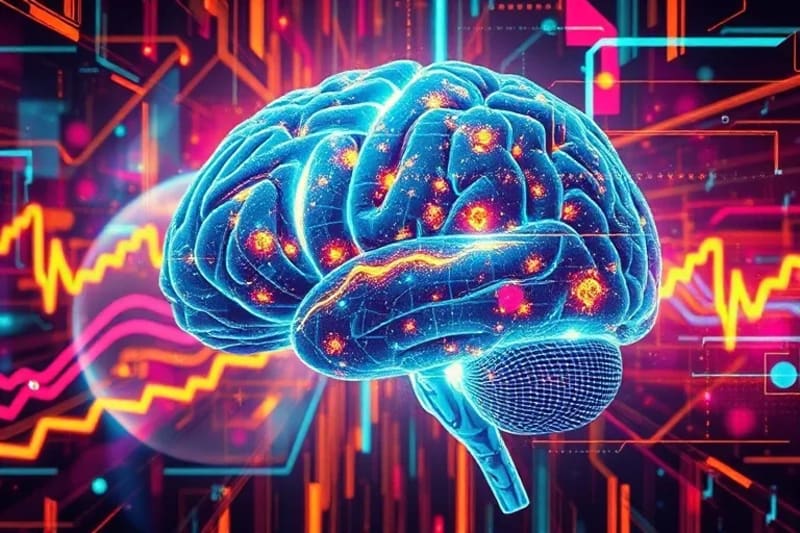
The intricate dance between sound waves and neural networks reveals music's profound impact on human cognition and emotion.
Table of Contents
- The Power of Rhythm: Synchronizing Body and Mind
- Melody and Harmony: Shaping Emotions and Memory
- Music as a Therapeutic Tool: Healing and Rehabilitation
- Cognitive Enhancement and Learning: The Mozart Effect and Beyond
- The Future of Neuro-Musicology: AI and Personalized Soundscapes
- Ethical Considerations in Neuro-Music Technology
The Power of Rhythm: Synchronizing Body and Mind
Rhythm is the foundational element of music, providing structure and a sense of movement. Our brains are inherently rhythmic, from the beating of our hearts to the patterns of our brainwaves. This intrinsic rhythmicity allows us to easily entrain to external musical rhythms, a phenomenon known as neural entrainment. When we listen to a steady beat, our brainwaves often synchronize with that beat, influencing our motor systems and even our mood.
Research has shown that rhythmic stimulation can enhance motor coordination and timing. For instance, individuals with Parkinson's disease often experience significant improvements in gait and balance when walking to a rhythmic beat. This is attributed to the brain's ability to use external rhythms to regulate internal motor patterns, bypassing damaged neural pathways. The cerebellum, basal ganglia, and motor cortex are key players in this process, working together to predict and execute movements in time with the music.
- Motor Coordination: Rhythmic auditory stimulation (RAS) is used in rehabilitation to improve walking, balance, and fine motor skills.
- Temporal Processing: The brain's ability to perceive and predict temporal sequences is honed by rhythmic engagement, crucial for language and attention.
- Emotional Regulation: Upbeat rhythms can elevate mood, while slower rhythms can induce relaxation, impacting the autonomic nervous system.
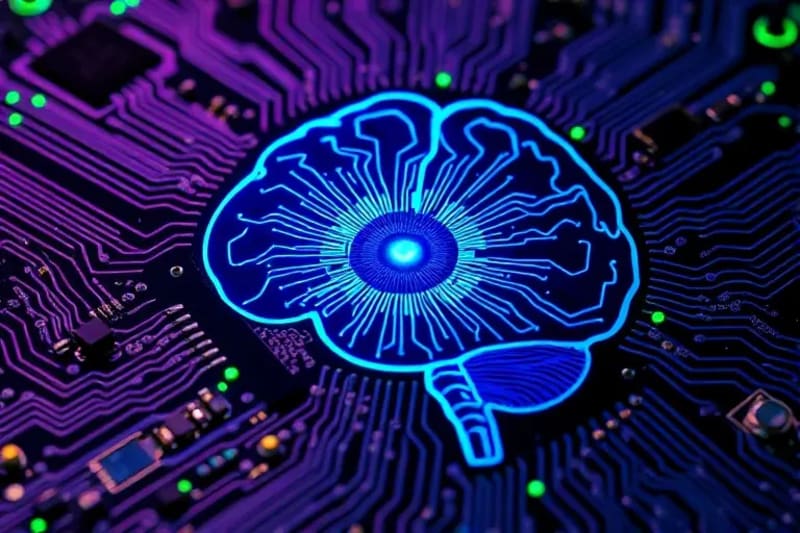
Rhythmic patterns in music engage motor and auditory cortices, fostering improved coordination and temporal processing.
Melody and Harmony: Shaping Emotions and Memory
While rhythm provides the pulse, melody and harmony weave the emotional tapestry of music. Melody, the sequence of single notes that forms a recognizable tune, is processed primarily in the auditory cortex but also strongly activates areas associated with emotion, such as the amygdala and nucleus accumbens. These regions are part of the brain's reward system, explaining why certain melodies can evoke intense feelings of pleasure, nostalgia, or sadness.
Harmony, the combination of simultaneous notes, adds depth and complexity. Consonant harmonies (pleasant-sounding) often trigger positive emotional responses, while dissonant harmonies (unpleasant-sounding) can create tension or unease. This emotional modulation is not merely subjective; it's rooted in how our brains process acoustic frequencies and their relationships. The interplay of melody and harmony is also a powerful mnemonic device, often linking music directly to personal memories and experiences.
| Musical Element | Primary Brain Regions Involved | Key Neurological Impact |
|---|---|---|
| Rhythm | Cerebellum, Basal Ganglia, Motor Cortex, Auditory Cortex | Motor coordination, temporal processing, neural entrainment, attention |
| Melody | Auditory Cortex, Amygdala, Nucleus Accumbens, Hippocampus | Emotional response, memory recall, pleasure, pattern recognition |
| Harmony | Auditory Cortex, Prefrontal Cortex, Orbitofrontal Cortex | Emotional modulation (consonance/dissonance), cognitive processing of complex sounds |
| Timbre | Auditory Cortex, Superior Temporal Gyrus | Sound identification, perception of instrument/voice quality |
Music as a Therapeutic Tool: Healing and Rehabilitation
The profound impact of music on the brain has led to its increasing use in therapeutic settings. Music therapy is a recognized clinical intervention that uses music to address physical, emotional, cognitive, and social needs of individuals. For example, music can reduce anxiety and pain, improve mood, and facilitate communication in patients with neurological disorders.
In neurorehabilitation, music is employed to aid recovery from stroke or traumatic brain injury. Melodic Intonation Therapy (MIT), for instance, helps individuals with aphasia (speech impairment) regain their ability to speak by singing phrases. The rhythmic and melodic components of music engage different brain areas than speech alone, offering alternative pathways for language production. This demonstrates the remarkable plasticity of the brain and its capacity to adapt and reorganize in response to musical stimuli.
"Music is a powerful medium that can access and stimulate neural pathways often left untouched by conventional therapies. Its ability to evoke strong emotional responses and engage motor systems makes it an invaluable tool in neuroscience and rehabilitation."
— Dr. Oliver Sacks, Neurologist and Author
Cognitive Enhancement and Learning: The Mozart Effect and Beyond
The idea that listening to classical music can make you smarter, famously dubbed "the Mozart Effect," sparked widespread interest in music's potential for cognitive enhancement. While the initial claims were often oversimplified, subsequent research has revealed more nuanced but equally compelling evidence. Engaging with music, particularly through learning an instrument, has been consistently linked to improvements in various cognitive functions.
Musicians often exhibit enhanced memory, attention, problem-solving skills, and executive functions compared to non-musicians. This is believed to be due to the intense neural training involved in playing an instrument, which demands coordination between auditory, motor, and cognitive systems. Learning music strengthens neural pathways and promotes neuroplasticity, leading to long-lasting structural and functional changes in the brain. These benefits extend beyond musical tasks, impacting academic performance and general cognitive abilities.
- Memory: Music can act as a powerful retrieval cue for episodic memories, and musical training enhances working memory.
- Attention: Musicians show improved selective attention and the ability to switch between tasks efficiently.
- Language Skills: The processing of pitch, rhythm, and timbre in music shares neural resources with language processing, leading to cross-domain benefits.
- Mathematical Reasoning: The structural and temporal aspects of music can foster a better understanding of mathematical concepts.

The intricate interplay of melody and harmony forms complex neural architectures, influencing memory and emotional depth.
The Future of Neuro-Musicology: AI and Personalized Soundscapes
The intersection of music and neuroscience is a rapidly evolving field, with emerging technologies promising to revolutionize our understanding and application of musical impact. Artificial Intelligence (AI) is playing an increasingly significant role, from analyzing complex musical structures to generating personalized therapeutic soundscapes. AI algorithms can identify patterns in music that correlate with specific neural responses, paving the way for highly customized musical interventions.
Imagine AI-driven systems that compose music tailored to an individual's unique brainwave patterns, designed to optimize focus, reduce stress, or alleviate symptoms of neurological conditions. This personalized approach, often referred to as adaptive music, holds immense potential for enhancing well-being and cognitive performance. The development of ethical AI in neuroscience is crucial to ensure these advancements are used responsibly and for the greater good.
Ethical Considerations in Neuro-Music Technology
As neuro-musicology advances, it brings forth important ethical considerations, particularly concerning data privacy and the potential for manipulation. Technologies that monitor brain activity to adapt musical experiences raise questions about how personal neural data is collected, stored, and used. Ensuring digital rights and brain data privacy will be paramount.
Furthermore, the power of music to influence emotions and behavior could be exploited. It is essential to establish clear guidelines and regulations to prevent misuse, ensuring that personalized soundscapes enhance human autonomy rather than diminish it. The integration of blockchain in the music economy could offer transparent and secure ways to manage intellectual property and user data in this evolving landscape.
The study of music and its neurological impact is a testament to the complexity and wonder of the human brain. From the simple beat of a drum to the intricate harmonies of a symphony, music shapes our perception, emotions, and cognitive abilities in profound ways. As research continues to unravel these mysteries, we gain a deeper appreciation for music not just as an art form, but as a fundamental aspect of human existence and a powerful tool for health and well-being.
Explore Further: Related Insights
Source: Hybrid content assisted by AI and human editorial supervision.


Comentarios