
Biohacking Longevity Genomic Cellular Strategies Prolonged Life
The quest for extreme longevity, once confined to the realms of science fiction, is rapidly transforming into a tangible scientific pursuit. Biohacking, at its core, represents the art and science of optimizing human biology through a combination of cutting-edge research, technology, and lifestyle interventions. When applied to longevity, it focuses on extending not just the lifespan, but crucially, the "healthspan" – the period of life spent in good health, free from chronic diseases and age-related decline. This deep dive explores the sophisticated genomic and cellular strategies that are paving the way for a prolonged and healthier existence.

Advanced genomic and cellular research drives the pursuit of extreme longevity, merging biological insights with technological innovation to redefine human healthspan.
The scientific community has made significant strides in understanding the fundamental mechanisms of aging. From the shortening of telomeres to the accumulation of senescent cells, and from mitochondrial dysfunction to epigenetic alterations, the biological hallmarks of aging are becoming increasingly clear. Biohacking for extreme longevity aims to directly intervene in these processes, leveraging insights from genomics, proteomics, and metabolomics to design highly personalized and effective strategies.
This article delves into the intricate world of genomic and cellular biohacking, examining how gene editing technologies, stem cell therapies, and other advanced interventions are being developed and applied. We will also explore the critical role of lifestyle modifications, informed by scientific data, in supporting these high-tech approaches. The ultimate goal is not merely to live longer, but to live better, maintaining cognitive function, physical vitality, and overall well-being deep into what was once considered old age.
Table of Contents
- Genomic Strategies for Longevity
- Cellular Interventions and Regenerative Medicine
- Epigenetic Modulation: Rewriting the Code of Aging
- Mitochondrial Optimization and Energy Metabolism
- Senolytics and Senomorphics: Clearing Senescent Cells
- The Microbiome and Longevity
- Lifestyle Biohacking: Foundational Pillars
- Ethical Considerations and the Future of Longevity
Genomic Strategies for Longevity
Genomic strategies represent the frontier of biohacking for extreme longevity, focusing on directly manipulating the genetic code to combat aging at its source. Advances in gene editing technologies like CRISPR (Clustered Regularly Interspaced Short Palindromic Repeats) have opened unprecedented doors for precise interventions. These tools allow scientists to modify specific genes associated with aging, potentially enhancing cellular repair mechanisms, improving metabolic efficiency, and boosting resistance to age-related diseases.
One prominent area of research involves targeting telomeres, the protective caps at the ends of chromosomes that shorten with each cell division. Telomere attrition is a key hallmark of cellular aging. Gene therapies aimed at reactivating telomerase, the enzyme responsible for maintaining telomere length, are being explored to potentially reverse cellular aging. While promising, the risks associated with uncontrolled cell proliferation (e.g., cancer) necessitate rigorous research and careful application.
Another focus is on genes involved in cellular stress response and repair, such as the sirtuin family of genes. Sirtuins are proteins that play crucial roles in DNA repair, metabolism, and inflammation, and their activation has been linked to increased lifespan in various organisms. Genomic interventions could potentially upregulate these genes, mimicking the effects of caloric restriction without the need for dietary deprivation. Personalized genetic testing is also becoming instrumental, allowing individuals to understand their unique genetic predispositions and tailor biohacking strategies accordingly.
Cellular Interventions and Regenerative Medicine
Beyond genomic modifications, cellular interventions aim to rejuvenate and replace aging or damaged cells and tissues. Stem cell therapies are at the forefront of regenerative medicine, offering the potential to repair organs, restore function, and combat age-related degeneration. Various types of stem cells, including mesenchymal stem cells (MSCs) and induced pluripotent stem cells (iPSCs), are being investigated for their capacity to differentiate into specialized cell types and promote tissue regeneration.
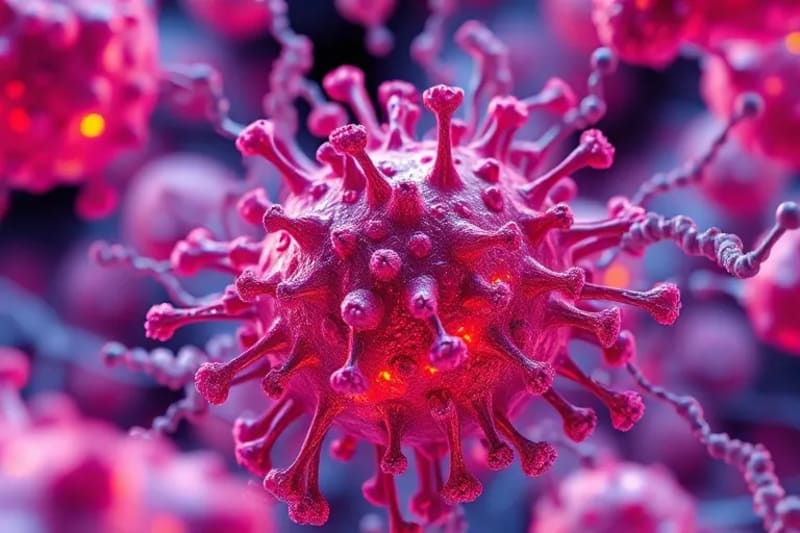
Advanced biohacking strategies often involve detailed analysis of cellular structures and genetic code, revealing pathways for rejuvenation.
These therapies hold promise for conditions such as osteoarthritis, heart disease, and neurodegenerative disorders, which are major contributors to diminished healthspan. By replacing damaged cells or stimulating the body's own regenerative processes, stem cell treatments could significantly improve quality of life and extend functional independence. However, challenges remain in ensuring the safety, efficacy, and ethical deployment of these complex treatments.
Another critical cellular strategy involves enhancing cellular recycling processes, particularly autophagy. Autophagy is the body's natural process of cleaning out damaged cells and cellular components, promoting cellular health and longevity. Various compounds and lifestyle interventions, such as intermittent fasting and certain dietary supplements, are known to activate autophagy. Research is ongoing to identify more potent and targeted activators to maximize its anti-aging benefits.
Epigenetic Modulation: Rewriting the Code of Aging
Epigenetics refers to changes in gene expression that do not involve alterations to the underlying DNA sequence, but rather modifications to how genes are read and interpreted. These epigenetic marks, such as DNA methylation and histone modifications, are influenced by environmental factors and lifestyle choices, and they play a significant role in the aging process. As we age, our epigenome can become dysregulated, leading to altered gene expression patterns associated with disease and decline.
Biohacking through epigenetic modulation aims to restore a youthful epigenetic profile. This can involve specific nutrients, supplements, and lifestyle interventions that influence epigenetic enzymes. For instance, compounds like S-adenosylmethionine (SAMe) and certain B vitamins are involved in methylation pathways, while others can impact histone acetylation. Understanding and manipulating these pathways offers a powerful avenue for reversing cellular aging. For more in-depth information on this topic, consider exploring Epigenetic Biohacking: Gene Expression Modulation Health.
Scientists are developing "epigenetic clocks" that can estimate biological age more accurately than chronological age by analyzing patterns of DNA methylation. These clocks serve as valuable tools for monitoring the effectiveness of anti-aging interventions. The ability to track and potentially reverse epigenetic aging offers a personalized and dynamic approach to longevity biohacking, allowing for tailored strategies based on an individual's unique biological responses.
Mitochondrial Optimization and Energy Metabolism
Mitochondria are often referred to as the "powerhouses" of the cell, responsible for generating the vast majority of the energy (ATP) required for cellular functions. Mitochondrial dysfunction is a central feature of aging, leading to reduced energy production, increased oxidative stress, and impaired cellular signaling. Optimizing mitochondrial health is therefore a crucial strategy in the pursuit of extreme longevity.
Biohacking approaches to mitochondrial optimization include targeted nutritional interventions, specific exercise regimens, and the use of mitochondrial-boosting supplements. Compounds like Coenzyme Q10 (CoQ10), PQQ (pyrroloquinoline quinone), and NAD+ precursors (e.g., NMN, NR) are popular in this domain. These substances aim to improve mitochondrial biogenesis (the creation of new mitochondria), enhance their efficiency, and protect them from oxidative damage.
Exercise, particularly high-intensity interval training (HIIT) and resistance training, is well-known to stimulate mitochondrial biogenesis and improve their function. Dietary strategies such as ketogenic diets or time-restricted eating can also influence mitochondrial metabolism, promoting a shift towards more efficient fat burning and potentially reducing oxidative stress. The synergy between these interventions can create a powerful anti-aging effect at the cellular level.
Senolytics and Senomorphics: Clearing Senescent Cells
Senescent cells, often called "zombie cells," are cells that have stopped dividing but remain metabolically active, secreting a cocktail of pro-inflammatory molecules known as the Senescence-Associated Secretory Phenotype (SASP). The accumulation of these cells in tissues contributes significantly to chronic inflammation, tissue dysfunction, and age-related diseases. The removal or modulation of senescent cells is a rapidly developing and highly promising anti-aging strategy.
Abstract representations of cellular regeneration highlight the complex biological pathways involved in achieving extended health and vitality.
Senolytics are compounds that selectively induce apoptosis (programmed cell death) in senescent cells, thereby clearing them from the body. Prominent senolytic agents include quercetin, fisetin, and the combination of dasatinib and quercetin (D+Q). Studies in animal models have shown that periodic administration of senolytics can extend lifespan and improve healthspan, reducing the incidence and severity of various age-related pathologies.
Senomorphics, on the other hand, do not kill senescent cells but rather modulate their SASP, reducing their harmful secretory profile. This approach aims to neutralize the detrimental effects of senescent cells without necessarily removing them. Both senolytics and senomorphics represent powerful tools in the biohacker's arsenal, offering direct interventions against one of the core mechanisms of aging. Clinical trials are underway to evaluate their safety and efficacy in humans.
The Microbiome and Longevity
The human microbiome, particularly the gut microbiota, has emerged as a critical factor influencing health, disease, and longevity. A diverse and balanced gut microbiome is associated with better metabolic health, stronger immune function, and reduced inflammation – all factors crucial for healthy aging. Dysbiosis, an imbalance in the gut flora, is linked to numerous age-related conditions, including neurodegeneration, cardiovascular disease, and metabolic syndrome.
Biohacking the microbiome for longevity involves strategies to cultivate a healthy and resilient microbial ecosystem. This includes dietary interventions rich in prebiotics (fibers that feed beneficial bacteria) and probiotics (beneficial live microorganisms), as well as targeted supplements. Emerging research also explores advanced interventions like fecal microbiota transplantation (FMT) for severe dysbiosis, though this is typically reserved for clinical settings. The intricate relationship between the gut microbiome and host health underscores its importance in a holistic longevity strategy. For insights into personalized microbiome interventions, refer to Phage Therapy Microbiome: Personalized Medicine Longevity.
Maintaining gut barrier integrity is also vital, as a "leaky gut" can lead to systemic inflammation. Nutritional strategies, stress reduction, and avoiding certain medications can help preserve this barrier. The gut-brain axis, a bidirectional communication pathway between the gut and the central nervous system, further highlights how gut health impacts cognitive function and mental well-being, both integral components of a prolonged and healthy life.
Lifestyle Biohacking: Foundational Pillars
While genomic and cellular strategies represent advanced interventions, foundational lifestyle biohacking remains indispensable. These practices amplify the effects of high-tech approaches and are critical for maintaining overall health. Key pillars include:
- Nutrition: A nutrient-dense diet, often emphasizing whole foods, plant-based options, and healthy fats, is fundamental. Strategies like caloric restriction, intermittent fasting, and time-restricted eating have shown benefits in promoting cellular repair and metabolic flexibility. Nutrigenomics, the study of how food interacts with genes, allows for personalized dietary recommendations based on an individual's genetic makeup.
- Exercise: Regular physical activity is a powerful anti-aging intervention. A combination of cardiovascular exercise (e.g., HIIT), strength training, and flexibility work improves mitochondrial function, reduces inflammation, maintains muscle mass, and enhances cognitive health. Exercise acts as a form of hormesis, beneficial stress that strengthens biological systems.
- Sleep Optimization: Adequate, high-quality sleep is non-negotiable for cellular repair, hormone regulation, and cognitive function. Biohacking sleep involves optimizing sleep hygiene, managing light exposure (e.g., blue light blocking), and potentially using supplements like melatonin or magnesium.
- Stress Management: Chronic stress accelerates aging by increasing inflammation and oxidative stress. Practices such as mindfulness meditation, yoga, spending time in nature, and maintaining strong social connections are crucial for mitigating stress and promoting mental well-being.
- Environmental Factors: Minimizing exposure to environmental toxins, such as air pollution, is important for overall health and longevity. For instance, understanding the impact of environmental factors on health can be further explored in Air Pollution Chronic Lung Diseases: Preventive Analysis. Additionally, controlled exposure to beneficial stressors like cold therapy (cryotherapy, cold showers) and heat therapy (saunas) can activate stress response pathways that enhance cellular resilience and repair.
These lifestyle interventions provide a robust foundation upon which more advanced genomic and cellular strategies can build, creating a synergistic effect that maximizes the potential for extreme longevity and healthspan.
Ethical Considerations and the Future of Longevity
The rapid advancements in biohacking for extreme longevity raise significant ethical, social, and economic questions. Issues of accessibility and equity are paramount: who will have access to these potentially life-extending technologies? There is a risk that such advancements could exacerbate existing health disparities, creating a divide between those who can afford longevity treatments and those who cannot. This necessitates careful consideration of policy and regulatory frameworks to ensure equitable access and prevent a "longevity gap."
Safety and efficacy are also critical concerns. Many biohacking interventions, especially those involving gene editing or novel cellular therapies, are still in experimental stages. Rigorous scientific validation, long-term safety studies, and robust regulatory oversight are essential to protect individuals from unproven or potentially harmful treatments. The promise of extended life must be balanced with the imperative to ensure that these interventions are safe, effective, and ethically sound.
Looking to the future, the integration of artificial intelligence (AI) and big data will play an increasingly vital role in personalized longevity medicine. AI can analyze vast datasets from genomics, wearables, and clinical records to identify individual risk factors, predict responses to interventions, and optimize personalized biohacking protocols. This data-driven approach promises to make longevity strategies more precise and effective, moving towards a truly personalized medicine paradigm. For a broader perspective on how technology is shaping health, explore AI Geriatric Preventive Medicine IoT Big Data Healthy Aging.
The ultimate vision of extreme longevity biohacking is not just to add years to life, but to add life to years. It's about enabling individuals to live vibrant, productive, and healthy lives for a significantly longer period, contributing to society and enjoying their existence to the fullest. As scientific understanding deepens and technological capabilities expand, the dream of a prolonged and healthier human lifespan moves ever closer to reality, challenging our perceptions of aging and human potential.
The pursuit of extreme longevity through biohacking represents a profound shift in human ambition, moving beyond merely treating disease to actively engineering health and vitality across the lifespan.
This endeavor integrates diverse scientific disciplines, from molecular biology to artificial intelligence, to unlock the full potential of human resilience and regeneration.
The journey towards extreme longevity is a complex, multidisciplinary undertaking that combines cutting-edge scientific research with informed personal choices. By understanding and strategically applying genomic, cellular, and lifestyle interventions, individuals can actively participate in shaping their own health trajectory, pushing the boundaries of what is possible for human healthspan and lifespan.
The future of longevity is not just about extending years, but about enriching them with sustained vitality, cognitive sharpness, and overall well-being. The ongoing research and development in biohacking promise to deliver transformative tools and insights, making a healthier, longer life an achievable reality for generations to come.
Explore More: Related Insights
Source: Hybrid content assisted by AI and human editorial supervision.


Comentarios