
Resilience Neuroscience: Training Brain Digital Era
In an increasingly complex and interconnected world, the concept of resilience has transcended its traditional psychological boundaries, finding a robust scientific foundation within neuroscience. Neuroscientific resilience refers to the brain's capacity to adapt, recover, and thrive in the face of adversity, stress, and trauma. This adaptive capability is not merely an inherent trait but a dynamic process shaped by genetic predispositions, environmental interactions, and intentional interventions. Understanding the neural underpinnings of resilience is paramount, especially in the digital age, where novel stressors constantly challenge our cognitive and emotional equilibrium.
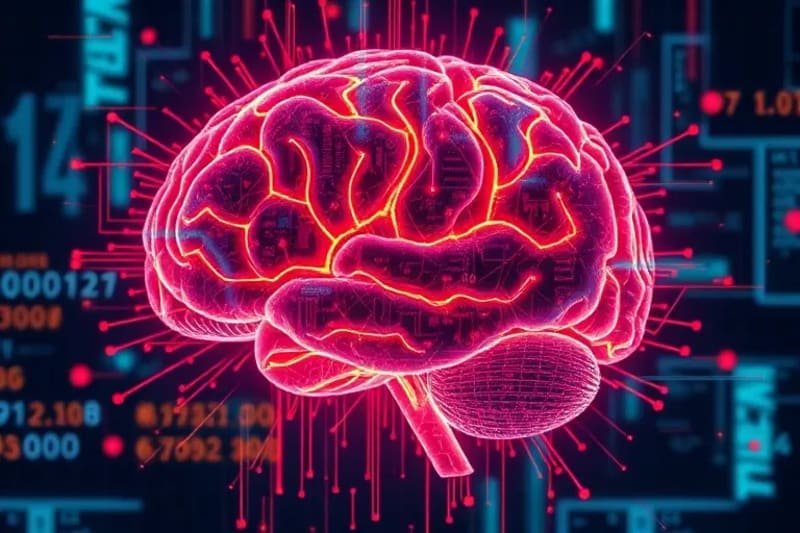 Conceptual representation of neural pathways adapting to digital stressors, fostering resilience.
The digital era introduces a unique set of challenges, from information overload and constant connectivity to cyberbullying and the pressure of online validation. These factors can significantly impact brain health and mental well-being, potentially eroding an individual's natural resilience. Consequently, the study of neuro-resilience has become a critical field, offering insights into how we can train our brains to not only withstand these pressures but also to emerge stronger and more adaptable. This article delves into the intricate neuroscience of resilience, exploring the brain structures, neurotransmitters, and adaptive mechanisms that contribute to mental fortitude, and outlines practical strategies for enhancing these capabilities in our digitally saturated lives.
Table of Contents
- Understanding Neuroplasticity and Resilience
- Key Brain Regions Involved in Resilience
- The Role of Neurotransmitters and Hormones
- Digital Stressors and Their Impact on the Brain
- Strategies for Neuro-Resilience in the Digital Era
- Mindfulness and Cognitive Behavioral Techniques
- Physical Activity and Nutrition for Brain Health
- Social Connection and Emotional Intelligence
- Future Directions: Technology-Assisted Resilience Training
Understanding Neuroplasticity and Resilience
At the core of neuro-resilience lies the concept of neuroplasticity, the brain's remarkable ability to reorganize itself by forming new neural connections throughout life. This dynamic process allows the brain to adapt its structure and function in response to experiences, learning, and environmental demands. In the context of resilience, neuroplasticity enables individuals to learn from adverse events, modify maladaptive responses, and develop more effective coping strategies. For instance, exposure to moderate stress can strengthen neural circuits involved in stress regulation, preparing the brain for future challenges.
Research indicates that resilient individuals often exhibit greater neuroplasticity in specific brain regions, allowing for more efficient adaptation to changing circumstances. This adaptability is crucial in the digital age, where rapid technological advancements and evolving social dynamics demand continuous cognitive flexibility. The capacity to rewire neural pathways means that resilience is not a fixed trait but a skill that can be cultivated and enhanced through targeted practices and interventions.
Key Brain Regions Involved in Resilience
Several interconnected brain regions play pivotal roles in the development and expression of resilience. The prefrontal cortex (PFC), particularly the ventromedial prefrontal cortex (vmPFC) and dorsolateral prefrontal cortex (dlPFC), is central to executive functions such as decision-making, emotional regulation, and cognitive reappraisal. A well-functioning PFC enables individuals to evaluate threats rationally, suppress impulsive reactions, and plan adaptive responses to stress.
The amygdala, a key structure in the limbic system, is involved in processing emotions, particularly fear and anxiety. While an overactive amygdala can contribute to vulnerability to stress, its balanced interaction with the PFC is crucial for effective threat assessment and emotional modulation. Furthermore, the hippocampus, vital for memory formation and spatial navigation, is implicated in contextualizing stressful experiences, preventing generalized fear responses. The anterior cingulate cortex (ACC) also contributes to resilience by mediating emotional processing, decision-making, and error detection, allowing for flexible behavioral adjustments.
The Role of Neurotransmitters and Hormones
Neurotransmitters and hormones act as chemical messengers that profoundly influence mood, cognition, and stress responses, thereby impacting resilience. Serotonin, often associated with mood regulation, plays a critical role in mitigating anxiety and depression, fostering a more stable emotional state. Dopamine, involved in reward and motivation, contributes to the ability to seek out and engage in positive experiences, even after adversity. Gamma-aminobutyric acid (GABA), the primary inhibitory neurotransmitter, helps calm neural activity, reducing feelings of stress and promoting relaxation.
Hormones like cortisol, released during stress, are essential for acute stress responses but can become detrimental if chronically elevated, leading to impaired cognitive function and increased vulnerability to mental health disorders. Conversely, oxytocin, often called the "love hormone," promotes social bonding and reduces stress, enhancing an individual's ability to seek and receive social support, a key component of resilience. The intricate balance of these neurochemical systems is a significant determinant of an individual's capacity to cope with stress and recover from adversity.
 A conceptual representation of neural protection amidst digital overload.
Digital Stressors and Their Impact on the Brain
The digital landscape, while offering unprecedented connectivity and information access, also presents a unique array of stressors that can challenge brain resilience. Constant notifications, the pressure to maintain an idealized online persona, and exposure to negative news or cyberbullying can trigger chronic stress responses. This sustained activation of the hypothalamic-pituitary-adrenal (HPA) axis can lead to elevated cortisol levels, potentially damaging the hippocampus and prefrontal cortex, regions critical for memory, learning, and emotional regulation.
Furthermore, the pervasive nature of digital devices can disrupt sleep patterns, a vital component of brain recovery and consolidation of learning. Blue light emission from screens suppresses melatonin production, interfering with circadian rhythms. Chronic sleep deprivation impairs cognitive function, increases irritability, and reduces the brain's capacity to cope with daily stressors. The phenomenon of "fear of missing out" (FOMO) and the constant comparison with others' curated online lives can also contribute to anxiety and diminished self-esteem, further taxing mental resources. The influence of ambient intelligence, as discussed in IA 2026: Inteligencia Ambiental, Impacto y Futuro, highlights how pervasive technology can subtly shape our cognitive environment.
Strategies for Neuro-Resilience in the Digital Era
Building neuro-resilience in the digital age requires a multifaceted approach that integrates psychological techniques, lifestyle adjustments, and conscious digital habits. These strategies aim to enhance neuroplasticity, optimize neurotransmitter balance, and strengthen brain regions involved in stress regulation. By proactively implementing these methods, individuals can create a robust mental framework capable of navigating the complexities of modern life.
Key areas of focus include:
- Cognitive Restructuring: Actively challenging negative thought patterns and reframing stressful situations.
- Emotional Regulation: Developing skills to manage and express emotions constructively.
- Mindfulness Practices: Cultivating present-moment awareness to reduce rumination and anxiety.
- Physical Health: Prioritizing sleep, nutrition, and exercise to support brain function.
- Social Engagement: Fostering meaningful connections and seeking support.
- Digital Detox: Implementing regular breaks from screens and online platforms.
Mindfulness and Cognitive Behavioral Techniques
Mindfulness-Based Stress Reduction (MBSR) and Cognitive Behavioral Therapy (CBT) are powerful tools for enhancing neuro-resilience. Mindfulness practices, such as meditation and deep breathing, have been shown to increase gray matter density in the hippocampus and prefrontal cortex, while reducing amygdala activity. This leads to improved emotional regulation, reduced stress reactivity, and enhanced cognitive flexibility. By focusing on the present moment, individuals can break cycles of rumination and anticipatory anxiety, common pitfalls in the digital age.
CBT, on the other hand, helps individuals identify and challenge maladaptive thought patterns and behaviors. Through techniques like cognitive reappraisal, individuals learn to reframe stressful events in a more positive or neutral light, thereby altering their emotional and physiological responses. Both mindfulness and CBT leverage neuroplasticity, actively rewiring neural circuits to promote more adaptive responses to stressors. These practices are particularly effective in managing the psychological fallout from economic uncertainties, as discussed in contexts like Inflación Recesión: Proteger Patrimonio Incertidumbre Económica, by helping individuals maintain mental stability.
 An abstract visualization of mental fortitude and adaptive balance.
Physical Activity and Nutrition for Brain Health
The intricate connection between physical health and brain function is undeniable. Regular physical activity, particularly aerobic exercise, promotes the release of brain-derived neurotrophic factor (BDNF), a protein that supports the growth and survival of neurons and synapses. Exercise also reduces inflammation, improves blood flow to the brain, and enhances neurotransmitter balance, all of which contribute to increased neuroplasticity and stress resilience. Even short bursts of physical activity can significantly improve mood and cognitive function.
Nutrition plays an equally vital role. A diet rich in omega-3 fatty acids, antioxidants, and B vitamins supports optimal brain health and reduces vulnerability to stress. Omega-3s, found in fatty fish, are crucial for neuronal membrane integrity and neurotransmitter function. Antioxidants, abundant in fruits and vegetables, combat oxidative stress, which can damage brain cells. Maintaining a balanced gut microbiome through a diverse diet also influences brain health via the gut-brain axis, impacting mood and stress responses. These nutritional elements, alongside practices like biohacking sleep, as detailed in Biohacking Sueño: Genética, Ritmos, Longevidad, are fundamental for comprehensive brain resilience.
Social Connection and Emotional Intelligence
Humans are inherently social beings, and strong social connections are a powerful buffer against stress and adversity. Engaging in meaningful relationships triggers the release of oxytocin, which counteracts the effects of stress hormones and promotes feelings of trust and well-being. Social support networks provide emotional resources, practical assistance, and a sense of belonging, all of which contribute to enhanced resilience. Conversely, social isolation, often exacerbated by excessive digital interaction without genuine connection, can increase vulnerability to mental health issues.
Emotional intelligence (EI), the ability to understand and manage one's own emotions and those of others, is closely linked to social connection and resilience. High EI allows individuals to navigate social complexities, resolve conflicts, and build supportive relationships. It involves self-awareness, self-regulation, empathy, and social skills, all of which are critical for adapting to challenging situations. The development of emotional intelligence, as explored in Inteligencia Emocional Liderazgo Empresarial: Impacto Rendimiento, is a cornerstone of both personal and professional resilience.
Future Directions: Technology-Assisted Resilience Training
As our understanding of neuro-resilience deepens, so too does the potential for leveraging technology to enhance these capacities. Wearable devices can monitor physiological markers of stress, such as heart rate variability, providing real-time feedback to help individuals recognize and manage stress responses. Virtual reality (VR) and augmented reality (AR) platforms offer immersive environments for practicing stress inoculation, exposure therapy, and social skills training in a controlled setting. Biofeedback and neurofeedback technologies can teach individuals to consciously regulate brain activity and physiological states, further strengthening resilience circuits.
Moreover, AI-powered applications can provide personalized resilience training programs, adapting to individual needs and progress. These tools can offer guided meditations, cognitive exercises, and prompts for positive reframing, making resilience-building practices more accessible and engaging. While the digital age presents unique stressors, it also offers innovative solutions for cultivating a more resilient brain. The integration of neuroscientific principles with cutting-edge technology holds immense promise for empowering individuals to thrive in an ever-evolving world.
In conclusion, neuro-resilience is a dynamic and trainable capacity, deeply rooted in the brain's ability to adapt and reorganize. By understanding the key brain regions, neurotransmitters, and adaptive mechanisms involved, we can consciously implement strategies to fortify our mental fortitude against the unique challenges of the digital era. From mindfulness and physical activity to strong social connections and technology-assisted training, the path to a more resilient brain is multifaceted and accessible. Cultivating neuro-resilience is not just about surviving adversity, but about leveraging it as an opportunity for growth and enhanced well-being.
Dynamic Semantic Navigation Module
Explore related topics to deepen your understanding:
Source: Hybrid content assisted by AI and human editorial supervision.


Comentarios