
Neurotechnology Mental Health: Brain Empowerment, Disorder Combat
Neurotechnology stands at the forefront of medical innovation, promising a transformative era for mental health care. This burgeoning field encompasses a wide array of devices and methods designed to interact directly with the nervous system, aiming to understand, repair, or enhance brain function. From advanced diagnostic tools to groundbreaking therapeutic interventions, neurotechnology is rapidly reshaping our approach to combating neurological and psychiatric disorders, offering hope where traditional treatments may have fallen short.
The human brain, with its billions of neurons and trillions of connections, remains one of the most complex systems in the known universe. Mental health conditions, such as depression, anxiety, PTSD, and Alzheimer's disease, often stem from dysfunctions within these intricate neural circuits. Neurotechnology seeks to precisely target these dysfunctions, providing personalized and often non-invasive solutions that can significantly improve quality of life for millions worldwide.
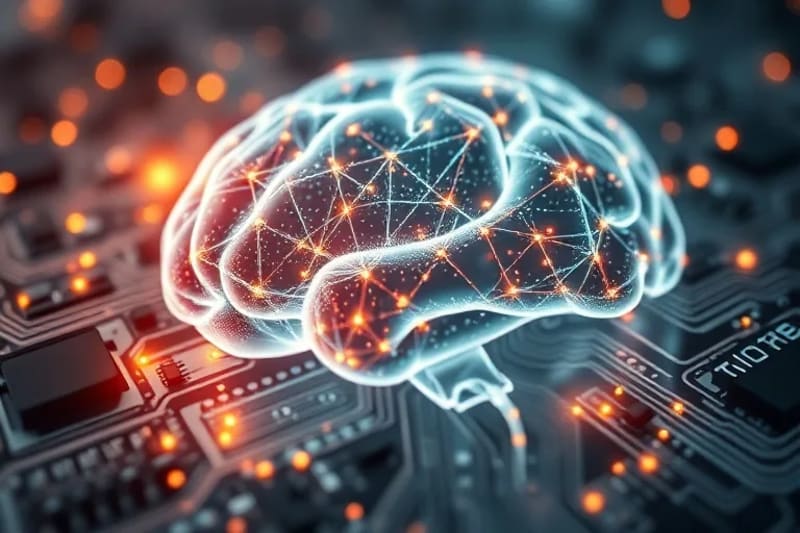
Conceptual representation of advanced neurotechnology interacting with neural pathways to foster mental clarity and cognitive enhancement.
The journey into neurotechnology began with rudimentary techniques, evolving into sophisticated systems capable of real-time brain activity monitoring and modulation. This evolution has been fueled by advancements in neuroscience, engineering, and artificial intelligence, leading to devices that are more precise, less invasive, and increasingly integrated into daily life. The potential applications are vast, extending beyond treatment to include cognitive enhancement and a deeper understanding of consciousness itself.
Table of Contents
- Understanding Neurotechnology
- Diagnostic Advances in Mental Health
- Therapeutic Interventions: Reshaping Treatment
- Cognitive Enhancement and Brain Optimization
- Ethical and Societal Considerations
- The Future of Neurotechnology in Mental Health
Understanding Neurotechnology: Bridging Mind and Machine
Neurotechnology broadly refers to any technology that directly interacts with the brain or nervous system. This interaction can take many forms, from recording brain activity to stimulating specific neural pathways. The goal is often to restore lost function, alleviate symptoms of disease, or even enhance natural capabilities. These technologies leverage our growing understanding of neurobiology and the principles of electrical and chemical signaling within the brain.
Key components of neurotechnological systems typically include sensors to detect neural signals, processors to interpret these signals, and actuators to deliver therapeutic interventions or feedback. The sophistication of these components has grown exponentially, enabling precise targeting and adaptive responses that were once unimaginable. For instance, the development of advanced algorithms, often informed by principles of prompt engineering, allows for more nuanced interpretation of complex brain data, leading to more effective interventions.
Neurotechnology can be categorized based on its invasiveness. Non-invasive methods, such as transcranial magnetic stimulation (TMS) or electroencephalography (EEG), interact with the brain from outside the skull. Minimally invasive techniques might involve small implants just beneath the scalp. Highly invasive approaches, like deep brain stimulation (DBS), require surgical implantation of electrodes directly into brain tissue. Each approach carries its own set of benefits, risks, and applications, carefully chosen based on the specific condition and patient needs.
Diagnostic Advances in Mental Health: A Clearer Picture
Accurate diagnosis is the cornerstone of effective mental health treatment, and neurotechnology is revolutionizing this area. Traditional diagnostic methods often rely on subjective patient reporting and clinical observation, which can be prone to variability. Neurotechnological tools offer objective biomarkers, providing quantitative data about brain function that can aid in more precise diagnoses and personalized treatment plans.
Electroencephalography (EEG) has been a staple for decades, but modern EEG systems are far more sophisticated. High-density EEG arrays can map brain activity with greater spatial resolution, identifying subtle patterns associated with various conditions. Quantitative EEG (qEEG) analyzes these patterns, comparing them to normative databases to detect deviations indicative of disorders like ADHD, depression, or epilepsy. This allows clinicians to gain a more objective understanding of neural activity.
Functional Magnetic Resonance Imaging (fMRI) and Positron Emission Tomography (PET) scans provide insights into brain structure and metabolic activity, respectively. While not direct neurotechnologies in the same vein as those that interact with the brain, their data is crucial for understanding the neural correlates of mental illness. Integrating these imaging techniques with advanced computational analysis can reveal network dysfunctions that are characteristic of specific psychiatric disorders, moving towards a more biologically informed psychiatry.
A serene depiction of an individual finding inner peace through meditation, subtly enhanced by visual representations of harmonious brainwave activity.
Beyond these established methods, newer technologies like magnetoencephalography (MEG) offer even higher temporal resolution for mapping brain activity, capturing rapid changes in neural processing. The convergence of these diagnostic tools with machine learning algorithms is enabling the identification of predictive markers for treatment response, allowing clinicians to tailor therapies more effectively from the outset. This precision medicine approach is vital for improving outcomes and reducing the trial-and-error often associated with mental health care.
Therapeutic Interventions: Reshaping Treatment Paradigms
The therapeutic potential of neurotechnology is perhaps its most exciting aspect. These interventions offer new hope for individuals who have not responded to conventional pharmacological or psychotherapeutic treatments. By directly modulating brain activity, neurotechnologies can address the underlying neural imbalances contributing to mental health conditions.
Transcranial Magnetic Stimulation (TMS): This non-invasive technique uses magnetic fields to stimulate nerve cells in the brain. Approved for treatment-resistant depression, OCD, and migraine, TMS offers a targeted approach without systemic side effects common with medication. Patients typically undergo several sessions, experiencing significant symptom reduction. Its precision allows for activation or inhibition of specific brain regions, tailoring treatment to individual neural profiles.
Deep Brain Stimulation (DBS): For severe, refractory cases of OCD, Parkinson's disease, and essential tremor, DBS involves surgically implanting electrodes into specific brain areas. These electrodes deliver continuous electrical impulses, modulating abnormal brain activity. While invasive, DBS has shown remarkable success in restoring function and alleviating debilitating symptoms in carefully selected patients. Research is ongoing for its application in other mental health conditions like depression and Tourette's syndrome.
Neurofeedback: This technique allows individuals to learn to self-regulate their brain activity. Using EEG, patients receive real-time feedback on their brainwave patterns and are trained to shift these patterns towards healthier states. Neurofeedback has shown promise in treating ADHD, anxiety, and insomnia, empowering individuals to take an active role in managing their mental health. It represents a non-pharmacological pathway to improved cognitive and emotional regulation.
Brain-Computer Interfaces (BCIs): While often associated with prosthetics and communication for paralyzed individuals, BCIs are also being explored for mental health. They can provide direct feedback on brain states, facilitate cognitive training, or even enable direct brain stimulation based on detected pathological patterns. The integration of BCIs with AI is paving the way for adaptive and highly personalized therapeutic systems. The ethical implications of such advanced technologies are a significant consideration, especially regarding AI governance and algorithmic biases.
Cognitive Enhancement and Brain Optimization: Beyond Treatment
Beyond treating disorders, neurotechnology also holds the promise of cognitive enhancement and brain optimization for healthy individuals. This frontier explores methods to improve memory, attention, creativity, and overall cognitive performance. While still in early stages and subject to significant ethical debate, the potential for human augmentation is a compelling aspect of neurotechnology.
Non-invasive brain stimulation techniques, such as transcranial direct current stimulation (tDCS) and transcranial alternating current stimulation (tACS), are being investigated for their ability to temporarily boost cognitive functions. These methods involve applying weak electrical currents to the scalp to modulate cortical excitability, potentially enhancing learning, decision-making, or even athletic performance. The results are often subtle and variable, but research continues to refine their application.
Neurofeedback, as mentioned earlier, is not only therapeutic but also a tool for optimization. By training individuals to produce specific brainwave patterns associated with focus or relaxation, it can improve executive functions and stress management. This self-regulation capability can be particularly beneficial in high-demand environments, contributing to overall mental well-being in hybrid work settings and other demanding professional contexts.
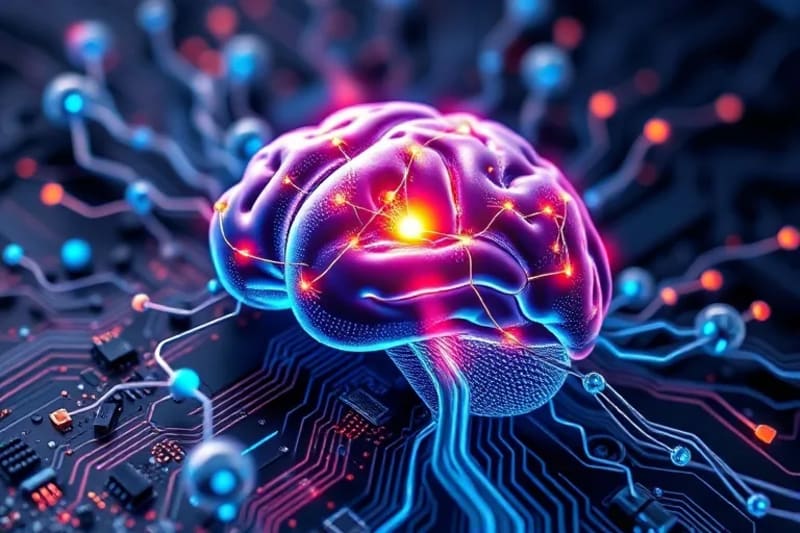
An advanced 3D render illustrating the complex and interconnected nature of neural pathways, emphasizing their capacity for healing and enhanced communication.
The development of personalized brain training programs, often leveraging virtual reality (VR) and augmented reality (AR), represents another avenue for cognitive enhancement. These immersive experiences can be tailored to target specific cognitive deficits or to push the boundaries of normal function, offering a gamified approach to brain health. As these technologies become more accessible, the line between therapy and enhancement will continue to blur, necessitating careful consideration of their societal impact.
Ethical and Societal Considerations: Navigating the New Frontier
As neurotechnology advances, it raises profound ethical, legal, and societal questions. The ability to directly interact with the brain touches upon fundamental aspects of human identity, autonomy, and privacy. Ensuring responsible development and deployment is paramount to harnessing its benefits while mitigating potential harms.
Privacy and Data Security: Brain data, especially from invasive BCIs, is incredibly sensitive. It can reveal thoughts, emotions, and personal predispositions. Protecting this data from unauthorized access, misuse, or discrimination is a critical challenge. Robust cybersecurity measures and clear regulatory frameworks are essential to safeguard neural privacy.
Autonomy and Identity: When neurotechnologies directly alter brain function, questions arise about the extent to which an individual's autonomy or sense of self might be affected. For instance, DBS can change personality traits in some patients. Ensuring informed consent, especially for long-term implants, and understanding the psychological impact of these interventions are crucial ethical considerations. The concept of "neuro-rights" is emerging to address these novel challenges.
Accessibility and Equity: Advanced neurotechnologies are often expensive and require specialized medical expertise, potentially exacerbating existing health disparities. Ensuring equitable access to these life-changing treatments is a significant societal challenge. Policy makers and healthcare systems must work to prevent a future where brain enhancement or advanced mental health care is only available to a privileged few.
Misuse and Dual-Use Potential: Like many powerful technologies, neurotechnology carries the risk of misuse. This could range from coercive applications in surveillance or interrogation to the development of cognitive weapons. Establishing international norms and regulations to prevent such dual-use scenarios is a complex but necessary endeavor. The discussions around ethics in biomedical research are highly relevant here.
The Future of Neurotechnology in Mental Health: A Vision of Hope
The future of neurotechnology in mental health is bright, with ongoing research pushing the boundaries of what is possible. Miniaturization, increased computational power, and a deeper understanding of brain circuits will lead to even more sophisticated and less invasive devices. The integration of artificial intelligence and machine learning will enable adaptive systems that can learn and respond to individual brain dynamics in real-time, offering truly personalized medicine.
One exciting frontier is the development of closed-loop systems, where neurotechnology can detect abnormal brain activity and automatically deliver targeted stimulation to correct it, all without conscious intervention from the user. Imagine a device that can detect the onset of a depressive episode or a seizure and intervene before symptoms fully manifest. This level of proactive care could fundamentally change the management of chronic mental health conditions.
Furthermore, advancements in optogenetics and sonogenetics, which use light or sound to control genetically modified neurons, hold immense promise for highly precise and cell-specific interventions. While still largely experimental, these techniques could offer unprecedented control over neural circuits, opening new avenues for understanding and treating complex disorders. The convergence of neurotechnology with other fields, such as genetics and nanotechnology, promises a truly interdisciplinary approach to brain health.
The journey of neurotechnology is one of continuous discovery and innovation. As we unlock more secrets of the brain, these technologies will become increasingly sophisticated, offering powerful tools for diagnosis, treatment, and enhancement. While challenges remain, particularly in the ethical and societal domains, the potential to alleviate suffering and empower the human mind makes neurotechnology one of the most promising fields for the future of mental health.
Explore More from Our Network
- Mental Well-being in Hybrid Work
- Prompt Engineering & AI
- Smart Home Security Guide
- AI Governance & Ethics
- Quantum Investment Strategies
- Sports Biotechnology
- Financial Education for Youth
- Biomedical Research Ethics
- Tokenized Real Estate
- Ada Lovelace & AI
- Michael Jackson's Gospel Influence
- Global Climate Crisis
- Digital Twins & Industry
- Post-Quantum Cybersecurity
- Microcredits & Sustainable Development
- Astrology & Emotional Healing
- Chinese Zodiac Compatibility
- Fire Pig Chinese Horoscope
- Divine Mercy Chaplet
- Holy Trinity Liturgy
- Sorrowful Mysteries Rosary
- Aquarius Ascendant Traits
- Feng Shui Principles
- Planetary Wellness
Source: Hybrid content assisted by AI and human editorial supervision.


Comentarios