
Neuroscience Humor: Laughter Transforms Brain, Mental Health
Humor and laughter are universal human experiences, transcending cultural barriers and often serving as powerful tools for connection and coping. Beyond the immediate joy they bring, a growing body of scientific research, particularly in neuroscience, reveals the profound impact laughter has on our brains and overall mental health. This exploration delves into the intricate mechanisms by which humor transforms our neural landscape, offering tangible benefits that extend far beyond a momentary chuckle.

A diverse group of individuals engaging in shared laughter, symbolizing the universal and connecting nature of humor across different backgrounds and experiences.
The act of laughing is far more complex than a simple reflex; it engages multiple brain regions, triggers a cascade of neurochemical changes, and influences our physiological responses in ways that are still being fully understood. From reducing stress hormones to enhancing cognitive function, the neuroscience of humor provides compelling evidence for integrating more laughter into our daily lives. This article will explore the neural circuitry involved, the key neurotransmitters at play, and the wide-ranging benefits that make humor a vital component of mental well-being.
Table of Contents
- The Brain's Laughter Circuitry
- Neurotransmitters: The Chemistry of Joy
- Humor's Impact on Stress and Anxiety
- Cognitive Benefits of Laughter
- Social Bonding and Empathy
- Therapeutic Applications of Humor
- Cultivating Humor for Mental Well-being
The Brain's Laughter Circuitry
Laughter is not confined to a single brain region but rather involves a complex network of areas working in concert. Neuroimaging studies, such as fMRI, have illuminated the intricate pathways activated when we process humor and experience mirth. The process begins with the perception of a humorous stimulus, which can be auditory (a joke), visual (a cartoon), or conceptual (a witty remark).
The brain's frontal lobe, particularly the ventromedial prefrontal cortex, plays a crucial role in evaluating the humorous content and determining if something is funny. This area is involved in decision-making and emotional regulation. Once the humor is perceived, the information travels to subcortical regions, including the amygdala, which processes emotions, and the nucleus accumbens, a key component of the brain's reward system. This intricate interplay highlights why humor is such a powerful emotional and motivational force.
- Cortical Regions: The prefrontal cortex (especially ventromedial and orbitofrontal areas) is responsible for cognitive processing of humor, including incongruity detection and resolution. The temporal lobe, particularly the superior temporal gyrus, is active in processing auditory humor.
- Subcortical Regions: The amygdala and hippocampus are involved in the emotional response to humor. The nucleus accumbens, part of the basal ganglia, is central to the pleasure and reward associated with laughter, releasing dopamine.
- Motor and Vocal Regions: The motor cortex and brainstem are responsible for the physical act of laughing, including facial muscle contractions and vocalizations.
The coordination of these diverse brain areas underscores the sophisticated nature of humor processing, integrating cognitive, emotional, and motor functions. Understanding these neural circuits provides a foundation for appreciating how laughter can influence our mental state and well-being.
Neurotransmitters: The Chemistry of Joy
The subjective feeling of joy and well-being associated with laughter is largely attributable to the release of specific neurotransmitters. These chemical messengers play a vital role in regulating mood, pleasure, and stress responses. When we laugh, our brains release a cocktail of beneficial chemicals that contribute to both immediate and long-term positive effects.
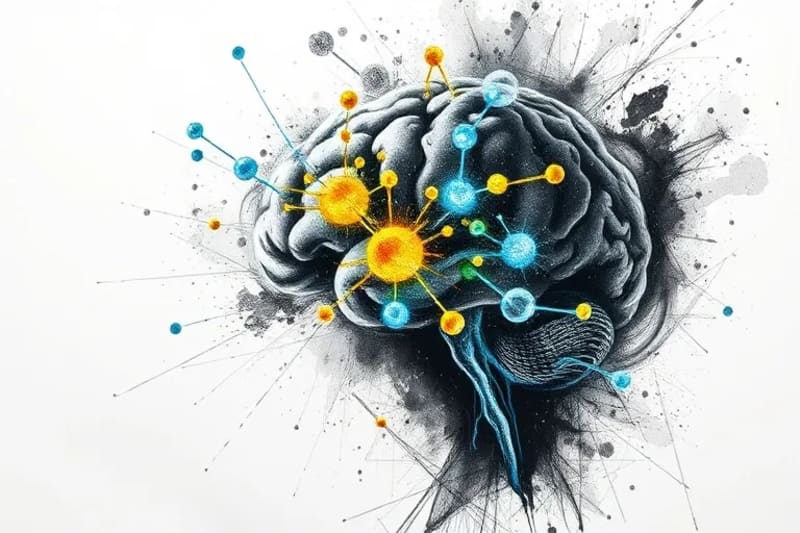
An abstract visualization of the brain's neural pathways, depicting the dynamic flow and interaction of neurotransmitters that contribute to feelings of joy and well-being.
Among the most prominent neurotransmitters involved are endorphins, dopamine, and serotonin. Endorphins are natural painkillers and mood elevators, often described as the body's natural opioids. Their release during laughter contributes to a sense of euphoria and can reduce the perception of pain. This is why a good laugh can sometimes make you feel physically lighter and more relaxed.
- Dopamine: A key player in the brain's reward system, dopamine is associated with pleasure, motivation, and reinforcement. The surge of dopamine during laughter reinforces the positive experience, encouraging us to seek out more humorous situations. This mechanism is similar to how the brain processes other rewarding activities.
- Serotonin: Known for its role in regulating mood, sleep, appetite, and social behavior, serotonin levels can be positively influenced by laughter. Increased serotonin contributes to feelings of contentment and can help combat symptoms of depression and anxiety.
- Oxytocin: While not directly released by laughter itself, oxytocin, often called the "love hormone," is associated with social bonding and trust. Shared laughter, especially in social contexts, can facilitate oxytocin release, strengthening interpersonal connections.
The interplay of these neurotransmitters creates a powerful neurochemical cascade that not only makes us feel good in the moment but also contributes to a more resilient and positive mental state over time. This chemical symphony is a testament to the brain's remarkable capacity for self-regulation and pleasure. Further research into brain-machine interfaces could potentially harness such neurochemical insights for therapeutic applications, exploring how to modulate these pathways for mental health benefits, as discussed in articles like "Interfaces Cerebro-Máquina: Terapias, Avances, Ética."
Humor's Impact on Stress and Anxiety
One of the most well-documented benefits of humor is its ability to mitigate stress and anxiety. Laughter acts as a powerful physiological and psychological antidote to the body's stress response. When we experience stress, our bodies release cortisol, the primary stress hormone, which can have detrimental effects on both physical and mental health if chronically elevated.
Laughter has been shown to reduce cortisol levels, effectively reversing the physiological changes associated with stress. This reduction in stress hormones can lead to a more relaxed state, lower blood pressure, and improved immune function. The physical act of laughing also provides a healthy outlet for tension, engaging muscles and then allowing them to relax, creating a natural relaxation response.
- Cortisol Reduction: Studies indicate that even anticipating a humorous event can decrease levels of stress hormones like cortisol and epinephrine.
- Immune System Boost: Reduced stress, coupled with increased positive emotions, can lead to a stronger immune system, making the body more resilient to illness.
- Pain Management: The release of endorphins during laughter can temporarily alleviate pain, acting as a natural analgesic. This makes humor a valuable tool in managing chronic pain conditions.
- Perspective Shift: Psychologically, humor provides a cognitive shift, allowing individuals to view stressful situations from a different, often less threatening, perspective. This reframing can reduce feelings of overwhelm and helplessness.
Incorporating humor into daily life can therefore serve as a proactive strategy for stress management and anxiety reduction. Techniques such as mindful energy hygiene, which focuses on daily practices for well-being, often complement the benefits derived from laughter by promoting overall emotional balance, as explored in "Mindful Energy Hygiene: Daily Practices for Well-being."
Cognitive Benefits of Laughter
Beyond its emotional and physiological effects, humor also offers significant cognitive advantages. Laughter can enhance various aspects of cognitive function, making us more alert, creative, and capable of problem-solving. The mental engagement required to process humor stimulates brain activity, leading to improved cognitive performance.
When we encounter a joke or a humorous situation, our brains must quickly identify incongruities, resolve them, and appreciate the unexpected twist. This rapid cognitive processing strengthens neural connections and improves mental agility. Humor can also break mental blocks, allowing for more flexible thinking and innovative solutions to challenges.
- Enhanced Memory: Studies suggest that humor can aid in memory retention, particularly when information is presented in a humorous context. The emotional engagement makes the learning experience more memorable.
- Increased Creativity: Laughter promotes a more expansive and divergent thinking style, which is crucial for creativity. By reducing inhibition and fostering a playful mindset, humor can unlock new perspectives and ideas.
- Improved Problem-Solving: A relaxed and positive state of mind, often induced by laughter, is conducive to effective problem-solving. It helps individuals approach challenges with less rigidity and more openness to novel solutions.
- Boosted Attention and Focus: Laughter can act as a mental reset, clearing the mind of distractions and improving concentration. This makes it a valuable tool in educational or work settings to maintain engagement.
The cognitive benefits of humor are particularly relevant in today's fast-paced world, where mental agility and creative thinking are highly valued. Integrating humor into learning environments or professional settings can lead to more engaged and productive outcomes. The brain's capacity for complex processing, as seen in humor, is a fascinating area of study, echoing the complexity found in advanced computational models such as those explored in "Computación Neuromórfica: Hardware Inspirado Cerebro IA."
Social Bonding and Empathy
Laughter is inherently a social phenomenon. While we can laugh alone, shared laughter creates powerful bonds between individuals. The neuroscience behind this social connection reveals that humor plays a critical role in fostering empathy, trust, and group cohesion. When people laugh together, their brains often synchronize, leading to a shared emotional experience.
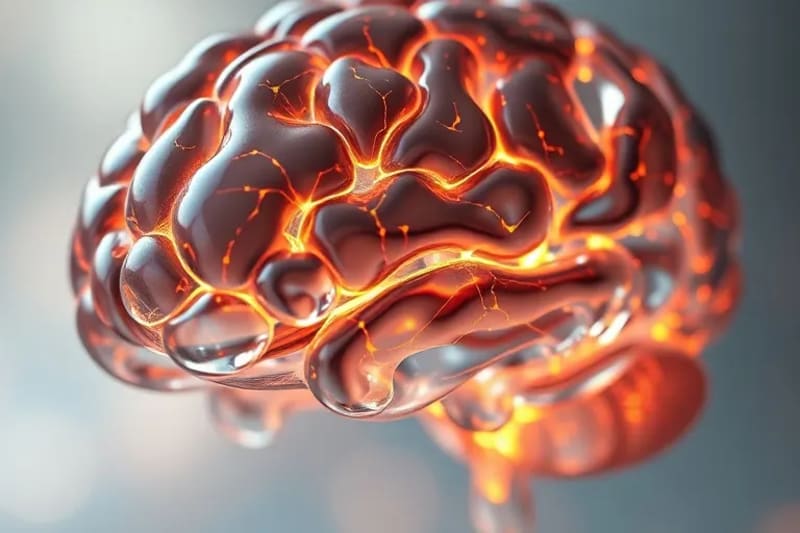
A conceptual illustration of interconnected neural networks, representing how shared laughter facilitates social synchronization and strengthens bonds between individuals.
The release of oxytocin, often triggered by positive social interactions, is enhanced during shared laughter. This hormone promotes feelings of attachment and trust, making individuals feel closer and more connected. Humor also serves as a non-verbal communication tool, signaling friendliness, shared understanding, and a willingness to engage positively with others.
- Increased Trust: People who laugh together tend to trust each other more, which is fundamental for healthy relationships and effective teamwork.
- Conflict Resolution: Humor can diffuse tension and de-escalate conflicts by introducing a lighter perspective, allowing parties to find common ground.
- Group Cohesion: Shared jokes and inside humor create a sense of belonging and identity within groups, strengthening social ties and fostering a positive group dynamic.
- Empathy Enhancement: Understanding and appreciating someone else's humor requires a degree of empathy, as it involves grasping their perspective and emotional state. This practice can enhance overall empathic abilities.
In a world that can sometimes feel isolating, the power of shared laughter to build bridges and strengthen communities is invaluable. It reminds us of our shared humanity and our innate need for connection. The social aspect of humor is a powerful, yet often underestimated, component of mental well-being.
Therapeutic Applications of Humor
Given its profound effects on the brain and body, humor has found its way into various therapeutic applications. Laughter therapy, also known as humor therapy or gelotology, is an emerging field that utilizes humor to promote healing and well-being. This can range from structured group sessions to individual interventions aimed at integrating more laughter into patients' lives.
In clinical settings, humor is used to alleviate pain, reduce anxiety in patients facing medical procedures, and improve the quality of life for individuals with chronic illnesses. For instance, "clown doctors" in pediatric hospitals use humor to distract children from pain and fear, creating a more positive environment. The benefits extend to mental health treatment, where humor can help individuals cope with depression, trauma, and grief by offering a temporary escape and a shift in perspective.
The use of humor in therapy is not about trivializing serious issues but about providing a coping mechanism that empowers individuals to navigate difficult emotions and circumstances with greater resilience. It acknowledges the brain's capacity to find joy even amidst adversity.
Therapeutic humor is also being explored in areas such as geriatric care, where it can improve mood, social interaction, and cognitive function in older adults. For individuals recovering from substance abuse, humor can provide a healthy alternative to coping mechanisms and foster a sense of community among peers. The scientific backing for these applications continues to grow, cementing humor's place as a legitimate therapeutic tool.
Cultivating Humor for Mental Well-being
Given the extensive benefits, actively cultivating a sense of humor and integrating more laughter into daily life is a powerful strategy for enhancing mental well-being. It's not just about waiting for something funny to happen; it's about proactively seeking out and embracing opportunities for mirth. This involves a conscious effort to shift perspective and find lightness in everyday situations.
Developing a "humor mindset" can involve several practical approaches. This might include watching comedies, reading humorous books, spending time with people who make you laugh, or even practicing laughter exercises. Laughter yoga, for example, combines laughter exercises with breathing techniques, demonstrating that even simulated laughter can yield many of the same physiological and psychological benefits as spontaneous laughter.
| Strategy | Description | Mental Health Benefit |
|---|---|---|
| Seek Humorous Content | Watch comedies, read funny books/articles, listen to comedy podcasts. | Regular mood elevation, stress reduction, cognitive stimulation. |
| Engage with Playful People | Spend time with friends, family, or colleagues who have a good sense of humor. | Enhanced social bonding, increased oxytocin, shared positive emotions. |
| Practice Laughter Exercises | Try laughter yoga or simply force a laugh, even if it feels artificial at first. | Triggers endorphin release, reduces cortisol, improves mood regardless of spontaneity. |
| Find Humor in Everyday Life | Cultivate a mindset of looking for the absurd or lighthearted aspects of daily events. | Develops resilience, improves coping mechanisms, shifts perspective. |
The brain is remarkably adaptable, and consistently exposing it to humor can strengthen neural pathways associated with positive emotions and resilience. By consciously choosing to incorporate more laughter into our lives, we can actively shape our mental health, making it more robust and joyful. The neuroscience unequivocally supports the idea that laughter is indeed the best medicine, not just for the soul, but for the brain itself.
In conclusion, the neuroscience of humor offers a compelling narrative about the intricate ways laughter impacts our brain and mental health. From activating reward circuits and releasing beneficial neurotransmitters to reducing stress and enhancing cognitive functions, humor is a multifaceted tool for well-being. Embracing laughter, whether spontaneous or cultivated, is a scientifically backed strategy for a healthier, happier mind.
Explore More Insights:
Technologies for Air Pollution Detection: Precision Monitoring for Health
Global Supply Chain Crisis: Causes, Consequences, Future
Lucid Dreams: Biofeedback, Devices, and Advanced Techniques
Digital Banking Fintech: Future of Financial Services
Nutritional Genomics: Performance Optimization, Scientific Guide
Source: Hybrid content assisted by AI and human editorial supervision.


Comentarios