
Neurofeedback Elite Athletes: Brain Training Performance
The pursuit of excellence in elite sports constantly pushes the boundaries of human potential. While physical training, nutrition, and tactical acumen remain foundational, a new frontier is rapidly gaining prominence: the neuroscience of sport. This interdisciplinary field explores how the brain and nervous system influence athletic performance, recovery, and resilience. At its forefront is advanced biofeedback, a sophisticated set of techniques that empowers athletes to gain conscious control over physiological processes previously considered involuntary. By understanding and manipulating these internal signals, athletes can unlock new levels of focus, manage stress more effectively, and optimize their physical and mental states for peak performance.
This comprehensive guide delves into the intricate world of advanced biofeedback in sports neuroscience, explaining its mechanisms, diverse applications, and transformative benefits for elite athletes. We will explore how cutting-edge technology is being leveraged to provide real-time insights into an athlete's internal state, enabling them to train not just their bodies, but also their brains, for unparalleled success.

An athlete engaged in advanced neurofeedback training, demonstrating the integration of technology and mental conditioning for peak performance.
Table of Contents
- What is Biofeedback in Sports Neuroscience?
- The Science Behind Biofeedback: Bridging Mind and Body
- Key Types of Advanced Biofeedback for Athletes
- Transformative Benefits for Elite Athletes
- Integrating Biofeedback into Training Regimens
- The Future of Biofeedback in Sports Neuroscience
- Challenges and Ethical Considerations
- Conclusion: The Brain as the Ultimate Performance Tool
What is Biofeedback in Sports Neuroscience?
Biofeedback is a mind-body technique that teaches individuals to control physiological responses that are typically involuntary. In the context of sports neuroscience, it involves using electronic sensors to monitor specific bodily functions, such as heart rate, brain activity, muscle tension, or skin temperature. This real-time data is then displayed to the athlete, often through visual or auditory cues, allowing them to observe how their thoughts, emotions, and actions influence these physiological markers.
The core principle is simple: by seeing or hearing their internal states, athletes can learn to consciously adjust them. For instance, if an athlete sees their heart rate spike during a stressful simulation, they can practice relaxation techniques while observing their heart rate normalize. Over time, with consistent practice, this conscious control becomes an automatic skill, enabling athletes to regulate their physiology under pressure, optimize their mental state, and enhance overall performance. It's about empowering athletes with a deeper understanding and command over their own internal operating system.
The Science Behind Biofeedback: Bridging Mind and Body
The effectiveness of biofeedback is rooted in neuroplasticity—the brain's ability to reorganize itself by forming new neural connections throughout life. When an athlete receives feedback about a physiological process, their brain begins to associate certain mental states or strategies with desired physiological changes. This learning process strengthens neural pathways that promote self-regulation.
Key physiological parameters monitored in sports biofeedback include:
- Electroencephalography (EEG) / Neurofeedback: Measures brainwave activity (e.g., alpha, beta, theta, delta waves). Athletes learn to regulate specific brainwave frequencies associated with states like focus, relaxation, or arousal.
- Heart Rate Variability (HRV): Measures the variation in time between heartbeats. High HRV indicates a well-regulated autonomic nervous system, crucial for stress resilience and recovery. Athletes learn breathing techniques to optimize HRV.
- Electromyography (EMG): Measures muscle electrical activity. Athletes learn to identify and reduce excessive muscle tension, which can improve efficiency and prevent injury.
- Galvanic Skin Response (GSR) / Skin Conductance: Measures changes in sweat gland activity, reflecting sympathetic nervous system arousal (stress). Athletes learn to reduce this response to manage anxiety.
- Skin Temperature: Measures peripheral blood flow, often used to assess relaxation (warmer extremities) or stress (cooler extremities).
By providing a mirror to these internal processes, biofeedback facilitates a deeper mind-body connection, allowing athletes to intentionally shift their physiological state to match the demands of their sport. This scientific approach to self-regulation is a game-changer for high-performance individuals.
Key Types of Advanced Biofeedback for Athletes
While the foundational principles remain consistent, advanced biofeedback in sports utilizes several specialized modalities, each targeting different aspects of physiological and psychological regulation.
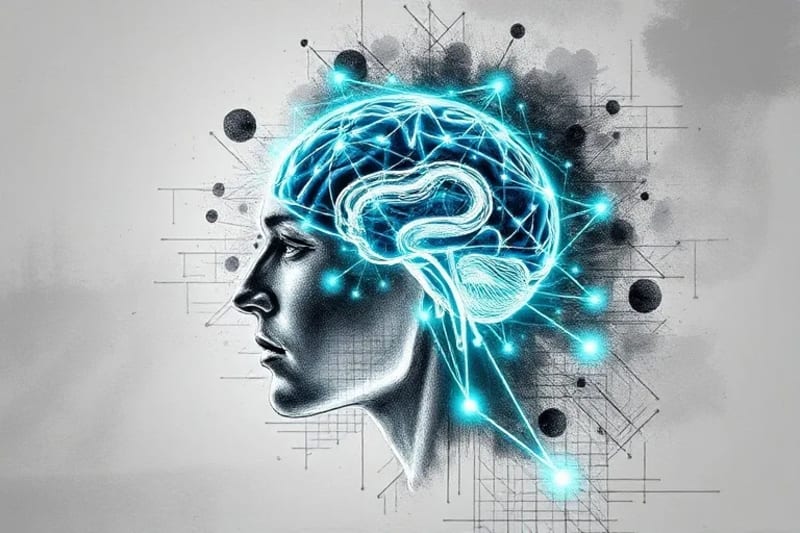
A detailed visualization of biofeedback data, showcasing the intricate interplay of physiological metrics in real-time training.
Neurofeedback (EEG Biofeedback)
Neurofeedback is perhaps the most direct way to train the brain. Athletes wear sensors on their scalp that measure electrical activity (brainwaves). This activity is then translated into a visual or auditory display, such as a video game controlled by brain states. For example, an athlete might be tasked with increasing alpha waves (associated with calm alertness) to make a character fly higher in a game. This direct feedback allows them to learn to produce desired brainwave patterns, leading to:
- Enhanced focus and attention.
- Improved emotional regulation and stress resilience.
- Faster reaction times and decision-making.
- Optimized states for "the zone" or flow state.
Heart Rate Variability (HRV) Biofeedback
HRV biofeedback focuses on training the autonomic nervous system. Athletes learn to breathe at their resonant frequency, which maximizes HRV. This practice strengthens the vagal nerve, enhancing the parasympathetic nervous system's ability to calm the body and mind. Benefits include:
- Reduced anxiety and improved stress management.
- Faster physical and mental recovery.
- Enhanced emotional control under pressure.
- Improved physiological readiness for competition.
Electromyography (EMG) Biofeedback
EMG biofeedback is crucial for sports requiring precise motor control and efficiency. It helps athletes identify and reduce unnecessary muscle tension. This is particularly useful in sports like golf, archery, or shooting, where subtle muscle contractions can significantly impact performance. It also aids in rehabilitation by helping athletes regain control over specific muscles post-injury. Benefits include:
- Improved motor control and precision.
- Reduced energy expenditure due to inefficient movement.
- Faster recovery from muscle fatigue.
- Enhanced injury prevention and rehabilitation outcomes.
These advanced techniques, often used in combination, provide a holistic approach to optimizing an athlete's internal state, moving beyond just physical conditioning to include profound mental and physiological self-mastery. For those interested in broader applications of mental training, exploring topics like lucid dreaming and its potential for consciousness expansion can offer complementary insights into mind-body connections.
Transformative Benefits for Elite Athletes
The application of advanced biofeedback offers a multitude of advantages that directly translate into improved athletic performance and well-being. These benefits are particularly critical at the elite level, where marginal gains can determine victory or defeat.
Enhanced Focus and Concentration
In high-stakes environments, maintaining unwavering focus is paramount. Neurofeedback training helps athletes learn to sustain optimal brainwave patterns associated with deep concentration and selective attention, filtering out distractions. This is invaluable in sports requiring split-second decisions or prolonged periods of intense focus, such as competitive chess, a sport renowned for its mental demands, or precision shooting.
Stress Reduction and Emotional Regulation
Competition often brings immense pressure, leading to anxiety, performance blocks, and choking. Biofeedback, especially HRV and GSR training, equips athletes with tools to rapidly downregulate their stress response. They learn to remain calm, composed, and emotionally stable, even in the most challenging moments, allowing them to execute skills under duress.
Improved Recovery and Sleep Quality
Optimal recovery is as crucial as training itself. HRV biofeedback can accelerate physiological recovery by promoting parasympathetic dominance. Additionally, neurofeedback protocols can improve sleep architecture, leading to deeper, more restorative sleep, which is vital for physical repair, cognitive function, and hormonal balance. This directly impacts an athlete's ability to train harder and adapt more effectively.
Optimized Performance Under Pressure
The ability to perform at one's best when it matters most is the hallmark of an elite athlete. Biofeedback training helps athletes enter and sustain "flow states" or "the zone," characterized by effortless focus, heightened awareness, and peak performance. By learning to consciously access these optimal states, athletes can consistently deliver their best when the stakes are highest.
Injury Prevention and Rehabilitation
EMG biofeedback is invaluable in identifying and correcting dysfunctional movement patterns or excessive muscle tension that could lead to injury. During rehabilitation, it helps athletes regain precise control over injured muscles, accelerating recovery and ensuring proper biomechanics upon return to play. This proactive and reactive approach to physical health is a significant advantage.
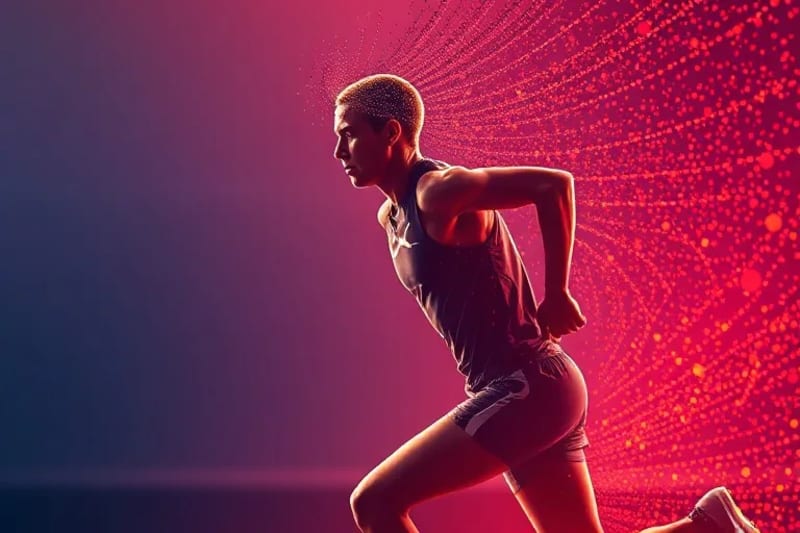
An athlete demonstrating profound mental clarity and focus, embodying the peak cognitive states achievable through advanced biofeedback.
Integrating Biofeedback into Training Regimens
For biofeedback to be truly effective, it must be seamlessly integrated into an athlete's overall training program. This typically involves a collaborative approach between sports psychologists, neuroscientists, coaches, and the athletes themselves.
The process usually begins with an assessment to identify specific areas for improvement, such as anxiety under pressure, difficulty focusing, or poor recovery. Based on this, personalized biofeedback protocols are developed. Sessions can range from focused training in a lab setting to real-time feedback during simulated competitive scenarios. For example, a golfer might practice putting while receiving neurofeedback to maintain a specific brainwave state, or a basketball player might use HRV biofeedback during free throws to manage arousal.
Gradual transfer of skills from the training environment to actual competition is key. Athletes learn to recognize their internal states and apply self-regulation techniques without the need for external feedback devices. This integration ensures that the learned skills become an intrinsic part of their performance toolkit, enhancing their overall athletic intelligence and resilience.
The Future of Biofeedback in Sports Neuroscience
The field of sports neuroscience and biofeedback is rapidly evolving, driven by technological advancements and a deeper understanding of the brain. The future promises even more sophisticated and integrated approaches.
- Wearable Technology: Miniaturized, non-invasive sensors will make biofeedback training more accessible and seamlessly integrated into daily life and training. Smart garments and portable EEG devices are already emerging.
- Artificial Intelligence (AI) and Machine Learning: AI will play a crucial role in analyzing vast amounts of physiological data, identifying optimal individual performance states, and personalizing biofeedback protocols with unprecedented precision. AI can detect subtle patterns that human observers might miss.
- Virtual Reality (VR) and Augmented Reality (AR): Immersive VR/AR environments will create highly realistic training simulations where athletes can practice self-regulation skills under competitive pressure, receiving real-time biofeedback integrated directly into their visual field. This could revolutionize how athletes prepare for specific scenarios.
- Personalized Neuro-Optimization: Future biofeedback will move towards highly individualized "brain maps" and training programs, tailored to an athlete's unique neural profile, sport demands, and psychological makeup. This will allow for truly precision mental training.
These innovations will further blur the lines between physical and mental training, making brain optimization an indispensable component of elite athletic development. The ongoing evolution of technology, much like the advancements seen in mixed reality in architecture for immersive visualization, will provide athletes with unprecedented tools for self-mastery.
Challenges and Ethical Considerations
Despite its immense potential, the widespread adoption of advanced biofeedback in elite sports faces several challenges. Cost can be a significant barrier, as specialized equipment and expert practitioners are often expensive. The need for highly trained professionals to interpret data and design effective protocols is also critical; improper application can yield limited results or even be counterproductive.
Ethical considerations also arise, particularly regarding data privacy and the potential for over-reliance on technology. Ensuring that biofeedback enhances, rather than replaces, an athlete's intrinsic motivation and natural abilities is important. Moreover, the focus should always remain on holistic athlete well-being, not just performance metrics. As with any powerful tool, responsible implementation and ongoing research are essential to maximize its benefits while mitigating potential risks.
Conclusion: The Brain as the Ultimate Performance Tool
Advanced biofeedback represents a paradigm shift in elite sports training, moving beyond purely physical conditioning to embrace the profound influence of the brain and nervous system. By empowering athletes with the ability to consciously regulate their physiological and mental states, biofeedback offers a pathway to unprecedented levels of focus, resilience, and peak performance. It is not merely a training tool but a method for cultivating deeper self-awareness and mastery, transforming athletes into more complete and adaptable competitors.
As sports science continues to evolve, the integration of neuroscientific principles and advanced biofeedback techniques will become increasingly central to the development of world-class athletes. The ultimate frontier in sports performance is not just about pushing physical limits, but about unlocking the full potential of the human mind, making the brain the most powerful performance tool an athlete possesses.
Explore Further
Source: Hybrid content assisted by AI and human editorial supervision.


Comentarios