
Neuro-Labor Rights: Ethical, Legal Challenges in Professional Neurotechnology
The rapid advancement of neurotechnology is poised to revolutionize various aspects of human life, with profound implications for the professional sphere. As devices capable of monitoring, modulating, and even interfacing directly with the human brain become more sophisticated and accessible, a new frontier of ethical and legal challenges emerges. These challenges necessitate the development of "neuro-labor rights," a specialized field dedicated to safeguarding the fundamental rights and well-being of employees in workplaces increasingly influenced by neuroscientific tools.
Neurotechnologies in the workplace range from non-invasive brain-computer interfaces (BCIs) used for enhanced focus or skill acquisition, to neuro-monitoring systems designed to assess cognitive load, emotional states, or even predict performance. While these innovations promise significant gains in productivity, safety, and employee development, they also introduce unprecedented risks to mental privacy, cognitive liberty, and psychological integrity. Understanding these emerging dynamics is crucial for both employers and employees to navigate the future of work responsibly and ethically.
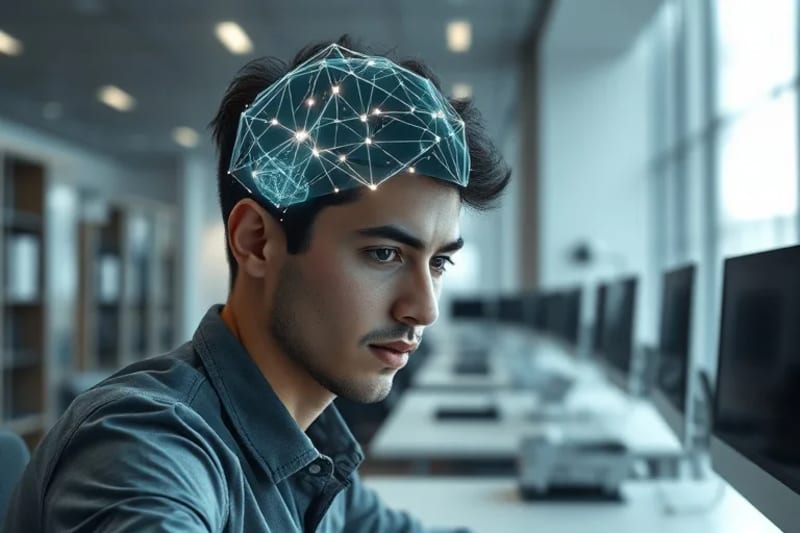 A worker interacts with advanced neurotechnology in a contemporary office setting, highlighting the intersection of human cognition and digital interfaces.
Table of Contents
- Understanding Neurotechnology in the Workplace
- Defining Neuro-Rights in a Labor Context
- Ethical Challenges of Neuro-Labor Rights
- Legal Frameworks and Gaps
- International Perspectives and Initiatives
- Balancing Innovation and Protection
- Future Outlook and Recommendations
Understanding Neurotechnology in the Workplace
Neurotechnology encompasses a broad range of devices and methods that interact directly with the nervous system, particularly the brain. In a professional context, these technologies are being explored for various applications, from enhancing cognitive functions to monitoring employee well-being and performance. The goal is often to improve efficiency, reduce errors, and foster a more adaptive workforce.
Examples of neurotechnologies currently being developed or piloted in workplace settings include brain-computer interfaces (BCIs) that allow users to control computers with their thoughts, neurofeedback systems that train individuals to self-regulate brain activity for improved focus, and wearable sensors that track physiological markers of stress or fatigue. These tools promise a future where human capabilities are augmented, and work environments are optimized to an unprecedented degree.
However, the introduction of such intimate technologies into the workplace environment raises critical questions about consent, data ownership, and the potential for misuse. As these technologies mature, their ability to gather, interpret, and even influence neural data will become increasingly sophisticated, demanding robust ethical guidelines and legal protections. For a deeper dive into the ethical considerations surrounding advanced neurotechnologies, consider exploring topics like Neurotechnologies Biohacking: Ethics, Privacy, Future.
Defining Neuro-Rights in a Labor Context
Neuro-rights are a new category of human rights specifically designed to address the ethical and societal challenges posed by neurotechnology. While still an evolving concept, leading experts and international bodies have proposed several core neuro-rights that are particularly relevant to the labor context. These rights aim to protect individuals from potential harms and ensure equitable access to the benefits of neurotechnological advancements.
- Right to Mental Privacy: This right protects individuals from unauthorized access, collection, use, or manipulation of their neural data. In the workplace, this means preventing employers from accessing an employee's thoughts, emotions, or cognitive processes without explicit, informed, and revocable consent.
- Right to Cognitive Liberty: This ensures individuals have the freedom to control their own mental processes and make autonomous decisions about their neural activity. It safeguards against coercive neuro-enhancements or any interventions that might alter an employee's personality or cognitive functions against their will.
- Right to Psychological Continuity: This right protects an individual's sense of self and identity from being altered or disrupted by neurotechnological interventions. It addresses concerns about technologies that could fundamentally change an employee's personality or memories.
- Right to Identity: Closely related to psychological continuity, this right ensures that neurotechnologies do not compromise an individual's unique sense of self, particularly in how their neural data might be used to define or categorize them.
- Right to Fair Access to Neuro-Augmentation: This right advocates for equitable distribution of beneficial neurotechnologies, preventing a "neuro-divide" where only a privileged few can access enhancements that improve career prospects or quality of life.
These rights form the bedrock upon which future labor policies and legal frameworks for neurotechnology must be built. They highlight the need for a precautionary approach, ensuring that technological progress does not come at the expense of fundamental human dignity and autonomy in the workplace.
Ethical Challenges of Neuro-Labor Rights
The application of neurotechnology in the workplace introduces a myriad of ethical challenges that extend beyond traditional privacy concerns. These issues demand careful consideration to prevent potential abuses and ensure a humane working environment. The intimate nature of neural data makes these challenges particularly complex.
- Informed Consent and Coercion: Obtaining truly informed consent for neurotechnological use in a hierarchical employer-employee relationship is inherently difficult. Employees might feel pressured to comply to avoid negative career repercussions, even if they have reservations about having their brain activity monitored or modulated.
- Discrimination and Bias: Neural data, if improperly interpreted or used, could lead to new forms of discrimination based on cognitive profiles, emotional predispositions, or even perceived "neuro-divergence." This could create unfair hiring practices or career advancement barriers.
- Surveillance and Control: Neuro-monitoring technologies could enable unprecedented levels of workplace surveillance, potentially leading to a loss of autonomy and a constant feeling of being watched. This could stifle creativity, reduce job satisfaction, and lead to increased stress.
- Manipulation and Influence: The most concerning ethical challenge involves technologies that could actively influence or manipulate an employee's cognitive or emotional states. This raises serious questions about free will and the integrity of individual decision-making in the workplace.
- Data Security and Misuse: Neural data is highly sensitive and personal. Breaches of such data could have devastating consequences for individuals, potentially exposing intimate thoughts, vulnerabilities, or even medical conditions.
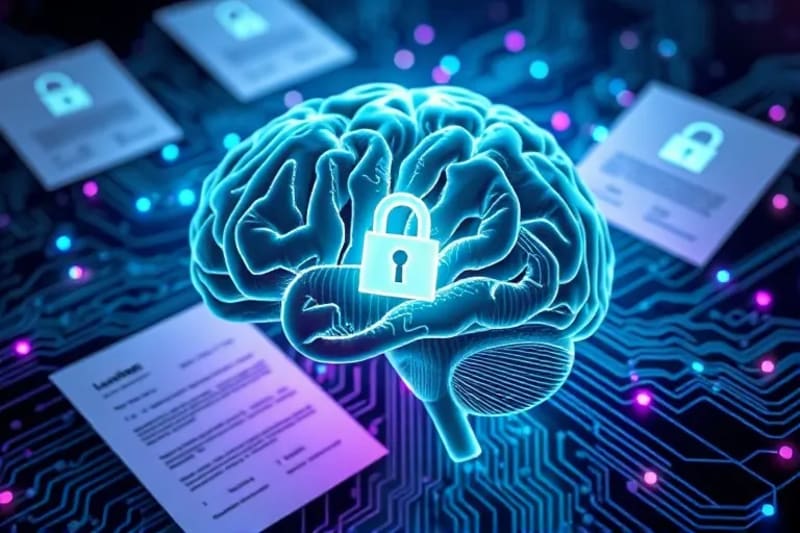 A conceptual artwork illustrating the intricate connection between the human brain and technological systems, highlighting the ethical dilemmas involved.
Addressing these ethical concerns requires a multi-faceted approach, combining robust regulatory frameworks, transparent corporate policies, and ongoing public discourse. The goal is not to stifle innovation but to guide it in a direction that respects human rights and promotes well-being. The ethical implications of technology in the workplace are not new, with parallels in the discussions surrounding AI Labor Laws: Rights, Duties, Future of Work, which can offer valuable insights.
Legal Frameworks and Gaps
Current legal frameworks, such as data protection laws (e.g., GDPR), labor laws, and human rights conventions, offer some foundational protections that can be applied to neurotechnology. However, these existing laws were not designed with the unique challenges of neural data in mind, leading to significant gaps that need to be addressed. The highly sensitive and intimate nature of brain data requires specific legal provisions.
For instance, while GDPR provides strong protections for personal data, it may not adequately cover the nuances of neural data, particularly when it comes to inferring thoughts or intentions. Labor laws typically focus on physical safety, fair wages, and non-discrimination, but they rarely address the mental and cognitive integrity of employees. The absence of clear legal definitions for "neural data" or "cognitive liberty" leaves a regulatory void.
Legislators worldwide are beginning to recognize these gaps. Chile, for example, has been a pioneer in proposing constitutional amendments to protect neuro-rights, aiming to safeguard mental integrity and the right to mental privacy. Similar discussions are taking place in the European Union and other jurisdictions, indicating a growing awareness of the need for specialized legal instruments. The development of new legal precedents and interpretations will be critical in shaping the future of neuro-labor rights.
Proposed Constitutional Amendment on Neuro-Rights (Chile, 2021):
"The law shall protect the integrity and mental privacy and also the right to cognitive liberty. Neurotechnologies shall be developed and applied in accordance with the law, respecting the dignity and fundamental rights of the individual."
International Perspectives and Initiatives
The global nature of technology development and the interconnectedness of labor markets mean that neuro-labor rights cannot be addressed in isolation. International cooperation and the establishment of common standards are essential to prevent regulatory arbitrage and ensure universal protection for workers. Various international organizations and academic initiatives are actively engaged in this effort.
The United Nations, UNESCO, and the Council of Europe have all initiated discussions and studies on the ethical implications of neurotechnology. These bodies are working to develop recommendations and guidelines that can inform national legislation. Academics and advocacy groups are also playing a crucial role, raising awareness and pushing for the inclusion of neuro-rights in international human rights discourse.
 An abstract visualization depicting the intricate balance between technological advancement and the imperative to safeguard individual mental privacy and identity.
The goal is to create a harmonized approach that respects cultural diversity while upholding universal human rights principles. This includes fostering open dialogue among scientists, ethicists, lawyers, policymakers, and the public to collectively shape the future of neurotechnology in a way that benefits humanity without compromising individual autonomy. The challenges in this area mirror those in other advanced technological fields, such as those discussed in Brain-Machine Interfaces: Therapies, Advances, Ethics, which delves into similar ethical considerations.
Balancing Innovation and Protection
Achieving a balance between fostering technological innovation and ensuring robust protection for workers' neuro-rights is a delicate but essential task. Overly restrictive regulations could stifle the development of beneficial technologies, while a lack of oversight could lead to exploitation and harm. A proactive and adaptive regulatory approach is therefore necessary.
This balance can be achieved through several mechanisms. Firstly, ethical guidelines should be integrated into the research and development phases of neurotechnologies, promoting "ethics by design." Secondly, regulatory sandboxes and pilot programs can allow for controlled experimentation and iterative policy development. Thirdly, continuous monitoring and assessment of the societal impact of neurotechnologies are crucial for adapting regulations as the technology evolves.
Furthermore, education and awareness campaigns are vital to empower both employers and employees. Workers need to understand their rights and the implications of neurotechnology, while employers need to be aware of their responsibilities and the ethical considerations involved. Transparent communication and clear policies regarding the use of neurotechnology in the workplace will build trust and facilitate responsible adoption.
Future Outlook and Recommendations
The future of neurotechnology in the workplace is undoubtedly promising, offering potential for enhanced human capabilities and optimized work environments. However, realizing this potential responsibly hinges on the proactive development and implementation of comprehensive neuro-labor rights. The stakes are high, as these technologies touch upon the very essence of human identity and autonomy.
Key recommendations for navigating this evolving landscape include:
- Develop Specific Legislation: Governments must enact dedicated laws and constitutional amendments to define and protect neuro-rights, ensuring they are explicitly addressed beyond existing data protection or labor laws.
- Foster International Collaboration: International bodies and nations should work together to establish global standards and best practices for neurotechnology development and deployment in the workplace.
- Promote Ethical Design: Developers of neurotechnologies should integrate ethical considerations, privacy by design, and human-centric principles from the outset.
- Educate and Empower: Comprehensive educational programs are needed for workers, employers, and policymakers to understand the benefits, risks, and rights associated with neurotechnology.
- Ensure Independent Oversight: Establish independent oversight bodies responsible for monitoring the ethical use of neurotechnologies and investigating potential abuses.
By adopting these measures, society can harness the transformative power of neurotechnology while safeguarding the fundamental rights and dignity of every individual in the professional realm. The journey to fully integrate neuro-labor rights into our legal and ethical frameworks is just beginning, but it is a critical step towards a more just and human-centered future of work.
Fuente: Contenido híbrido asistido por IAs y supervisión editorial humana.


Comentarios