
AI Preventive Medicine: Diagnosis, Longevity, Personalized Treatments
Artificial Intelligence (AI) is rapidly transforming various sectors, and its impact on healthcare, particularly preventive medicine, is profound and ever-expanding. By leveraging vast datasets and advanced algorithms, AI offers unprecedented capabilities to predict, prevent, and personalize healthcare interventions, moving beyond traditional reactive approaches to a proactive model of health management. This shift promises to enhance diagnostic accuracy, extend healthy lifespans, and tailor treatments to individual needs, fundamentally reshaping how we approach well-being.
The integration of AI into preventive medicine encompasses a wide array of applications, from early disease detection through sophisticated analytical tools to the development of highly individualized health plans. This article explores the multifaceted ways AI is revolutionizing preventive care, focusing on its role in diagnosis, promoting longevity, and enabling personalized treatments, while also addressing the challenges and ethical considerations that accompany this technological evolution.

Visualizing the intricate interplay of data, technology, and predictive analytics that define the future of AI in healthcare.
Source: Visual content subject to ecosystem availability: Wikimedia Commons under CC BY-SA 4.0 license or conceptual AI rendering.Table of Contents
- AI for Early Disease Diagnosis and Risk Prediction
- Personalized Treatment Plans and Precision Medicine
- Enhancing Longevity and Healthy Aging
- Challenges and Ethical Considerations
- The Future Outlook of AI in Preventive Medicine
AI for Early Disease Diagnosis and Risk Prediction
One of the most critical contributions of AI to preventive medicine lies in its capacity for early disease diagnosis and accurate risk prediction. Traditional diagnostic methods often rely on symptomatic presentation, which means diseases are sometimes identified at advanced stages, limiting treatment efficacy. AI, however, can process vast amounts of data—including genetic information, medical imaging, electronic health records, and even wearable device data—to identify subtle patterns and biomarkers indicative of disease long before symptoms appear.
For instance, machine learning algorithms can analyze mammograms with greater accuracy than the human eye, detecting early signs of breast cancer. Similarly, AI can predict the risk of cardiovascular diseases by analyzing a patient's lifestyle, genetic predispositions, and clinical history, enabling timely interventions. This predictive power extends to neurological disorders like Alzheimer's, where AI can identify early markers in brain scans or cognitive tests, offering a window for early therapeutic strategies.
- Image Analysis: AI excels in interpreting complex medical images (X-rays, MRIs, CT scans) to detect anomalies that might be missed by human observers.
- Genomic Sequencing: Analyzing an individual's genetic code to identify predispositions to certain diseases, guiding personalized preventive measures.
- Predictive Analytics: Using historical patient data to forecast disease outbreaks, progression, and individual risk profiles.
- Wearable Devices: Continuous monitoring of vital signs and activity levels to detect deviations from baseline, signaling potential health issues.
The ability to diagnose diseases at their nascent stages significantly improves patient outcomes and reduces the burden on healthcare systems. By identifying high-risk individuals, healthcare providers can implement targeted screening programs and preventive strategies, shifting the focus from treatment to proactive health management. This proactive stance is essential for managing chronic conditions and improving overall public health. Furthermore, ensuring the security of this sensitive data is paramount, often relying on advanced cryptographic methods, similar to those discussed in AES: Symmetrical Cryptography and Quantum Resistance.
Personalized Treatment Plans and Precision Medicine
Beyond diagnosis, AI is central to the realization of precision medicine, where treatments are tailored to the individual characteristics of each patient. This paradigm shift moves away from a "one-size-fits-all" approach, recognizing that genetic makeup, lifestyle, environment, and even microbiome can influence disease progression and response to therapy. AI algorithms can synthesize these diverse data points to recommend the most effective interventions, minimizing adverse effects and maximizing therapeutic benefits.
For instance, in oncology, AI can analyze a patient's tumor genomics to predict which chemotherapy drugs will be most effective or identify eligibility for targeted therapies. In chronic disease management, AI-powered platforms can monitor patient adherence to medication, suggest dietary adjustments, and recommend exercise routines based on real-time data from wearable devices. This level of personalization ensures that each patient receives care optimized for their unique biological and lifestyle profile.
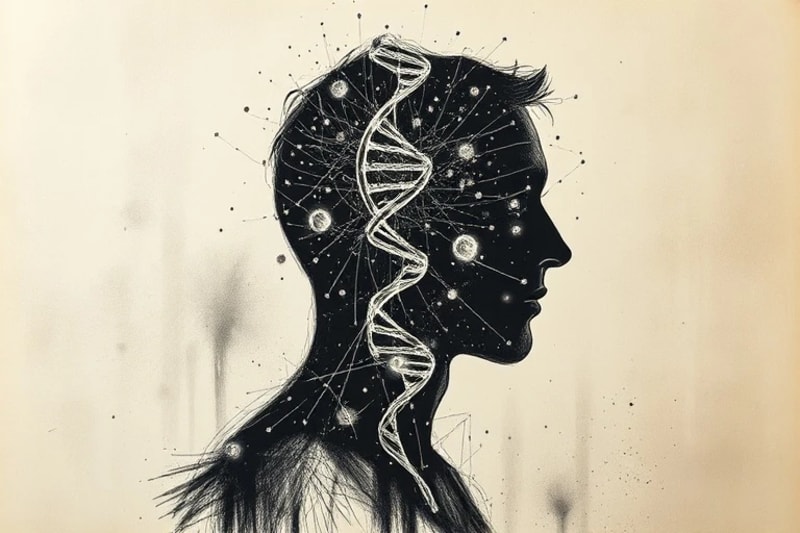
Conceptual representation of how AI integrates diverse personal data to craft bespoke health interventions.
The development of personalized treatment plans also extends to preventive strategies. For individuals with a high genetic risk for certain conditions, AI can recommend specific lifestyle modifications, dietary changes, or proactive screenings. This proactive, personalized approach is a cornerstone of modern preventive medicine, offering a path to better health outcomes and a higher quality of life. The ethical implications of such advanced algorithms, especially concerning fairness and bias, are critical, echoing discussions around Sombra Arquetípica: Integración Junguiana, Impacto Kármico Profundo, albeit in a medical context.
Moreover, AI systems can assist clinicians in making more informed decisions by providing evidence-based recommendations derived from the latest research and clinical trials. This support system can enhance diagnostic accuracy and treatment efficacy, especially in complex cases where multiple factors are at play. The continuous learning capabilities of AI ensure that these systems evolve and improve over time, incorporating new medical knowledge and patient data.
Enhancing Longevity and Healthy Aging
The promise of AI in preventive medicine goes hand-in-hand with the goal of enhancing longevity and promoting healthy aging. By enabling early detection and personalized interventions, AI helps manage chronic diseases more effectively, reduce the incidence of age-related conditions, and ultimately extend the period of healthy, active life. This is not merely about increasing lifespan but about improving healthspan—the number of years lived in good health.
AI contributes to longevity through several mechanisms:
| AI Application | Impact on Longevity/Healthy Aging |
|---|---|
| Predictive Biomarkers | Identifies early signs of aging-related diseases (e.g., neurodegeneration, cardiovascular decline) allowing for proactive measures. |
| Personalized Nutrition & Exercise | Recommends tailored diets and physical activity plans based on individual metabolism, genetics, and health goals. |
| Drug Discovery & Repurposing | Accelerates the identification of compounds that can mitigate aging processes or treat age-related conditions. |
| Remote Monitoring & Telemedicine | Enables continuous health surveillance for older adults, providing timely alerts and reducing hospitalizations. |
| Mental Health Support | AI-powered chatbots and analytical tools can detect early signs of cognitive decline or mental health issues, offering support and intervention. |
The continuous monitoring capabilities of AI, often integrated with the Internet of Things (IoT) and big data analytics, provide a comprehensive view of an individual's health trajectory. This allows for dynamic adjustments to preventive strategies, ensuring they remain effective as a person ages. The synergy between AI, Big Data, and IoT is particularly evident in the field of Preventive Medicine Future: AI, Big Data, IoT Active Aging, highlighting the holistic approach to health management.

An abstract visualization of how AI processes vast data streams to generate predictive insights for healthcare.
Challenges and Ethical Considerations
Despite the immense potential, the widespread adoption of AI in preventive medicine faces several significant challenges and ethical considerations. Data privacy and security are paramount, as AI systems often rely on highly sensitive patient information. Robust cybersecurity measures are essential to protect against breaches and ensure patient trust. The discussion around Cybersecurity Teleworking: Protecting Remote Information Effectively offers relevant insights into securing digital environments, which are equally applicable to healthcare data.
Another critical concern is algorithmic bias. If AI models are trained on biased datasets, they may perpetuate or even amplify existing health disparities, leading to inequitable care for certain demographic groups. Ensuring fairness, transparency, and accountability in AI algorithms is crucial to prevent such outcomes. Regulatory frameworks must evolve to keep pace with technological advancements, addressing issues of liability, data ownership, and the responsible deployment of AI in clinical settings.
- Data Privacy: Protecting sensitive patient data from unauthorized access and misuse.
- Algorithmic Bias: Ensuring AI models are fair and do not perpetuate health disparities.
- Regulatory Frameworks: Developing laws and guidelines for the ethical and safe use of AI in healthcare.
- Interoperability: Integrating diverse data sources and AI systems across different healthcare providers.
- Physician-AI Collaboration: Defining the optimal balance between human expertise and AI assistance.
The integration of AI also requires a skilled workforce capable of understanding, implementing, and managing these advanced technologies. Training healthcare professionals in AI literacy and data science will be essential to fully harness the benefits of this revolution. Addressing these challenges proactively will ensure that AI serves as a tool for universal health improvement rather than exacerbating existing inequalities.
The Future Outlook of AI in Preventive Medicine
The future of AI in preventive medicine is incredibly promising, with ongoing advancements continually expanding its capabilities. We can anticipate even more sophisticated AI models that integrate real-time environmental data, social determinants of health, and advanced genomic insights to create truly holistic health profiles. The development of digital twins—virtual replicas of individuals that simulate health outcomes—could revolutionize personalized risk assessment and treatment planning.
Furthermore, AI's role in drug discovery and vaccine development will likely accelerate, leading to faster identification of new therapeutic targets and more efficient clinical trials. The continuous evolution of AI will also foster more proactive patient engagement, empowering individuals with personalized health insights and tools to manage their well-being effectively. The potential for AI to democratize access to high-quality preventive care, especially in underserved populations, is immense.
As AI technologies mature, they will become indispensable allies for healthcare providers, enabling them to deliver more precise, proactive, and personalized care. The ultimate goal is to create a healthcare system that not only treats illness but actively promotes health and prevents disease, ensuring a better quality of life for everyone. This transformative journey requires sustained investment, ethical foresight, and collaborative efforts across technology, medicine, and policy.
Related Searches & Further Reading
Source: Hybrid content assisted by AI and human editorial supervision.


Comentarios