
Biohacking Longevity Extreme: Genomic Cellular Strategies
The quest for extended human lifespan and enhanced vitality has transcended the realm of science fiction, evolving into a rigorous scientific discipline known as extreme longevity biohacking. This field combines cutting-edge genomic and cellular strategies with personalized interventions to optimize biological functions, aiming not just to prolong life, but to extend healthspan – the period of life spent in good health, free from chronic disease and disability. It represents a proactive, data-driven approach to health, moving beyond traditional reactive medicine.
Table of Contents
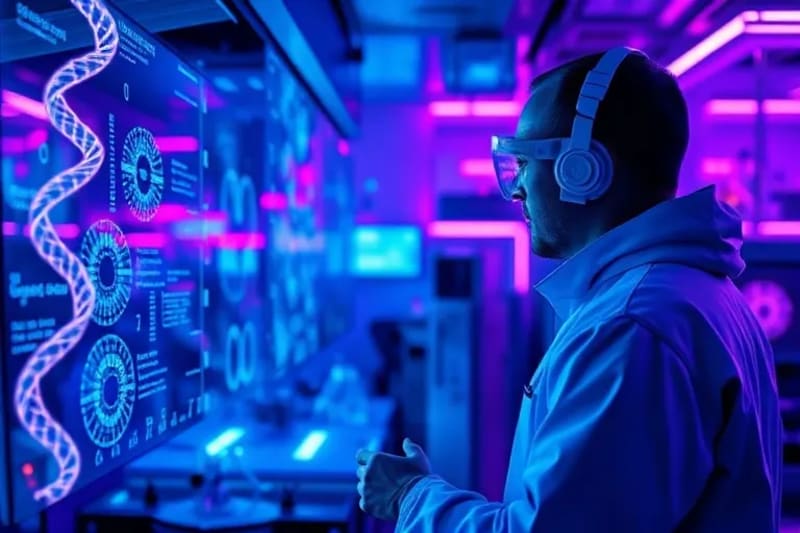
A conceptual visualization of a cutting-edge biohacking laboratory, where genomic and cellular strategies converge to unlock the secrets of extreme longevity.
Biohacking for extreme longevity involves a multidisciplinary approach, integrating insights from genetics, molecular biology, nutrition, exercise physiology, and even psychology. The core principle is to understand the mechanisms of aging at a fundamental level and then to intervene strategically to slow, halt, or even reverse these processes. This endeavor is supported by a growing body of scientific evidence, moving it firmly into the realm of evidence-based practice rather than mere speculation.
The Scientific Foundation of Extreme Longevity
Understanding the scientific underpinnings of aging is paramount to developing effective longevity strategies. Aging is not a single process but a complex interplay of various molecular and cellular damages that accumulate over time. Key theories of aging provide the targets for biohacking interventions, guiding researchers and individuals alike in their pursuit of extended healthspan.
One prominent theory centers on telomeres, the protective caps at the ends of chromosomes. Each time a cell divides, telomeres shorten, eventually leading to cellular senescence or apoptosis (programmed cell death). Strategies aimed at preserving or even lengthening telomeres are a significant area of research. Another critical aspect is cellular senescence itself, where cells stop dividing but remain metabolically active, secreting pro-inflammatory molecules that damage surrounding tissues and contribute to age-related diseases.
Furthermore, epigenetic alterations play a crucial role. These are changes in gene expression that do not involve alterations to the underlying DNA sequence but can significantly impact how genes are read and translated. Over time, epigenetic "noise" accumulates, disrupting cellular function. Other theories involve mitochondrial dysfunction, proteostasis imbalance (the inability to properly manage protein synthesis and degradation), and chronic inflammation, all contributing to the multifaceted nature of aging.
Genomic Strategies: Editing the Blueprint of Life
Genomic biohacking represents the frontier of longevity science, focusing on directly manipulating the genetic code to prevent or reverse age-related decline. Advances in gene-editing technologies, such as CRISPR-Cas9, offer unprecedented precision in modifying DNA sequences. While still largely experimental in humans for longevity purposes, these tools hold immense promise for correcting genetic predispositions to age-related diseases.
CRISPR-Cas9 allows scientists to target specific genes associated with aging pathways, such as those involved in DNA repair, metabolism, or inflammation. For instance, researchers are exploring gene therapies to enhance the activity of genes linked to longevity, like those encoding sirtuins or FOXO transcription factors. The goal is to optimize cellular resilience and repair mechanisms from within, fundamentally altering the aging trajectory.
Personalized medicine, informed by individual genetic sequencing, is another cornerstone of genomic longevity. By understanding an individual's unique genetic makeup, tailored interventions can be designed to mitigate specific risks and capitalize on genetic strengths. This includes dietary recommendations, exercise regimens, and even targeted supplement protocols based on genetic variants. The role of Quantum AI in climate modeling and other complex systems suggests that similar computational power will be essential for interpreting vast genomic datasets to personalize these approaches effectively.
Mitochondrial DNA (mtDNA) is particularly vulnerable to damage and plays a critical role in energy production and cellular health. Mutations and deletions in mtDNA accumulate with age, contributing to cellular dysfunction. Genomic strategies are investigating ways to protect mtDNA, enhance mitochondrial biogenesis (the creation of new mitochondria), and improve mitochondrial function, which is vital for maintaining high energy levels and preventing age-related decline.
Cellular Biohacking: Targeting the Building Blocks
Beyond the genome, cellular biohacking focuses on optimizing the function and integrity of individual cells. This involves a range of interventions designed to clear damaged cells, enhance cellular repair, and promote regeneration. These strategies often leverage natural biological processes or introduce compounds that mimic their effects.
An artistic representation of cellular repair and regeneration, highlighting the dynamic processes within our biological building blocks.
Senolytics and senomorphics are classes of compounds designed to address cellular senescence. Senolytics selectively destroy senescent cells, while senomorphics alter their secretory phenotype, reducing their harmful impact. Research in this area, particularly with compounds like fisetin and quercetin, has shown promising results in animal models, extending lifespan and improving health markers.
Autophagy activation is another critical cellular strategy. Autophagy is the body's natural process of clearing out damaged cells and cellular components, recycling them for energy or new building blocks. It's a fundamental mechanism for cellular maintenance and rejuvenation. Interventions like intermittent fasting, prolonged fasting, and certain compounds (e.g., spermidine, resveratrol) are known to stimulate autophagy, contributing to cellular health and longevity.
Stem cell therapies represent a powerful regenerative approach. By introducing new, healthy stem cells or stimulating the body's own stem cell populations, it's possible to repair damaged tissues and organs, effectively reversing some aspects of age-related degeneration. While still in early stages for broad longevity applications, stem cell research holds immense potential for future treatments.
Furthermore, the role of NAD+ precursors (Nicotinamide Adenine Dinucleotide) like NMN (Nicotinamide Mononucleotide) and NR (Nicotinamide Riboside) has garnered significant attention. NAD+ is a crucial coenzyme involved in hundreds of metabolic processes, including energy production and DNA repair. Its levels decline with age, and supplementation with precursors aims to boost NAD+ levels, thereby enhancing cellular function and activating sirtuins, a family of proteins linked to longevity.
Epigenetic Modulation and Lifestyle Interventions
While genomic strategies target the DNA sequence itself, epigenetic modulation focuses on controlling gene expression without altering the underlying code. Lifestyle choices are powerful epigenetic modifiers, making them accessible and fundamental components of any longevity biohacking regimen. These interventions can significantly influence how our genes are expressed, impacting our health and aging process.
Dietary strategies are at the forefront of epigenetic biohacking. Caloric restriction, for example, has been consistently shown to extend lifespan in various organisms by activating sirtuins and other longevity pathways. Intermittent fasting and time-restricted eating mimic some of the benefits of caloric restriction, promoting cellular repair and metabolic flexibility. Ketogenic diets, which shift the body's metabolism to burn fat for fuel, also have epigenetic effects, potentially reducing inflammation and improving mitochondrial function. For instance, understanding the history of coffee reveals how dietary habits have long influenced human societies, and now, specific dietary patterns are being scientifically optimized for longevity.
Regular exercise is another potent epigenetic modulator, affecting gene expression related to inflammation, metabolism, and cellular repair. Both aerobic and resistance training contribute to maintaining muscle mass, bone density, and cardiovascular health, all crucial for healthspan. Exercise also stimulates the production of myokines, signaling molecules that have systemic anti-aging effects.
Sleep optimization is often underestimated but is critical for cellular repair and hormonal balance. Disruptions to circadian rhythms and chronic sleep deprivation accelerate aging processes. Biohacking sleep involves optimizing sleep environment, timing, and duration to ensure restorative rest. Similarly, effective stress management techniques, such as mindfulness and meditation, can mitigate the detrimental effects of chronic stress on cellular health and epigenetic integrity. The impact of external factors like noise pollution on mental health underscores the importance of managing environmental stressors for overall well-being and longevity.
Emerging Technologies and Future Prospects
The field of extreme longevity biohacking is rapidly evolving, driven by innovations in artificial intelligence, biotechnology, and materials science. These emerging technologies promise to revolutionize our ability to understand, monitor, and intervene in the aging process with unprecedented precision and efficacy.
A futuristic holographic interface displaying complex biological pathways, symbolizing the integration of AI and advanced bio-monitoring in longevity research.
Artificial intelligence (AI) and machine learning (ML) are becoming indispensable tools for personalized longevity plans. AI can analyze vast datasets from genomics, proteomics, metabolomics, and wearable sensors to identify individual aging biomarkers and predict disease risk. This allows for highly personalized and dynamic interventions, adapting as an individual's biological state changes. AI algorithms can also accelerate drug discovery for senolytics and other longevity compounds.
Organ regeneration and synthetic biology hold the promise of replacing or repairing damaged organs, a major limitation to current human lifespan. Advances in 3D bioprinting, for example, are making it possible to create functional tissues and even rudimentary organs. Synthetic biology aims to design and engineer new biological parts, devices, and systems, or to redesign existing natural biological systems for useful purposes, including enhancing cellular resilience and longevity.
Nanotechnology offers the potential for targeted drug delivery and cellular repair at the molecular level. Nanobots or nanoparticles could deliver longevity compounds directly to senescent cells, repair DNA damage, or even perform intricate cellular maintenance tasks. While still largely theoretical, the integration of nanotechnology into biohacking promises a future where interventions are incredibly precise and minimally invasive. The complex management of agile multicloud DevOps projects provides a parallel for the intricate coordination required to bring these advanced scientific endeavors to fruition.
Ethical Considerations and Societal Impact
As the science of extreme longevity progresses, it brings forth profound ethical, social, and economic questions that demand careful consideration. The prospect of significantly extending human lifespan challenges existing societal structures and raises concerns about equity and access.
One of the most pressing concerns is accessibility and equity. If extreme longevity interventions become available, will they be accessible to everyone, or will they exacerbate existing health disparities, creating a divide between those who can afford to live longer and those who cannot? This raises questions about social justice and the fundamental right to health. Ensuring that these technologies benefit all of humanity, not just a privileged few, will be a critical challenge.
Overpopulation concerns are frequently raised, though often countered by arguments that extended healthspan might lead to lower birth rates and more sustainable resource management due to a more experienced and stable population. Nonetheless, the environmental and resource implications of a larger, older population need careful planning and innovative solutions, potentially including sustainable practices like those found in green coding and sustainable software development.
The very definition of "quality of life" in an era of extreme longevity needs re-evaluation. What does it mean to live for 150 or 200 years? Will society adapt to provide meaningful roles, purpose, and social connections for individuals across such extended lifespans? These questions delve into philosophy, psychology, and sociology, requiring interdisciplinary dialogue to shape a future where extreme longevity is not just possible but also desirable and beneficial for all.
In conclusion, biohacking for extreme longevity is a dynamic and rapidly advancing field that promises to redefine the human experience. By integrating genomic, cellular, and epigenetic strategies with cutting-edge technologies and mindful lifestyle choices, humanity is moving closer to unlocking the full potential of a prolonged and vibrant healthspan. However, the journey also necessitates a thoughtful engagement with the ethical and societal implications, ensuring that this profound scientific endeavor ultimately serves the greater good.
Explore Further: Related Insights
- Administrator in Insolvency: Role in Business Restructuring
Understand the critical function of an insolvency administrator in guiding companies through financial distress and restructuring processes.
- Advanced Digital Minimalism: Zero-Distraction Strategies
Discover techniques to optimize your digital environment for enhanced focus and productivity by minimizing unnecessary distractions.
- Polar Explorers: Courage, Survival in Earth's Extremes
Delve into the incredible stories of resilience and human endeavor in the harshest environments on Earth, showcasing the spirit of exploration.
- Astrology Sacred Geometry Art Cosmic Patterns Inspiration
Uncover the profound connections between celestial movements, sacred geometric forms, and their influence on artistic expression and spiritual understanding.
Source: Hybrid content assisted by AI and human editorial supervision.


Comentarios