
Michael Jackson Digital Music Revolution Synthesizers DAWs
Michael Jackson's unparalleled artistry extended far beyond his captivating dance moves and distinctive vocal range. He was a true pioneer in the realm of music production, particularly in his innovative adoption and mastery of digital technologies. His work during the 1980s and early 1990s, especially with synthesizers and Digital Audio Workstations (DAWs), didn't just define his sound; it fundamentally reshaped the landscape of popular music for decades to come. This article delves into how the "King of Pop" leveraged these cutting-edge tools to craft his iconic sound, influencing countless artists and producers in the process.
Table of Contents
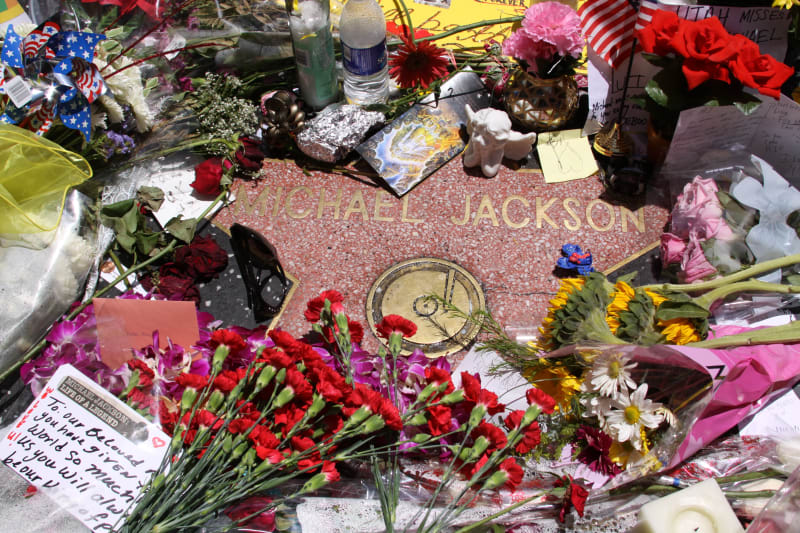
The legendary artist during his groundbreaking Thriller era, a period marked by unprecedented musical and technological innovation.
The Dawn of Digital Sound: Synthesizers and Samplers
The late 1970s and early 1980s heralded a new era in music technology with the advent of sophisticated synthesizers and samplers. Artists and producers began experimenting with these electronic instruments, moving beyond traditional acoustic sounds to explore vast new sonic textures. For the iconic performer, this technological shift provided a boundless canvas for his creative vision. He, alongside his visionary producers like Quincy Jones and sound engineers such as Bruce Swedien, embraced these tools wholeheartedly, integrating them into his sound design with unparalleled finesse.
Key to this revolution was the introduction of instruments such as the Fairlight CMI and the Synclavier. These early digital synthesizers and sampling workstations were incredibly expensive and complex, but they offered capabilities previously unimaginable. The Fairlight CMI, for instance, allowed for digital sampling, enabling the capture and manipulation of real-world sounds, which could then be integrated into compositions. This was a radical departure from analog synthesis, offering a new palette of timbres. The Synclavier, on the other hand, was renowned for its advanced synthesis capabilities and sequencing features, providing a powerful platform for complex arrangements and sound design.
Beyond these high-end machines, more accessible synthesizers like the Yamaha DX7 and the Roland Jupiter-8 also played crucial roles. The DX7, with its groundbreaking FM synthesis, offered a distinct, glassy, and metallic sound that became a signature of 80s pop. The Jupiter-8, an analog polyphonic synthesizer, provided warm, rich pads and leads. The pop icon's team expertly blended these diverse sonic characteristics, creating a unique hybrid sound that was both futuristic and deeply soulful. This meticulous attention to sound design ensured that every element served a purpose, contributing to the overall emotional impact and groove of the music. This era marked a significant departure from purely analog recording techniques, paving the way for future innovations.
The application of sampling extended beyond just percussive elements or short melodic phrases. It allowed for the creation of entirely new instrumental textures, blending acoustic and electronic sounds in ways that blurred traditional boundaries. This approach was not just about novelty; it was about achieving a specific emotional resonance and rhythmic drive that defined the era. The meticulous selection and processing of these samples, often through extensive experimentation, underscored the artist's commitment to sonic perfection.
Revolutionizing Production with DAWs
As technology advanced, Digital Audio Workstations (DAWs) began to emerge, transforming the recording studio into a more flexible and powerful environment. While early DAWs were rudimentary compared to today's software, their foundational principles of non-linear editing, multi-track recording, and MIDI sequencing were revolutionary. The celebrated artist and his team were quick to adopt these nascent systems, understanding their potential to achieve an unprecedented level of sonic perfection and creative control. This foresight allowed them to push the boundaries of what was technically feasible in music production.
The transition from purely analog tape recording to digital platforms allowed for endless possibilities in terms of sound manipulation and arrangement. DAWs facilitated the intricate layering of vocals and instruments, precise timing adjustments, and the seamless integration of sampled sounds. For instance, the ability to quantize MIDI data ensured that every note was perfectly in time, contributing to the tight, polished feel of his tracks. This meticulous approach to production is evident in the dense, yet perfectly balanced, mixes of his albums, where every sound has its place and contributes to the overall sonic tapestry. This level of detail was crucial for his perfectionist tendencies, ensuring every element was precisely where it needed to be.
One of the most significant advantages of DAWs was their ability to streamline the creative process, allowing for rapid experimentation and revision. Producers could easily try out different arrangements, effects, and vocal takes without the destructive nature of analog editing. This iterative process was vital for an artist who was constantly pushing boundaries and seeking new ways to express himself through music. The digital environment fostered an atmosphere of innovation, enabling complex musical ideas to be realized with greater efficiency and accuracy. This efficiency was crucial for managing the ambitious scope of his projects, like the Intellectual Property involved in innovative creations, ensuring all elements were protected.
The role of MIDI (Musical Instrument Digital Interface) cannot be overstated in this context. MIDI allowed synthesizers, drum machines, and sequencers to communicate with each other, creating a unified digital ecosystem in the studio. This interoperability meant that a single performance on a keyboard could trigger multiple sound modules, or a drum pattern could be programmed and then easily edited and synchronized with other instruments. This level of control was revolutionary, enabling a degree of musical complexity and precision that was previously unattainable.

An iconic vintage synthesizer, emblematic of the digital sound revolution that reshaped pop music.
Iconic Tracks: A Digital Legacy
The digital revolution spearheaded by the global superstar is perhaps best exemplified through his catalog of iconic tracks. Songs like "Billie Jean," "Beat It," "Thriller," and "Smooth Criminal" are masterclasses in integrating electronic elements with traditional instrumentation. The distinctive drum machine patterns, synthesized basslines, and intricate sound effects were not just embellishments; they were integral to the identity of these songs, making them instantly recognizable and enduring. The precision and punch of these digital sounds were unprecedented in mainstream pop, defining an entire era of music.
Consider the opening of "Billie Jean," with its iconic LinnDrum machine rhythm and pulsating Roland Juno-106 synth bass. These elements, crafted with digital precision, immediately grab the listener's attention and set a mood of intrigue and tension. Similarly, "Beat It" features a powerful blend of Eddie Van Halen's rock guitar riffs with synthesized textures, creating a unique hybrid sound that defied genre classifications. The Synclavier was reportedly used for some of the distinctive horn and string sounds on "Thriller," adding a cinematic quality. This innovative fusion demonstrated how digital tools could expand musical boundaries rather than restrict them, a concept explored further in discussions about Blockchain NFTs and Digital Art Property, where digital creation takes on new forms of ownership.
The meticulous layering of vocals, often featuring multiple harmonies and ad-libs, was also greatly enhanced by digital production techniques. DAWs allowed for precise vocal stacking and processing, contributing to the rich, full sound that characterized his choruses. Techniques like vocal doubling, subtle auto-tuning (before it was widely known), and precise reverb applications were common. This attention to detail ensured that every vocal nuance was captured and perfected, adding depth and emotional resonance to his performances. The impact of these production choices reverberated across the industry, setting new standards for pop music vocal production.
The innovative use of digital effects, such as reverb, delay, and modulation, also played a crucial role in shaping the sonic character of his albums. These effects were applied with surgical precision, enhancing the spatial qualities of the music and creating a sense of grandeur. The careful balance between dry and wet signals, achieved through sophisticated mixing techniques, contributed to the overall clarity and impact of his productions. This level of sonic sophistication was a testament to his team's mastery of emerging technologies, creating soundscapes that felt both expansive and intimately detailed.
Even the iconic "hee-hee" vocalizations and other signature ad-libs were often meticulously sampled and placed within the mix, becoming rhythmic and melodic elements in themselves. This approach transformed vocal expressions into percussive and textural components, further blurring the lines between traditional musical roles. The creative freedom offered by digital tools allowed for such experimental integration, making his music not just catchy but also sonically adventurous.
Beyond the Studio: Live Performance and Technology
The influence of digital technology extended beyond the recording studio, profoundly impacting the iconic artist's live performances. To replicate the complex, layered sounds of his albums in a live setting, he and his production team relied heavily on sequencers and pre-recorded elements. This approach ensured that the audience experienced the full richness and precision of his studio recordings, even in the dynamic environment of a concert stage. This integration of technology was groundbreaking for its time, setting a precedent for future live shows and raising expectations for concert production values.
MIDI (Musical Instrument Digital Interface) technology was instrumental in synchronizing various electronic instruments and effects during live shows. This allowed for seamless transitions between songs and the precise triggering of complex musical passages. The use of digital sequencers meant that intricate drum patterns, synth melodies, and backing vocals could be reproduced flawlessly, providing a solid foundation for his live vocals and dance. This meticulous planning ensured a consistent and high-quality performance every time, reflecting the same perfectionism seen in his studio work. The synchronization of these elements was critical for maintaining the tight, rhythmic feel characteristic of his music.
The visual spectacle of his concerts was also enhanced by technological advancements. Synchronized lighting, video projections, and special effects were often triggered in conjunction with the musical cues, creating a truly immersive experience for the audience. This holistic approach to entertainment, where music and visuals were seamlessly integrated through technology, solidified his reputation as a visionary performer. The evolution of such integrated experiences continues today, with discussions on Augmented Reality and Self-Perception exploring new frontiers in digital interaction and live event production.
Furthermore, the use of in-ear monitors, which became more prevalent in the 1980s, allowed the artist to hear a precise mix of his vocals, backing tracks, and instruments, regardless of stage acoustics. This technological advancement was crucial for maintaining his impeccable vocal performance and timing amidst the elaborate stage productions. It provided a level of control and clarity that traditional wedge monitors could not offer, further enhancing the quality of his live sound.

An abstract representation of digital audio processing, showcasing the intricate connections and waveforms that define modern sound.
Lasting Influence on Modern Music Production
The pioneering work of the pop legend in digital music production left an indelible mark on the industry. His innovative use of synthesizers and DAWs set new benchmarks for sound quality, complexity, and creative freedom. Subsequent generations of artists and producers have drawn inspiration from his meticulous approach to sound design and his willingness to embrace new technologies. The sounds he popularized, from crisp drum machine beats to soaring synth melodies, became staples of pop, R&B, and even electronic music genres. His influence is a cornerstone of contemporary music production, demonstrating how technology can serve artistic vision.
Today, the principles he helped establish are ubiquitous in modern music production. Digital Audio Workstations are now the standard in studios worldwide, offering even more advanced capabilities for sampling, synthesis, and mixing. Software instruments, virtual effects, and sophisticated automation are direct descendants of the digital tools he championed. The seamless integration of electronic and acoustic elements, once a revolutionary concept, is now commonplace across virtually all genres. His legacy is not just in his timeless songs but also in the technological advancements he championed, which continue to empower creators globally. This enduring impact highlights his role not just as an entertainer, but as a technological innovator whose vision shaped an industry.
His influence can be seen in the work of contemporary artists who continue to push the boundaries of sound, often utilizing digital tools in ways that echo his early experiments. From intricate vocal arrangements to complex rhythmic patterns, the echoes of his digital innovations are present across various musical styles, including hip-hop, EDM, and even modern rock. The commitment to sonic excellence and the pursuit of groundbreaking sounds remain a core part of his artistic philosophy, inspiring a continuous evolution in music production. Understanding this evolution is key to appreciating the full scope of his genius, much like understanding the nuances of The History of Tea reveals its global cultural impact.
The impact of his digital pioneering also extended to the democratization of music production. While early digital tools were expensive, their eventual widespread availability allowed aspiring musicians to create studio-quality recordings from home. This shift, from exclusive professional studios to accessible home setups, can be traced back to the path forged by artists who dared to embrace new technologies. His work demonstrated the artistic potential of these tools, inspiring a generation to explore digital sound creation.
In conclusion, the legendary artist's embrace of synthesizers and DAWs was more than a stylistic choice; it was a strategic move that propelled music into the digital age. His albums stand as monuments to what could be achieved when artistic vision met technological innovation. He didn't just sing and dance; he engineered a new sound, a digital symphony that continues to resonate and inspire. His pioneering spirit in the studio remains a testament to his enduring legacy as a true revolutionary in the music industry, forever changing how music is made and consumed.
Related Content & Further Reading
Atypical Sexual Behavior: Educational Guide 2026
Explore scientific perspectives on diverse human behaviors.
Intellectual Property for Innovators: Protect Future Creations
Understand legal frameworks for safeguarding creative works.
To Flag: Defending a Cause and Naval Registry
Delve into the dual meanings of "abanderar" in Spanish.
Globalization Economic Inequality: Deep Impact Analysis
An in-depth look at global economic disparities.
Biometrics Urban Security: Facial Recognition, Privacy
Examining the intersection of technology, security, and privacy.
ABA: Multiple Meanings and Contexts of a Versatile Acronym
Unpacking the various interpretations of the acronym "ABA."
Hearing Impairment: Evaluation, Disability Criteria
A comprehensive guide to assessing and understanding hearing loss.
National Disability Rating: Cardiovascular System Assessment
Guidelines for evaluating cardiovascular disabilities.
Commercial Commission Contract: Role and Responsibilities
Understanding the legal aspects of commercial agreements.
Financial Cybercrime: Online Fraud and Protection
Strategies for combating and preventing digital financial crimes.
Malala Yousafzai: Education, Activism, and Human Rights
Insights into the life and work of the Nobel laureate.
Elizabeth Taylor Jewels: Legacy of Luxury and Philanthropy
A look at the iconic actress's legendary jewelry collection.
Fixed Stars and Critical Degrees: Sensitive Points in Natal Chart
Delve into advanced astrological concepts.
Natal Elementality: Connecting Nature Spirits Natal Chart
Explore the elemental balance in astrological charts.
Lunar Abundance Rituals: Cyclical Financial Magic
Harnessing lunar energy for prosperity.
Divine Mercy: Holy Trinity and Its Revelation
A theological exploration of divine concepts.
Virgin Mary Saints: Inspiring Examples of Devotion
Stories of faith and spiritual inspiration.
Charisma Intercession Prayer: Develop Empower Spiritual Faith
Guidance on enhancing spiritual practices.
Numerology Beyond Life Path: Personal Year Cycles and Destiny Numbers
Advanced insights into numerological interpretations.
Sound Healing: Vibrations for Wellness and Spiritual Harmony
Exploring therapeutic applications of sound.
Mindful Daily Horoscope: Intention & Astrological Flow
Integrating mindfulness with daily astrological insights.
Source: Hybrid content assisted by AI and human editorial supervision.


Comentarios