
Cellular Reprogramming Aging Reversal Biohacking Ethics
Cellular Reprogramming for Aging Reversal: Extreme Biohacking and Ethical Frontiers
The quest for extended longevity and the reversal of aging has captivated humanity for millennia. In the 21st century, this ancient aspiration is transitioning from myth to scientific possibility, largely driven by breakthroughs in cellular reprogramming. This advanced biotechnological approach holds the promise of resetting biological clocks, potentially offering a pathway to rejuvenate tissues and organs, thereby extending healthy human lifespan. The implications are profound, touching upon not only medical science but also societal structures, ethical frameworks, and the very definition of human existence.
Cellular reprogramming, at its core, involves altering the epigenetic state of a cell to change its identity or revert it to a more primitive, youthful state. This process, pioneered by Shinya Yamanaka with the discovery of iPSCs (induced pluripotent stem cells), has opened unprecedented avenues for regenerative medicine and anti-aging research. However, alongside the scientific marvels, the rise of "extreme biohacking" in this domain introduces a complex web of ethical, legal, and social challenges that demand careful consideration.
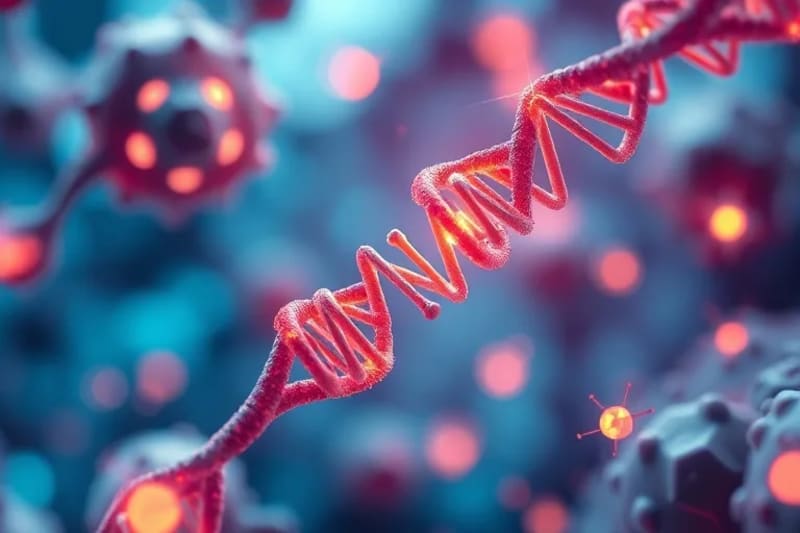
Microscopic view of human cells undergoing a vibrant, ethereal transformation, illustrating the core concept of cellular reprogramming and biological resetting.
Table of Contents
- Mechanisms of Cellular Reprogramming
- Current Research and Breakthroughs
- Extreme Biohacking and Longevity
- Ethical and Societal Implications
- Regulatory Landscape and Future Outlook
Mechanisms of Cellular Reprogramming
Cellular reprogramming primarily refers to the process of converting one cell type into another, or reverting a differentiated cell to a pluripotent state. The most famous example is the generation of induced pluripotent stem cells (iPSCs) from somatic cells, a discovery that earned Shinya Yamanaka the Nobel Prize in 2012. This process involves introducing a specific set of transcription factors, often referred to as Yamanaka factors (Oct4, Sox2, Klf4, c-Myc), into differentiated cells.
These factors orchestrate a complex epigenetic remodeling, erasing the cell's previous identity and establishing a new gene expression program characteristic of pluripotency. The resulting iPSCs possess the remarkable ability to self-renew indefinitely and differentiate into any cell type of the body, making them invaluable for disease modeling, drug screening, and regenerative medicine. This fundamental understanding of cellular plasticity laid the groundwork for exploring its application in aging.
Beyond full reprogramming to pluripotency, researchers are now investigating "partial reprogramming" strategies. This involves transient expression of Yamanaka factors, or subsets thereof, to achieve rejuvenation without losing cellular identity or inducing tumorigenesis. The goal is to rewind the epigenetic clock just enough to restore youthful function without creating uncontrolled cell growth. This delicate balance is crucial for safe and effective anti-aging therapies.
| Mechanism | Description | Application in Aging |
|---|---|---|
| Yamanaka Factors (OSKM) | Transcription factors (Oct4, Sox2, Klf4, c-Myc) that induce pluripotency in somatic cells. | Core activators for full and partial cellular rejuvenation. |
| Epigenetic Remodeling | Changes in gene expression without altering the underlying DNA sequence, including DNA methylation and histone modifications. | Reversing age-associated epigenetic marks to restore youthful cellular function. |
| Induced Pluripotent Stem Cells (iPSCs) | Somatic cells reprogrammed to an embryonic stem cell-like state. | Source for regenerative therapies, disease modeling, and understanding aging mechanisms. |
| Partial Reprogramming | Transient or incomplete expression of reprogramming factors to achieve rejuvenation without full dedifferentiation. | Direct strategy for in vivo aging reversal, mitigating tumorigenesis risks. |
Current Research and Breakthroughs
Recent years have witnessed significant strides in applying cellular reprogramming to combat aging. Studies in model organisms, particularly mice, have shown promising results. In 2016, a landmark study demonstrated that partial reprogramming could extend the lifespan of progeroid mice and improve age-related pathologies in naturally aged mice, without causing tumors. This was a critical proof-of-concept, indicating that aging might indeed be reversible at a cellular level.
Further research has refined these techniques, exploring different combinations and durations of Yamanaka factor expression. Scientists have observed improvements in various organ systems, including the brain, muscles, and kidneys, in aged mice treated with partial reprogramming. These improvements often correlate with a "re-setting" of epigenetic clocks, which are molecular markers that accurately predict biological age. The ability to reverse these clocks offers a quantifiable measure of rejuvenation.
The focus is now shifting towards translating these findings to human applications, albeit with extreme caution. The primary challenge remains the safety profile, particularly the risk of uncontrolled cell proliferation (tumor formation) associated with full reprogramming. Partial reprogramming aims to circumvent this by avoiding the pluripotent state, but careful monitoring and precise control over the reprogramming process are paramount. Advanced techniques, such as using modified mRNA or viral vectors for transient expression, are being developed to enhance safety and specificity.
A person's hand, adorned with futuristic biometric sensors, interacts with a holographic display showcasing complex genetic code and cellular structures.
Extreme Biohacking and Longevity
The concept of "biohacking" encompasses a wide range of practices aimed at optimizing human biology and performance. When applied to aging reversal through cellular reprogramming, it enters the realm of "extreme biohacking." This often refers to individuals or groups attempting to implement advanced biotechnologies, sometimes outside traditional medical oversight, to achieve radical life extension or rejuvenation. While mainstream research progresses cautiously, the biohacking community might explore more aggressive or experimental approaches.
Extreme biohacking in this context could involve self-experimentation with gene therapies, epigenetic modifiers, or even attempts at partial reprogramming using readily available (though often unregulated) tools and substances. The allure is immense: the promise of escaping the constraints of aging and disease. However, the risks are equally substantial. Without rigorous scientific validation, clinical trials, and regulatory oversight, such practices can lead to unpredictable and potentially catastrophic health consequences, including cancer, immune reactions, or unforeseen long-term effects.
The intersection of cellular reprogramming and biohacking highlights a growing tension between scientific advancement, personal autonomy, and public safety. While personalized medicine and individual control over health are desirable, the complexity and potential dangers of manipulating fundamental biological processes necessitate a cautious and evidence-based approach. The development of Artificial Intelligence in medical diagnostics could play a crucial role in monitoring these complex interventions, but the ethical considerations remain paramount.
Ethical and Societal Implications
The prospect of reversing aging through cellular reprogramming raises a multitude of profound ethical and societal questions. If successful, such technologies would fundamentally alter human life, challenging long-held beliefs and structures. One of the most immediate concerns is accessibility and equity. Will these life-extending therapies be available to everyone, or will they exacerbate existing social inequalities, creating a divide between those who can afford eternal youth and those who cannot?
The impact on population dynamics, resource allocation, and environmental sustainability would be immense. A significantly longer lifespan for a large portion of the population could strain global resources, affect retirement systems, and potentially lead to new forms of social stratification. Furthermore, the psychological and existential implications are vast. What would it mean to live for centuries? How would human relationships, ambition, and the pursuit of meaning evolve in a world where death is no longer an inevitable endpoint?
There are also questions about human identity and the natural order. Is aging a disease to be cured, or an intrinsic part of the human experience? Manipulating the very fabric of our biology raises concerns about unintended consequences, not just physically, but also psychologically and culturally. The ethical frameworks for governance of artificial intelligence offer a parallel in addressing the responsible development of powerful technologies.

An abstract oil painting depicting a balanced scale, symbolizing the ethical dilemmas of cellular rejuvenation, weighing scientific advancement against societal and legal implications.
Regulatory Landscape and Future Outlook
Given the transformative potential and inherent risks of cellular reprogramming for aging reversal, a robust and adaptive regulatory framework is indispensable. Current regulations for gene therapy and stem cell treatments provide a starting point, but the unique challenges of systemic rejuvenation therapies will require new considerations. This includes defining appropriate endpoints for clinical trials, managing long-term safety profiles, and addressing the societal impact of widespread adoption.
International collaboration will be crucial to establish harmonized standards and prevent "rejuvenation tourism" to countries with lax regulations. Public discourse and education are also vital to ensure informed societal decisions about these technologies. The scientific community has a responsibility to communicate both the promise and the perils transparently, engaging with policymakers, ethicists, and the public.
Looking ahead, cellular reprogramming is poised to remain a frontier of biological research. Continued advancements in precision gene editing, delivery mechanisms, and understanding of the aging process will likely refine these techniques, making them safer and more effective. The ultimate goal is not merely to extend life, but to extend "healthspan" – the period of life spent in good health, free from chronic age-related diseases. This aligns with broader public health objectives, as discussed in the context of global public health challenges.
The journey towards aging reversal via cellular reprogramming is complex, fraught with scientific hurdles and ethical dilemmas. However, the potential to alleviate suffering from age-related diseases and enhance human well-being makes it a field of immense importance. Responsible innovation, guided by scientific rigor and ethical foresight, will be key to navigating this revolutionary path.
Source: Hybrid content assisted by AI and human editorial supervision.


Comentarios