
Water Geopolitics: Conflicts, Opportunities, Strategic Businesses
Water, often referred to as "blue gold," is rapidly becoming the most critical resource of the 21st century. Its uneven distribution, increasing scarcity, and rising demand due to population growth, urbanization, and climate change are transforming it into a central element of global geopolitics. Understanding the intricate dynamics of water resources is essential for anticipating future conflicts, fostering cooperation, and identifying strategic economic opportunities.
This article delves into the multifaceted aspects of water geopolitics, exploring the historical context of water-related disputes, the current drivers of scarcity, and the regions most vulnerable to conflict. We will also examine the burgeoning strategic businesses emerging from the need for sustainable water management and the role of international cooperation in mitigating potential crises. The goal is to provide an educational and informed perspective on this vital global issue.
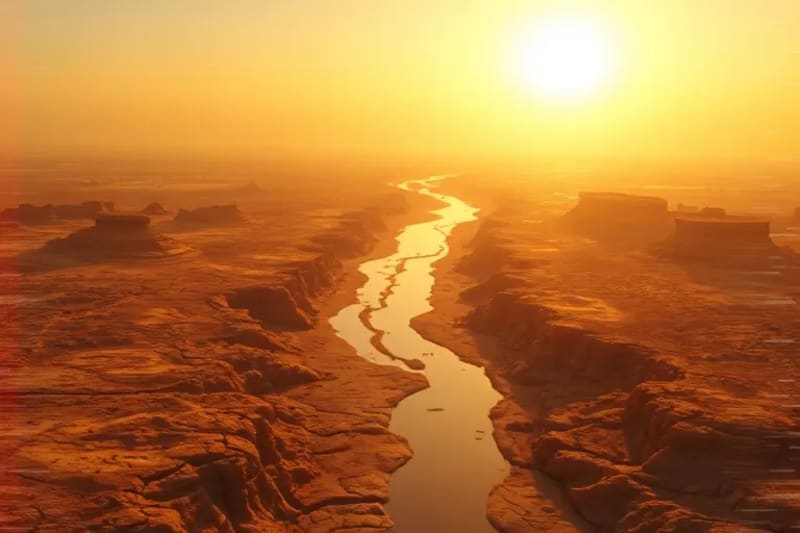
Arid landscapes often highlight the critical need for advanced water management and strategic resource allocation.
Table of Contents
- The Rising Tide of Water Geopolitics
- Historical Echoes: Water as a Catalyst for Conflict
- The 21st Century's Thirst: Drivers of Water Scarcity
- Flashpoints: Regions of Intense Water Conflict
- Blue Gold: Economic Opportunities and Strategic Businesses
- Technological Solutions and Innovations
- International Cooperation and Governance
- The Path Forward: Towards Water Security
The Rising Tide of Water Geopolitics
Geopolitics, traditionally focused on land and energy resources, has increasingly shifted its gaze towards water. This is not merely an environmental concern but a fundamental issue of national security, economic stability, and human well-being. The availability and control of freshwater resources are becoming potent tools for political leverage and sources of interstate tension.
As populations expand and economies develop, the demand for water for agriculture, industry, and domestic use skyrockets. This escalating demand, coupled with finite and often shared resources, creates a complex web of interdependencies and rivalries. The scarcity of water can exacerbate existing political instabilities and trigger new forms of conflict, from local disputes to international confrontations.
Historical Echoes: Water as a Catalyst for Conflict
While the 21st century presents unique challenges, water has always played a role in human conflict and cooperation. Ancient civilizations rose and fell based on their ability to manage water, leading to sophisticated irrigation systems and, at times, violent clashes over control of rivers and oases. Historical examples abound, from the early city-states of Mesopotamia vying for control of the Tigris and Euphrates to the Roman Empire's extensive aqueduct systems that fueled its expansion.
However, the scale and intensity of modern water challenges are unprecedented. The interconnectedness of global economies and the devastating potential of modern warfare mean that water disputes today carry far greater risks. Learning from historical patterns of cooperation and conflict can offer valuable insights into navigating contemporary water challenges.
The 21st Century's Thirst: Drivers of Water Scarcity
Several interconnected factors are driving the global water crisis, making it a critical geopolitical issue. These drivers create a perfect storm of increasing demand and diminishing supply, intensifying competition for this vital resource.
- Population Growth and Urbanization: A rapidly expanding global population, particularly in urban centers, places immense pressure on existing water infrastructure and supplies. Megacities require vast amounts of water for drinking, sanitation, and industrial activities.
- Climate Change: Altered precipitation patterns, increased frequency of droughts and floods, and glacier melt directly impact freshwater availability. Regions already water-stressed are experiencing more extreme conditions, leading to unpredictable supplies.
- Pollution: Industrial discharge, agricultural runoff, and inadequate wastewater treatment contaminate freshwater sources, rendering them unusable for human consumption or agriculture. This reduces the effective supply of clean water.
- Inefficient Water Management: Outdated infrastructure, wasteful irrigation practices, and lack of proper governance contribute significantly to water loss and inefficient allocation. Many regions lose a substantial portion of their water through leaks and mismanagement.
- Agricultural Demand: Agriculture accounts for approximately 70% of global freshwater withdrawals. As food demand rises, so does the pressure on water resources, particularly in regions relying on water-intensive crops.
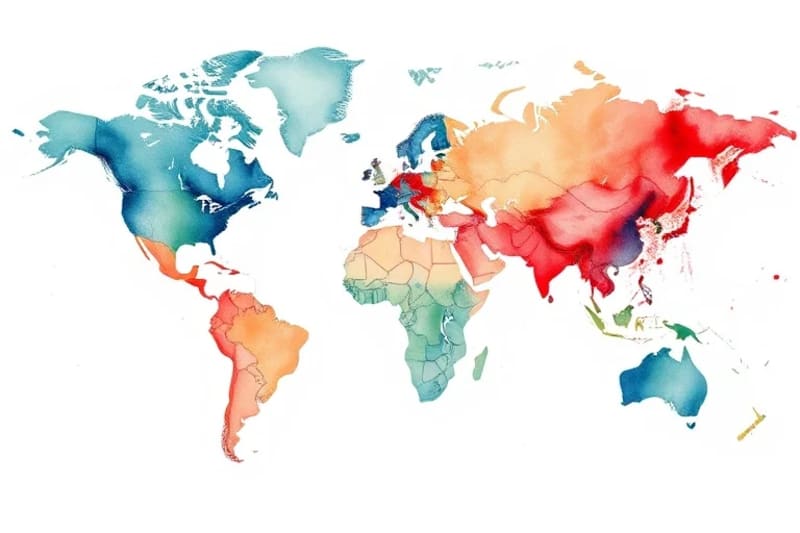
Visualizing global water distribution helps understand the complex interplay of resources and potential diplomatic flashpoints.
Flashpoints: Regions of Intense Water Conflict
Several regions worldwide are particularly vulnerable to water-related conflicts due to shared river basins, arid climates, and existing political tensions. These areas serve as critical case studies for understanding the complexities of water geopolitics.
- The Nile Basin: Shared by eleven countries, the Nile River is a lifeline for millions. Ethiopia's Grand Ethiopian Renaissance Dam (GERD) project has sparked significant tensions with downstream nations, particularly Egypt and Sudan, over water allocation and flow rates.
- The Jordan River Basin: This highly contested basin is crucial for Israel, Palestine, Jordan, and Syria. Decades of conflict and unequal access have made water a central component of the broader Israeli-Palestinian dispute.
- The Mekong River: Flowing through China, Myanmar, Laos, Thailand, Cambodia, and Vietnam, the Mekong faces threats from upstream dam construction, primarily by China, impacting downstream ecosystems, agriculture, and livelihoods.
- The Indus River: India and Pakistan, two nuclear-armed nations, share the Indus River system. The Indus Waters Treaty has largely prevented major conflict, but disputes over specific projects and climate change impacts continue to pose challenges.
- Central Asia: The Amu Darya and Syr Darya rivers, vital for irrigation in Uzbekistan, Turkmenistan, Tajikistan, Kyrgyzstan, and Kazakhstan, are sources of tension, particularly concerning upstream dam construction and downstream water needs.
These examples underscore the urgent need for robust international frameworks and diplomatic solutions to prevent water scarcity from escalating into full-blown conflicts. The geopolitical implications extend beyond immediate neighbors, affecting regional stability and global security. For instance, understanding complex global interactions, even in seemingly unrelated fields like Eclipses Astrological Impact: Personal Collective Significance, can provide a broader perspective on interconnected global events.
Blue Gold: Economic Opportunities and Strategic Businesses
The global water crisis, while presenting significant challenges, also opens doors for innovative businesses and strategic investments. The need for sustainable water solutions is driving a rapidly growing market for technologies and services aimed at improving water availability, quality, and efficiency.
Strategic businesses in the water sector are attracting substantial investment, recognizing water as a valuable commodity and a critical infrastructure component. This includes not only traditional water utilities but also a new wave of tech-driven companies.
| Sector | Key Opportunities | Impact |
|---|---|---|
| Water Treatment & Purification | Advanced filtration, UV disinfection, membrane technologies, chemical-free solutions. | Ensuring safe drinking water, industrial process water, and wastewater reuse. |
| Desalination | Reverse osmosis, thermal desalination, energy-efficient methods, modular plants. | Creating new freshwater sources in coastal and arid regions, reducing reliance on natural supplies. |
| Smart Water Management | IoT sensors, AI-driven analytics, leak detection, smart metering, predictive maintenance. | Optimizing water distribution, reducing waste, improving infrastructure resilience. This area often overlaps with broader digital infrastructure and cybersecurity concerns, similar to topics like Social Engineering Digital Finance: Cybersecurity Prevention. |
| Wastewater Treatment & Reuse | Advanced biological treatment, nutrient recovery, industrial wastewater recycling, greywater systems. | Conserving freshwater, reducing pollution, creating alternative water sources for non-potable uses. |
| Agricultural Water Efficiency | Drip irrigation, precision agriculture, drought-resistant crops, soil moisture sensors. | Minimizing agricultural water footprint, increasing food security with less water. |
Technological Solutions and Innovations
Technology is at the forefront of addressing water scarcity. Innovations range from advanced desalination techniques to sophisticated monitoring systems. These solutions are not only critical for survival in water-stressed regions but also represent significant investment opportunities.
- Atmospheric Water Generators (AWG): Devices that extract potable water from ambient air, offering a decentralized solution for remote or arid areas.
- Nanotechnology in Filtration: Nanomaterials are being developed for highly efficient and cost-effective water purification, capable of removing even microscopic contaminants.
- AI and Machine Learning: These technologies are used to optimize water distribution networks, predict demand, detect leaks, and manage complex water systems more efficiently. This aligns with the growing importance of data and digital infrastructure, similar to discussions around Metaverse Digital Law: Property, Identity, Jurisdiction, where digital assets and their management are paramount.
- Satellite Monitoring: Remote sensing technologies provide crucial data on water levels in rivers, lakes, and aquifers, aiding in better resource management and early warning for droughts or floods. This also connects to broader environmental monitoring efforts, such as Urban Air Quality Monitoring Public Health: Advanced Guide.
- Biomimicry: Drawing inspiration from nature, scientists are developing new materials and processes for water purification and collection that are more sustainable and energy-efficient.

High-tech water purification facilities represent a strategic investment in urban resilience and sustainable development.
International Cooperation and Governance
Given that over 260 river basins are shared by two or more countries, international cooperation is paramount for managing water resources peacefully and sustainably. Treaties, conventions, and joint commissions play a crucial role in preventing conflicts and promoting equitable distribution.
Key frameworks include the UN Watercourses Convention and regional agreements specific to shared basins. These legal and diplomatic instruments provide mechanisms for dialogue, data sharing, and dispute resolution. However, their effectiveness often depends on the political will of riparian states and the broader geopolitical context.
International organizations, NGOs, and academic institutions also contribute significantly by providing technical expertise, facilitating negotiations, and raising awareness about water scarcity. Multi-stakeholder partnerships involving governments, the private sector, and civil society are increasingly vital for implementing comprehensive water management strategies.
The Path Forward: Towards Water Security
Achieving water security in the 21st century requires a multi-pronged approach that integrates technological innovation, sound governance, and proactive diplomacy. It is a challenge that transcends national borders and demands collective action.
Investing in sustainable water infrastructure, promoting water-efficient practices across all sectors, and strengthening international legal frameworks are essential steps. Furthermore, fostering a culture of water conservation and awareness among citizens is crucial for long-term success.
The geopolitics of water will undoubtedly continue to shape international relations. By understanding its complexities and embracing collaborative solutions, the global community can transform potential conflicts into opportunities for shared prosperity and environmental stewardship.
Further Exploration:
- Contaminación Aire: Impacto Psicológico Más Allá Salud Respiratoria | Althox
- Autodefensa Digital: Protege Identidad Online Era IA | Althox
- Geometría Sagrada: Códigos Universales Manifestación Diseño | AstroFuturo
- Serafines Canción Celestial Misterio: Alabanza Divina Profunda | Profecías de la Virgen
- Nodes of the Moon: Karmic Path & Destiny | StarPluto
Source: Hybrid content assisted by AI and human editorial supervision.


Comentarios