
Neuroarchitecture Cognitive Well-being: Designing Mental Health Spaces
Neuroarchitecture is an emerging interdisciplinary field that explores the profound impact of built environments on the human brain and behavior. It combines insights from neuroscience, psychology, and architecture to design spaces that actively promote cognitive well-being, mental health, and overall human flourishing. This innovative approach moves beyond mere aesthetics and functionality, delving into how elements like light, sound, texture, and spatial configuration can influence our mood, stress levels, focus, and social interactions.
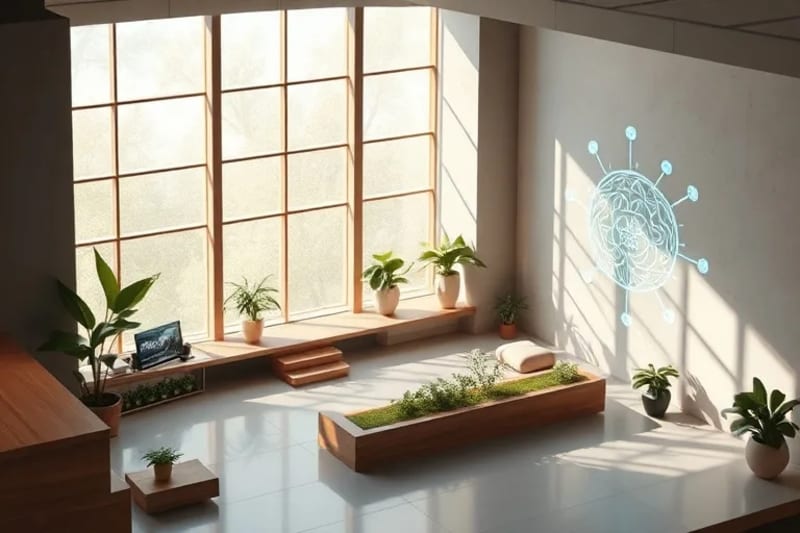
Visualizing the intricate connection between neural pathways and architectural forms, illustrating how thoughtful design can influence cognitive well-being.
Fuente visual sujeta a disponibilidad del ecosistema: Wikimedia Commons bajo licencia CC BY-SA 4.0 o renderizado conceptual IA.The concept of neuroarchitecture posits that our surroundings are not just passive backdrops to our lives but active participants in shaping our mental states and cognitive processes. From the bustling cityscapes to the quiet corners of our homes, every designed space has the potential to either enhance or detract from our psychological health. Understanding these intricate relationships allows architects and designers to create environments that are not only beautiful and functional but also therapeutically beneficial.
Table of Contents
- Introduction to Neuroarchitecture
- The Science Behind Space: Brain-Environment Interaction
- Key Principles of Neuroarchitectural Design
- Natural Light and Views
- Biophilic Design: Connecting with Nature
- Spatial Configuration and Flow
- Materiality and Texture
- Color Psychology
- Acoustics and Soundscapes
- Impact on Cognitive Well-being
- Applications of Neuroarchitecture
- Challenges and Future Directions
- Conclusion
The Science Behind Space: Brain-Environment Interaction
Our brains are constantly processing sensory information from our surroundings, influencing our physiological and psychological states. Neuroscience has revealed several key mechanisms through which our environment impacts us:
- Amygdala Activation: Spaces perceived as threatening or chaotic can trigger the amygdala, leading to stress responses, anxiety, and heightened vigilance. Conversely, calm and ordered environments can reduce this activation.
- Hippocampal Function: The hippocampus, crucial for memory and spatial navigation, thrives in environments that offer clear wayfinding and a sense of coherence. Disorienting spaces can impair cognitive mapping and increase frustration.
- Prefrontal Cortex Engagement: The prefrontal cortex, responsible for executive functions like decision-making, planning, and focus, can be either supported or hindered by environmental design. Overstimulating or distracting environments can deplete cognitive resources.
- Neurotransmitter Release: Environmental factors can influence the release of neurotransmitters. For example, exposure to natural light can boost serotonin (mood regulation), while exposure to nature can increase dopamine (reward and motivation).
- Circadian Rhythms: The natural light-dark cycle is essential for regulating our sleep-wake patterns, hormone production, and overall health. Artificial lighting that doesn't mimic natural cycles can disrupt these rhythms, affecting mood and cognitive performance.
These neural responses are not merely subjective experiences; they are measurable physiological changes that directly affect our health and productivity. By understanding these mechanisms, neuroarchitecture provides a scientific framework for creating spaces that actively support mental well-being.
Key Principles of Neuroarchitectural Design
Neuroarchitecture integrates several core principles to optimize environments for cognitive well-being. These principles are rooted in how our brains perceive and react to various stimuli.
Natural Light and Views
Access to natural light is perhaps one of the most critical elements in neuroarchitectural design. Natural light, particularly dynamic daylight that changes throughout the day, helps regulate our circadian rhythms, improving sleep quality, mood, and alertness. Spaces with ample natural light have been shown to reduce symptoms of depression and improve cognitive performance.
Furthermore, views of nature from windows can significantly reduce stress and mental fatigue. Even a distant view of trees or a body of water can provide a restorative micro-break for the brain, enhancing focus and creativity upon returning to a task.
Biophilic Design: Connecting with Nature

Integrating natural elements like plants, water features, and organic patterns into built environments to foster a sense of connection with nature.
Biophilic design is the practice of incorporating natural elements and processes into the built environment. This can include indoor plants, green walls, natural materials (wood, stone), water features, and even patterns that mimic natural forms. Research consistently shows that exposure to nature reduces stress, lowers heart rate, and improves overall well-being. The human brain is hardwired to respond positively to natural stimuli, a concept known as biophilia.
The presence of natural elements can evoke feelings of tranquility and vitality. For instance, the sound of trickling water or the sight of lush greenery can activate the parasympathetic nervous system, promoting relaxation and recovery from stress. This principle is crucial for creating restorative spaces in urban settings.
Spatial Configuration and Flow
The layout and organization of space significantly influence our sense of comfort, privacy, and social interaction. Neuroarchitecture emphasizes creating clear pathways, varied spatial experiences, and opportunities for both solitude and collaboration. Open-plan offices, for example, can foster collaboration but may also lead to overstimulation and lack of privacy, impacting focus.
Designing spaces that offer a balance between "prospect" (the ability to see a wide area) and "refuge" (a sense of being protected and hidden) can enhance feelings of safety and control. This balance is deeply rooted in our evolutionary psychology, where having a vantage point while feeling secure was crucial for survival.
Materiality and Texture
The materials and textures used in a space can evoke different emotional and cognitive responses. Natural materials like wood, stone, and wool often convey warmth, authenticity, and comfort, contributing to a sense of well-being. Smooth, cold surfaces like metal or glass, while modern, can sometimes feel sterile or uninviting if not balanced with other elements.
Tactile experiences are important; varied textures can provide sensory engagement without being overwhelming. The choice of materials also impacts acoustics and thermal comfort, both of which play a role in how comfortable and mentally at ease we feel in a space.
Color Psychology
Colors have a profound psychological impact, influencing mood, perception, and even physiological responses. Warm colors like reds and oranges can evoke energy and excitement, while cool colors like blues and greens tend to promote calmness and relaxation. The strategic use of color in neuroarchitecture aims to create desired emotional states within specific environments.
For instance, a workspace might use muted greens and blues to foster concentration and reduce stress, while a common area might incorporate warmer tones to encourage social interaction. Understanding the nuances of color psychology in design is vital for creating spaces that align with their intended function and emotional impact.
Acoustics and Soundscapes
The auditory environment significantly affects our cognitive function and emotional state. Excessive noise can be a major source of stress, impairing concentration and increasing irritability. Neuroarchitecture focuses on creating optimal soundscapes through thoughtful acoustic design, including soundproofing, sound-absorbing materials, and even the introduction of beneficial sounds.
Natural sounds, such as gentle running water or birdsong, can have a calming effect, while certain types of ambient music can enhance focus. Designing for acoustic comfort means minimizing unwanted noise while creating an auditory environment that supports the intended activities of the space, whether it's quiet contemplation or lively discussion.
Impact on Cognitive Well-being
The application of neuroarchitectural principles leads to tangible improvements in various aspects of cognitive well-being:
- Stress Reduction: By incorporating natural elements, optimal lighting, and calming aesthetics, neuroarchitecture creates environments that reduce physiological stress responses, lowering cortisol levels and promoting relaxation.
- Improved Focus and Productivity: Thoughtful spatial organization, acoustic control, and reduced distractions help individuals maintain concentration, leading to enhanced productivity and efficiency in work and study environments.
- Enhanced Mood and Creativity: Spaces designed with uplifting colors, ample natural light, and inspiring views can elevate mood, reduce feelings of anxiety, and stimulate creative thinking and problem-solving.
- Better Social Interaction and Community: Design elements that encourage comfortable gathering, provide varied seating options, and foster a sense of belonging can improve social cohesion and support mental health through stronger community ties.
Applications of Neuroarchitecture
Neuroarchitectural principles can be applied across a wide range of building types, transforming them into spaces that actively support human health and performance.
Workplaces
In office environments, neuroarchitecture aims to reduce stress, improve focus, and boost creativity. This involves incorporating natural light, biophilic elements, varied work zones (for collaboration, focused work, and relaxation), and ergonomic design. Companies adopting these principles often report higher employee satisfaction, reduced absenteeism, and increased productivity. For example, ensuring good indoor air quality is paramount, as poor ventilation can lead to cognitive impairment, a concern often highlighted in discussions about air pollution and vulnerable populations.
Healthcare Facilities
Hospitals and clinics can greatly benefit from neuroarchitectural design to promote healing and reduce patient anxiety. Elements like views of nature, calming colors, reduced noise levels, and clear wayfinding can significantly improve patient outcomes, reduce recovery times, and create a less stressful environment for both patients and staff.
Educational Institutions
Schools and universities can be designed to enhance learning, concentration, and social development. This includes optimizing natural light in classrooms, creating flexible learning spaces, incorporating outdoor learning areas, and using colors that support focus and creativity. Such designs can lead to improved academic performance and reduced behavioral issues.
Residential Homes
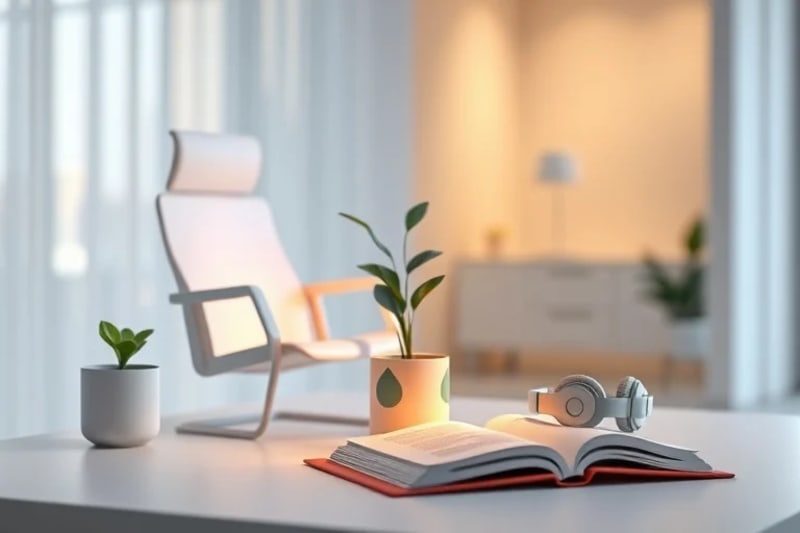
A thoughtfully curated space featuring ergonomic design, natural light, and biophilic elements to enhance focus and mental well-being in a home environment.
Our homes are our sanctuaries, and neuroarchitecture can transform them into powerful tools for mental well-being. Designing with principles like optimal natural light, comfortable acoustics, natural materials, and personalized spaces for relaxation and activity can create environments that support restorative sleep, reduce daily stress, and foster positive family interactions.
Challenges and Future Directions
Despite its immense potential, neuroarchitecture faces several challenges. The initial investment for neuroarchitecturally designed buildings can be higher due to specialized materials, advanced lighting systems, and integrated natural elements. There is also a need for more standardized metrics and certifications to validate the efficacy of these designs.
However, the future of neuroarchitecture is promising. Advances in technology, such as AI-driven design tools and virtual reality simulations, can help architects better understand and predict the human response to different spatial configurations. The integration of sensors to monitor physiological responses in real-time could also provide valuable data for optimizing environments. As we delve deeper into understanding complex systems, much like the challenges and opportunities in quantum AI for climate modeling, neuroarchitecture will continue to evolve, offering increasingly sophisticated solutions for human well-being.
Furthermore, the increasing awareness of mental health issues is driving demand for spaces that actively support psychological well-being. This societal shift is likely to accelerate the adoption of neuroarchitectural principles in urban planning, public spaces, and private developments. The ethical considerations of using AI in design, similar to those discussed in algorithmic mediation for labor conflicts, will also be crucial in shaping its future.
Conclusion
Neuroarchitecture represents a paradigm shift in how we conceive and construct our environments. By integrating scientific understanding of the brain with architectural design, we can create spaces that are not only aesthetically pleasing and functional but also profoundly beneficial for our mental health and cognitive performance. As we spend an increasing amount of our lives indoors, the importance of designing these spaces with human well-being at their core becomes paramount.
The principles of neuroarchitecture offer a powerful framework for fostering healthier, happier, and more productive lives. Embracing this interdisciplinary approach allows us to build a future where our environments actively contribute to our overall well-being, transforming buildings from mere structures into sanctuaries for the mind.
Explore Further
Related Topics
Cross-Disciplinary Insights
Source: Hybrid content assisted by AI and human editorial supervision.


Comentarios