
Neuro-rights Protecting Mental Privacy Digital Age
Neuro-rights: Safeguarding Consciousness and Mental Privacy in the Digital Age
The rapid advancements in neurotechnology and artificial intelligence (AI) are ushering in an unprecedented era where the human brain is becoming increasingly accessible and modifiable. From brain-computer interfaces (BCIs) that restore motor function to AI algorithms capable of decoding neural patterns, these innovations promise transformative benefits for health and human capabilities. However, they also raise profound ethical and legal questions concerning our fundamental rights, particularly the sanctity of our mental lives. This emerging landscape necessitates the urgent development and implementation of neuro-rights, a new class of human rights designed to protect the brain and its activity.
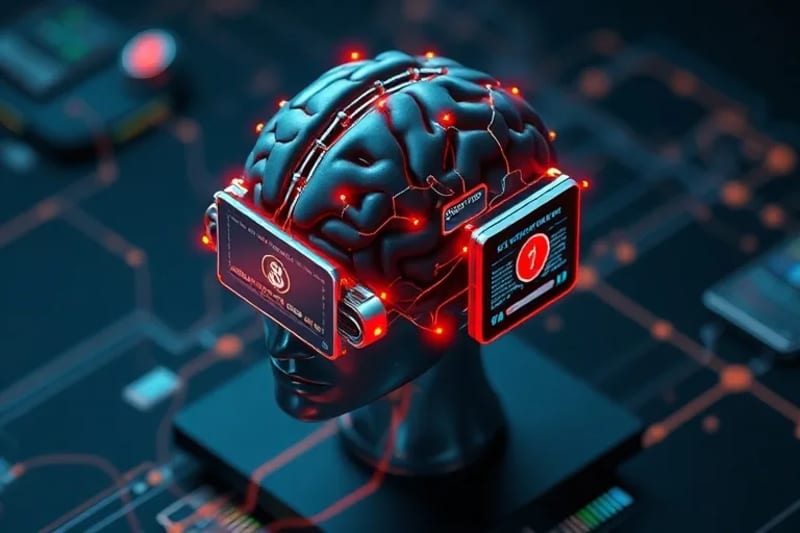 Precursors, fundamental diagrams, and conceptual representations that forged the vision of neuro-rights regarding cognitive liberty.
Fuente visual sujeta a disponibilidad del ecosistema: Wikimedia Commons bajo licencia CC BY-SA 4.0 o renderizado conceptual IA.
The concept of neuro-rights extends traditional human rights to encompass the unique challenges posed by technologies that directly interact with the brain. As we delve deeper into understanding and manipulating neural processes, the need for robust ethical and legal frameworks becomes paramount to prevent potential abuses and ensure human dignity. This article explores the definition, necessity, core pillars, and challenges associated with establishing neuro-rights in our increasingly digital and neuro-enhanced world.
Table of Contents
- What Are Neuro-rights?
- The Dawn of Neurotechnology and AI
- Core Pillars of Neuro-rights
- Legal and Ethical Challenges
- International Initiatives and Frameworks
- Future Implications and the Path Forward
What Are Neuro-rights?
Neuro-rights are a set of human rights specifically designed to protect the human brain and its activity in the context of emerging neurotechnologies. These rights aim to safeguard the fundamental aspects of human identity, consciousness, and free will from potential manipulation, exploitation, or unauthorized access facilitated by advanced technologies like brain-computer interfaces (BCIs) and sophisticated AI algorithms. The concept emerged from a growing recognition that existing human rights frameworks, while foundational, may not adequately address the novel ethical dilemmas posed by direct interaction with the brain.
The primary goal of neuro-rights is to ensure that individuals retain ultimate control over their own minds. This includes protecting mental privacy, maintaining personal identity, preserving free will, ensuring equitable access to neuro-enhancement technologies, and shielding individuals from algorithmic bias that could affect their neural data. As neurotechnologies become more prevalent, the distinction between the physical and digital self blurs, making these protections increasingly critical.
The Dawn of Neurotechnology and AI
The impetus for neuro-rights stems directly from the rapid evolution of neurotechnology and artificial intelligence. These fields, once confined to science fiction, are now producing tangible devices and algorithms that can read, write, and even alter brain activity. Understanding the capabilities of these technologies is crucial to appreciating the urgency of establishing robust neuro-rights.
Brain-Computer Interfaces (BCIs)
Brain-Computer Interfaces (BCIs) are devices that enable direct communication pathways between the brain and an external device. Initially developed to assist individuals with severe motor disabilities by allowing them to control prosthetics or computers with their thoughts, BCIs are rapidly advancing. Modern BCIs can not only read neural signals but also write information back into the brain, offering possibilities for memory enhancement, sensory augmentation, and even direct communication between brains. This bidirectional capability opens up new avenues for therapeutic applications but also raises concerns about potential manipulation of thoughts and emotions.
AI's Role in Neurodata Processing
Artificial intelligence plays a pivotal role in making neurotechnology viable and powerful. AI algorithms are essential for decoding complex neural signals, extracting meaningful information from vast datasets of brain activity, and even generating synthetic neural patterns. Machine learning models can identify subtle correlations between brain activity and specific thoughts, emotions, or intentions, transforming raw neural data into actionable insights. This processing power means that AI can potentially infer highly personal information from brain scans or BCI outputs, making the protection of this data as critical as quantum cybersecurity defenses for critical infrastructures.
Core Pillars of Neuro-rights
The proposed framework for neuro-rights typically includes five key pillars, each addressing a distinct aspect of human mental integrity and autonomy in the face of neurotechnological advancements:
 A conceptual depiction of the intricate relationship between mental processes and digital security, emphasizing the need for robust protections.
- Right to Mental Privacy: This is arguably the most fundamental neuro-right. It asserts that individuals have the right to privacy over their neural data, preventing unauthorized access, collection, use, or sale of their brain information. Just as we protect personal data, our thoughts, emotions, and memories, which can be inferred from neural activity, require even greater protection. This right is crucial to prevent scenarios where private mental states could be exploited for marketing, surveillance, or even disinformation campaigns that threaten digital democracy.
- Right to Mental Identity: This right protects an individual's sense of self and personal identity from alteration by neurotechnologies. As BCIs can potentially modify brain activity, there is a risk that external interventions could fundamentally change who a person is, their core beliefs, and their personality. This right ensures that individuals retain control over their psychological continuity and the integrity of their self-perception.
- Right to Free Will: This neuro-right aims to preserve an individual's capacity for autonomous decision-making and independent thought. With technologies capable of influencing or even directly stimulating brain regions associated with decision-making, the potential for external manipulation of choices becomes a serious concern. Protecting free will ensures that individuals can make choices free from covert neurotechnological coercion or undue influence, which could impact everything from personal choices to investment decisions.
- Right to Equitable Access to Neuro-enhancement: As neurotechnologies advance, they may offer cognitive or sensory enhancements. This right advocates for fair and just access to such enhancements, preventing a "neuro-divide" where only the wealthy can afford to augment their cognitive abilities, potentially exacerbating existing social inequalities. It also addresses the ethical implications of mandatory or coerced enhancement.
- Right to Protection from Algorithmic Bias: Neural data, like other forms of data, can be subject to algorithmic biases. This right ensures that neurotechnologies and the AI algorithms that interpret neural data are developed and deployed in a way that does not discriminate against individuals based on neurological characteristics, race, gender, or other protected attributes. It emphasizes the need for transparent and fair algorithms in neurodata processing.
Legal and Ethical Challenges
Implementing neuro-rights presents significant legal and ethical hurdles. Current legal frameworks, such as data protection laws (e.g., GDPR), are primarily designed for digital data and may not fully encompass the unique sensitivity and implications of neural data. The very definition of "mind" or "consciousness" in a legal context is complex and contentious. Moreover, establishing jurisdiction for neuro-rights violations, especially when data crosses international borders or when technologies are developed by multinational corporations, adds another layer of complexity. The challenges are akin to those faced by NFTs and intellectual property in navigating legal challenges in new digital domains.
| Aspect | Traditional Legal Frameworks | Neuro-rights Imperatives |
|---|---|---|
| Data Definition | Personal data (name, address, browsing history) | Neural data (thoughts, emotions, intentions) |
| Privacy Scope | Protection of information and communication | Protection of mental states and cognitive processes |
| Identity Protection | Protection against identity theft, misrepresentation | Protection against alteration of sense of self, personality |
| Autonomy | Freedom of speech, movement, choice | Freedom of thought, cognitive liberty, protection from neural coercion |
| Access to Technology | General consumer rights, anti-discrimination | Equitable access to neuro-enhancements, prevention of neuro-divide |
Ethical considerations also extend to the potential for therapeutic applications to blur into enhancement, the informed consent process for BCI users, and the long-term societal impacts of widespread neurotechnology adoption. The debate over what constitutes "normal" human cognition versus "enhanced" cognition will undoubtedly intensify, requiring careful ethical deliberation.
International Initiatives and Frameworks
Recognizing the global nature of these challenges, several international bodies and academic groups have begun to explore and advocate for neuro-rights. Chile, for instance, has taken a pioneering step by becoming the first country to pass legislation explicitly protecting neuro-rights, amending its constitution to include the protection of mental integrity and brain activity. This legislative move highlights a growing global awareness of the need for proactive measures.
The imperative to safeguard fundamental mental faculties—privacy, identity, and free will—is paramount in an era where technology increasingly interfaces with the human brain. This protection forms the bedrock of cognitive liberty and human dignity, demanding a global commitment to ethical neurotechnology governance.
Organizations like the Neurorights Initiative, led by neuroscientists and ethicists, are actively working to define and promote neuro-rights globally, engaging with policymakers, technologists, and the public. Their efforts aim to foster an international consensus on the ethical development and deployment of neurotechnologies, ensuring that human values remain at the forefront of innovation. These initiatives often draw parallels with the early days of internet governance, where the need for new legal and ethical frameworks became apparent as digital technologies reshaped society.
Future Implications and the Path Forward
The future of neurotechnology promises both incredible opportunities and significant risks. On one hand, BCIs could revolutionize healthcare, restoring senses, treating neurological disorders, and enhancing human capabilities in ways previously unimaginable. On the other hand, without proper safeguards, these technologies could lead to unprecedented forms of surveillance, manipulation, and social inequality. The implementation of neuro-rights is not merely a legal exercise but a societal imperative to guide the responsible development of these powerful tools.
 An artistic representation of the complex interplay between legal frameworks, advanced technology, and the human mind, highlighting the need for careful regulation.
Moving forward, a multidisciplinary approach involving neuroscientists, ethicists, legal experts, policymakers, and the public will be essential. This collaborative effort must focus on:
- Defining Clear Boundaries: Establishing precise definitions for "neural data," "mental privacy," and "cognitive liberty" within legal and ethical contexts.
- Developing International Standards: Creating harmonized international regulations and protocols for the development, testing, and deployment of neurotechnologies.
- Promoting Public Education: Raising public awareness about the potential benefits and risks of neurotechnology to foster informed societal debate.
- Ensuring Ethical AI Development: Integrating neuro-rights principles into the design and training of AI algorithms that interact with neural data.
- Fostering Responsible Innovation: Encouraging neurotechnology developers to embed ethical considerations and privacy-by-design principles from the outset.
The journey to fully integrate neuro-rights into our legal and ethical landscape will be long and complex. However, it is a necessary step to ensure that technological progress serves humanity's best interests, protecting our most intimate and fundamental aspect: our minds. By proactively addressing these challenges, we can harness the immense potential of neurotechnology while safeguarding human dignity and freedom in the digital age.
Related Searches
Source: Hybrid content assisted by AI and human editorial supervision.


Comentarios