
Gut-Brain Axis Functional Nutrition Mental Health
The Gut-Brain Axis and Functional Nutrition: Understanding the Connection for Mental Health
The intricate relationship between the gut and the brain, often referred to as the gut-brain axis, represents one of the most fascinating and rapidly evolving fields in modern medicine and neuroscience. This bidirectional communication system links the central nervous system (CNS) with the enteric nervous system (ENS), which governs gastrointestinal function. Far from being a mere digestive tract, the gut is now recognized as a "second brain," profoundly influencing mood, cognition, and overall mental well-being through complex biochemical signaling pathways.
Understanding this axis is crucial for developing holistic approaches to mental health. Functional nutrition, a personalized and preventive healthcare model, leverages this understanding by focusing on dietary interventions to optimize gut health, thereby positively impacting neurological and psychological states. This article delves into the mechanisms of the gut-brain axis, the pivotal role of the gut microbiome, and how targeted nutritional strategies can foster mental resilience and alleviate various neuropsychiatric conditions.
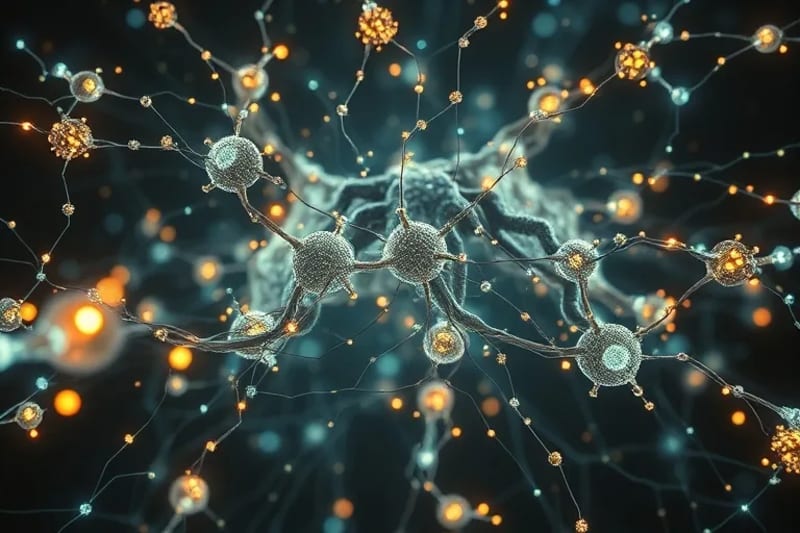
The profound interplay between the gut's microbial world and the brain's complex neural architecture, a testament to the integrated nature of human physiology.
This conceptual render, an artistic interpretation of the scientific understanding of the gut-brain axis, draws inspiration from various research models and is presented for illustrative purposes.Table of Contents
- The Bidirectional Communication Pathways
- The Gut Microbiome's Pivotal Role in Mental Health
- Functional Nutrition: Principles and Application
- Key Nutrients and Dietary Patterns for Gut-Brain Health
- Impact on Mental Health Conditions
- Clinical Applications and Future Directions
The Bidirectional Communication Pathways
The gut-brain axis operates through several interconnected pathways, creating a complex feedback loop that influences physiological and psychological processes. Understanding these channels is fundamental to appreciating how gut health translates into mental well-being.
One primary pathway is the vagus nerve, the longest cranial nerve, which acts as a direct neural bridge between the brainstem and the gut. It transmits signals in both directions, allowing the brain to influence gut motility and secretion, and vice versa. Studies have shown that vagal nerve stimulation can impact mood and anxiety disorders, highlighting its critical role in this axis.
Another crucial component involves neurotransmitters and neuroactive compounds. The gut is a major producer of neurotransmitters, including serotonin, dopamine, and gamma-aminobutyric acid (GABA). Approximately 90% of the body's serotonin, a key regulator of mood, is produced in the gut. These compounds can act locally within the ENS or, in some cases, travel to the brain via the bloodstream, influencing CNS function.
The immune system also plays a significant role. The gut houses about 70-80% of the body's immune cells. Dysbiosis (an imbalance in gut microbiota) or gut inflammation can trigger systemic immune responses, leading to the release of pro-inflammatory cytokines. These cytokines can cross the blood-brain barrier, affecting neuroinflammation, neurotransmitter balance, and neuronal plasticity, thereby contributing to mood disorders and cognitive decline.
Finally, the gut microbiota itself produces a wide array of metabolites, such as short-chain fatty acids (SCFAs) like butyrate, propionate, and acetate. These SCFAs are produced when gut bacteria ferment dietary fibers. Butyrate, in particular, is a vital energy source for colonocytes and has anti-inflammatory properties. SCFAs can also influence blood-brain barrier integrity, modulate neurotransmitter synthesis, and exert direct effects on brain function, as detailed in research regarding Biohacking Digestive Elite Athletes Microbiome Performance.
The Gut Microbiome's Pivotal Role in Mental Health
The gut microbiome, a complex community of trillions of microorganisms residing in the digestive tract, is a central player in the gut-brain axis. Its composition and functional diversity are critical determinants of both physical and mental health. A balanced and diverse microbiome is associated with resilience, while dysbiosis is frequently linked to various neuropsychiatric disorders.
The microbiome influences mental health through several key mechanisms:
Neurotransmitter Production: As mentioned, gut bacteria are involved in the synthesis of neurotransmitters like serotonin, dopamine, and GABA. For instance, certain species of Lactobacillus and Bifidobacterium can produce GABA, an inhibitory neurotransmitter that helps calm the nervous system.
Modulation of Stress Response: The microbiome can influence the hypothalamic-pituitary-adrenal (HPA) axis, the body's central stress response system. A healthy microbiome can attenuate the stress response, leading to lower cortisol levels and improved stress resilience.
Immune System Regulation: By maintaining gut barrier integrity and producing anti-inflammatory compounds, the microbiome helps prevent systemic inflammation that can impact brain health. Dysbiosis can lead to "leaky gut," allowing bacterial components to enter the bloodstream and trigger inflammation.
SCFA Production: The production of SCFAs, particularly butyrate, is vital. Butyrate supports gut barrier function, reduces inflammation, and has neuroprotective effects. It can also influence gene expression in the brain and promote neurogenesis.
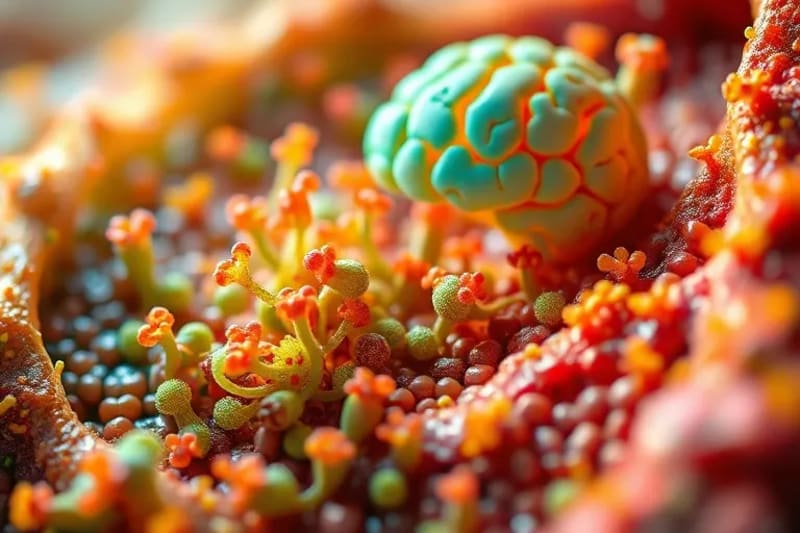
A flourishing gut microbiome, a complex ecosystem of microorganisms, is intricately linked to the brain's health and emotional regulation.
This digital artwork, inspired by scientific illustrations of gut microbiota, is a conceptual representation of the diverse bacterial communities within the human digestive system.Emerging research also suggests that the microbiome can influence brain development, social behavior, and even susceptibility to neurodevelopmental disorders. The concept of "psychobiotics" – probiotics or prebiotics that, when ingested, confer mental health benefits – is gaining traction, underscoring the therapeutic potential of targeting the gut microbiome.
Functional Nutrition: Principles and Application
Functional nutrition is a personalized, patient-centered approach that focuses on identifying and addressing the root causes of disease, rather than just managing symptoms. When applied to the gut-brain axis, it emphasizes optimizing dietary intake to support a healthy microbiome, reduce inflammation, and provide the necessary nutrients for optimal brain function.
Key principles of functional nutrition for mental health include:
Individualization: Recognizing that each person's genetic makeup, lifestyle, and microbiome are unique, functional nutrition tailors dietary recommendations to the individual. This often involves detailed assessment of dietary habits, gut health markers, and nutrient deficiencies.
Whole Foods Emphasis: Prioritizing nutrient-dense, unprocessed foods that provide a wide array of vitamins, minerals, antioxidants, and fiber. This forms the foundation for a healthy gut and brain.
Gut Restoration: Strategies to heal the gut lining, balance the microbiome, and improve digestive function. This may involve removing inflammatory foods, introducing beneficial bacteria, and supporting digestive enzymes.
Inflammation Reduction: Identifying and eliminating dietary triggers of inflammation, such as refined sugars, processed foods, and certain food sensitivities. Incorporating anti-inflammatory foods like omega-3 fatty acids and polyphenols is also key.
Nutrient Optimization: Ensuring adequate intake of specific micronutrients vital for neurotransmitter synthesis and brain health, including B vitamins, magnesium, zinc, and vitamin D.
This holistic approach extends beyond mere dietary advice, often integrating lifestyle factors such as stress management, sleep optimization, and physical activity, all of which profoundly influence the gut-brain axis. Such comprehensive strategies are vital for achieving Biohacking Extreme Longevity and overall well-being.
Key Nutrients and Dietary Patterns for Gut-Brain Health
Specific nutrients and dietary patterns have been extensively studied for their impact on the gut-brain axis and mental health outcomes. Incorporating these into a functional nutrition plan can yield significant benefits.
Prebiotics and Probiotics:
Prebiotics: These are non-digestible fibers that selectively stimulate the growth and activity of beneficial gut bacteria. Sources include garlic, onions, leeks, asparagus, bananas, and oats. They are essential for SCFA production.
Probiotics: Live microorganisms that, when administered in adequate amounts, confer a health benefit on the host. Fermented foods like yogurt, kefir, sauerkraut, kimchi, and kombucha are natural sources. Specific probiotic strains have been shown to reduce anxiety and depression symptoms.
Omega-3 Fatty Acids: Found in fatty fish (salmon, mackerel), flaxseeds, and walnuts, omega-3s (especially EPA and DHA) are crucial for brain structure and function. They possess potent anti-inflammatory properties and can modulate neurotransmitter pathways, making them vital for mood regulation and cognitive health.
Polyphenols: These plant compounds, abundant in berries, dark chocolate, green tea, and colorful vegetables, act as antioxidants and have anti-inflammatory effects. They can also positively influence the gut microbiome composition, promoting beneficial bacteria and inhibiting pathogenic ones.
Dietary Patterns:
Mediterranean Diet: Rich in fruits, vegetables, whole grains, legumes, nuts, seeds, olive oil, and moderate amounts of fish and poultry. This diet is consistently associated with a lower risk of depression and improved cognitive function, largely due to its anti-inflammatory and microbiome-supporting properties.
Plant-Based Diets: Often high in fiber and diverse plant compounds, these diets can promote a rich and varied gut microbiome, leading to beneficial SCFA production and reduced inflammation.

A curated selection of nutrient-dense foods, each playing a vital role in nurturing both gut health and cognitive function.
This 3D render of a food still life is designed to visually represent the core components of a functional diet, emphasizing their natural forms and vibrant qualities.Impact on Mental Health Conditions
The growing body of evidence linking the gut-brain axis to mental health has profound implications for the prevention and treatment of various neuropsychiatric conditions. Dysregulation of this axis is implicated in a range of disorders:
Depression and Anxiety: Numerous studies show altered gut microbiota composition in individuals with depression and anxiety. Interventions targeting the microbiome, such as probiotic supplementation or fecal microbiota transplantation, have demonstrated promising results in improving symptoms.
Stress-Related Disorders: Chronic stress can significantly alter gut permeability and microbial balance, leading to increased inflammation and HPA axis dysregulation. Functional nutrition strategies aim to bolster resilience against these stress-induced changes.
Neurodevelopmental Disorders: Emerging research suggests a connection between gut dysbiosis and conditions like autism spectrum disorder (ASD). While complex, this area holds potential for novel therapeutic approaches.
Neurodegenerative Diseases: Conditions such as Parkinson's disease and Alzheimer's disease are increasingly being linked to gut dysfunction and inflammation. The gut-brain axis may represent a critical early target for intervention, potentially influencing disease progression.
The therapeutic potential of modulating the gut-brain axis through diet and lifestyle is immense, offering complementary strategies to conventional treatments and a path towards more personalized mental healthcare. This approach aligns with modern insights into holistic health and preventive medicine.
Clinical Applications and Future Directions
In clinical practice, functional nutritionists and integrative healthcare providers are increasingly incorporating gut-brain axis concepts into their treatment protocols. This often involves comprehensive stool testing to assess microbiome composition, gut permeability, and inflammatory markers, followed by personalized dietary and supplement recommendations.
Interventions may include:
Elimination Diets: Temporarily removing common food allergens or sensitivities (e.g., gluten, dairy) to reduce gut inflammation and improve symptoms.
Targeted Probiotic/Prebiotic Supplementation: Using specific strains or combinations based on individual needs and clinical evidence.
Nutrient Repletion: Addressing deficiencies in vitamins, minerals, and amino acids critical for brain health.
Lifestyle Modifications: Emphasizing stress reduction techniques (mindfulness, meditation), regular exercise, and adequate sleep to support overall gut-brain balance.
The future of research in this area is bright, with ongoing studies exploring the precise mechanisms by which specific microbial species influence brain function, the development of novel psychobiotics, and the integration of gut-brain axis insights into mainstream psychiatric care. The potential for personalized medicine, where dietary interventions are tailored to an individual's unique microbiome signature, represents a frontier in mental health treatment.
As our understanding deepens, the gut-brain axis will undoubtedly become a cornerstone of comprehensive mental health strategies, moving beyond symptomatic relief to address the foundational physiological imbalances that contribute to psychological distress. This evolving field promises a future where mental well-being is intrinsically linked to a healthy gut.
Explore More Insights
Delve deeper into related topics and expand your knowledge with our curated selection of articles:
Source: Hybrid content assisted by AI and human editorial supervision.


Comentarios