
Geopolitics Water 21st Century Conflicts Opportunities
Water, often dubbed "blue gold," is rapidly emerging as the most critical resource of the 21st century, shaping geopolitical landscapes, fueling conflicts, and simultaneously presenting unprecedented opportunities for innovation and strategic business development. As global populations soar and climate change intensifies, the availability and management of freshwater resources are becoming central to national security, economic stability, and international relations. Understanding the complex interplay of these factors is essential for navigating the challenges and harnessing the potential of this vital commodity.
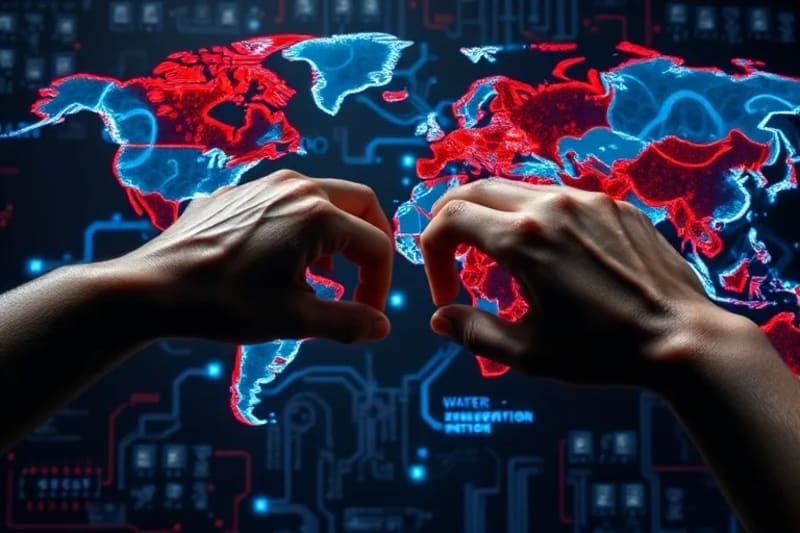
A global perspective on water resources, highlighting areas of scarcity and potential for international cooperation or conflict.
The geopolitics of water refers to the political and economic implications of water resources, particularly freshwater, and how their distribution, scarcity, and management influence power dynamics between states and non-state actors. This field of study analyzes how access to water can be a source of both cooperation and contention, driving diplomatic efforts or escalating tensions across shared basins.
In an era defined by environmental shifts and demographic pressures, water is no longer merely a local issue but a global strategic asset. Its role extends beyond basic human needs, impacting agriculture, industry, energy production, and ecosystem health, making its sustainable governance a paramount concern for the international community.
Table of Contents
- Key Drivers of Water Geopolitics
- Water as a Source of Conflict
- Water as an Opportunity for Cooperation
- Strategic Water Businesses and Innovation
- Legal and Ethical Frameworks
- Challenges and Future Outlook
Key Drivers of Water Geopolitics
Several interconnected factors are intensifying the geopolitical significance of water in the 21st century. These drivers create a complex web of challenges that demand innovative solutions and robust international cooperation.
- Increasing Scarcity: Despite water covering 70% of the Earth's surface, only about 2.5% is freshwater, and much of that is locked in glaciers or deep underground. Accessible freshwater resources are finite and unevenly distributed, leading to chronic shortages in many regions.
- Population Growth: The global population is projected to reach nearly 10 billion by 2050, placing immense pressure on existing water supplies for drinking, sanitation, and food production. More people mean greater demand across all sectors.
- Climate Change: Altered precipitation patterns, increased frequency of droughts and floods, and glacier melt directly impact water availability. Climate change exacerbates existing water stress and creates new areas of concern, making water management unpredictable.
- Pollution: Industrial waste, agricultural runoff, and inadequate wastewater treatment contaminate freshwater sources, rendering them unusable. This reduces the effective supply of clean water, further straining resources. The legacy of environmental degradation, as highlighted by figures like Rachel Carson's work on environmental awareness, underscores the long-term impact of human activities on vital ecosystems and water quality.
- Aging Infrastructure: Many regions rely on outdated water infrastructure that suffers from leaks, inefficiencies, and inadequate capacity to meet modern demands. Investing in new and resilient infrastructure is crucial for future water security.
Water as a Source of Conflict
While large-scale "water wars" are rare, water scarcity and transboundary water resources frequently act as catalysts or exacerbating factors in existing political tensions. Disputes often arise over shared rivers, lakes, and aquifers, particularly when upstream nations develop projects that impact downstream flows.
The Nile River basin, shared by 11 countries, is a prime example. Ethiopia's Grand Ethiopian Renaissance Dam (GERD) project has sparked significant concerns in Egypt and Sudan, who fear reduced water supplies vital for their agriculture and populations. Similarly, the Mekong River, flowing through six Southeast Asian nations, faces tensions due to dam construction by China and other upstream countries, affecting fishing and livelihoods downstream.
Strategic businesses are emerging to address water scarcity through innovative technologies and sustainable practices.
These disputes highlight the delicate balance between national sovereignty over resources and the shared responsibility for transboundary water management. The absence of robust international agreements and enforcement mechanisms often leaves nations vulnerable to unilateral actions, escalating the risk of political instability.
Water as an Opportunity for Cooperation
Despite the potential for conflict, water also serves as a powerful catalyst for cooperation and diplomacy. Shared water resources can compel nations to engage in dialogue, negotiate treaties, and establish joint management bodies to ensure equitable and sustainable use.
Examples of successful water diplomacy include the Indus Waters Treaty between India and Pakistan, which has endured decades of political conflict, and the agreements surrounding the Rhine River, involving several European nations. These frameworks demonstrate that shared challenges can lead to shared solutions, fostering regional stability and mutual benefit.
International organizations, such as the United Nations and regional bodies, play a crucial role in facilitating these discussions, providing technical expertise, and mediating disputes. The development of international water law and principles of equitable utilization offers a foundation for peaceful resolution, even if adherence remains a challenge. The concept of abdication in legal and historical contexts can be metaphorically applied to states ceding some sovereignty over water resources for collective benefit, highlighting the complex legal frameworks involved.
Strategic Water Businesses and Innovation
The growing global water crisis has spurred significant innovation and created a burgeoning market for strategic water businesses. These enterprises focus on developing and implementing solutions for water scarcity, quality, and management, transforming challenges into economic opportunities.
- Water Treatment and Purification: Companies specializing in advanced filtration, UV sterilization, and chemical-free purification systems are crucial for making contaminated water safe for consumption and industrial use. This includes both large-scale municipal plants and portable solutions for remote areas.
- Desalination Technologies: As freshwater sources dwindle, desalination of seawater and brackish water is becoming increasingly viable. Innovations in reverse osmosis, membrane technology, and energy efficiency are making this process more affordable and sustainable.
- Efficient Irrigation and Agricultural Practices: Agriculture accounts for approximately 70% of global freshwater withdrawals. Businesses developing drip irrigation, precision farming, drought-resistant crops, and water-saving agricultural techniques are vital for food security and water conservation.
- Smart Water Management: The integration of IoT (Internet of Things), AI, and data analytics is revolutionizing water management. Smart sensors, leak detection systems, real-time monitoring, and predictive modeling help optimize water distribution, reduce waste, and improve infrastructure resilience. These advancements align with broader trends in digital governance, where even concepts like Neuro-rights and generative AI highlight the increasing reliance on technology for managing complex systems.
- Water Infrastructure Development: Investment in new dams, reservoirs, pipelines, and wastewater treatment plants is essential. Companies involved in engineering, construction, and maintenance of these critical infrastructures are at the forefront of ensuring reliable water supply.
- Water Recycling and Reuse: Treating wastewater to a standard suitable for non-potable uses (e.g., irrigation, industrial processes) or even potable reuse reduces demand on fresh natural sources. This circular economy approach is gaining traction globally.
The rise of these strategic water businesses aligns with the principles of a circular economy and sustainable startups, where resource efficiency and waste reduction are paramount. These enterprises not only address environmental challenges but also create significant economic value and employment opportunities.
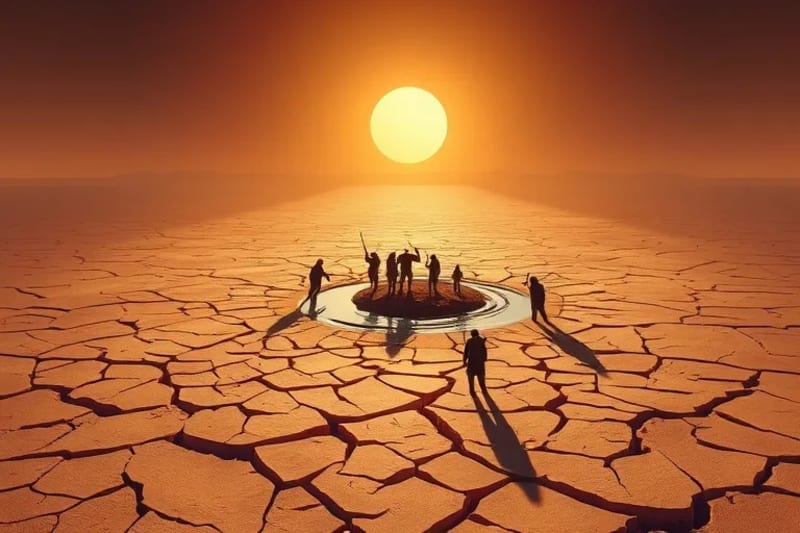
The stark reality of water scarcity, illustrating its potential to ignite conflicts over vital resources.
Legal and Ethical Frameworks
The ethical and legal dimensions of water management are as complex as its geopolitical implications. The recognition of water as a human right by the United Nations in 2010 underscores the moral imperative to ensure access to safe and clean drinking water and sanitation for all.
International water law, though fragmented, provides a framework for managing transboundary watercourses. Key principles include equitable and reasonable utilization, the obligation not to cause significant harm, and the duty to cooperate. However, the lack of a universally binding and enforceable legal instrument often hinders effective implementation.
At national levels, water governance involves complex regulatory bodies, allocation systems, and pricing mechanisms. Balancing the needs of agriculture, industry, ecosystems, and domestic consumption requires robust legal frameworks and transparent decision-making processes to prevent corruption and ensure equitable access.
Challenges and Future Outlook
The future of water geopolitics is fraught with challenges but also ripe with opportunities. Overcoming these hurdles requires a multi-faceted approach involving technological innovation, political will, and societal engagement.
One of the primary challenges is securing adequate investment for water infrastructure and sustainable management practices. Many developing nations lack the financial resources to implement necessary changes, making international aid and public-private partnerships crucial. Another significant hurdle is fostering genuine political will for cooperation, especially in regions with deep-seated historical rivalries.
Looking ahead, the integration of advanced technologies will play an increasingly vital role. From AI-driven water allocation systems to biotechnological solutions for water purification, innovation offers pathways to enhance water security. Furthermore, public awareness and education on water conservation are essential to shift consumption patterns and build a culture of responsible water stewardship.
The geopolitics of water in the 21st century will undoubtedly remain a defining feature of international relations. As the world grapples with finite resources and a changing climate, the ability to manage water sustainably, cooperatively, and innovatively will determine the stability and prosperity of nations.
The choices made today regarding water policy, investment, and international agreements will have profound implications for generations to come. Embracing a holistic approach that recognizes water's ecological, economic, and social value is not just an environmental imperative but a strategic necessity for global peace and development.
Explore Further
Source: Hybrid content assisted by AI and human editorial supervision.


Comentarios