
Genetic Engineering Human Future Ethical Scientific
Genetic engineering stands at the forefront of scientific innovation, promising to revolutionize medicine, agriculture, and even the very definition of human existence. This field encompasses a range of technologies that allow scientists to modify the genes of living organisms, from simple bacteria to complex mammals. The potential applications are vast, offering solutions to inherited diseases, enhancing crop yields, and potentially altering human traits.
The journey into genetic modification began with foundational discoveries in molecular biology, unraveling the double-helix structure of DNA and the mechanisms of gene expression. Early techniques focused on recombinant DNA technology, enabling the transfer of genes between organisms. Today, advanced tools like CRISPR-Cas9 have made gene editing more precise, efficient, and accessible than ever before, opening new frontiers for research and application.
 A futuristic laboratory setting where advanced bioengineering concepts are visualized through holographic displays and human interaction.
The implications of genetic engineering extend far beyond therapeutic uses, touching upon philosophical and ethical considerations about what it means to be human. As our ability to manipulate the genome grows, so does the debate surrounding the boundaries of intervention. This article will explore the scientific underpinnings, ethical challenges, and the emerging phenomenon of biohacking that define the future of human genetic modification.
Table of Contents
- 1. Fundamentals of Genetic Engineering
- 2. The CRISPR Revolution and Its Applications
- 3. Biohacking: Self-Optimization and Genetic Modification
- 4. Ethical Dilemmas and Societal Impact
- 5. Regulatory Frameworks and Public Perception
- 6. Future Prospects and Human Evolution
1. Fundamentals of Genetic Engineering
Genetic engineering, at its core, involves directly manipulating an organism's genes using biotechnology. This differs from traditional breeding, which indirectly modifies genes through selective reproduction. The primary goal is to introduce new traits, remove undesirable ones, or enhance existing characteristics within an organism's genetic makeup.
Early genetic engineering techniques relied on restriction enzymes to cut DNA at specific sequences and then ligase enzymes to paste new DNA fragments. This allowed for the creation of recombinant DNA, which could then be inserted into host cells. These methods were instrumental in producing insulin for diabetics and developing genetically modified crops resistant to pests.
The process typically involves isolating the desired gene, preparing it for insertion, and then introducing it into the target organism's genome. Vectors, such as plasmids or viruses, are often used to deliver the new genetic material efficiently. Understanding these fundamental steps is crucial for appreciating the complexities and potentials of modern gene editing.
2. The CRISPR Revolution and Its Applications
The advent of CRISPR-Cas9 (Clustered Regularly Interspaced Short Palindromic Repeats and CRISPR-associated protein 9) has dramatically transformed the landscape of genetic engineering. This revolutionary technology, derived from a bacterial immune system, allows scientists to edit genes with unprecedented precision, speed, and cost-effectiveness. It acts like molecular scissors, capable of cutting DNA at specific locations, enabling the removal, insertion, or replacement of genetic material.
CRISPR's applications are incredibly diverse. In medicine, it holds immense promise for correcting genetic defects responsible for diseases like cystic fibrosis, Huntington's disease, and sickle cell anemia. Researchers are also exploring its use in developing new cancer therapies, creating HIV-resistant cells, and even combating viral infections. The ability to precisely target and modify genes opens avenues for personalized medicine, tailoring treatments to an individual's unique genetic profile.
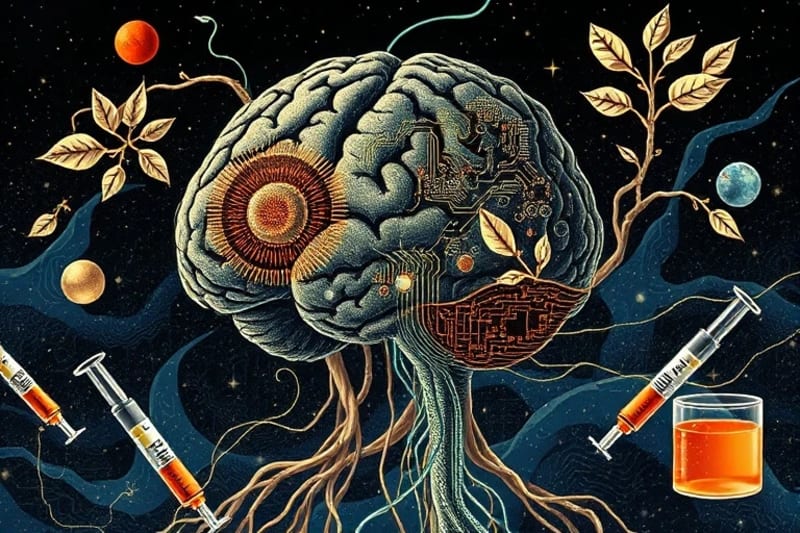 A conceptual representation of biohacking, blending biological elements with technological enhancements and precise interventions.
Beyond human health, CRISPR is being applied in agriculture to develop crops with enhanced nutritional value, increased resistance to pests and diseases, and improved resilience to environmental stressors. Livestock can also be modified for disease resistance or to produce more meat or milk. This technology has the potential to address global food security challenges and reduce the environmental impact of farming.
However, the power of CRISPR also raises significant ethical questions, particularly concerning germline editing—modifications that are heritable and passed down to future generations. These discussions are critical as the technology becomes more widespread and accessible, prompting a global conversation about responsible innovation.
3. Biohacking: Self-Optimization and Genetic Modification
Biohacking refers to a broad range of activities aimed at optimizing human biology and performance through various interventions, often outside traditional medical settings. While some biohacking involves lifestyle changes like diet and exercise, a more advanced form delves into genetic modification, often referred to as "DIY biology" or "grinder" biohacking. This can range from experimenting with gene therapies to implanting technological devices to enhance sensory perception or physical capabilities.
The motivation behind biohacking is often a desire for self-improvement, extended lifespan, enhanced cognitive function, or even a quest for physical immortality. Proponents argue that individuals should have the autonomy to explore and modify their own biology, pushing the boundaries of human potential. This movement often emphasizes a proactive approach to health and well-being, seeking to understand and manipulate biological processes for desired outcomes. This quest for well-being is also explored in the neuroscience of happiness, where the brain's mechanisms for seeking contentment are studied.
Genetic biohacking, though less common and significantly riskier, involves individuals attempting to modify their own genes, often using accessible but unregulated CRISPR kits. These experiments are typically conducted without professional medical supervision, raising serious concerns about safety, efficacy, and unforeseen consequences. The lack of rigorous testing and ethical oversight in these practices poses substantial risks to the individuals involved and could have broader public health implications.
The biohacking community, while diverse, shares a common thread of curiosity and a belief in the power of technology to reshape human experience. However, the line between innovation and recklessness can be thin, especially when dealing with fundamental biological processes. This emerging trend highlights the need for robust ethical discussions and clear regulatory guidelines to ensure responsible advancement.
4. Ethical Dilemmas and Societal Impact
The profound capabilities of genetic engineering and biohacking bring forth a myriad of complex ethical dilemmas. One of the most significant concerns is the concept of "designer babies," where parents could potentially select for desirable traits like intelligence, athletic ability, or physical appearance. This raises questions about genetic discrimination, social inequality, and the potential for a new form of eugenics, creating a divide between those who can afford genetic enhancements and those who cannot.
Germline editing, which involves altering genes in reproductive cells, is particularly contentious because these changes are heritable, affecting all future generations. Critics argue that such interventions represent an irreversible alteration of the human gene pool, with unknown long-term consequences. The precautionary principle suggests extreme caution, emphasizing that we do not fully understand the intricate web of genetic interactions and the potential for unintended side effects.
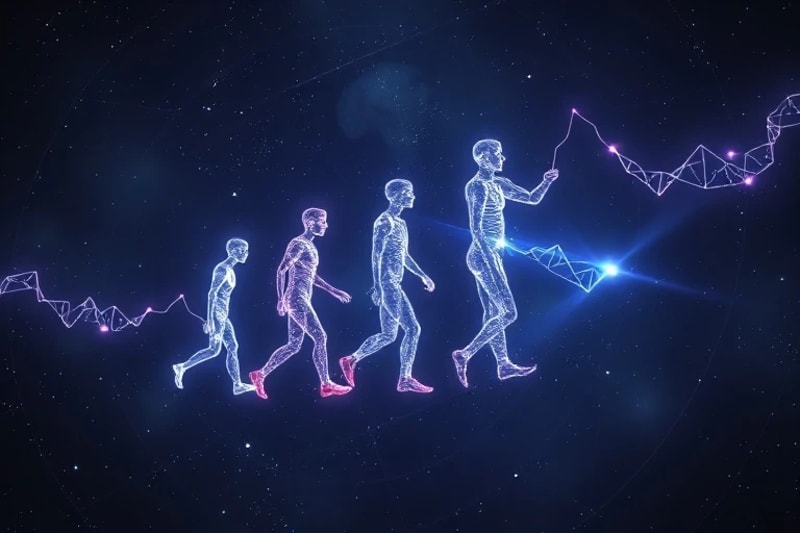 An abstract visualization depicting the potential divergent paths of human evolution influenced by genetic modification and technological advancements.
Another ethical concern revolves around the concept of "playing God" and interfering with natural processes. Religious and philosophical viewpoints often question humanity's right to manipulate fundamental biological blueprints. The potential for misuse, such as creating biological weapons or exploiting genetic information, also presents a grave concern. Just as with algorithmic audits for AI, rigorous oversight and accountability are essential for genetic technologies.
The societal impact could be profound, altering our understanding of health, disease, and individuality. It could redefine concepts of disability, potentially pressuring individuals to conform to genetically "optimized" norms. These ethical considerations demand a global dialogue involving scientists, ethicists, policymakers, and the public to navigate this powerful technology responsibly.
5. Regulatory Frameworks and Public Perception
Given the ethical complexities and potential societal impacts, robust regulatory frameworks are essential for guiding the development and application of genetic engineering technologies. Different countries and international bodies have adopted varying approaches, reflecting diverse cultural values and scientific priorities. Some nations have outright banned germline editing, while others permit it under strict research conditions.
The challenge lies in creating regulations that foster innovation while safeguarding against misuse and unintended consequences. This often involves establishing independent oversight committees, promoting transparency in research, and ensuring public engagement in decision-making processes. International cooperation is also vital to prevent "gene tourism" and establish global ethical standards for human genetic modification.
Public perception plays a crucial role in shaping policy and influencing the direction of genetic research. Misinformation, sensationalism, and a lack of scientific literacy can lead to fear and resistance, hindering beneficial advancements. Conversely, an informed public can contribute to constructive dialogue and help define acceptable boundaries for intervention. Effective communication from scientific and ethical communities is paramount to building trust and ensuring that public concerns are addressed.
For instance, the application of generative AI in medical diagnosis, while promising, also requires careful regulatory consideration to ensure accuracy, fairness, and patient safety. Similarly, genetic technologies demand comparable levels of scrutiny and public trust to be widely accepted and utilized for the common good.
6. Future Prospects and Human Evolution
The future of genetic engineering and its impact on human evolution is a topic of intense speculation and scientific inquiry. On one hand, the potential to eradicate debilitating genetic diseases promises a healthier future for humanity. Gene therapies are already showing success in treating certain conditions, and ongoing research could expand these treatments to a broader range of disorders. This could lead to a significant reduction in suffering and an improvement in overall quality of life.
On the other hand, the possibility of enhancing human capabilities—often termed "human augmentation" or "transhumanism"—raises profound questions about the nature of human identity and the trajectory of our species. Will genetic modifications lead to new forms of human, or even post-human, existence? How will these changes affect our social structures, our understanding of equality, and our relationship with the natural world?
The intersection of genetic engineering with other emerging technologies, such as artificial intelligence and nanotechnology, could accelerate these changes exponentially. AI-driven drug discovery, personalized gene therapies, and even brain-computer interfaces could become commonplace, creating a future where the boundaries between biology and technology blur. This convergence demands foresight and careful planning to ensure that these powerful tools are used for the benefit of all, rather than exacerbating existing inequalities.
Ultimately, the path we choose for genetic engineering will define the future of human health, society, and evolution. It is a journey that requires not only scientific brilliance but also profound ethical wisdom and a commitment to inclusive, informed decision-making. The choices made today will resonate for generations, shaping the very fabric of what it means to be human in the 21st century and beyond.
Explore Further
- Agile Leadership: Adaptability, Resilience, and Modern Success
- Mediation, Commercial Arbitration: Alternative Conflict Resolution
- Water Geopolitics 21st Century: Conflicts, Business, Opportunities
- Lunar Phases: Impact on Mood and Personal Cycles
- Patron Saints of Work: Invocations and Prayers
- Shadow Work Tarot: Confronting Inner Demons for Spiritual Growth
Source: Hybrid content assisted by AI and human editorial supervision.


Comentarios