
Genetic Bioengineering Human Future Ethical Scientific
Genetic Bioengineering and the Human Future: Deep Ethical and Scientific Implications
Genetic bioengineering stands at the forefront of scientific innovation, promising to revolutionize human health, longevity, and even the very definition of humanity. This field encompasses a broad range of technologies aimed at modifying the genetic makeup of organisms, with a particular focus on human applications. From correcting debilitating diseases to enhancing natural capabilities, the potential is vast and transformative.
The rapid advancements in tools like CRISPR-Cas9 have propelled genetic engineering from theoretical discussions into practical possibilities, raising profound scientific and ethical questions. As we delve deeper into manipulating the blueprint of life, understanding these implications becomes paramount. This exploration will cover the scientific underpinnings, the burgeoning field of biohacking, and the complex ethical landscape that accompanies these powerful technologies.

Conceptual depiction of advanced genetic research in a futuristic laboratory setting, highlighting the intricate manipulation of DNA.
Table of Contents
- Scientific Foundations of Genetic Bioengineering
- The CRISPR Revolution: Precision Gene Editing
- Biohacking: Self-Experimentation and Human Enhancement
- Ethical Dilemmas and Societal Impact
- Regulatory Challenges and Future Governance
- The Future Outlook: Promises and Perils
Scientific Foundations of Genetic Bioengineering
Genetic bioengineering leverages our understanding of DNA, RNA, and proteins to alter the genetic characteristics of an organism. This field is built upon decades of foundational research in molecular biology, genetics, and biochemistry. Early techniques involved random mutagenesis and selective breeding, but modern approaches are far more precise and targeted.
Key scientific principles include the central dogma of molecular biology, which describes the flow of genetic information from DNA to RNA to protein. Understanding how genes are expressed and regulated allows scientists to intervene at various stages. The development of recombinant DNA technology in the 1970s marked a pivotal moment, enabling the transfer of genetic material between different species.
This foundational knowledge has paved the way for gene therapy, where defective genes are replaced or inactivated to treat diseases. Early gene therapy trials faced significant hurdles, including issues with delivery vectors and immune responses. However, continuous research has led to more sophisticated and safer methods, bringing hope for conditions previously deemed untreatable.
The CRISPR Revolution: Precision Gene Editing
The advent of CRISPR-Cas9 (Clustered Regularly Interspaced Short Palindromic Repeats and CRISPR-associated protein 9) technology has undeniably revolutionized genetic bioengineering. Discovered as a bacterial immune system, CRISPR allows scientists to precisely cut and edit DNA sequences with unprecedented accuracy and ease. This molecular "scissor" has transformed the landscape of genetic research and therapeutic development.
CRISPR's mechanism involves a guide RNA molecule that directs the Cas9 enzyme to a specific DNA target, where it makes a precise cut. The cell's natural repair mechanisms then kick in, allowing scientists to either disable a gene, correct a mutation, or insert new genetic material. This precision has opened doors for treating a wide array of genetic disorders, from cystic fibrosis and sickle cell anemia to Huntington's disease.
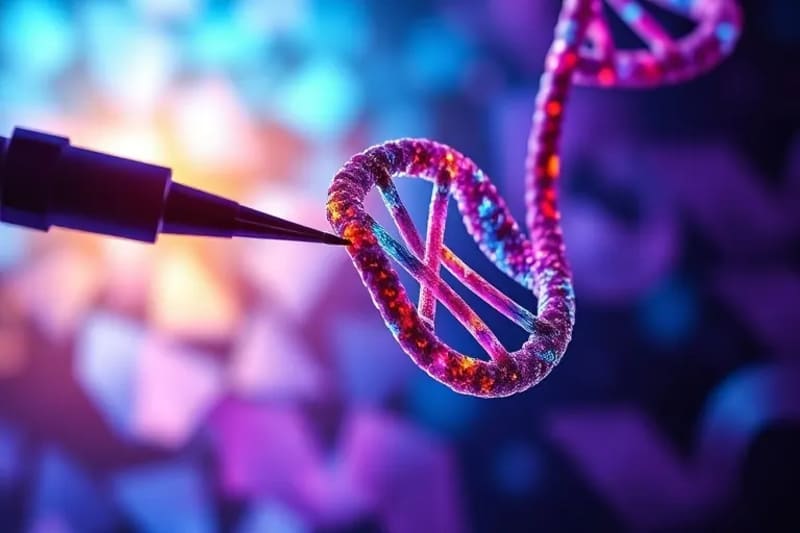
An artistic rendering of advanced gene editing tools meticulously working on a DNA helix, symbolizing the power of CRISPR.
Beyond therapeutic applications, CRISPR also holds immense potential in agriculture for creating disease-resistant crops and in basic research for understanding gene function. The simplicity and cost-effectiveness of CRISPR have made it widely accessible, accelerating scientific discovery globally. However, its power also necessitates careful consideration of its ethical implications, particularly when applied to the human germline.
The ability to edit genes in human embryos, ensuring that changes are heritable, presents a profound ethical frontier. While it could eradicate inherited diseases for future generations, it also raises concerns about "designer babies" and unintended consequences. The scientific community has largely called for a moratorium on germline editing until robust ethical frameworks and safety protocols are established.
Biohacking: Self-Experimentation and Human Enhancement
Biohacking, often described as "do-it-yourself biology," involves individuals attempting to optimize their own biology and performance using a combination of nutritional interventions, technological implants, and genetic modifications. While some forms of biohacking are relatively benign, such as dietary changes or sleep optimization, others delve into more experimental and potentially risky territory, including self-administered gene therapies.
The motivations behind biohacking are diverse, ranging from a desire for enhanced cognitive function and increased physical endurance to extending lifespan and even achieving radical self-improvement. Some biohackers experiment with nootropics, transdermal patches, or even microchip implants to gain new functionalities. The community often shares protocols and results online, fostering a culture of open-source experimentation.
The intersection of biohacking and genetic bioengineering is particularly contentious. Unregulated gene therapy kits and DIY CRISPR experiments pose significant health risks due to lack of scientific rigor, potential off-target effects, and unknown long-term consequences. This raises critical questions about personal autonomy versus public safety and the need for responsible innovation. The pursuit of enhanced human capabilities also ties into broader discussions about designing spaces for brain health and longevity.
While the biohacking movement highlights a growing public interest in personal health optimization and human enhancement, it also underscores the importance of scientific oversight and ethical guidelines. The allure of quick fixes for complex biological processes can overshadow the rigorous testing and validation required for safe and effective interventions. Understanding the computational aspects of biology, much like Ada Lovelace's vision for computation, is crucial for responsible biological innovation.
Ethical Dilemmas and Societal Impact
The ethical landscape surrounding genetic bioengineering is complex and multifaceted. One of the primary concerns is the potential for exacerbating social inequalities. If genetic enhancements become accessible only to the wealthy, it could create a new form of class division, leading to a "genetically privileged" elite and widening the gap between different segments of society. This raises fundamental questions about distributive justice and equitable access to advanced medical technologies.
Another significant ethical debate revolves around the concept of "designer babies." While gene editing to prevent severe genetic diseases is widely accepted, the line blurs when considering enhancements for non-medical traits like intelligence, athletic ability, or physical appearance. This could lead to a slippery slope, where parental preferences dictate genetic modifications, potentially eroding human diversity and autonomy.
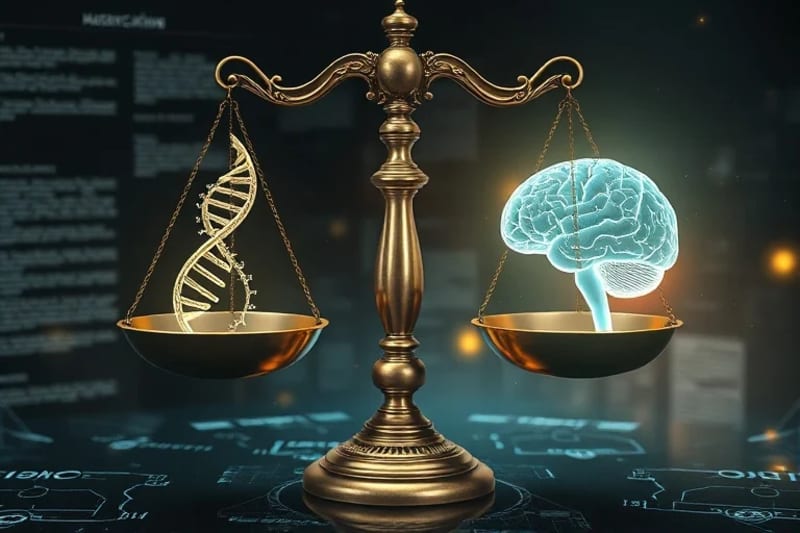
A conceptual rendering of the ethical considerations in genetic engineering, balancing scientific advancement with human values.
The long-term ecological and evolutionary impacts of altering human genes are also largely unknown. Introducing widespread genetic changes could have unforeseen consequences for the human gene pool and our relationship with the natural world. The principle of "playing God" often surfaces in these discussions, reflecting deep-seated anxieties about humanity's role in manipulating fundamental biological processes.
Furthermore, the ownership and commercialization of genetic information and modified organisms present new challenges for intellectual property. The legal frameworks around intellectual property in the age of blockchain and the metaverse offer some parallels, but bioengineering introduces unique complexities regarding life itself. Ensuring transparency and accountability in genetic research and its applications is crucial to fostering public trust and preventing misuse.
Regulatory Challenges and Future Governance
The rapid pace of genetic bioengineering research often outstrips the development of adequate regulatory frameworks. Governments and international bodies are grappling with how to effectively govern these powerful technologies without stifling innovation. Current regulations vary significantly across countries, leading to a patchwork of rules that can be difficult to enforce globally.
Key areas for regulation include the approval process for gene therapies, guidelines for human germline editing, and oversight of biohacking activities. The challenge lies in balancing the potential benefits of genetic interventions with the need to protect individuals and society from harm. International collaboration is essential to establish common ethical principles and regulatory standards.
Public engagement and education are also vital components of effective governance. Informed public discourse can help shape policies that reflect societal values and concerns. Scientific organizations, ethicists, policymakers, and the public must work together to navigate this complex terrain. The discussions around health optimization, such as those related to cardiovascular benefits of HIIT, demonstrate the public's desire for informed health choices, a principle that must extend to genetic interventions.
Developing robust oversight mechanisms, including independent ethics committees and transparent review processes, is critical. These mechanisms can help ensure that research is conducted responsibly and that new therapies are safe, effective, and equitably distributed. The future of genetic bioengineering depends heavily on our ability to create a governance structure that is both flexible and ethically sound.
The Future Outlook: Promises and Perils
The future of human genetic bioengineering is poised to bring about transformative changes, offering unprecedented opportunities to combat disease, extend healthy lifespans, and potentially enhance human capabilities. Personalized medicine, tailored to an individual's unique genetic profile, could become the standard of care, leading to more effective treatments and preventative strategies. The eradication of inherited diseases could free countless individuals from suffering.
However, these promises are intertwined with significant perils. The potential for unintended consequences, the risk of exacerbating social inequalities, and the profound ethical questions surrounding human identity and intervention in the natural order demand careful navigation. The distinction between therapy and enhancement will continue to be a focal point of debate, challenging our societal values and legal frameworks.
As technology advances, so too must our ethical and regulatory foresight. The ongoing dialogue between scientists, ethicists, policymakers, and the public will be crucial in shaping a future where genetic bioengineering serves the greater good. The responsible development and application of these technologies will determine whether they lead to a healthier, more equitable future or create new divides and unforeseen challenges for humanity.
Ultimately, genetic bioengineering represents a powerful tool that can reshape the human experience. Its profound implications necessitate a collective commitment to rigorous scientific inquiry, transparent ethical deliberation, and inclusive governance. Only through such a balanced approach can we hope to harness its potential while mitigating its risks, ensuring that the future of humanity is guided by wisdom and responsibility.
Explore Further
Deepen your understanding of related topics:
Source: Hybrid content assisted by AI and human editorial supervision.


Comentarios