
Fungal Ecosystems: Unlocking Their Potential for a Sustainable Future
Fungal ecosystems, often overlooked, represent a vast and largely untapped reservoir of biological diversity and potential. These intricate networks of mycelia and fruiting bodies play critical roles in nearly every terrestrial and aquatic environment, acting as decomposers, symbionts, and pathogens. Their metabolic versatility allows them to break down complex organic matter, cycle nutrients, and form essential partnerships with plants, influencing global biogeochemical cycles and ecosystem health. Understanding and harnessing this biological prowess is becoming increasingly vital in the quest for sustainable solutions to pressing global challenges.
The emergence of synthetic biology offers unprecedented opportunities to engineer these natural capabilities for human benefit. By applying principles of engineering to biological systems, scientists can design and construct novel biological parts, devices, and systems, or re-design existing natural biological systems. When applied to fungi, synthetic biology can unlock new pathways for producing sustainable materials, biofuels, pharmaceuticals, and, critically, functional foods. This interdisciplinary field promises to transform how we interact with the natural world, moving towards a future where biological processes are precisely controlled and optimized for sustainability.
Table of Contents
- The Unseen World of Fungi: Ecological Importance
- Synthetic Biology: Engineering Fungal Potential
- Fungi in Functional Nutrition: Beyond the Plate
- Environmental Sustainability: Fungal Solutions
- Challenges and Future Directions
 Precursors, conceptual representations, and intricate diagrams that illustrate the foundational understanding of fungal ecosystems and their complex interactions within natural environments.
Fuente visual sujeta a disponibilidad del ecosistema: Wikimedia Commons bajo licencia CC BY-SA 4.0 o renderizado conceptual IA.
The Unseen World of Fungi: Ecological Importance
Fungi are eukaryotic organisms that form a kingdom distinct from plants and animals, characterized by their unique cell walls containing chitin and their heterotrophic mode of nutrition. They are ubiquitous, inhabiting diverse environments from polar ice caps to hydrothermal vents, and playing indispensable roles in maintaining ecological balance. Their primary ecological function often revolves around decomposition, where they break down dead organic matter, releasing essential nutrients back into the ecosystem for other organisms to utilize.
Beyond decomposition, fungi engage in a myriad of symbiotic relationships. Mycorrhizal fungi, for instance, form mutualistic associations with the roots of approximately 90% of all plant species, enhancing nutrient and water uptake for plants in exchange for carbohydrates. Lichens, another remarkable example, are composite organisms resulting from a symbiotic relationship between fungi and photosynthetic partners like algae or cyanobacteria, enabling colonization of harsh environments. These interactions highlight fungi's role as critical facilitators of life on Earth.
The sheer metabolic diversity of fungi is astounding. They produce a vast array of enzymes and secondary metabolites, many of which have significant industrial and pharmaceutical applications. From antibiotics like penicillin to immunosuppressants and cholesterol-lowering drugs, fungi have been a cornerstone of modern medicine. Their ability to synthesize complex molecules and degrade recalcitrant compounds makes them invaluable biological factories, a characteristic that synthetic biology aims to exploit further.
Synthetic Biology: Engineering Fungal Potential
Synthetic biology represents a paradigm shift in biotechnology, moving beyond traditional genetic engineering to a more systematic and design-driven approach. It involves applying engineering principles to biology, enabling the rational design and construction of new biological functions and systems. For fungi, this means going beyond simply modifying existing strains to creating novel fungal chassis capable of performing specific tasks with high efficiency and predictability.
The robust nature of fungal cells, their capacity for high-yield production of secreted proteins, and their ability to grow on diverse, often low-cost, substrates make them ideal candidates for synthetic biology applications. Researchers are now designing fungal strains to produce a wide range of compounds, including advanced biofuels, biodegradable plastics, and novel enzymes for industrial processes. This engineering approach can significantly reduce the environmental footprint of manufacturing by replacing petrochemical-based processes with bio-based alternatives.
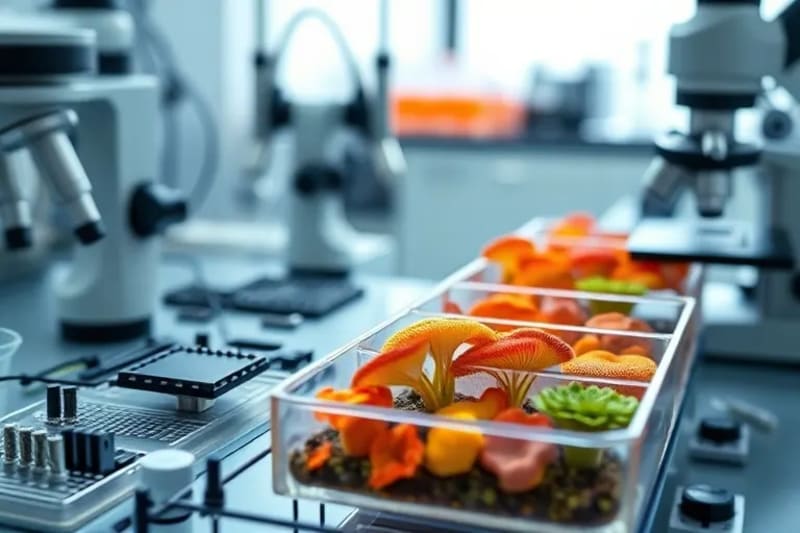 A close-up view of diverse fungal cultures in a controlled laboratory environment, symbolizing the scientific exploration into their potential for functional nutrition.
One of the key areas of focus is the optimization of metabolic pathways within fungi. By introducing or modifying genes, scientists can redirect fungal metabolism to produce desired compounds in larger quantities or to create entirely new molecules. This precision engineering allows for the development of highly efficient microbial cell factories, which can operate under mild conditions, consuming less energy and generating fewer hazardous byproducts compared to traditional chemical synthesis. The advancements in this field are rapid, continuously pushing the boundaries of what is possible, similar to the evolution seen in computational history, as explored in the article on Space Law Asteroid Mining Extraterrestrial Resources Legal Frontier.
Fungi in Functional Nutrition: Beyond the Plate
Functional nutrition focuses on the role of food in promoting health and preventing disease beyond basic caloric intake. Fungi, particularly various mushroom species and fermented products, have long been recognized for their nutritional and medicinal properties. They are rich in bioactive compounds such as beta-glucans, triterpenes, polysaccharides, and antioxidants, which contribute to immune modulation, anti-inflammatory effects, and gut health. Synthetic biology is now enhancing these natural benefits and creating new avenues for fungal-derived functional foods.
Through synthetic biology, it is possible to engineer fungal strains to overproduce specific nutrients or therapeutic compounds. For example, fungi can be modified to synthesize essential vitamins, amino acids, or even plant-based proteins, offering sustainable alternatives to traditional animal agriculture. This approach can address nutritional deficiencies in populations worldwide and provide more environmentally friendly food sources. The potential for bio-fortification of food products using engineered fungi is immense, contributing significantly to global food security and public health.
Moreover, fungi are being explored for their capacity to produce novel food ingredients with enhanced sensory properties or extended shelf life. Mycoprotein, derived from the fungus Fusarium venenatum, is already a well-established meat alternative, offering a complete protein source with a favorable environmental profile. Synthetic biology can further optimize such production systems, making them more efficient and scalable. This aligns with broader efforts in Biohacking Longevity Hormonal, where nutritional interventions are key to optimizing human health and extending lifespan.
Environmental Sustainability: Fungal Solutions
The environmental challenges facing our planet, including pollution, climate change, and resource depletion, demand innovative solutions. Fungal ecosystems, particularly when enhanced by synthetic biology, offer a powerful toolkit for addressing these issues. Their natural ability to degrade pollutants, sequester carbon, and produce sustainable materials positions them as key players in building a greener future.
Mycoremediation, the use of fungi to degrade or remove contaminants from the environment, is a prime example. Fungi can break down a wide range of persistent organic pollutants, heavy metals, and even radioactive waste. Synthetic biology can engineer fungi with enhanced bioremediation capabilities, making them more effective and specific in targeting particular pollutants. This could revolutionize waste management and site decontamination efforts, reducing the ecological impact of industrial activities.
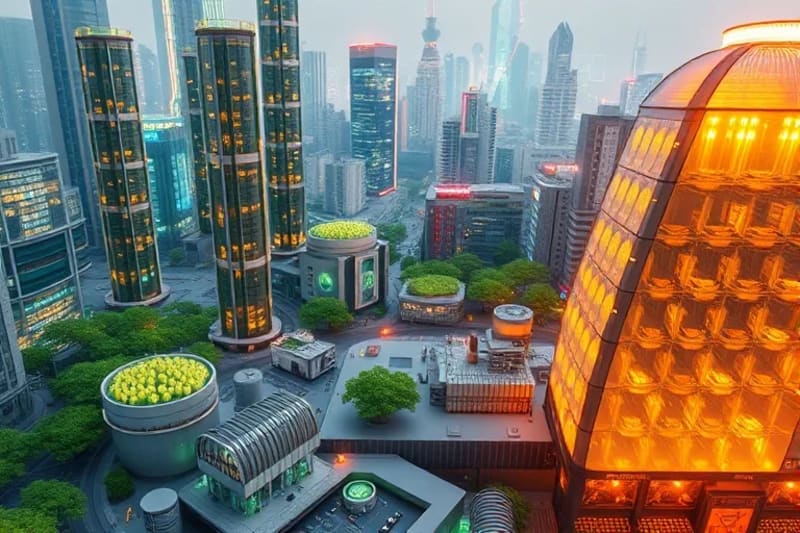 An artistic rendering of a future city, where advanced bioreactors cultivate fungal biomass for sustainable food, energy, and materials, illustrating a harmonious integration of technology and nature.
Furthermore, fungi are being explored for their potential in producing sustainable materials. Mycelium-based composites can serve as alternatives to traditional plastics, packaging materials, and even building insulation, offering biodegradable and renewable options. Synthetic biology can accelerate the development of these materials by optimizing fungal growth, modifying their structural properties, and introducing new functionalities. This diversification of material sources is crucial for reducing reliance on finite resources and mitigating plastic pollution.
The role of fungi in carbon sequestration is also significant. As decomposers, they help cycle carbon through ecosystems, and their extensive underground networks can store substantial amounts of carbon in the soil. Enhancing these processes through synthetic biology could contribute to climate change mitigation efforts. Moreover, fungi can be engineered to produce biofuels and bio-chemicals, offering renewable energy sources and reducing greenhouse gas emissions. The ethical and legal frameworks surrounding these innovations are also evolving, mirroring discussions around Metaverso Propiedad Intelectual: Desafíos Legales Activos Digitales, ensuring responsible development and deployment.
Challenges and Future Directions
Despite the immense potential, the application of synthetic biology to fungal ecosystems faces several challenges. These include the complexity of fungal genetics, which can be more challenging to manipulate than bacterial systems, and the need for robust regulatory frameworks to ensure the safe and ethical deployment of engineered organisms. Public perception and acceptance also play a crucial role, requiring transparent communication about the benefits and risks associated with synthetic biology.
Future directions in this field involve developing more sophisticated genetic tools for fungi, enabling more precise and efficient engineering. Advancements in computational biology and artificial intelligence will also be vital in designing complex metabolic pathways and predicting their outcomes. Interdisciplinary collaborations between mycologists, synthetic biologists, engineers, and ethicists will be essential to navigate the scientific, societal, and regulatory landscapes. Addressing these challenges will pave the way for a future where fungal biotechnology contributes significantly to a sustainable and healthy planet.
The integration of fungal synthetic biology into industrial processes holds the promise of creating circular economies, where waste products are transformed into valuable resources. This vision aligns with the principles of sustainable development, aiming to meet the needs of the present without compromising the ability of future generations to meet their own needs. As we continue to unravel the mysteries of fungal ecosystems, their role in shaping a sustainable future through synthetic biology will only grow in importance.
The journey towards a sustainable future is complex and multifaceted, requiring innovation across all scientific disciplines. Fungal ecosystems, with their inherent resilience and metabolic versatility, offer a powerful biological platform for this endeavor. By leveraging the tools of synthetic biology, we can unlock their full potential, transforming them into allies in the fight against climate change, resource scarcity, and nutritional insecurity, ultimately fostering a healthier planet for all.
Related Searches
- Financial Wellness: Strategies, Debts, Wealth | Althox
- Media Disinformation: Role and Challenges | Althox
- Emotions Health: Mind-Body Connection and Well-being | Althox
- Future Remote Work: Hybrid Models, Integration Challenges | Althox
- Quantum Cybersecurity Energy Infrastructure Resilience
- International Cryptocurrency Regulation: Standards, Legal Challenges, and Future | Althox
- Blockchain Intellectual Property: Digital Asset Protection | Althox
- Digital Human Rights: Privacy, Censorship, Mass Surveillance | Althox
Source: Hybrid content assisted by AI and human editorial supervision.


Comentarios