
Digestive Biohacking Elite Athletes Microbiome Optimization Performance
In the relentless pursuit of peak performance, elite athletes constantly seek innovative edges. Beyond conventional training and nutrition, a burgeoning field known as digestive biohacking is emerging as a critical frontier. This advanced approach focuses on meticulously optimizing the gut microbiome – the complex community of microorganisms residing in the digestive tract – to unlock superior athletic capabilities, enhance recovery, and bolster overall health. For athletes operating at the pinnacle of human potential, understanding and manipulating this internal ecosystem is no longer a fringe concept but a strategic imperative.
The human gut, often referred to as the "second brain," plays a far more extensive role than mere digestion. Its microbial inhabitants influence everything from nutrient absorption and energy metabolism to immune function and even mental resilience. For elite athletes, whose bodies are subjected to immense physical and psychological stress, a finely tuned microbiome can mean the difference between a personal best and a performance plateau, or even between robust health and chronic illness. This article delves into the science, strategies, and profound implications of digestive biohacking for the world's top competitors.

Precursors intellectuales, diagramas fundamentales y representaciones conceptuales que forjaron la visión de los atletas de élite sobre la optimización del rendimiento.
The Gut Microbiome: A Performance Hub
The human gut harbors trillions of microorganisms, collectively known as the gut microbiome. This intricate ecosystem, comprising bacteria, viruses, fungi, and archaea, is not merely a passive passenger but an active participant in numerous physiological processes essential for human health and, crucially, for athletic excellence. Its composition and diversity are highly individual, influenced by genetics, diet, lifestyle, and environmental factors.
For elite athletes, the microbiome's influence extends across several critical domains. It plays a pivotal role in the digestion and absorption of nutrients, including complex carbohydrates and fibers that the human body cannot break down independently. The fermentation of these substrates by gut bacteria produces short-chain fatty acids (SCFAs) like butyrate, propionate, and acetate, which serve as vital energy sources for colonocytes and exert systemic anti-inflammatory effects. These SCFAs are increasingly recognized for their impact on athletic metabolism and recovery.
Beyond energy, the gut microbiome is a cornerstone of the immune system. Approximately 70-80% of the body's immune cells reside in the gut-associated lymphoid tissue (GALT). A balanced microbiome helps train and regulate immune responses, protecting against pathogens and reducing systemic inflammation – a common challenge for athletes undergoing intense training. Dysbiosis, an imbalance in the gut microbiota, can compromise immune function, leading to increased susceptibility to infections and prolonged recovery times, directly impacting an athlete's training consistency and competitive readiness.
Furthermore, the gut-brain axis, a bidirectional communication pathway between the gut and the central nervous system, highlights the microbiome's role in mental health and cognitive function. Gut microbes produce neurotransmitters and neuromodulators, influencing mood, stress response, and even decision-making. For athletes, this connection is vital for maintaining focus, managing pre-competition anxiety, and coping with the immense psychological pressures of elite sports. Disruptions in this axis can manifest as fatigue, irritability, and decreased mental resilience, all detrimental to performance.
Key Biohacking Strategies for Microbiome Optimization
Digestive biohacking for elite athletes involves a multi-faceted approach, combining advanced diagnostics with personalized interventions. The goal is to cultivate a diverse, resilient, and functionally optimized microbiome tailored to the individual athlete's needs and demands.
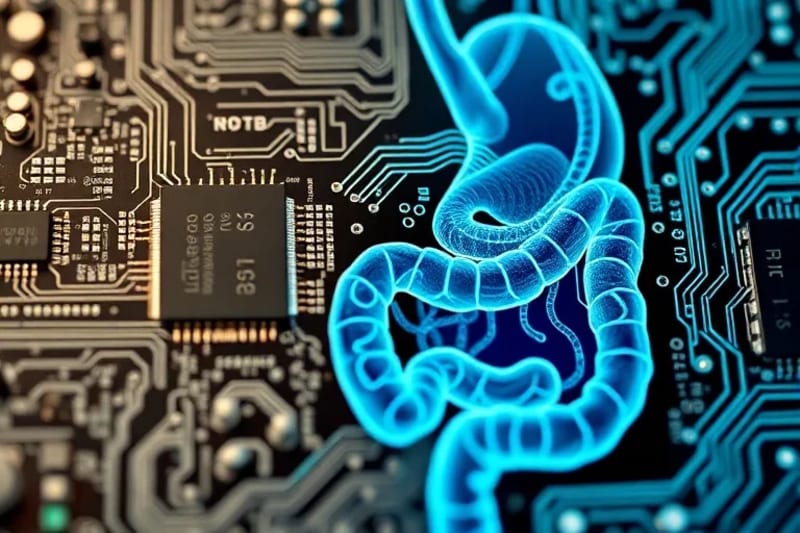
A visual representation of the complex digestive system and its microbial inhabitants.
Personalized Nutrition and Dietary Interventions: Diet is the primary driver of microbiome composition. For athletes, this means moving beyond generic dietary guidelines to highly individualized plans based on genetic predispositions, metabolic profiles, and specific performance goals. Key components include:
- Prebiotics: Non-digestible fibers that selectively stimulate the growth and activity of beneficial gut bacteria. Sources include chicory root, garlic, onions, leeks, asparagus, bananas, and whole grains.
- Probiotics: Live microorganisms that, when administered in adequate amounts, confer a health benefit on the host. Specific strains have been shown to improve immune function, reduce inflammation, and enhance recovery in athletes.
- Fermented Foods: Kefir, yogurt, sauerkraut, kimchi, and kombucha are rich in diverse microbial communities and their beneficial metabolites.
- Polyphenols: Plant compounds found in berries, dark chocolate, green tea, and colorful vegetables, which act as prebiotics and have antioxidant properties.
The emphasis is on a diverse, whole-food diet rich in plant-based ingredients to foster a wide array of microbial species. Tailoring carbohydrate intake around training phases and ensuring adequate protein for muscle repair are also crucial, but always with an eye on gut health.
Targeted Supplementation: While diet is foundational, specific supplements can provide targeted support. This includes high-quality, multi-strain probiotics, postbiotics (beneficial compounds produced by bacteria), digestive enzymes to aid nutrient breakdown, and targeted amino acids or vitamins that support gut barrier integrity. The selection of these supplements should be guided by diagnostic testing and professional advice, rather than a trial-and-error approach.
Lifestyle Factors: Beyond diet, several lifestyle elements profoundly impact the microbiome:
- Sleep: Adequate, high-quality sleep is crucial for gut health. Sleep deprivation can disrupt the microbiome and increase gut permeability.
- Stress Management: Chronic stress can negatively alter gut microbiota composition and function. Techniques like mindfulness, meditation, and controlled breathing are vital.
- Exercise Type and Intensity: While moderate exercise generally benefits gut diversity, extreme endurance training can sometimes lead to transient gut dysbiosis and increased permeability, necessitating specific countermeasures.
- Hydration: Sufficient water intake supports digestive regularity and overall gut function.
Advanced Diagnostics: The cornerstone of effective digestive biohacking is personalized data. This involves:
- Stool Testing: Comprehensive analysis of microbial composition, diversity, and functional markers (e.g., SCFAs, inflammation markers, digestive enzymes). This provides a snapshot of the gut ecosystem.
- Metabolomics: Analyzing metabolites in blood, urine, or stool to understand the biochemical output of the microbiome and its interaction with host metabolism.
- Genetic Testing: While not directly analyzing the microbiome, host genetics can inform predispositions to certain gut conditions or nutrient sensitivities.
These diagnostic tools allow for a precise understanding of an athlete's unique gut signature, enabling highly targeted interventions. For more on advanced health monitoring, consider exploring Personalized Digital Health: Privacy Wearable Medical Devices, which can complement microbiome analysis with real-time physiological data.
Impact on Athletic Performance and Recovery
Optimizing the gut microbiome translates into tangible benefits for elite athletes, impacting various facets of their performance and recovery.
Energy Production and Nutrient Absorption: A healthy, diverse microbiome enhances the efficiency of nutrient extraction from food, particularly complex carbohydrates. This can lead to more stable energy levels, improved glycogen synthesis, and better utilization of dietary fats for fuel during prolonged exercise. The production of SCFAs also contributes directly to the athlete's energy pool, potentially delaying fatigue.
Immune System Modulation and Reduced Inflammation: Intense training often suppresses the immune system, making athletes vulnerable to illness. A balanced microbiome strengthens the gut barrier, reducing the entry of toxins and pathogens into the bloodstream. It also modulates systemic immune responses, leading to less exercise-induced inflammation and a quicker return to baseline. This means fewer missed training days and a more consistent performance trajectory. The profound connection between the gut and overall well-being is further explored in articles like Gut Microbiota: Key to Integral Health and Well-being.

An artistic interpretation of the intricate relationship between internal biology and external athletic prowess.
Mental Acuity and Stress Resilience: The gut-brain axis is crucial for an athlete's mental game. An optimized microbiome can positively influence mood, reduce anxiety, and enhance cognitive functions such as focus, reaction time, and decision-making under pressure. This is particularly relevant in high-stakes competitive environments where mental fortitude is as important as physical strength. The complex interplay between mind and body, and the enigma of consciousness itself, is a topic that resonates deeply with the holistic approach of biohacking, as discussed in Consciousness Enigma: Neuroscience, Philosophy, Human Understanding.
Faster Recovery and Injury Prevention: Reduced inflammation, improved nutrient delivery, and a robust immune system all contribute to accelerated recovery from intense training sessions and injuries. A healthy gut helps process metabolic waste products more efficiently and supports tissue repair mechanisms, allowing athletes to train harder and more consistently without overtraining or succumbing to chronic issues.
Scientific Evidence and Emerging Research
The scientific community is increasingly recognizing the profound link between the gut microbiome and athletic performance. Numerous studies have explored the impact of probiotics on various athletic outcomes:
- Research has shown that specific probiotic strains can reduce the incidence of upper respiratory tract infections (URTIs) in athletes, a common issue that disrupts training.
- Studies indicate that certain microbial profiles are associated with higher VO2 max and improved endurance performance, suggesting a direct link between gut composition and aerobic capacity.
- Emerging evidence points to the microbiome's role in modulating pain perception and muscle soreness, potentially via its influence on inflammatory pathways and the nervous system.
- The "athlete's microbiome" is often characterized by greater diversity and a higher abundance of certain beneficial bacteria compared to sedentary individuals, though the causality is still under investigation.
While the field is still evolving, the consistent findings across various sports and populations underscore the potential of microbiome optimization. Future research is focusing on identifying specific microbial biomarkers for different athletic disciplines and developing highly targeted, personalized interventions.
Challenges and Ethical Considerations
Despite its immense promise, digestive biohacking for elite athletes comes with its own set of challenges and ethical considerations. The complexity of the microbiome means that interventions are rarely one-size-fits-all. Individual responses to dietary changes and supplements can vary significantly, necessitating a highly personalized and iterative approach.
The cost of advanced diagnostic testing and personalized nutritional support can be substantial, making it inaccessible to many athletes. There's also a risk of over-reliance on supplements without addressing foundational dietary and lifestyle habits, which can lead to suboptimal outcomes or even adverse effects. Ethical concerns arise regarding the potential for misuse of microbiome manipulation, particularly if it moves towards genetic engineering of gut bacteria for performance enhancement, raising questions about fairness and natural ability.
Moreover, the scientific understanding of the microbiome, while rapidly advancing, is still incomplete. Many correlations have been observed, but definitive causal links and long-term effects of aggressive microbiome manipulation require further investigation. Athletes and their support teams must approach digestive biohacking with a critical, evidence-based mindset, prioritizing safety and long-term health over short-term gains.
Future Directions in Sports Biohacking
The future of digestive biohacking for elite athletes is poised for significant advancements. Integration of artificial intelligence and machine learning will enable more sophisticated analysis of microbiome data, predicting individual responses to interventions and optimizing personalized strategies with unprecedented precision. Wearable sensors may soon provide real-time feedback on gut health markers, allowing for dynamic adjustments to diet and lifestyle.
Further research into bacteriophages (viruses that infect bacteria) and fecal microbiota transplantation (FMT) could offer revolutionary, albeit highly regulated, methods for reshaping the gut ecosystem. The development of next-generation probiotics, engineered to perform specific functions within the gut, also holds immense promise. As our understanding deepens, digestive biohacking will likely become an indispensable component of elite athletic training, moving from a niche practice to a mainstream science-backed strategy for maximizing human potential.
In conclusion, digestive biohacking represents a paradigm shift in sports science, moving beyond superficial metrics to the foundational biology that underpins athletic performance. By strategically optimizing the gut microbiome, elite athletes can unlock new levels of energy, resilience, and recovery, pushing the boundaries of what is physically and mentally possible. This intricate internal world is proving to be the next frontier in the quest for competitive advantage.
Related Searches & Further Reading
-
Gut Microbiota: Key to Integral Health and Well-being
Explore the foundational role of the gut microbiota in overall health, immunity, and chronic disease prevention, providing a broader context for its athletic implications.
-
Personalized Digital Health: Privacy Wearable Medical Devices
Delve into how digital health technologies and wearable devices are revolutionizing personalized health monitoring, a crucial aspect of advanced biohacking.
-
Consciousness Enigma: Neuroscience, Philosophy, Human Understanding
Understand the deeper connections between the brain, gut, and human consciousness, offering a philosophical perspective on the holistic approach to human optimization.
-
Social Deviations: Theories, Functions, and Communication
Explore sociological perspectives on deviations from norms, providing a contrasting view to biological optimization and human potential.
-
Retrograde Planets Natal Chart Transformative Lessons
Discover the astrological interpretations of retrograde planets and their influence on personal growth and life lessons, offering an alternative perspective on self-improvement.
Source: Hybrid content assisted by AI and human editorial supervision.


Comentarios