
DevSecOps Multicloud Environments: Integrating Cybersecurity Software Lifecycle
In the rapidly evolving landscape of software development and deployment, organizations are increasingly adopting multicloud strategies to leverage the unique benefits offered by various cloud providers. This distributed approach, while offering flexibility and resilience, introduces significant complexities, particularly in the realm of cybersecurity. Traditional security models often struggle to keep pace with the dynamic nature of cloud-native applications and the expanded attack surface presented by multiple cloud environments. This is where DevSecOps emerges as a critical paradigm, integrating security practices seamlessly into every stage of the software development lifecycle (SDLC) within a multicloud context.
DevSecOps in multicloud environments is not merely about adding security tools; it represents a fundamental cultural and operational shift. It advocates for "shifting security left," meaning security considerations are addressed from the initial design phase through development, testing, deployment, and ongoing operations. This proactive stance is essential to mitigate risks effectively, ensure compliance, and maintain the integrity and availability of applications across diverse cloud infrastructures. Understanding the principles, practices, and challenges of implementing DevSecOps in a multicloud setting is paramount for any organization aiming to build secure, scalable, and resilient digital products.

A visual representation of Fisicoquímica Comida Impresa 3D Nutrición Sostenibilidad principles applied across complex multicloud infrastructures, highlighting the seamless integration of security into the development pipeline.
Table of Contents
- What is DevSecOps?
- Understanding Multicloud Environments
- Why DevSecOps in Multicloud is Crucial
- Core Principles of DevSecOps in Multicloud
- Key Practices for DevSecOps in Multicloud
- Challenges and Considerations
- Best Practices for Successful Implementation
- Benefits of Integrated Security
- Future Trends in DevSecOps and Multicloud Security
- Conclusion
What is DevSecOps?
DevSecOps is an extension of DevOps, embedding security into the entire software delivery process. It shifts security from being a bottleneck or an afterthought to an integral, continuous part of development and operations. The core philosophy is that security is everyone's responsibility, not just a dedicated security team's.
This approach emphasizes automation, collaboration, and continuous feedback loops to identify and remediate vulnerabilities early in the SDLC. By integrating security tools and processes into CI/CD pipelines, DevSecOps aims to deliver secure software faster and more efficiently, reducing the overall risk posture of applications and infrastructure.
Understanding Multicloud Environments
A multicloud environment refers to the use of multiple cloud computing services from different providers within a single architecture. This can include a combination of public clouds (e.g., AWS, Azure, Google Cloud Platform), private clouds, and hybrid cloud solutions. Organizations adopt multicloud for various reasons, including:
- Vendor Lock-in Avoidance: Reduces dependency on a single provider.
- Optimized Workload Placement: Allows placing specific applications or data on the cloud provider that best meets their technical or compliance requirements.
- Enhanced Resilience and Disaster Recovery: Distributes workloads across different providers to minimize the impact of outages.
- Cost Optimization: Leverages competitive pricing models and specialized services from different vendors.
- Geographic Reach: Utilizes data centers in various regions to improve performance and meet data residency regulations.
While offering significant advantages, multicloud environments introduce inherent complexities in management, networking, and, most critically, security. Each cloud provider has its own security models, tools, and compliance frameworks, creating a fragmented security landscape that requires a unified strategy.
Why DevSecOps in Multicloud is Crucial
The convergence of DevSecOps and multicloud is not just beneficial; it's essential for maintaining a strong security posture. The unique challenges posed by multicloud environments necessitate a proactive and integrated security approach:
- Expanded Attack Surface: Managing multiple cloud environments inherently expands the potential points of entry for attackers. Each cloud provider's unique configuration, APIs, and services must be secured.
- Inconsistent Security Controls: Different cloud providers offer varying security services and configurations. Without a unified DevSecOps strategy, security controls can be inconsistent, leading to gaps and misconfigurations.
- Compliance Complexity: Meeting regulatory compliance (e.g., GDPR, HIPAA, PCI DSS) across multiple cloud environments with different data residency rules and security standards becomes significantly more complex.
- Visibility Gaps: Gaining a comprehensive, unified view of security across all cloud environments can be challenging. Siloed security tools and dashboards hinder effective threat detection and response.
- Rapid Deployment Cycles: The agility of cloud-native development means applications are deployed and updated frequently. Traditional security reviews cannot keep pace, making automated, integrated security crucial.
By embedding security into the development and operations workflows, organizations can ensure that security is built-in, not bolted-on, across their entire distributed cloud infrastructure. This proactive approach helps to identify and mitigate risks earlier, reducing the cost and effort of remediation.
Core Principles of DevSecOps in Multicloud
Implementing DevSecOps effectively in a multicloud setting relies on several foundational principles:
- Security as Code: Automating security policies, configurations, and controls through code, enabling consistent application across all cloud environments.
- Automation First: Automating security testing, vulnerability scanning, compliance checks, and incident response to ensure speed, consistency, and scalability.
- Shared Responsibility: Fostering a culture where development, operations, and security teams collaborate closely, sharing accountability for security outcomes.
- Continuous Security: Integrating security checks and monitoring throughout the entire SDLC, from code commit to production deployment and beyond.
- Unified Visibility: Striving for a single pane of glass for security monitoring and management across all cloud providers, enabling holistic threat detection and response.
- Policy-Driven Security: Defining clear, consistent security policies that can be enforced programmatically across diverse cloud platforms.
Key Practices for DevSecOps in Multicloud
To successfully implement DevSecOps in a multicloud environment, organizations should adopt a range of specific practices:
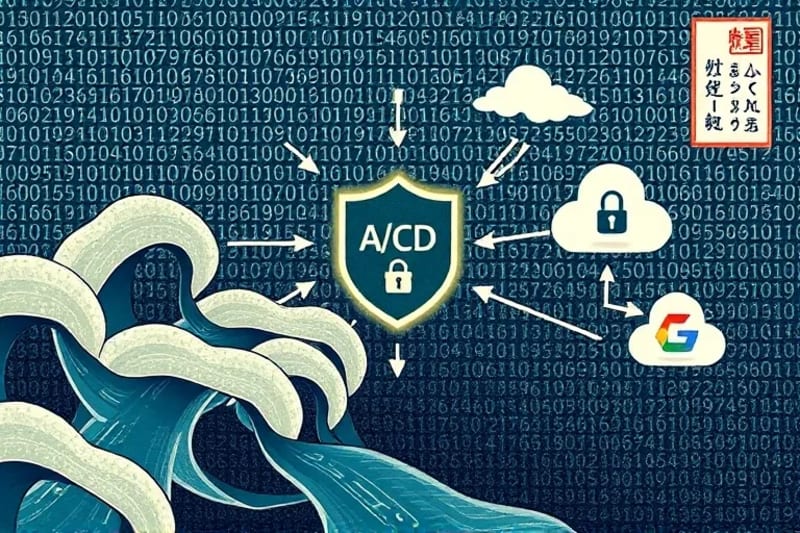
A visual representation of automated security checks integrated into the Metaverse Digital Law: Property, Identity, Jurisdiction, crucial for multicloud DevSecOps.
Threat Modeling
Conducting threat modeling early in the design phase helps identify potential security vulnerabilities and design flaws specific to the multicloud architecture. This proactive approach allows security controls to be integrated from the outset.
Secure Code Development
Developers must be trained in secure coding practices. Tools like Static Application Security Testing (SAST) and Dynamic Application Security Testing (DAST) should be integrated into the CI/CD pipeline to automatically scan code for vulnerabilities before deployment across any cloud.
Container Security
For containerized applications, security must be applied at every layer: base images, container registries, and runtime environments. This includes vulnerability scanning of images, enforcing least privilege, and network segmentation across different cloud Kubernetes services.
Infrastructure as Code (IaC) Security
Leveraging IaC (e.g., Terraform, CloudFormation, Azure Resource Manager) allows for the consistent and automated provisioning of infrastructure. Security best practices, such as least privilege, network segmentation, and encryption, can be embedded directly into IaC templates and validated with tools like Terrascan or Checkov.
Cloud Security Posture Management (CSPM)
CSPM tools are essential for continuously monitoring cloud configurations against security benchmarks and compliance policies. In a multicloud setup, a unified CSPM solution provides visibility and helps remediate misconfigurations across all cloud providers.
Secrets Management
Securely managing API keys, database credentials, and other sensitive information across multiple cloud environments is critical. Centralized secrets management solutions (e.g., HashiCorp Vault, AWS Secrets Manager, Azure Key Vault) help prevent secrets from being hardcoded or exposed.
Compliance and Governance
Automating compliance checks and generating audit reports across all cloud platforms ensures adherence to regulatory requirements. This involves defining common policies and using tools that can enforce them consistently.
Continuous Monitoring and Incident Response
Implementing robust logging, monitoring, and alerting systems across all cloud environments is vital for detecting security incidents. A well-defined incident response plan, integrated with security orchestration, automation, and response (SOAR) tools, ensures rapid containment and remediation.
Challenges and Considerations
While the benefits of DevSecOps in multicloud are clear, organizations must navigate several challenges:
- Complexity and Tool Sprawl: Managing security tools and processes across different cloud providers can lead to increased complexity and a proliferation of disparate tools.
- Skill Gap: Finding security professionals with expertise across multiple cloud platforms and DevSecOps practices can be challenging.
- Policy Enforcement: Ensuring consistent security policy enforcement across heterogeneous cloud environments requires careful planning and robust automation.
- Data Governance and Residency: Managing data locality and compliance requirements across different geopolitical regions and cloud providers adds significant complexity.
- Network Security: Securing network connectivity and traffic between different cloud environments and on-premises infrastructure requires advanced networking and security solutions.

An abstract visualization of a secure and resilient multicloud architecture, emphasizing layers of protection and continuous vigilance.
Best Practices for Successful Implementation
To overcome the challenges and maximize the benefits, consider these best practices:
- Standardize CI/CD Pipelines: Create standardized, secure CI/CD pipelines that can be adapted and deployed across all cloud environments, embedding security checks at each stage.
- Unified Security Platform: Invest in security platforms that offer centralized visibility, management, and orchestration across multiple cloud providers.
- Security Champions: Designate security champions within development and operations teams to promote security awareness and best practices.
- Regular Audits and Penetration Testing: Conduct regular security audits, vulnerability assessments, and penetration testing across all cloud assets to identify weaknesses.
- Zero Trust Architecture: Implement a International Negotiation Strategies Global Success, assuming no user or device is trustworthy by default, regardless of their location or network.
- Automated Policy Enforcement: Leverage policy-as-code tools to define and automatically enforce security policies across all cloud resources.
- Continuous Training and Education: Provide ongoing training for all teams on cloud security best practices, new threats, and DevSecOps principles.
Benefits of Integrated Security
Adopting a comprehensive DevSecOps strategy in multicloud environments yields significant advantages:
- Reduced Risk: Proactive identification and remediation of vulnerabilities minimize the attack surface and potential for security breaches.
- Faster Time to Market: Automated security checks prevent security from becoming a bottleneck, allowing for quicker and more secure software releases.
- Improved Compliance: Consistent application of security policies and automated compliance checks simplify adherence to regulatory requirements across diverse cloud platforms.
- Enhanced Collaboration: Fosters a culture of shared responsibility and collaboration between development, security, and operations teams.
- Cost Efficiency: Detecting and fixing security issues earlier in the SDLC is significantly less expensive than remediating them in production.
- Greater Agility: Enables organizations to innovate and deploy new features rapidly with confidence in their security posture.
Future Trends in DevSecOps and Multicloud Security
The landscape of cloud security is continuously evolving. Key trends shaping the future of DevSecOps in multicloud include:
- AI and Machine Learning in Security: Leveraging AI/ML for advanced threat detection, anomaly detection, and automated incident response across complex multicloud environments.
- Serverless Security: Developing specialized security strategies and tools for serverless architectures, focusing on function-level security, API gateways, and event-driven security.
- Security Mesh Architectures: Implementing distributed security controls that provide consistent policy enforcement and observability across heterogeneous environments, including multicloud and hybrid setups.
- Shift-Left-Even-Further: Integrating security considerations even earlier, potentially into the very design of microservices and infrastructure components, using formal verification and advanced threat modeling.
- Automated Governance and Policy Orchestration: More sophisticated tools for defining, managing, and automatically enforcing security and compliance policies across highly dynamic multicloud infrastructures.
Conclusion
DevSecOps in multicloud environments is no longer an optional enhancement but a fundamental requirement for organizations seeking to build secure, resilient, and compliant applications. By embedding security into every phase of the software development lifecycle and adopting a culture of shared responsibility, businesses can effectively manage the complexities and risks associated with distributed cloud infrastructures. Embracing automation, unified visibility, and continuous security practices will empower teams to deliver innovative solutions with confidence, ensuring that security is a driver of business value rather than a barrier to progress in the multicloud era.
Source: Hybrid content assisted by AIs and human editorial supervision.


Comentarios