
Sound Healing Power: Exploring Sonotherapy Mental Health Benefits
The Healing Power of Sound: Exploring Sonotherapy and its Benefits for Mental Health
In an increasingly fast-paced and demanding world, the search for effective methods to maintain mental well-being has become paramount. Among the myriad of complementary therapies gaining recognition, sonotherapy, or sound healing, stands out as an ancient practice with profound modern applications. This therapeutic approach utilizes specific frequencies, vibrations, and musical tones to induce states of relaxation, reduce stress, and promote emotional balance, offering a unique pathway to inner peace and mental clarity.
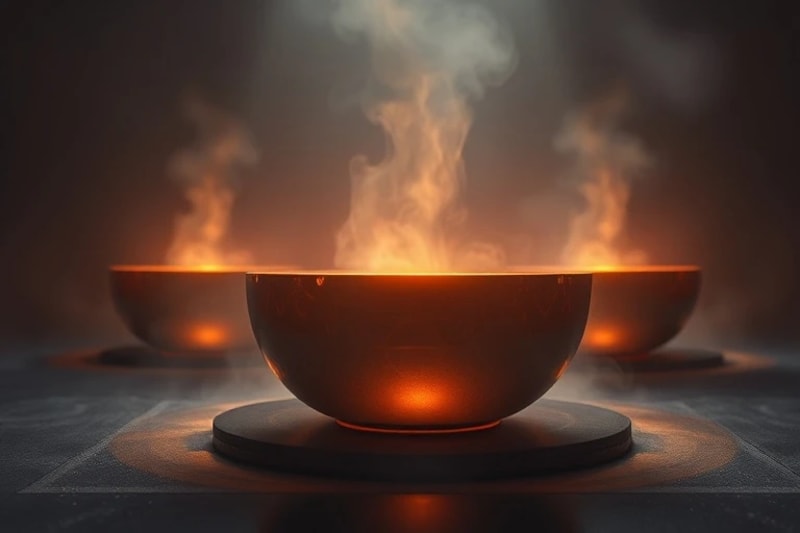
Precursors, instruments, and conceptual representations that shaped the understanding of sound's therapeutic potential for mental well-being.
Fuente visual sujeta a disponibilidad del ecosistema: Wikimedia Commons bajo licencia CC BY-SA 4.0 o renderizado conceptual IA.Sonotherapy is not a new concept; its roots can be traced back thousands of years to various cultures that understood the intrinsic connection between sound and human health. From the chanting of ancient shamans and Buddhist monks to the use of gongs and drums in healing rituals, sound has long been revered for its ability to influence the mind, body, and spirit. Today, scientific advancements are beginning to unravel the mechanisms behind these ancient practices, providing a contemporary understanding of how sound can be a powerful tool for mental health.
What is Sonotherapy? Understanding the Fundamentals
At its core, sonotherapy is based on the principle that everything in the universe, including the human body, is in a state of vibration. When our natural vibrational patterns are disrupted by stress, illness, or emotional trauma, it can manifest as physical or mental imbalance. Sonotherapy aims to restore harmony by introducing therapeutic sound frequencies that encourage the body's cells to resonate at their optimal frequency.
This process often involves the use of specialized instruments such as crystal and Tibetan singing bowls, gongs, tuning forks, and even the human voice. These sounds generate vibrations that are not only heard but also felt throughout the body, penetrating tissues and organs. The therapeutic effect is believed to stem from several key mechanisms:
Resonance: The phenomenon where an object vibrates at a greater amplitude when exposed to an external frequency that matches its own natural frequency. In sonotherapy, the aim is to encourage healthy cellular resonance.
Brainwave Entrainment: Sound frequencies can influence brainwave patterns, guiding the brain into states associated with deep relaxation (alpha and theta waves), meditation, and even sleep (delta waves). This is particularly effective with techniques like binaural beats.
Vibrational Massage: The physical vibrations produced by instruments like singing bowls can create a subtle "internal massage" at a cellular level, stimulating circulation and energy flow.
Profound Benefits for Mental Health and Well-being
The application of sonotherapy has shown promising results in addressing a range of mental health challenges. Its non-invasive nature and ability to induce deep relaxation make it a valuable complementary therapy for many individuals seeking holistic approaches to wellness.
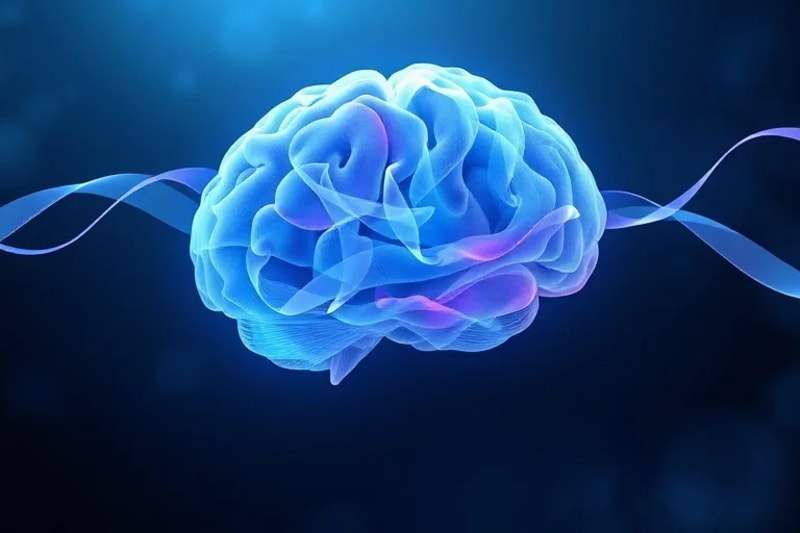
Visualizing the subtle yet profound influence of sound on cognitive and emotional states.
One of the most widely recognized benefits is its capacity for significant stress reduction. The soothing sounds and vibrations help to calm the nervous system, lowering heart rate, blood pressure, and cortisol levels – the body's primary stress hormone. This physiological response shifts the body from a "fight or flight" state to a "rest and digest" state, promoting overall relaxation.
For individuals struggling with anxiety, sonotherapy offers a gentle yet powerful intervention. The immersive experience of sound baths or focused tuning fork therapy can distract the mind from anxious thoughts, creating a mental space for peace and clarity. Many report a profound sense of calm and a reduction in generalized anxiety symptoms after sessions.
Sleep disturbances are a common companion to mental health issues. Sonotherapy can significantly improve sleep quality by facilitating deep relaxation and guiding the brain into delta wave states, which are crucial for restorative sleep. Regular exposure to therapeutic sounds can help reset sleep patterns and alleviate insomnia.
Beyond alleviating negative states, sound healing also fosters enhanced mood and emotional balance. By releasing emotional blockages and promoting a sense of inner harmony, individuals may experience greater emotional resilience and a more positive outlook on life. This can be particularly beneficial in managing symptoms of depression or emotional volatility.
Furthermore, sonotherapy can offer cognitive benefits, improving focus and mental clarity. By quietening the incessant chatter of the mind, it creates an environment conducive to concentration and mindful presence. This can be especially helpful in an era of constant digital distractions, where practices like digital minimalism are gaining traction to reduce cognitive overload.
Diverse Modalities: Exploring Different Sonotherapy Techniques
The field of sonotherapy encompasses a wide array of techniques, each with its unique instruments and applications. Understanding these modalities can help individuals choose the most suitable approach for their specific needs:
| Modality | Description | Key Benefits for Mental Health |
|---|---|---|
| Singing Bowls (Tibetan & Crystal) | Hand-hammered metal bowls (Tibetan) or quartz crystal bowls (Crystal) played by striking or rubbing. Produce rich, sustained harmonic overtones. | Deep relaxation, stress reduction, chakra balancing, emotional release, improved sleep. |
| Gongs | Large, resonant metal discs played with mallets, creating powerful, immersive soundscapes. | Induces meditative states, releases tension, clears mental fog, promotes spiritual connection. |
| Tuning Forks | Calibrated metal forks that produce specific frequencies when struck. Applied to specific points on the body or held near the ears. | Localized pain relief, nervous system balancing, energy flow restoration, mental clarity. |
| Binaural Beats & Isochronic Tones | Digital audio frequencies that create an auditory illusion in the brain, encouraging brainwave entrainment. | Enhances focus, promotes relaxation, aids sleep, improves meditation depth, mood elevation. |
| Voice & Chanting | The use of the human voice through singing, chanting, or toning to create therapeutic vibrations. | Emotional expression, self-healing, stress release, spiritual connection, vocal chakra activation. |
The Scientific Underpinnings and Growing Research
While the empirical evidence for sonotherapy is still evolving, a growing body of research is exploring its efficacy. Studies have indicated that exposure to specific sound frequencies can indeed alter brainwave activity, reduce physiological markers of stress, and improve mood. For instance, research on singing bowls has shown reductions in tension, anxiety, and depression, alongside increases in spiritual well-being.

Illustrating the intricate dance of frequencies and their potential to restore energetic balance.
Neuroscience suggests that certain frequencies can stimulate the vagus nerve, which plays a crucial role in regulating the parasympathetic nervous system (responsible for "rest and digest" responses). This stimulation can lead to a cascade of calming effects throughout the body and mind. Moreover, the concept of vibrational medicine aligns with the understanding that all matter is energy, and that specific energies can influence biological processes.
The therapeutic use of sound also overlaps with principles explored in color therapy and other vibrational healing modalities, suggesting a broader energetic framework for well-being. As technology advances, researchers are able to measure and analyze the subtle physiological changes induced by sound more precisely, paving the way for more targeted and evidence-based sonotherapy protocols.
Integrating Sonotherapy into Your Daily Life
Incorporating sound healing into your routine doesn't necessarily require expensive equipment or specialized training. There are several accessible ways to experience its benefits:
Guided Sound Meditations: Many apps and online platforms offer guided meditations featuring singing bowls, gongs, or binaural beats. These can be used daily to reduce stress and improve focus.
Sound Baths: Attending a sound bath session led by a certified practitioner can provide a deeply immersive and relaxing experience. These are often group events where participants lie down and allow the sounds to wash over them.
Personal Instruments: For those interested in a deeper practice, acquiring a small crystal singing bowl or a set of tuning forks can allow for personal exploration and self-healing at home.
Mindful Listening: Simply taking time to mindfully listen to calming music, nature sounds, or even the sound of your own breath can be a form of everyday sonotherapy, promoting presence and reducing mental clutter.
It's important to approach sonotherapy as a complementary practice, not a replacement for conventional medical or psychological treatment. When used in conjunction with other therapies, it can significantly enhance overall mental and emotional well-being.
The journey into the healing power of sound is a deeply personal one, offering a unique path to inner peace and mental resilience. As we continue to navigate the complexities of modern life, the ancient wisdom of sonotherapy provides a gentle yet powerful reminder of our innate capacity for self-healing and harmony.
Source: Hybrid content assisted by AI and human editorial supervision.


Comentarios