
Neuro-rights Protecting Digital Consciousness AI Era
The rapid advancements in neurotechnology and artificial intelligence (AI) are ushering in an era of unprecedented possibilities, but also profound ethical and legal challenges. As brain-computer interfaces (BCIs) become more sophisticated and AI algorithms gain deeper insights into human cognition, the very essence of human consciousness and mental autonomy faces new frontiers of potential manipulation and exploitation. This burgeoning landscape necessitates the urgent development of robust legal and ethical frameworks, collectively known as neuro-rights, to protect the fundamental aspects of our minds in the digital age.
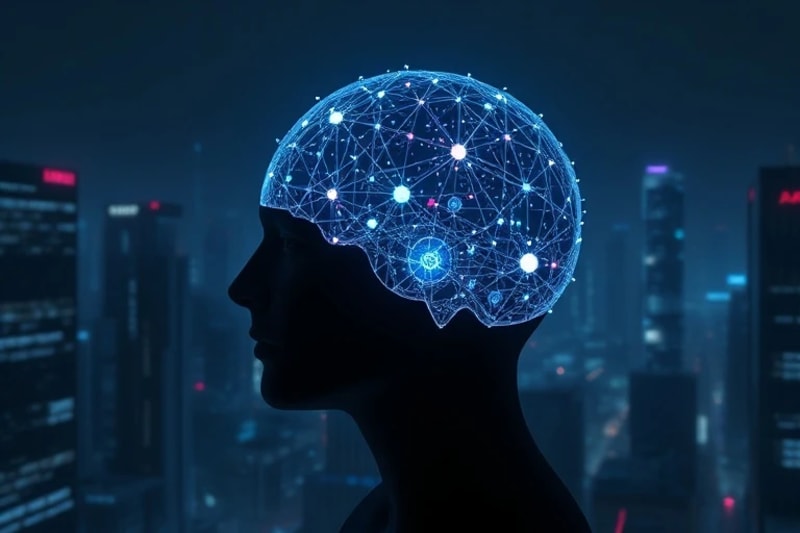
Precursors intellectuales, diagramas fundamentales y representaciones conceptuales que forjaron la visión de Neuro-rights sobre la protección de la conciencia digital.
Fuente visual sujeta a disponibilidad del ecosistema: Wikimedia Commons bajo licencia CC BY-SA 4.0 o renderizado conceptual IA.Neuro-rights are a new set of human rights designed to safeguard the brain and its activity from emerging neurotechnologies. These rights aim to prevent the unauthorized access, manipulation, or commercialization of neural data, ensuring that individuals retain control over their thoughts, emotions, and personal identity. The discourse around neuro-rights is not merely speculative; it is a proactive response to technologies already in development or deployment that can read, write, and modulate brain activity.
The concept has gained significant traction among neuroscientists, ethicists, legal scholars, and policymakers worldwide, recognizing the profound implications of a future where our innermost thoughts could become commodities or targets for external influence. This article delves into the core tenets of neuro-rights, the technological landscape necessitating their existence, and the global efforts to establish them as fundamental human protections.
Table of Contents
- The Rise of Neurotechnology and AI
- The Five Pillars of Neuro-rights
- Ethical and Legal Challenges
- International Initiatives and Frameworks
- Future Implications and Societal Impact
- Conclusion: A Call for Proactive Protection
The Rise of Neurotechnology and AI
Neurotechnology encompasses any technology that directly interacts with the nervous system, particularly the brain. This field has seen explosive growth, driven by advances in neuroscience, engineering, and artificial intelligence. Brain-computer interfaces (BCIs), for instance, allow direct communication pathways between the brain and an external device, enabling individuals to control prosthetics, communicate, or interact with computers using only their thoughts.
Beyond assistive devices, neurotechnologies are rapidly moving towards enhancement and modulation of cognitive functions. Deep brain stimulation (DBS) is already used for conditions like Parkinson's disease, but future applications could extend to memory enhancement or mood regulation. The convergence of these technologies with AI is particularly potent, as AI algorithms can analyze vast amounts of neural data, identify patterns, and even predict or influence cognitive states with increasing accuracy.
The ability of AI to interpret complex neural signals opens doors to understanding human cognition at an unprecedented level. However, it also raises critical questions about data ownership, consent, and the potential for misuse. If AI can decode our intentions, emotions, or even memories, who owns that information? What safeguards are in place to prevent it from being used for commercial exploitation, surveillance, or even coercive manipulation?
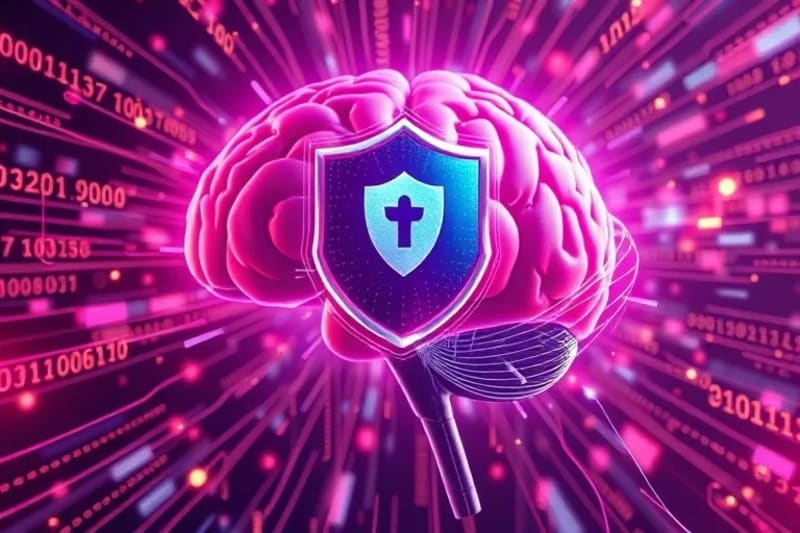
The digital shield represents the imperative to protect mental privacy in an increasingly interconnected world.
Companies are already exploring ways to integrate neurotechnology into consumer products, from wearable devices that track brain activity to immersive virtual reality experiences that respond to neural cues. While these innovations promise significant benefits, they also create new vectors for data collection and potential intrusion into our mental lives. The lack of clear legal frameworks specifically addressing neural data leaves individuals vulnerable to practices that could undermine their autonomy and identity.
The ethical considerations extend beyond mere data privacy. The very notion of human perception and experience could be altered or influenced. As we delve into understanding how the brain processes information, we must also consider the philosophical implications of such knowledge. The boundaries of what constitutes "self" and "consciousness" are being redefined by these technologies, necessitating a thoughtful and comprehensive approach to their regulation.
The Five Pillars of Neuro-rights
The concept of neuro-rights, largely championed by figures like Rafael Yuste, a neuroscientist at Columbia University, proposes five core rights to address the challenges posed by neurotechnology and AI. These pillars form a comprehensive framework for safeguarding human mental autonomy.
- Right to Mental Privacy: This right aims to prevent unauthorized access to and use of neural data. It ensures that an individual's thoughts, emotions, and memories, as decoded by neurotechnologies, remain private and are not exploited without explicit, informed consent. Just as we protect personal data, mental data requires even stricter safeguards due to its intimate nature.
- Right to Mental Integrity: This protects individuals from unauthorized alteration or manipulation of their neural activity. It ensures that no external entity can interfere with an individual's brain function, thoughts, or emotional states without their explicit will. This is crucial to prevent coercive brain stimulation or AI-driven mental conditioning.
- Right to Cognitive Liberty: This fundamental right guarantees individuals the freedom to make their own choices about their mental processes and the use of neurotechnologies. It includes the right to choose whether or not to use neuroenhancements and to be free from coercive pressure to adopt such technologies. It also encompasses the freedom of thought, protecting individuals from having their cognitive processes monitored or altered without their consent. This aligns with broader discussions on individual autonomy and perception beyond physical boundaries.
- Right to Psychological Continuity: This right seeks to protect the coherence and stability of an individual's sense of self and personal identity. As neurotechnologies could potentially alter memories or personality traits, this right ensures that an individual's core identity remains intact and is not fragmented or redefined by external technological interventions.
- Right to Protection from Algorithmic Bias: With AI playing an increasingly significant role in interpreting and even influencing neural data, there is a risk of algorithmic bias. This right ensures that neurotechnologies and AI algorithms are developed and deployed in a fair and non-discriminatory manner, preventing biases that could lead to unequal access, unfair treatment, or the reinforcement of societal prejudices based on neural data.
These five pillars provide a robust foundation for navigating the complex ethical landscape of neurotechnology and AI. They represent a proactive approach to potential harms, aiming to establish clear boundaries before the technologies become ubiquitous and their misuse becomes widespread.
Ethical and Legal Challenges
Implementing neuro-rights presents a myriad of ethical and legal challenges. One of the primary hurdles is defining what constitutes "neural data" and how it differs from other forms of personal information. Unlike traditional data, neural data directly reflects our internal mental states, making its protection uniquely sensitive.
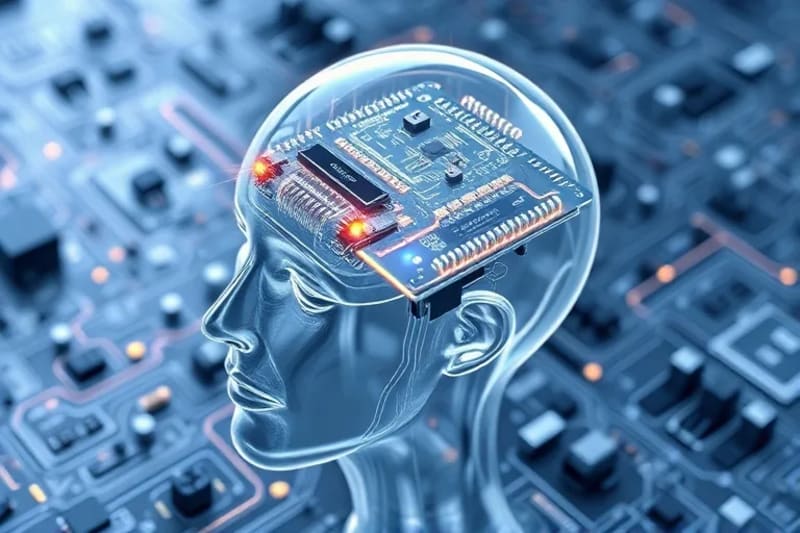
The intricate interplay between human consciousness and advanced AI systems defines the future of cognitive augmentation.
The question of consent is also complex. How can individuals give truly informed consent for the collection and use of their neural data, especially when the implications of such technologies are still being understood? The dynamic nature of brain activity means that consent might need to be ongoing and revocable, rather than a one-time agreement. Furthermore, the potential for manipulation raises concerns about free will and agency. If AI can subtly influence our decisions or emotions, where does individual responsibility begin and end?
Another significant challenge lies in enforcement. How can governments and international bodies regulate technologies that are often developed by private corporations and deployed globally? The transnational nature of digital data means that legal frameworks must be harmonized across jurisdictions to be effective. The rapid pace of technological innovation also means that laws and regulations must be flexible enough to adapt to future developments without stifling beneficial research and development.
The commercialization of neurodata poses another ethical dilemma. Companies might seek to monetize insights derived from brain activity, such as consumer preferences, emotional responses to advertisements, or even predictive health markers. Without strong regulations, this could lead to a new form of digital exploitation, where our innermost mental states become tradable assets. This raises questions about the very nature of human identity and its potential for commodification, touching upon philosophical concepts of transformation and hermetic principles.
International Initiatives and Frameworks
Recognizing these challenges, several international bodies and national governments have begun to explore the integration of neuro-rights into existing human rights frameworks. Chile has emerged as a pioneer in this area, becoming the first country to amend its constitution to protect neuro-rights.
The Chilean constitutional amendment, passed in 2021, states:
"The law shall protect the integrity and mental indemnity, as well as the privacy of neural data. It shall also guarantee the necessary control over the use of neurotechnologies."
This landmark legislation explicitly acknowledges the need to safeguard mental integrity and neural data, setting a precedent for other nations to follow.
Beyond Chile, organizations like UNESCO (United Nations Educational, Scientific and Cultural Organization) have initiated discussions on the ethical implications of neurotechnology. UNESCO's International Bioethics Committee (IBC) has published reports highlighting the need for a global dialogue and the development of international guidelines to ensure that neurotechnologies are developed and used responsibly.
The OECD (Organisation for Economic Co-operation and Development) has also issued recommendations on responsible innovation in neurotechnology, emphasizing principles such as responsible stewardship, human-centered design, and inclusiveness. These recommendations aim to guide governments and industry in developing policies that foster innovation while protecting individual rights and societal values.
Academic institutions and research consortia, such as the Morningside Group, composed of leading neuroscientists and ethicists, continue to advocate for the formal recognition of neuro-rights. Their work involves not only defining these rights but also proposing practical mechanisms for their implementation, including regulatory bodies, ethical review processes, and public education initiatives.
Future Implications and Societal Impact
The establishment of neuro-rights will have far-reaching implications for society. It will shape the future of human-AI interaction, influencing everything from healthcare and education to entertainment and warfare. In healthcare, neuro-rights could ensure that BCIs and other neural interventions are used solely for therapeutic purposes, with strict ethical oversight to prevent non-consensual use or enhancement. For instance, the use of neurotechnologies to restore motor function in paralyzed individuals would be celebrated, while their use for coercive interrogation would be strictly prohibited.
In the realm of education, neurotechnologies could offer personalized learning experiences by adapting to an individual's cognitive state. However, neuro-rights would ensure that such applications do not lead to invasive monitoring of student brains or the imposition of specific cognitive patterns. The focus would remain on empowering learners, not controlling them.
The military and security sectors are also keenly interested in neurotechnology. Neuro-rights would be critical in preventing the development of weapons that target human minds or the use of neuro-enhancements in soldiers without full, informed consent and robust ethical review. The potential for cognitive warfare, where adversaries could attempt to disrupt or manipulate the mental states of populations, makes the need for clear ethical boundaries paramount.
Ultimately, neuro-rights are about preserving what it means to be human in an increasingly technologically mediated world. They aim to protect our intrinsic capacity for thought, emotion, and self-determination, ensuring that technological progress serves humanity rather than subjugating it. The ongoing dialogue and legislative efforts are crucial steps towards a future where human consciousness is respected and protected, even as technology evolves at an exponential pace.
Conclusion: A Call for Proactive Protection
The emergence of advanced neurotechnology and artificial intelligence presents humanity with a profound choice: to passively observe the erosion of mental autonomy or to proactively establish robust ethical and legal safeguards. Neuro-rights represent this proactive stance, offering a framework to protect our innermost selves from potential intrusion, manipulation, and exploitation.
While the challenges are significant, including defining neural data, ensuring informed consent, and enforcing regulations across borders, the pioneering efforts by nations like Chile and international bodies like UNESCO demonstrate a growing global recognition of this imperative. As neurotechnologies continue to advance, the ongoing dialogue among scientists, ethicists, policymakers, and the public will be essential to shape a future where innovation flourishes responsibly, and human consciousness remains sovereign.
Protecting digital consciousness is not merely a legal or ethical exercise; it is a fundamental act of preserving human dignity and freedom in the 21st century. The time to act is now, before the capabilities of technology outpace our capacity to govern them ethically.
Related Topics & Further Reading
- Mental Well-being Employees: Key Productivity and Retention
- Cyber Threats 2024: Trends, Predictions, Strategies
- Metaverse Ethics: Legal Challenges, Social Privacy
- Sports Neuroscience: Elite Athlete's Brain
- Digital Patron Saints: Intercessors against Addiction and Disinformation
- Astro-Genomics Decoding Karmic Health Blueprints DNA
Source: Hybrid content assisted by AI and human editorial supervision.


Comentarios