
Neuro-rights Generative AI Safeguarding Digital Consciousness
The rapid advancements in Artificial Intelligence (AI), particularly in generative models, are pushing the boundaries of what we understand about consciousness, cognition, and human identity. As AI systems become increasingly sophisticated, capable of generating complex content and even simulating human-like thought processes, a critical new field of ethics and law is emerging: neuro-rights. These rights aim to protect the human brain and its activity from the potential misuse and manipulation enabled by neurotechnology and advanced AI.
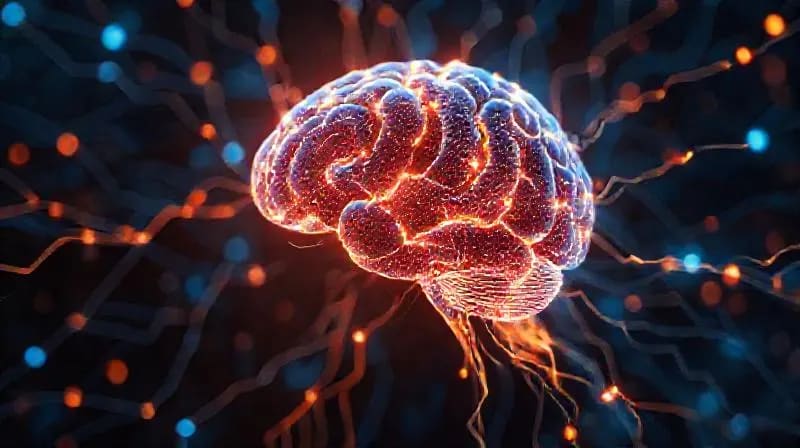
Conceptual representation of the intricate interface between human consciousness and advanced AI systems.
Fuente visual sujeta a disponibilidad del ecosistema: Wikimedia Commons bajo licencia CC BY-SA 4.0 o renderizado conceptual IA.
The intersection of neurotechnology and generative AI presents unprecedented challenges and opportunities. While AI offers transformative potential for understanding and augmenting human cognition, it also raises profound questions about mental privacy, free will, and the very definition of what it means to be human in a digitally interconnected world. This article explores the foundational principles of neuro-rights, the implications of generative AI on digital consciousness, and the urgent need for robust ethical and legal frameworks to safeguard our minds.
As we delve into this complex landscape, it becomes clear that establishing clear guidelines is paramount. Protecting individuals from potential cognitive manipulation and ensuring the responsible development of these powerful technologies is not merely a philosophical exercise but a practical necessity for the future of humanity.
Table of Contents
- Understanding Neuro-rights: A New Frontier for Human Rights
- Generative AI and the Emergence of Digital Consciousness
- Ethical Challenges in the AI-Neuro Interface
- Legal and Regulatory Frameworks for Protection
- Safeguarding Mental Privacy and Cognitive Liberty
- The Future of Digital Consciousness and Human-AI Coexistence
Understanding Neuro-rights: A New Frontier for Human Rights
Neuro-rights are a set of proposed human rights designed to protect the brain and its activity in the context of advancing neurotechnology and artificial intelligence. This concept has gained significant traction as brain-computer interfaces (BCIs) and neuro-imaging techniques become more sophisticated, allowing for unprecedented access to, and potential manipulation of, the human mind.
The term "neuro-rights" was popularized by neuroethicists and legal scholars who recognized the need for a new ethical and legal framework to address the unique challenges posed by these technologies. Traditional human rights frameworks, while foundational, may not adequately cover the specific threats to mental privacy, cognitive liberty, and personal identity that neurotechnology introduces.
Leading experts, such as Rafael Yuste, a neurobiologist at Columbia University, have advocated for five core neuro-rights: the right to mental privacy, the right to personal identity, the right to free will, the right to access to mental augmentation, and the right to protection from algorithmic bias. These rights form the bedrock of discussions surrounding the ethical governance of neurotechnology.
- Right to Mental Privacy: This ensures that individuals have control over their brain data and that their thoughts, emotions, and memories cannot be accessed, stored, or used without explicit consent.
- Right to Personal Identity: This protects individuals from alterations to their sense of self that might arise from neurotechnological interventions or AI-driven cognitive enhancements.
- Right to Free Will: This safeguards an individual's capacity for autonomous decision-making, preventing external manipulation of their choices by neurotechnology or AI.
- Right to Access to Mental Augmentation: This aims to ensure equitable access to beneficial neurotechnologies while preventing a "cognitive divide" between those who can afford enhancements and those who cannot.
- Right to Protection from Algorithmic Bias: This addresses the risk that neurotechnologies and AI algorithms could perpetuate or exacerbate existing biases, leading to discrimination in cognitive assessment or enhancement.
The establishment of these rights is crucial for navigating the ethical complexities of neurotechnology. As we increasingly integrate technology with our biological systems, the boundaries of the self become blurred, necessitating robust protections for our inner lives.
Generative AI and the Emergence of Digital Consciousness
Generative AI, exemplified by large language models (LLMs) and advanced image generation systems, represents a paradigm shift in artificial intelligence. These systems are capable of creating novel content—text, images, audio, and even code—that often mimics human creativity and expression. Their ability to learn from vast datasets and produce original output raises fascinating questions about intelligence, creativity, and the very nature of consciousness.
While generative AI models do not possess consciousness in the biological sense, their capacity to simulate complex cognitive functions has led to discussions about "digital consciousness" or "simulated sentience." This refers to the systems' ability to process information, generate coherent narratives, and even exhibit emergent behaviors that appear to reflect understanding or intent, albeit without genuine subjective experience.

A visual metaphor for the intricate relationship between digital ethics, AI, and mental privacy.
The implications of this simulated consciousness are far-reaching. Generative AI can be used to create highly personalized content, interact with users in emotionally resonant ways, and even assist in therapeutic settings. However, it also opens avenues for subtle manipulation, the spread of misinformation, and the blurring of lines between human and machine-generated reality. Understanding the mechanisms and limitations of these models is crucial for responsible deployment.
The integration of generative AI with neurotechnology could lead to even more profound transformations. Imagine AI systems that can interpret neural signals to generate personalized learning experiences, or even assist in restoring cognitive functions. Such applications hold immense promise but also necessitate careful consideration of ethical boundaries. The future of food, 3D printing, and alternative proteins, for instance, shows how innovation can transform fundamental aspects of life, much like AI is poised to transform cognition.
Ethical Challenges in the AI-Neuro Interface
The convergence of generative AI and neurotechnology introduces a complex array of ethical challenges that demand immediate attention. As AI gains the ability to interpret and even influence brain activity, the potential for misuse grows exponentially. These challenges span from individual privacy to societal equity and the very definition of human autonomy.
One of the most pressing concerns is data privacy. Brain data, often referred to as "neurodata," is arguably the most intimate form of personal information. It can reveal thoughts, emotions, intentions, and even predispositions to certain conditions. If generative AI systems are trained on or interact with this data, ensuring its security and preventing unauthorized access becomes paramount. Breaches of neurodata could have devastating consequences for individuals, leading to psychological distress, discrimination, or even identity theft.
Another critical issue is the potential for manipulation of thought and emotion. Generative AI, when coupled with neurofeedback mechanisms, could theoretically be used to subtly influence cognitive processes, alter moods, or even implant suggestions. This raises serious questions about free will and the ability of individuals to make truly autonomous decisions. The ethical implications are particularly acute in areas like advertising, political campaigning, or even therapeutic interventions if not rigorously controlled.
Furthermore, the question of attribution and ownership of AI-generated content influenced by neural data is complex. If an AI system generates art, music, or text based on an individual's brain patterns, who owns the intellectual property? Is it the individual, the AI developer, or a combination? This area requires careful legal and ethical deliberation to prevent exploitation and ensure fair compensation.
Finally, the pervasive problem of bias in AI becomes even more critical when applied to neuro-technologies. If AI models are trained on biased datasets, they can perpetuate or amplify those biases when interpreting neurodata or generating cognitive interventions. This could lead to discriminatory outcomes in diagnosis, treatment, or cognitive enhancement, disproportionately affecting marginalized groups. Addressing these biases requires diverse datasets, transparent algorithms, and rigorous ethical oversight.
Legal and Regulatory Frameworks for Protection
The unique ethical challenges posed by the AI-neuro interface necessitate the development of robust legal and regulatory frameworks. Existing laws, while providing some foundational protections, are often insufficient to address the specific complexities of neurodata and cognitive liberty. Therefore, a proactive and adaptive approach to legislation is crucial.
Current legal instruments like the General Data Protection Regulation (GDPR) in Europe and the Health Insurance Portability and Accountability Act (HIPAA) in the United States offer protections for personal and health data. However, neurodata, with its unprecedented intimacy and potential for manipulation, often falls into a grey area. GDPR's provisions on sensitive personal data offer a starting point, but specific regulations tailored to brain activity are needed to ensure comprehensive protection.

An abstract interpretation of the dynamic and interconnected landscape of digital consciousness.
Several proposals for new legislation are currently being discussed globally. Chile, for instance, has become a pioneer by amending its constitution to include neuro-rights, explicitly protecting mental integrity and brain activity. This groundbreaking move sets a precedent for other nations to consider similar legislative actions. Such constitutional amendments provide a strong legal basis for safeguarding cognitive liberty.
International cooperation is also vital. Given the global nature of AI development and neurotechnology, fragmented national laws could create regulatory arbitrage, allowing companies to operate in jurisdictions with weaker protections. International treaties, conventions, or harmonized guidelines could ensure a consistent level of protection for neuro-rights worldwide. This mirrors the need for global collaboration seen in space law and the sovereignty of extraterrestrial resources, where new frontiers demand new legal frameworks.
Furthermore, the establishment of independent ethics committees and regulatory bodies specifically tasked with overseeing neurotechnology and AI development is essential. These bodies would be responsible for reviewing research protocols, monitoring compliance, and advising policymakers on emerging ethical dilemmas. Their multidisciplinary expertise would be invaluable in navigating these rapidly evolving fields.
Safeguarding Mental Privacy and Cognitive Liberty
The protection of mental privacy and cognitive liberty lies at the heart of the neuro-rights movement. These concepts are fundamental to human dignity and autonomy, and their safeguarding requires a multi-faceted approach involving technological, legal, and ethical measures. As neurotechnology advances, ensuring individuals retain ultimate control over their minds becomes increasingly complex yet critically important.
One primary mechanism for safeguarding mental privacy is robust consent mechanisms for neuro-data. Individuals must have clear, informed, and granular control over how their brain data is collected, used, stored, and shared. This goes beyond simple "agree to terms" checkboxes, requiring comprehensive explanations of potential risks and benefits, and the ability to revoke consent at any time without penalty. Transparency in data handling practices is non-negotiable.
Anonymization and data security are also paramount. Advanced encryption techniques and privacy-preserving AI methods, such as federated learning, can help protect neurodata from unauthorized access or re-identification. Research into differential privacy and other privacy-enhancing technologies is crucial to ensure that insights can be gained from neurodata without compromising individual identities. The principles applied in neuroarchitecture for cognitive well-being, which prioritize human experience, can offer parallels in designing secure neuro-interfaces.
Preventing unauthorized access and use extends to both state and commercial actors. Governments must establish clear limits on surveillance and the use of neurotechnology for law enforcement or national security purposes, ensuring these are proportionate and subject to judicial oversight. Similarly, commercial entities must be prohibited from using neurodata for targeted advertising, emotional manipulation, or other exploitative practices.
The right to mental integrity, often considered a core neuro-right, encompasses protection from any form of cognitive interference or manipulation. This includes safeguarding against technologies that could alter thoughts, emotions, or memories without explicit, informed consent. It also implies the right to mental restoration, ensuring access to technologies that can alleviate cognitive impairments without infringing on personal identity.
The Future of Digital Consciousness and Human-AI Coexistence
The journey into the future of digital consciousness and human-AI coexistence is fraught with both immense promise and significant peril. The responsible development and deployment of generative AI and neurotechnology will determine whether these innovations lead to a flourishing future for humanity or introduce unforeseen ethical quagmires. The path forward requires foresight, collaboration, and an unwavering commitment to human values.
The potential benefits of neuro-AI integration are transformative. Imagine advanced diagnostic tools that can detect neurological disorders at their earliest stages, personalized educational systems that adapt to individual learning styles by interpreting cognitive states, or even therapeutic interventions that alleviate mental health conditions by modulating brain activity. These applications could profoundly improve human health, well-being, and cognitive capabilities.
However, the risks of unregulated development are equally profound. Without clear ethical guidelines and legal safeguards, we could face scenarios where mental privacy is eroded, cognitive liberty is compromised, and algorithmic biases lead to widespread discrimination. The potential for a "cognitive divide," where access to advanced neuro-enhancements creates new forms of inequality, is a serious concern that must be proactively addressed.
Addressing these challenges requires intensive interdisciplinary collaboration. Neuroscientists, AI researchers, ethicists, legal scholars, policymakers, and civil society organizations must work together to shape the future of these technologies. This collaborative effort should focus on developing universal ethical principles, establishing international regulatory standards, and fostering public education and engagement.
Philosophical implications also abound. As AI systems become more sophisticated, they challenge our understanding of intelligence, consciousness, and what it means to be human. These technologies compel us to reflect on our values and to define the kind of future we wish to build—one where technology serves humanity, rather than dictating its terms. The study of Gregorian Chant and neuroscience, for example, highlights how deeply intertwined our cognitive and spiritual experiences are, a complexity AI must respect.
In conclusion, the era of generative AI and neurotechnology demands a proactive and principled approach to safeguard digital consciousness and uphold human neuro-rights. By establishing robust legal frameworks, fostering ethical development, and promoting public discourse, we can harness the immense potential of these technologies while protecting the fundamental aspects of human identity and autonomy. The future of our minds depends on the choices we make today.
Further Exploration in AI and Ethics
Dive deeper into the evolving landscape of artificial intelligence and its societal impact. From the intricate legal challenges of generative art to the philosophical underpinnings of digital consciousness, these topics are shaping our future.
Source: Hybrid content assisted by AI and human editorial supervision.


Comentarios